Mount Erebus
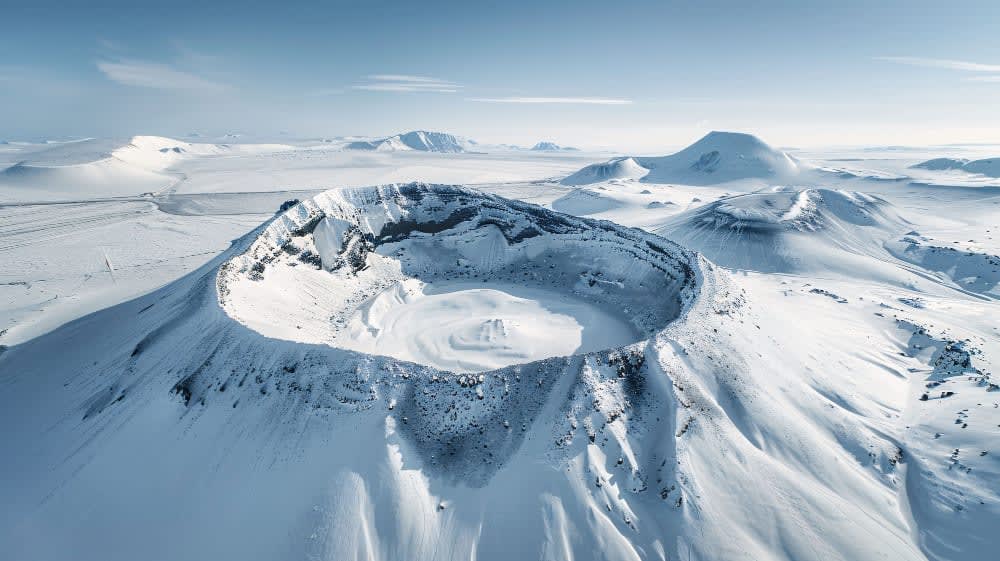
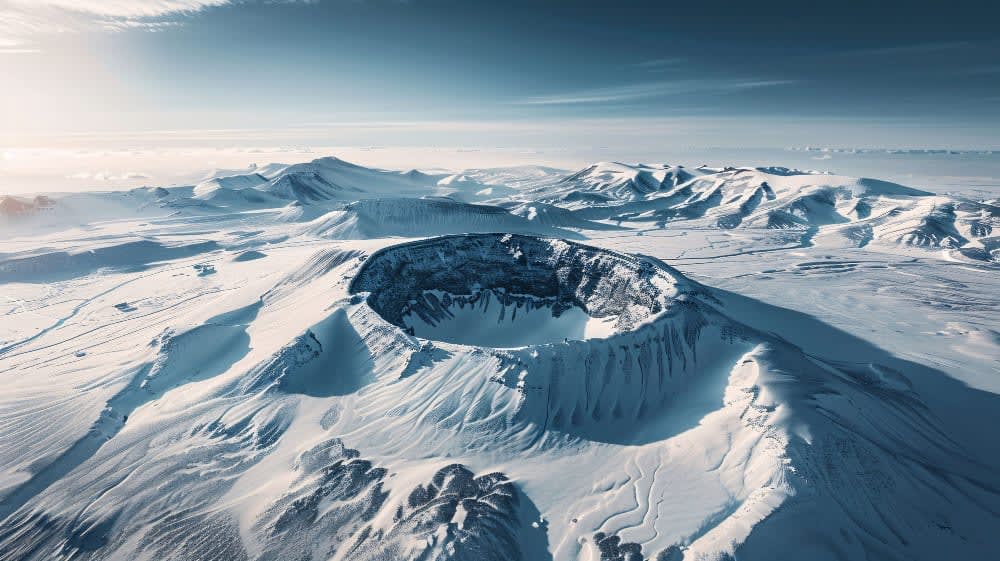
Mount Erebus, located in Antarctica, is the southernmost active volcano on Earth. Standing tall at 3,794 meters, it is known for its impressive lava lake within its crater, visible at night due to the bright red glow that lights up the icy landscape.
🌍 Geography and Ecosystem
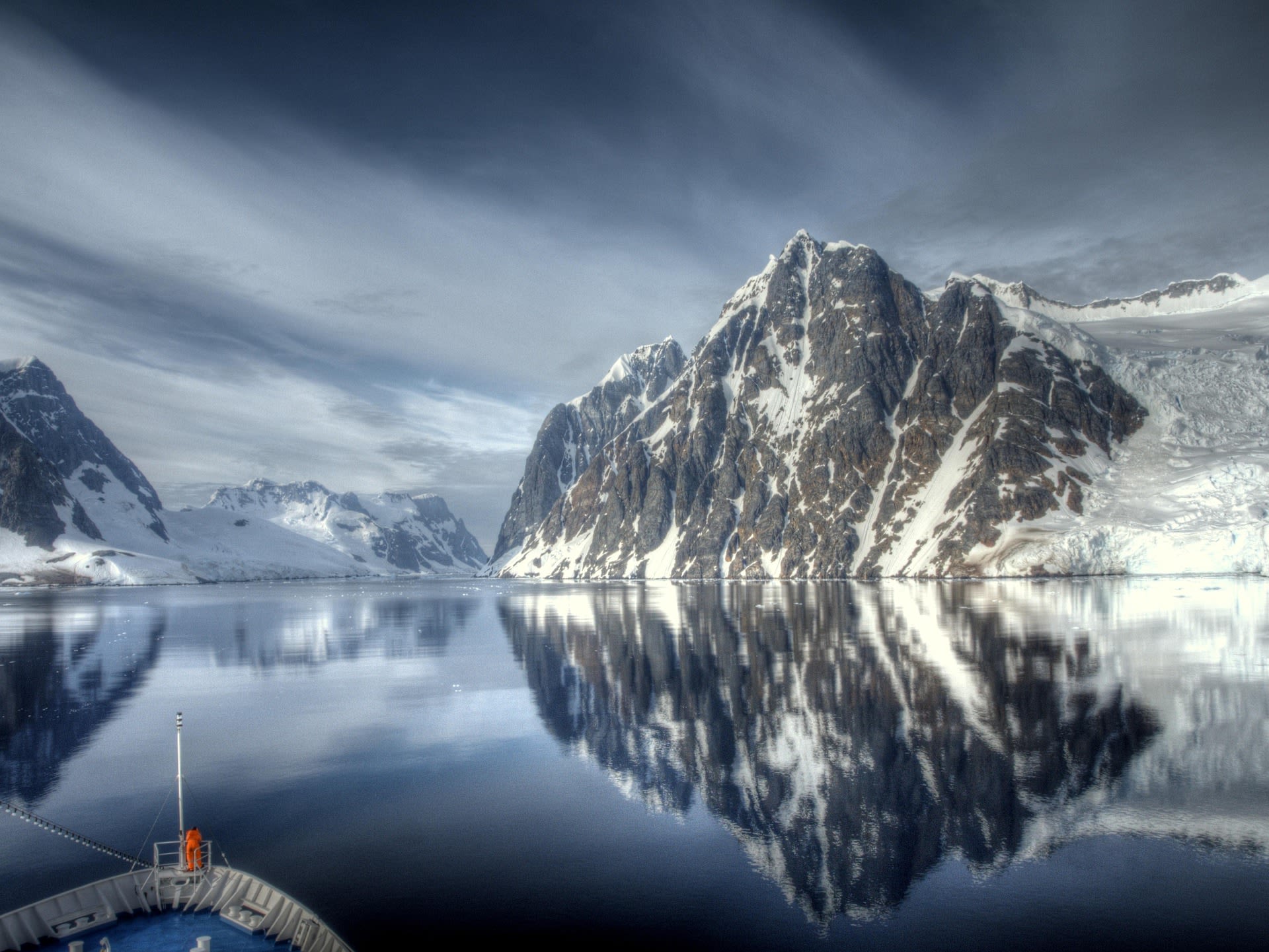
Mount Erebus, located on Ross Island in Antarctica's remote McMurdo Sound, is the southernmost active volcano on Earth and one of the continent's most striking natural landmarks. Towering at over 3,700 meters, this icy giant is continuously active, boasting one of the few persistent lava lakes in the world. Its remote setting and dramatic ice-covered slopes make it a beacon for scientific inquiry and natural exploration. The surrounding area is characterized by glacial formations, volcanic rock, and a stark polar environment that supports unique ecosystems adapted to the extreme cold. Despite the harsh climate, wildlife such as Adelie penguins and seals thrive near the coast, contributing to the region’s ecological richness. The interplay between fire and ice creates a surreal landscape that is both hostile and breathtakingly beautiful.
- - Mount Erebus is situated on Ross Island in the remote McMurdo Sound region of Antarctica.
- - Its unique lava lake, one of a few in the world, is a stunning sight and provides scientists with valuable insights into volcanic activity.
- - The volcano is an integral part of the active volcanic system of the Antarctic continent, with its last major eruption occurring in 2015.
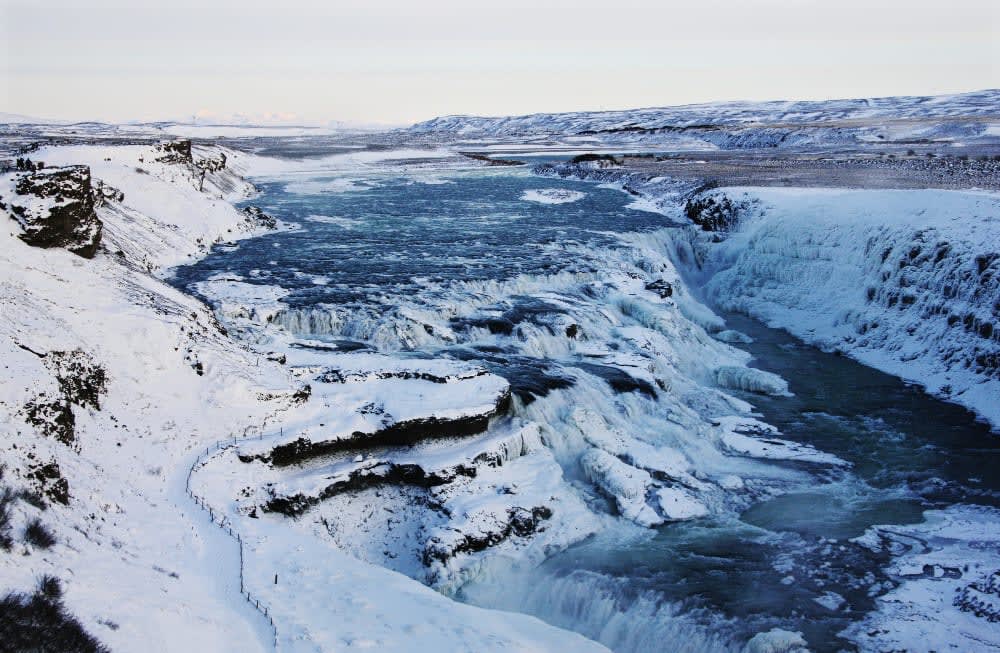
- - Mount Erebus is covered in glaciers, with crevasses and ice formations adding to its rugged beauty.
- - The surrounding region is home to diverse wildlife, including Adelie penguins and seals, adding to the allure of the landscape.
📜 History and Cultural Significance
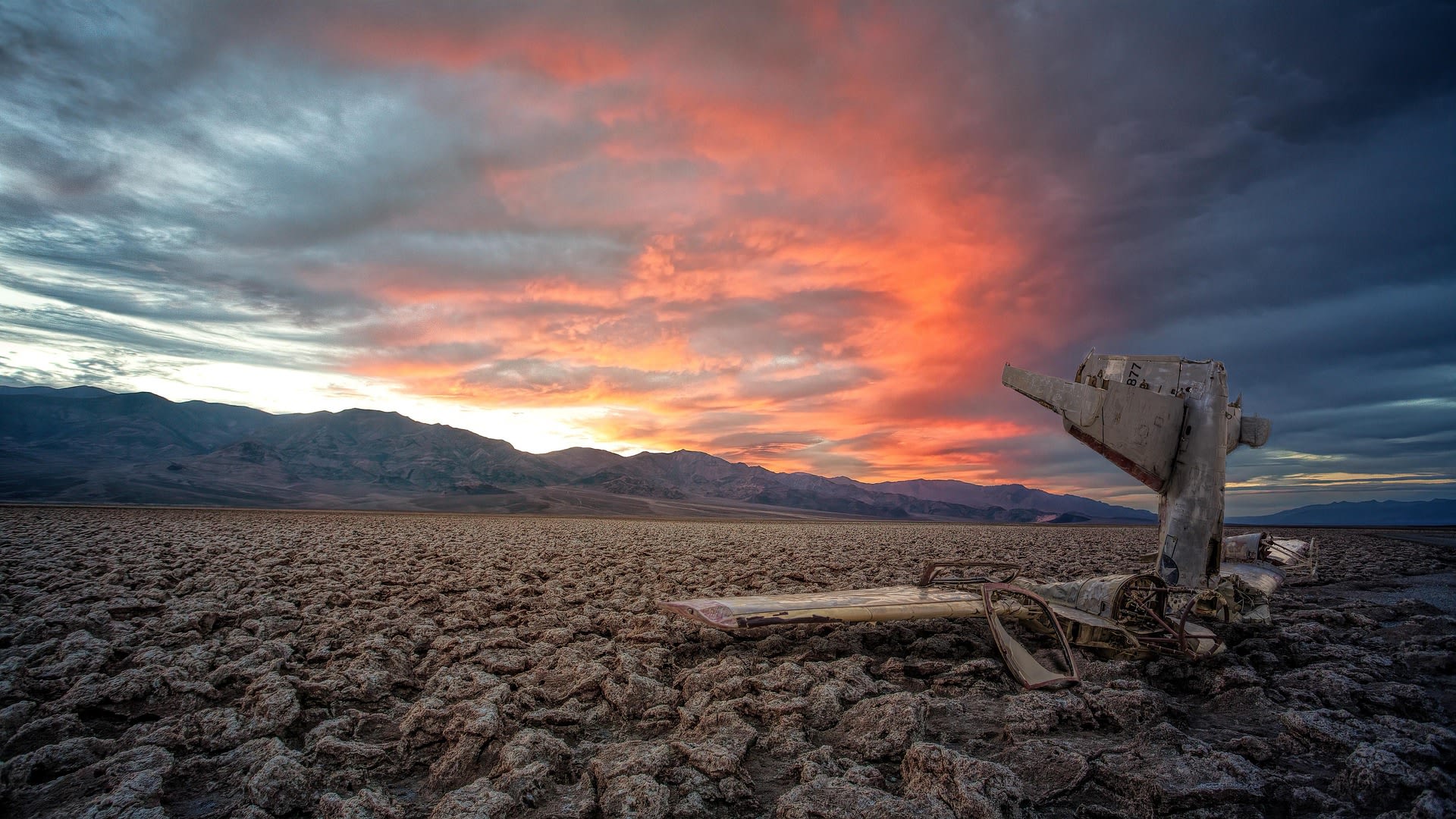
Mount Erebus has both historical and cultural relevance that spans continents. It was first discovered by British explorer Sir James Clark Ross in 1841 during a pioneering expedition to Antarctica, alongside its twin volcano, Mount Terror. The mountain was named after his ship, HMS Erebus, and has since been a focal point of polar exploration and scientific curiosity. For the Māori people of New Zealand, Erebus holds spiritual significance and is often linked to ancient mythology, symbolizing power and transformation. In more recent history, the mountain was the site of the tragic 1979 Air New Zealand Flight 901 crash, which brought international attention to the remote region. Despite its dangers, Mount Erebus remains a cornerstone of Antarctic geological research, offering rare insights into volcanic activity beneath the ice.
🏃 Activities and Attractions
Mount Erebus is not a typical tourist destination due to its extreme location and climate, but for those fortunate enough to visit through research programs or guided expeditions, it offers truly unforgettable experiences. Adventurous travelers can embark on helicopter flights that provide jaw-dropping panoramic views of the volcano, ice fields, and surrounding glacial formations. On the ground, guided hiking and ice climbing tours offer a rare chance to traverse one of Earth's most remote and rugged terrains. Scientists and enthusiasts can also participate in educational excursions, observing the volcano's active crater and studying unique geological formations. The region's surreal beauty, combined with the opportunity to witness living lava amidst a frozen world, makes Mount Erebus an awe-inspiring natural attraction unlike any other.
- Visitors to Mount Erebus can engage in a variety of activities that offer a truly unique experience:
- - Helicopter tours provide stunning aerial views of the volcano and surrounding Antarctic landscape.
- - Hiking tours allow adventurous travelers to explore the foothills and glaciers of Mount Erebus on guided expeditions.
- - Ice climbing excursions offer a thrilling experience for the more adventurous, providing a chance to scale the icy slopes of the volcano.
- - Scientific tours give enthusiasts the opportunity to learn about the geology and research being conducted on Mount Erebus.
- - Camping under the midnight sun is a popular activity for those seeking a once-in-a-lifetime experience in this remote and pristine environment.
💡 Travel Tips
When planning a trip to Mount Erebus, it is essential to take into account the extreme weather conditions and remote location. Proper gear, including cold-weather clothing and sturdy footwear, is a must. Travelers should also be prepared for altitude sickness due to the high elevation of the volcano.
🌱 Conservation
Due to its unique ecosystem and cultural significance, Mount Erebus is protected as part of the Antarctic Treaty System, which aims to preserve the continent's environment and wildlife. Visitors are encouraged to follow strict guidelines to minimize their impact on the delicate ecosystem and respect the cultural importance of the site to the Maori people.
✨ Conclusion
In conclusion, Mount Erebus is a fascinating blend of natural beauty, geological wonders, and cultural significance. As one of the few active volcanoes in Antarctica, it offers a rare opportunity for travelers to witness the forces of nature in action while immersing themselves in the breathtaking landscapes of the southernmost continent.