Dry Valleys
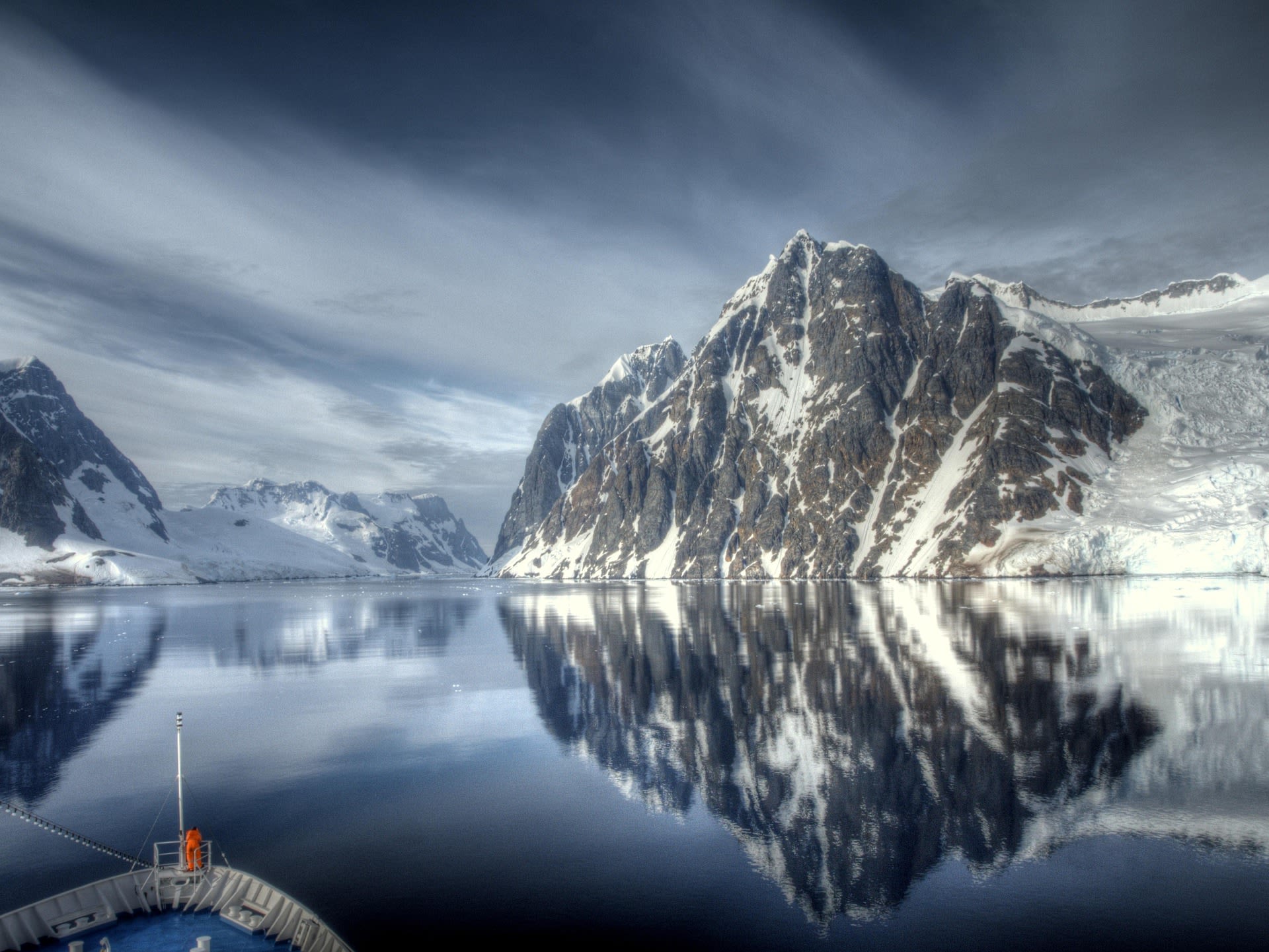
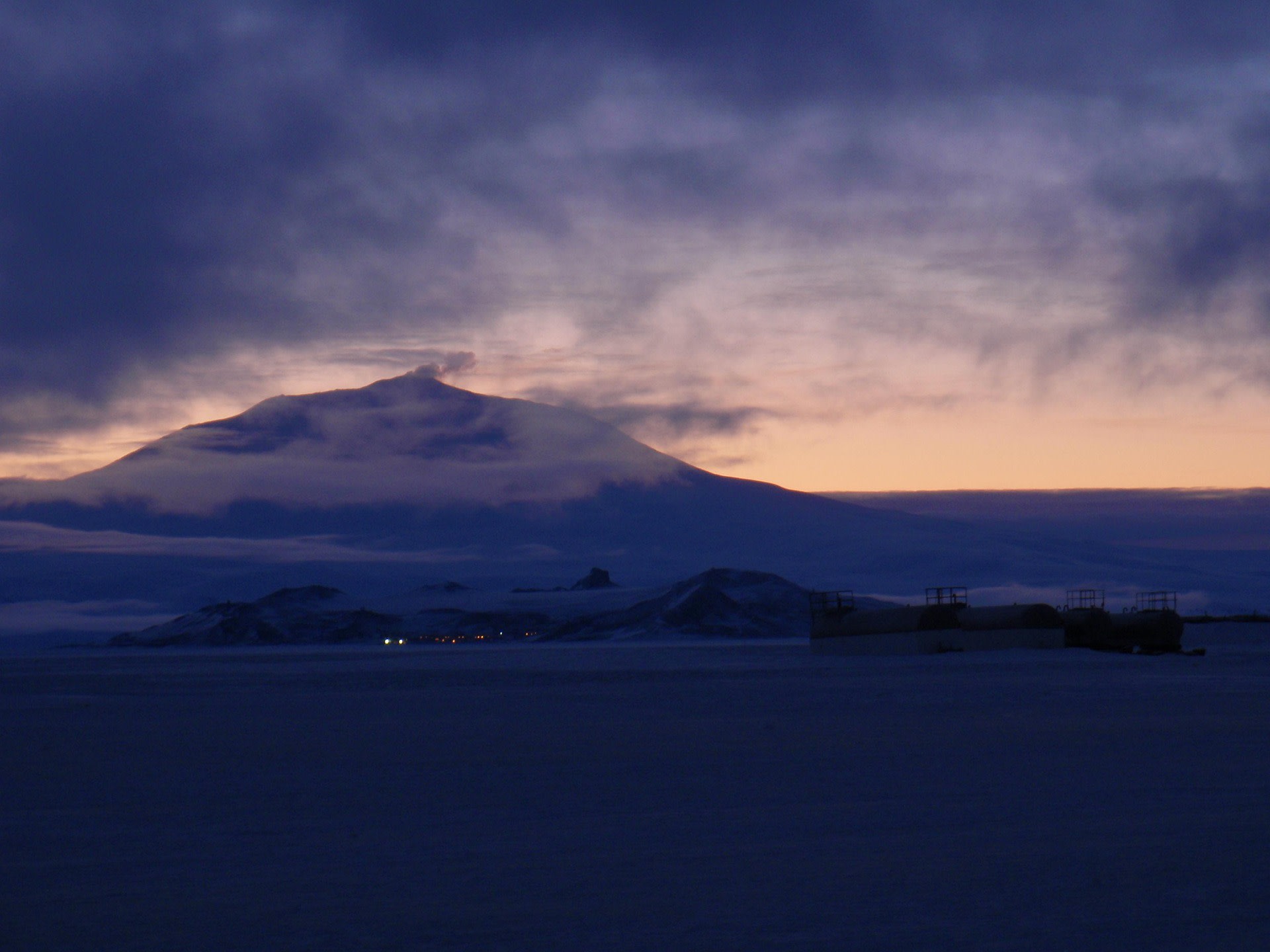
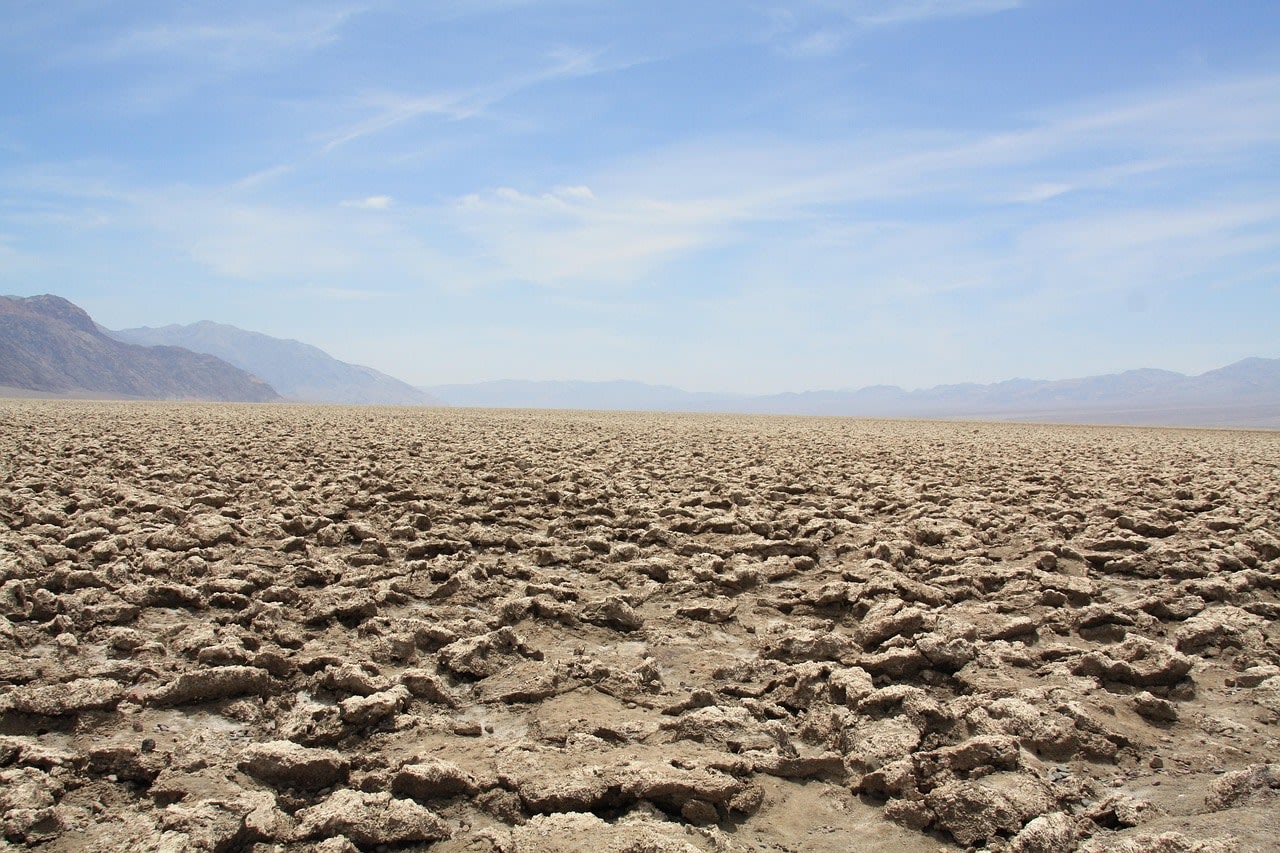
Dry Valleys are a unique and captivating polar desert region in Antarctica known for their extreme dryness and otherworldly landscapes. These valleys are among the driest places on Earth, with almost no precipitation, ice, or snowfall for millions of years. The stark beauty and harsh environment make Dry Valleys a fascinating destination for scientific research and exploration.
🌍 Geography and Ecosystem
Located in the Transantarctic Mountains of Antarctica, the Dry Valleys exhibit a stunning array of geographic and natural features. The valleys are characterized by barren, rocky terrain devoid of ice and snow, with windswept plains, towering mountains, and frozen lakes adding to the dramatic scenery. Key points of interest include:
- - Lake Vida – an ice-covered lake with microbial life in extreme conditions.
- - Taylor Glacier – known for its eerie blood-red ice streaks.
- - Don Juan Pond – the saltiest natural body of water on Earth.
- - Wright Valley – a vast valley revealing the continent’s geological history.
- - Beacon Valley – a fossil-rich zone with ancient preserved life forms.
📜 History and Cultural Significance
- Lake Vida, a unique ice-covered lake where microbes have been found thriving in extreme conditions.
- The Taylor Glacier, showcasing striking blood-red streaks caused by iron oxide staining the ice.
- Don Juan Pond, the saltiest body of water on Earth, where supersaturated brine creates a surreal landscape.
- The Wright Valley, named after the Wright brothers, offering a window into Antarctica's geological past.
- The immense Beacon Valley, home to ancient fossils preserved in the dry environment.
- The Taylor Glacier, showcasing striking blood-red streaks caused by iron oxide staining the ice.
- Don Juan Pond, the saltiest body of water on Earth, where supersaturated brine creates a surreal landscape.
- The Wright Valley, named after the Wright brothers, offering a window into Antarctica's geological past.
- The immense Beacon Valley, home to ancient fossils preserved in the dry environment.
🏃 Activities and Attractions
Throughout history, the Dry Valleys have played a crucial role in scientific research, offering insights into Antarctica's climate history and extreme environments. While there are no indigenous peoples or permanent human settlements in the region, the cultural significance lies in the collaborative efforts of international scientific teams studying the unique ecosystems and geological formations of the Dry Valleys.
- - Join scientific expeditions to observe research in action.
- - Explore frozen lakes and unique rock formations.
- - Witness rare natural phenomena like the Blood Falls.
- - Observe ancient, untouched ecosystems up close.
- - Experience remote and pristine wilderness like no other place on Earth.
💡 Travel Tips
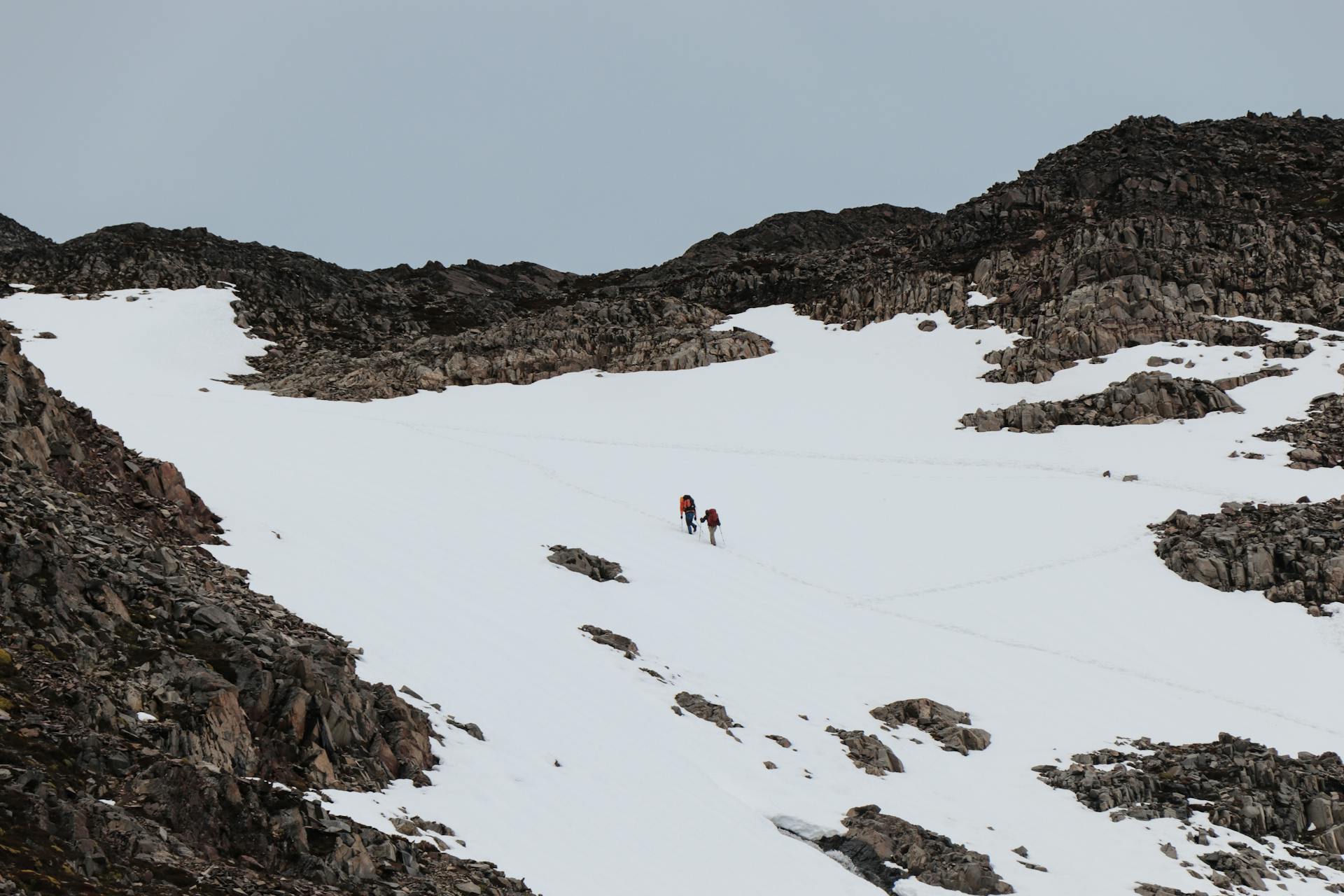
Tourists visiting the Antarctic Dry Valleys can engage in a variety of carefully regulated activities that highlight the region’s extreme landscapes, scientific value, and environmental sensitivity. Popular experiences include guided hikes across ice-free valleys, observation of unique geological formations, and visits to ongoing scientific research sites (when permitted). Travelers can also participate in wildlife observation from designated areas, focusing on microbial life and nearby ecosystems rather than large fauna. Due to the harsh climate, visitors must be prepared for sudden weather changes, extremely low humidity, and cold winds, even during the austral summer. All activities require prior authorization under the Antarctic Treaty System, and travel is typically conducted with specialized tour operators who emphasize environmental protection, safety training, and minimal ecological impact.
🌱 Conservation
- Guided tours led by experienced researchers providing in-depth knowledge about the region.
- Hiking expeditions through the rugged terrain to explore the unique geology and landscapes.
- Visiting research stations to learn about ongoing scientific projects and discoveries.
- Photographing the mesmerizing vistas and unusual features such as the blood falls of Taylor Glacier.
- Participating in environmental monitoring efforts to contribute to conservation and research initiatives.
- Hiking expeditions through the rugged terrain to explore the unique geology and landscapes.
- Visiting research stations to learn about ongoing scientific projects and discoveries.
- Photographing the mesmerizing vistas and unusual features such as the blood falls of Taylor Glacier.
- Participating in environmental monitoring efforts to contribute to conservation and research initiatives.
✨ Conclusion
Traveling to the Dry Valleys requires careful planning and consideration due to the extreme conditions and remote location. Visitors should be well-prepared for the harsh environment, with appropriate clothing, gear, and provisions for the trip. It's essential to travel with experienced guides or researchers who are familiar with the area and can ensure safety and adherence to environmental guidelines.