
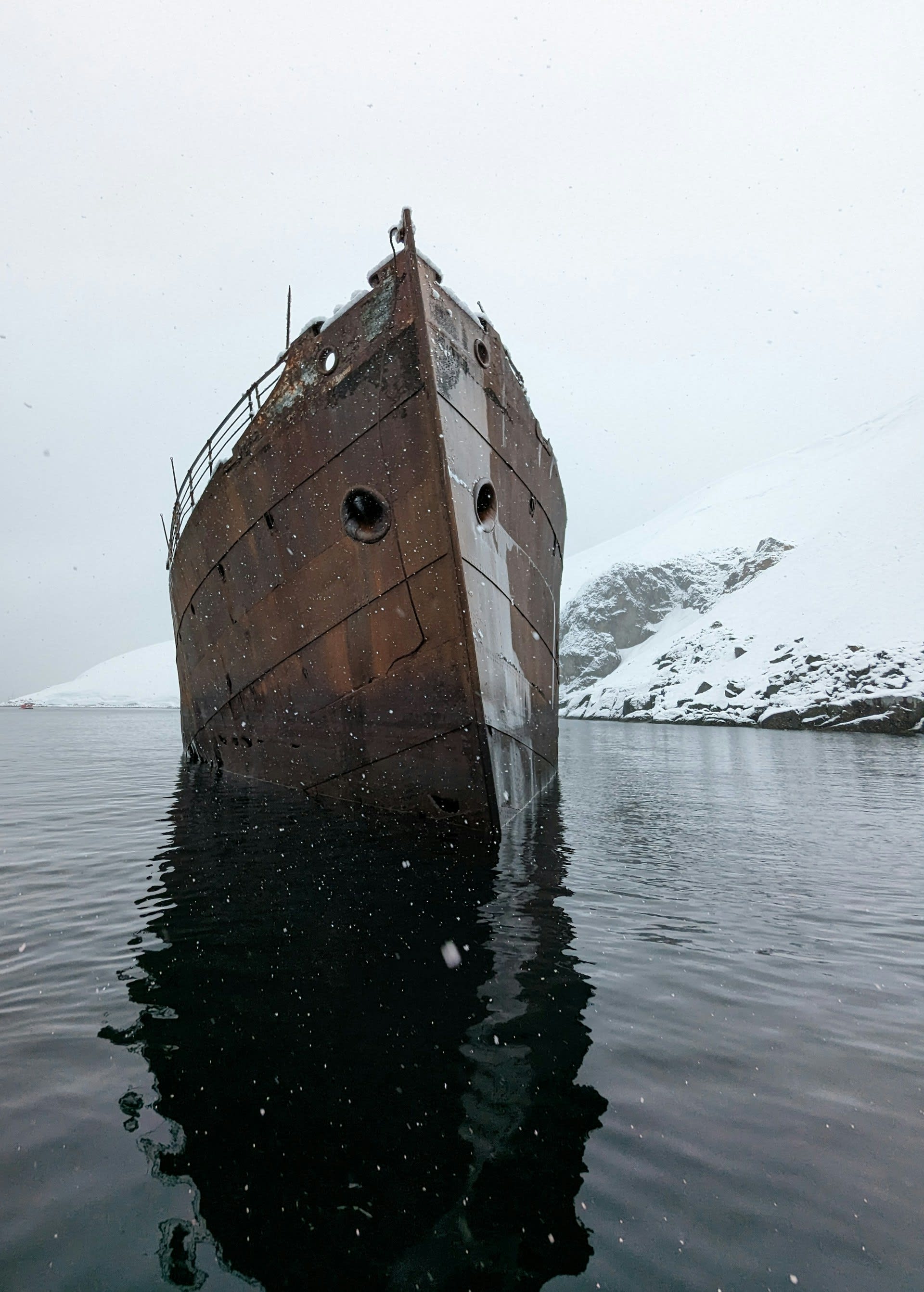
Deception Island
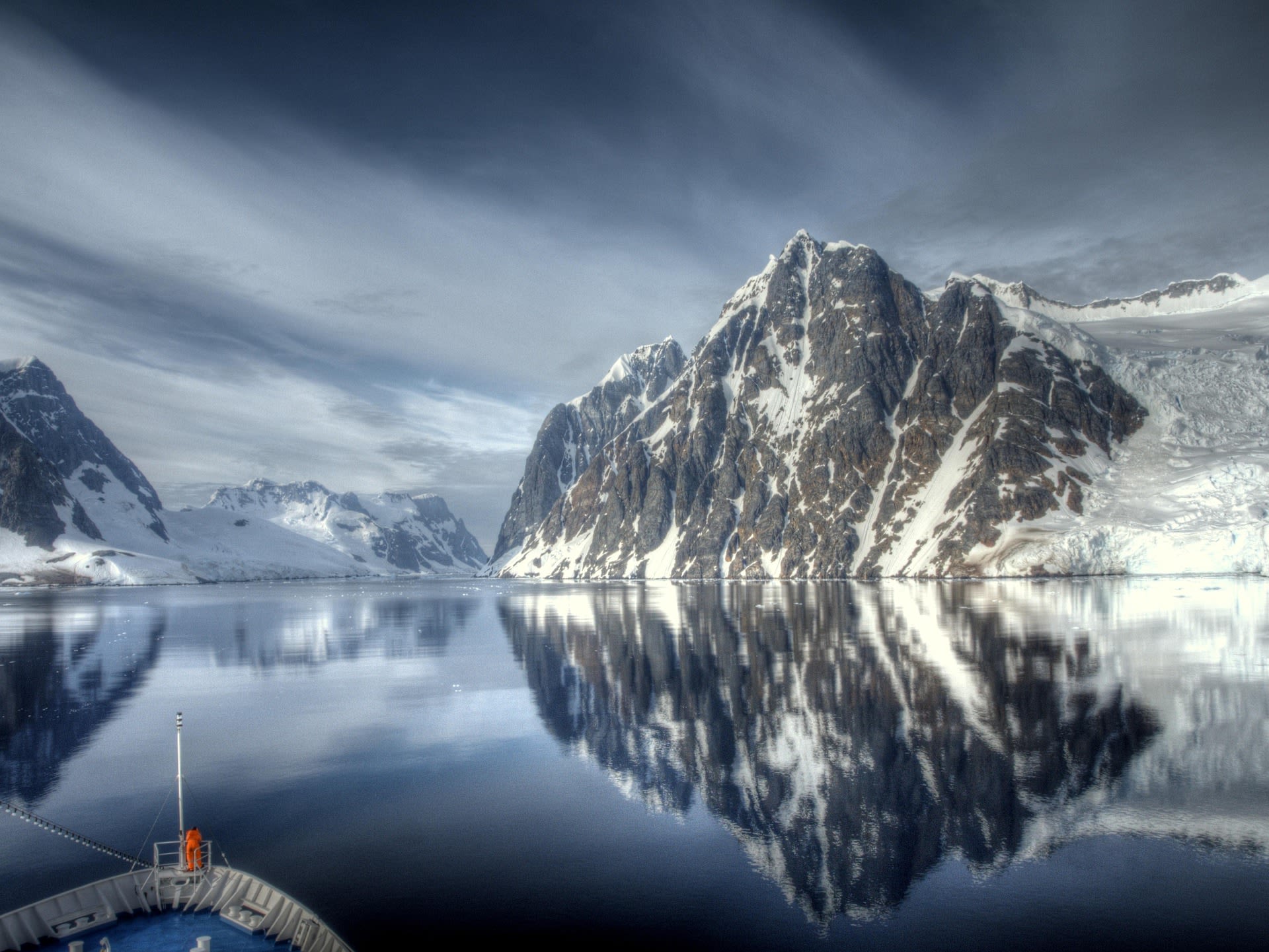
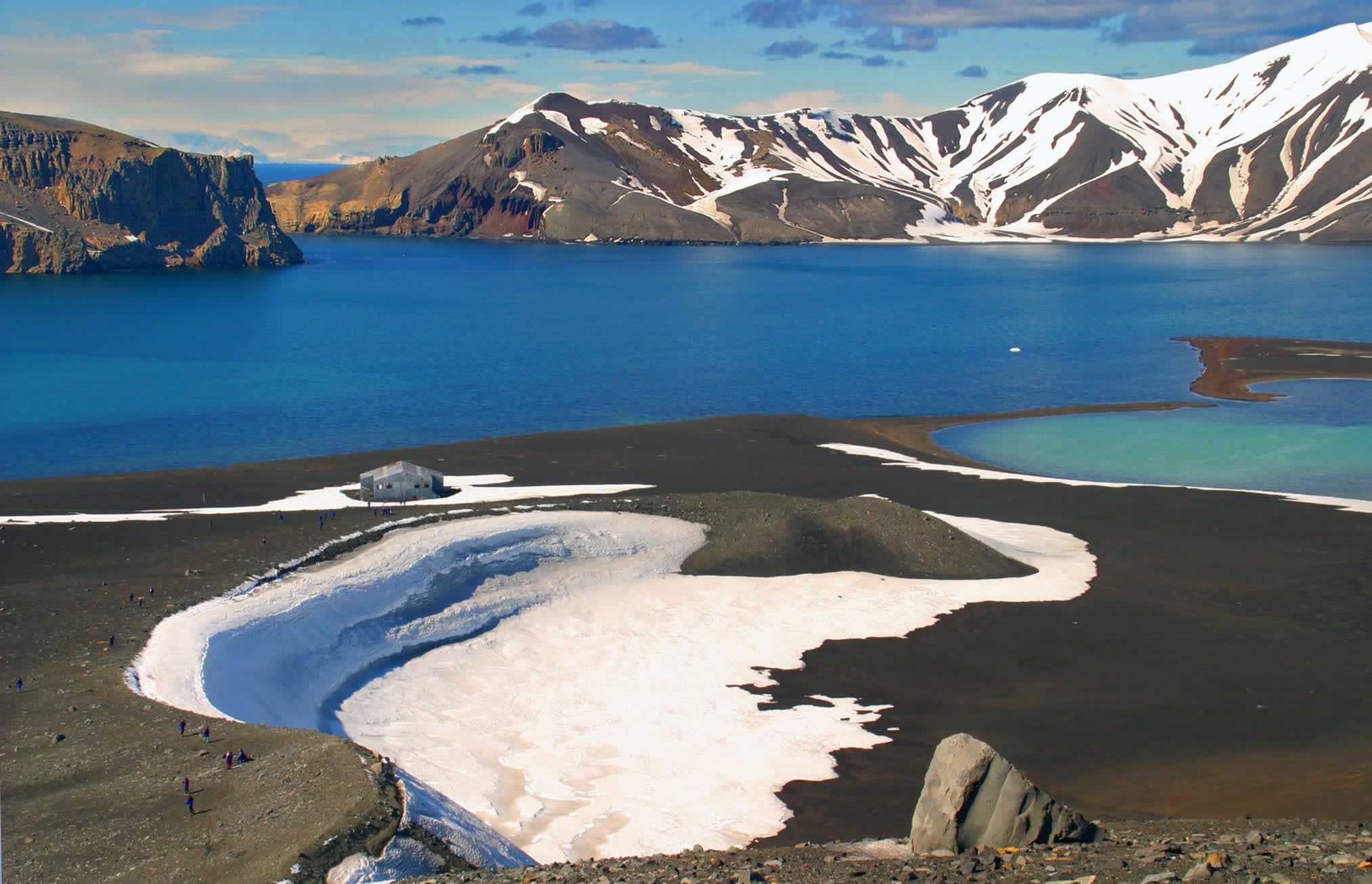
Deception Island, part of the South Shetland Islands in Antarctica, is a geological marvel and a historical relic. Its flooded volcanic caldera creates a protected natural harbor used by explorers and scientists for over a century. The black sand beaches, steaming geothermal vents, and remnants of early whaling operations offer a surreal contrast to the surrounding icy landscape. It's one of the few places in Antarctica where visitors can safely land and even experience geothermal warmth beneath their feet.
🌍 Geography and Ecosystem
Deception Island is an active volcano with a submerged caldera that creates Port Foster, a circular bay accessible through a narrow passage called Neptune’s Bellows. The island features geothermal activity, fumaroles, and volcanic ash layers, with flora limited to mosses, lichens, and some microorganisms.
- Active volcanic caldera forming a ring-shaped island
- Entry via Neptune’s Bellows into the sheltered Port Foster
- Geothermal features including hot sand and fumaroles
- Limited vegetation: mosses, lichens, and thermophiles
📜 History and Cultural Significance
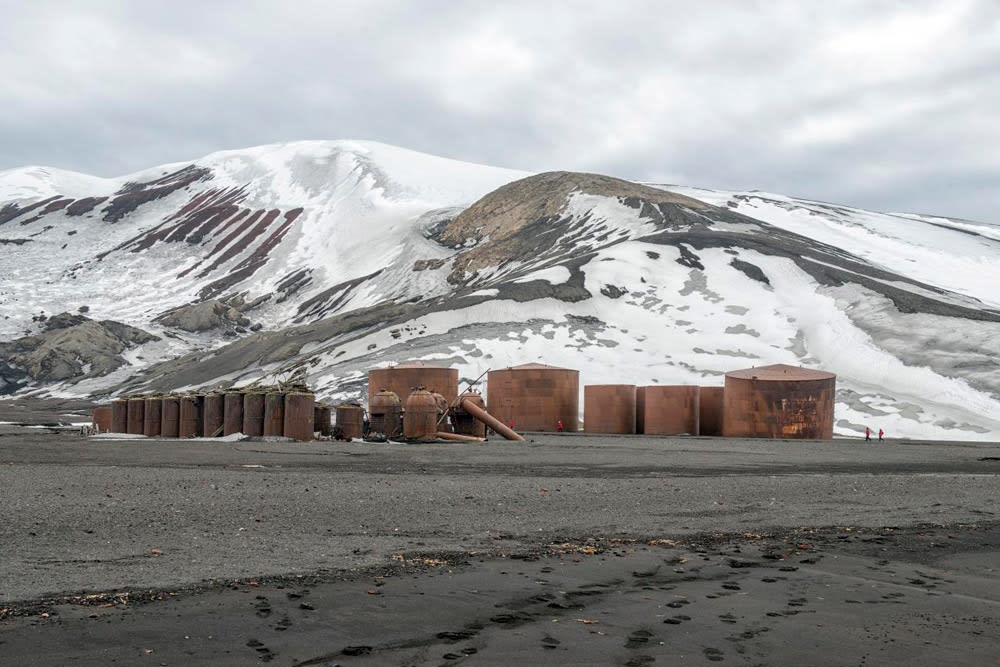
Deception Island has a rich human history. It served as a base for early sealers in the 19th century and later became a major whaling station. During the 20th century, several research stations were established, some of which were later evacuated due to volcanic eruptions in the 1960s. The remnants of these facilities offer insight into Antarctic exploration, resource exploitation, and natural disaster response.
🏃 Activities and Attractions
Visitors to Deception Island, often via cruise expeditions, can explore its unique geothermal landscape and historical ruins. Popular stops include Whalers Bay, Pendulum Cove, and Neptune’s Window.
- Visit historic whaling station ruins at Whalers Bay
- Hike to Neptune’s Window for panoramic views
- Observe geothermal vents and hot sand
- Participate in the Antarctic plunge near warm shores
- Scientific observation of volcanic activity and rare species
💡 Travel Tips
- Access is limited to guided Antarctic cruises with landing permits.
- Weather is extreme and conditions can change rapidly—dress in layers.
- Bring waterproof boots for wet landings and volcanic terrain.
- Respect protected zones and historical sites.
- Wildlife (like penguins and seals) may be nearby—observe from a distance.
- Geothermal areas may be warm but still dangerous—stay on marked paths.
- Weather is extreme and conditions can change rapidly—dress in layers.
- Bring waterproof boots for wet landings and volcanic terrain.
- Respect protected zones and historical sites.
- Wildlife (like penguins and seals) may be nearby—observe from a distance.
- Geothermal areas may be warm but still dangerous—stay on marked paths.
🌱 Conservation
Deception Island is part of the Antarctic Specially Managed Area (ASMA) system. Conservation efforts include limiting visitor numbers, restricting access to fragile thermal zones, and preserving historical remains. Scientists monitor volcanic activity, environmental changes, and human impact.
✨ Conclusion
Deception Island is a striking example of nature's ability to awe and surprise. Its geothermal forces, historical depth, and rare beauty make it a cornerstone of Antarctic exploration. Whether studied by scientists or visited by intrepid travelers, the island offers a unique intersection of Earth's power and human resilience.