

White Cliffs Dover
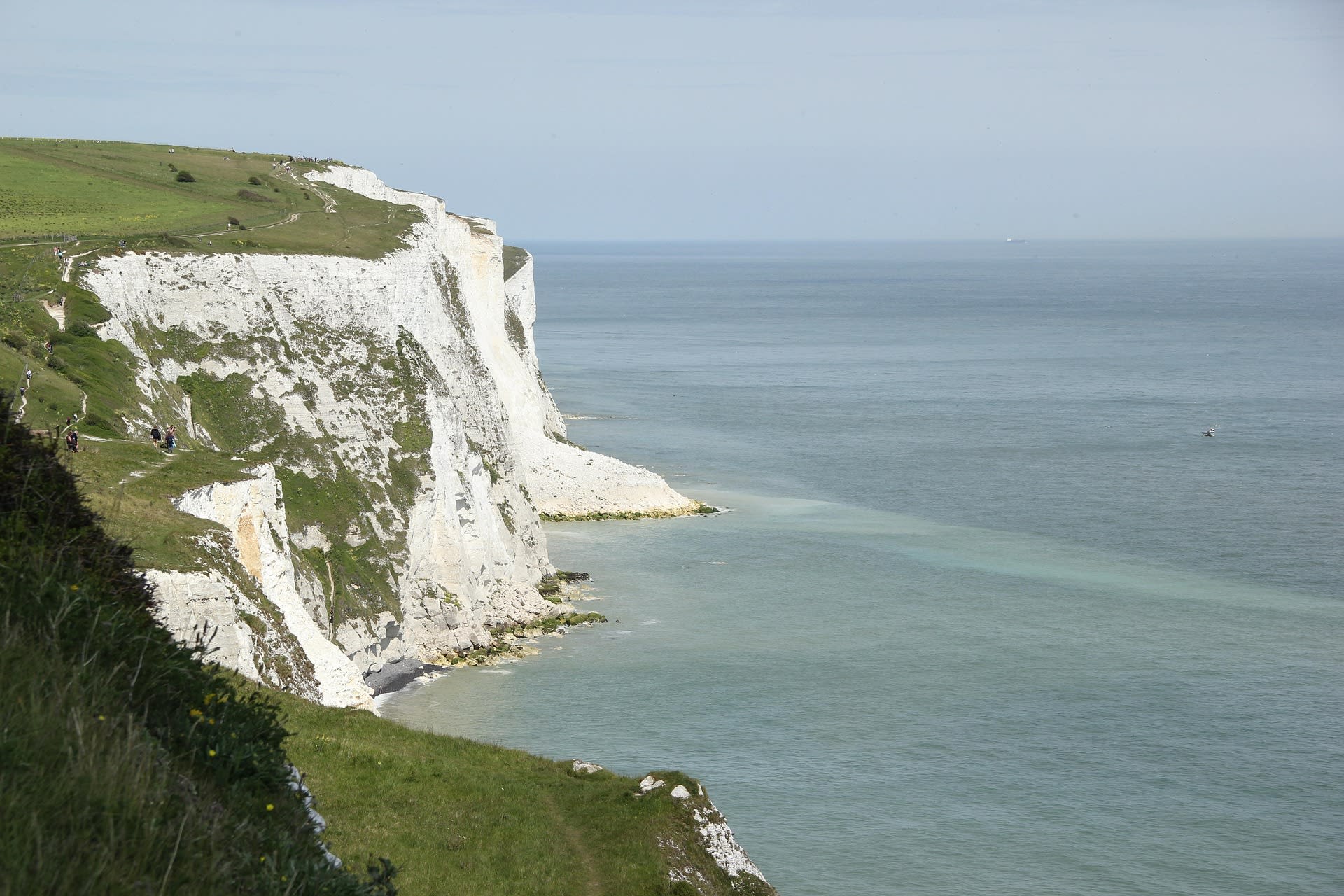
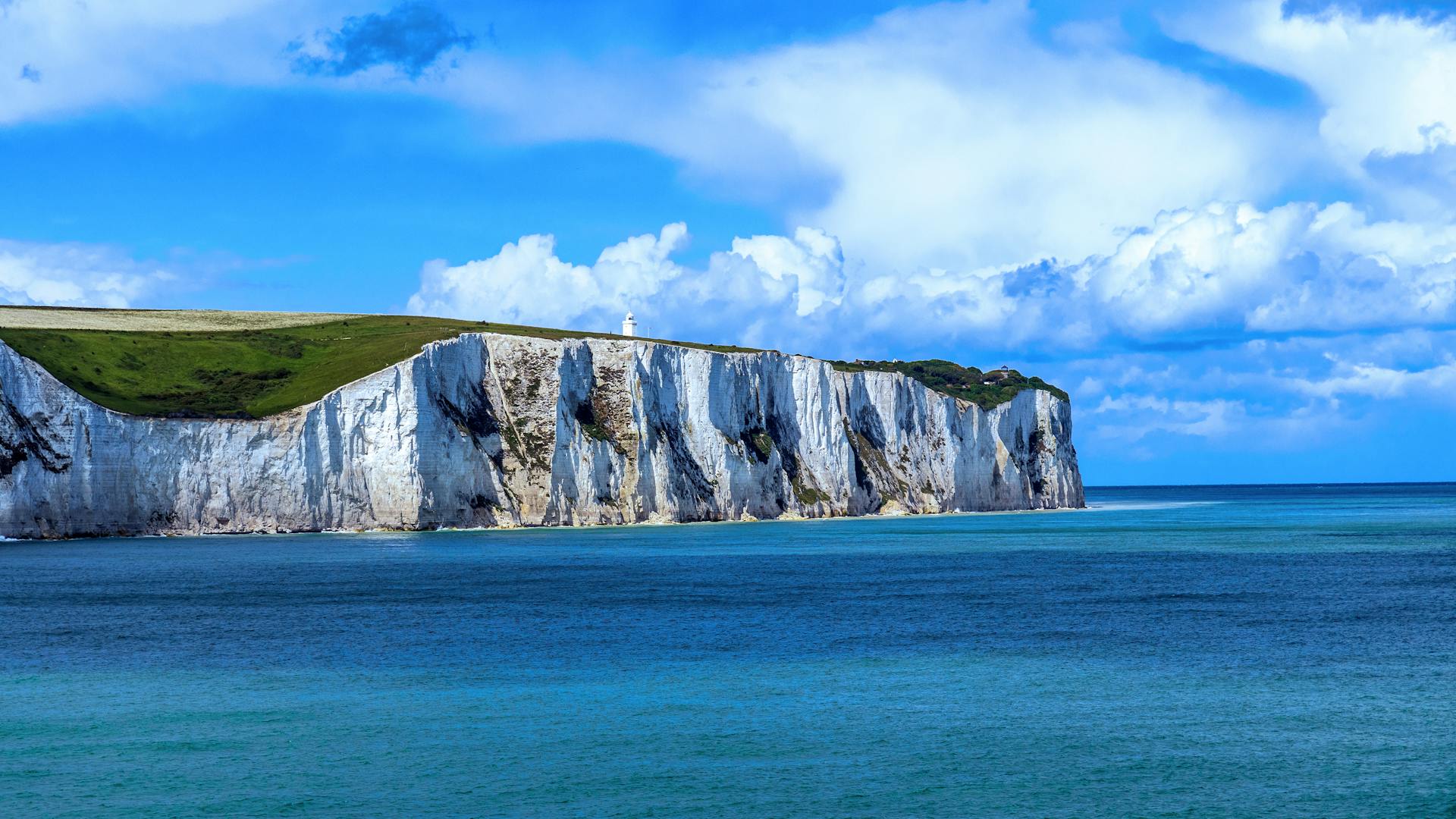
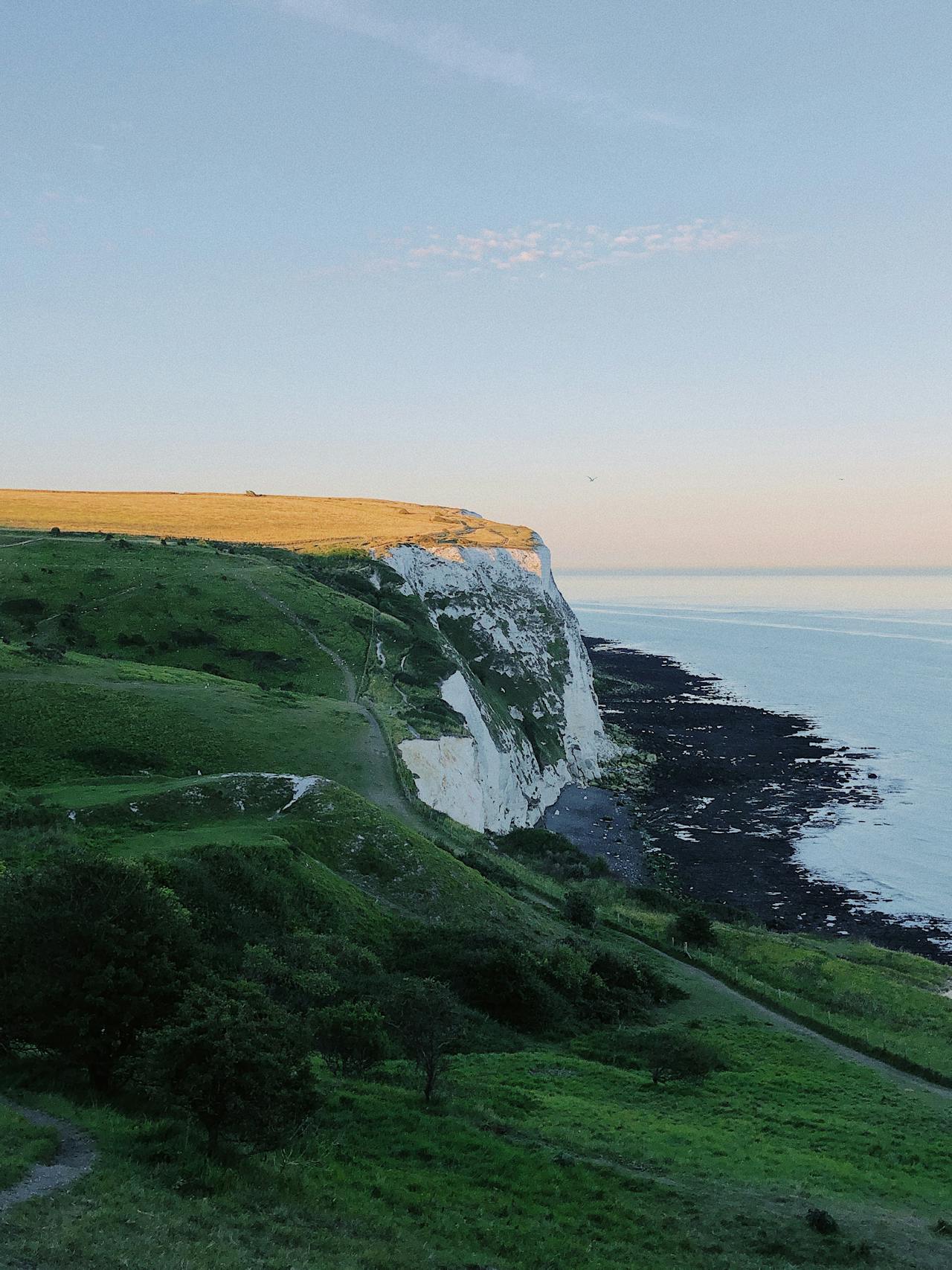
White Cliffs of Dover, located on the southeast coast of England, rise dramatically to heights of up to 350 feet (110 meters) above the English Channel. These iconic chalk cliffs stretch for about 8 miles (13 kilometers) and are a symbol of Britain's enduring maritime heritage. The cliffs offer breathtaking views of the channel and the French coastline on clear days, making it a popular destination for tourists and hikers alike.
🌍 Geography and Ecosystem
The landscape of the White Cliffs of Dover is characterized by the striking white chalk cliffs that have been formed over millions of years through geological processes. The cliffs are home to a variety of unique features, including:
- Flora and Fauna: Despite the harsh environment, the cliffs support a diverse array of plant and animal species, including rare orchids and colonies of seabirds such as razorbills and kittiwakes.
- Geological Formations: The chalk cliffs exhibit fascinating geological features such as flint nodules embedded within the chalk layers, providing insight into the region's ancient history.
- Sea Caves: Along the base of the cliffs, visitors can explore sea caves that have been carved out by the relentless action of the waves over time, offering a glimpse into the erosive power of the sea.
📜 History and Cultural Significance
The White Cliffs of Dover have a rich history dating back millions of years when they were formed at the bottom of a shallow sea. Over the centuries, these cliffs have served as a symbolic and strategic landmark, guarding England's shores and playing a crucial role during various historical events, including both World Wars. The cliffs also hold cultural significance as a symbol of hope and freedom, immortalized in literature and art as a beacon of resilience in times of adversity.
🏃 Activities and Attractions
Visitors to the White Cliffs of Dover can partake in a range of activities that showcase the natural beauty and historical significance of this iconic site. From leisurely hikes along the cliff-top trails to boat tours that offer a different perspective from the sea, there is something for everyone. Specific activities include:
- Hiking Trails: Explore the network of walking paths that wind along the cliff tops, providing panoramic views of the channel and the surrounding countryside.
- Birdwatching: Observe the diverse bird species that inhabit the cliffs, including peregrine falcons and fulmars, making it a paradise for birdwatchers.
- Guided Tours: Join guided tours that delve into the history and geology of the cliffs, offering insights into their formation and cultural importance.
💡 Travel Tips
Best Time to Visit: The best time to visit the White Cliffs of Dover is during the spring and summer months when the weather is mild, and the cliffs are adorned with colorful wildflowers.
What to Bring: Be sure to pack sturdy hiking shoes, a windproof jacket, and binoculars for birdwatching opportunities.
Getting There: The cliffs are easily accessible by car or train from London, with regular services to Dover. Alternatively, ferry services provide a unique perspective of the cliffs from the sea.
Accommodation: There are various accommodation options in Dover, ranging from cozy bed and breakfasts to seaside hotels offering stunning views of the cliffs.
🌱 Conservation
Preserving the natural beauty and ecological integrity of the White Cliffs of Dover is paramount to ensuring their longevity for future generations to enjoy. Efforts are underway to protect the fragile chalk grassland habitats and nesting sites of seabirds. Visitors are encouraged to follow designated trails, refrain from picking wildflowers, and respect the wildlife that calls the cliffs home.
✨ Conclusion
The White Cliffs of Dover stand as a testament to the enduring beauty and historical significance of this iconic natural landmark. From their towering heights to the rich flora and fauna that inhabit their slopes, the cliffs offer a glimpse into England's past and present. Whether you're a nature enthusiast, history buff, or simply seeking awe-inspiring views, a visit to the White Cliffs of Dover promises an unforgettable experience that captures the essence of England's coastal splendor.


