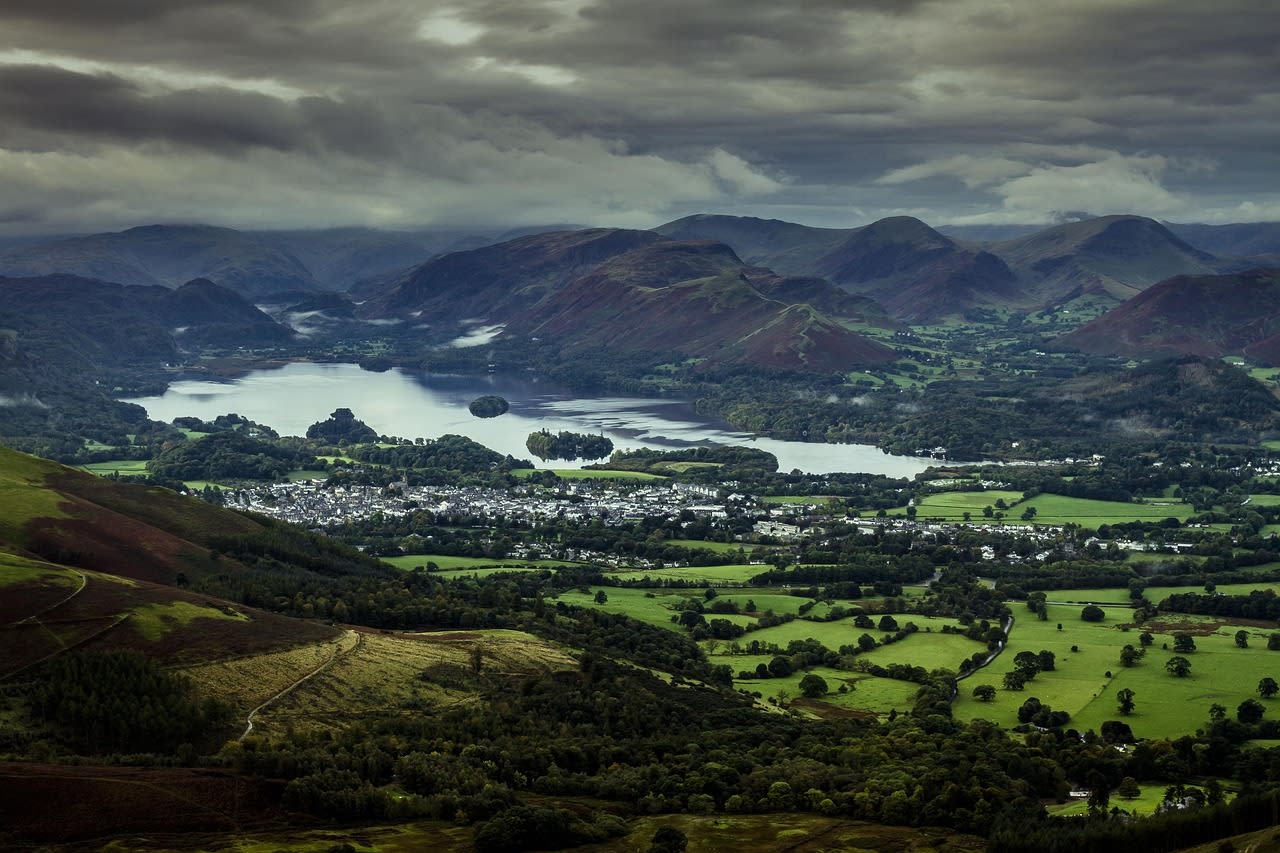


Isle Skye
Isle Skye, located off the northwest coast of Scotland, is a captivating island renowned for its rugged landscapes, ancient history, and cultural heritage. The island covers an area of approximately 639 square miles, with its highest point being the Cuillin, a majestic mountain range reaching heights of over 3,000 feet. Skye is accessible via a bridge from the mainland and is a popular destination for nature enthusiasts and history buffs alike.
🌍 Geography and Ecosystem
Isle Skye encompasses a diverse landscape with various fascinating features:
- Kilt Rock: A stunning coastal cliff formation composed of vertical basalt columns resembling a pleated kilt, plunging dramatically into the sea.
- The Quiraing: A geological marvel featuring landslips, pinnacles, and steep cliffs, offering breathtaking views of the surrounding landscapes.
- Fairy Pools: Crystal-clear pools fed by cascading waterfalls, nestled at the foot of the Cuillin mountains, providing a magical setting for hikers and photographers.
📜 History and Cultural Significance
Isle Skye boasts a rich history dating back thousands of years, with evidence of early human settlement and ancient Celtic roots. The island's rugged terrain and mystical allure have inspired countless legends and folklore, including tales of fairies and mythical creatures. Skye has played a significant role in Scottish history, with notable sites such as Dunvegan Castle, the oldest continuously inhabited castle in Scotland, serving as a testament to its cultural heritage.
🏃 Activities and Attractions
Isle Skye offers a wide range of activities for visitors of all interests and skill levels. Whether you're a seasoned adventurer or simply looking to enjoy the natural beauty, there's something for everyone:
- Hiking in the Cuillin: A thrilling trek through rugged terrain, offering panoramic views of the island and a chance to conquer the challenging peaks.
- Exploring Dunvegan Castle: Discover the history of the MacLeod clan, wander through lush gardens, and admire the stunning views over Loch Dunvegan.
- Tasting Skye's Whisky: Visit the Talisker Distillery to savor the flavors of Scotland's only island whisky, distilled against the backdrop of the Cuillin mountains.
💡 Travel Tips
Best Time to Visit: The summer months of June to August offer the best weather for outdoor activities, although Skye's landscapes are enchanting year-round.
What to Bring: Sturdy hiking boots, waterproof clothing, and a camera to capture the stunning vistas.
Getting There: Skye is accessible by car via the Skye Bridge from the mainland or by ferry from Mallaig or Glenelg.
Accommodation: Options range from cozy B&Bs to luxury hotels, with camping and self-catering cottages also available for those seeking a more rustic experience.
What to Bring: Sturdy hiking boots, waterproof clothing, and a camera to capture the stunning vistas.
Getting There: Skye is accessible by car via the Skye Bridge from the mainland or by ferry from Mallaig or Glenelg.
Accommodation: Options range from cozy B&Bs to luxury hotels, with camping and self-catering cottages also available for those seeking a more rustic experience.
🌱 Conservation
Preserving Skye's natural beauty and fragile ecosystems is paramount to ensuring the island's future sustainability. Visitors are encouraged to follow the "Leave No Trace" principles, respecting wildlife and habitats, staying on designated trails, and disposing of waste responsibly. Conservation efforts focus on protecting Skye's diverse flora and fauna, maintaining the island's unique character for generations to come.
✨ Conclusion
Isle Skye's rugged charm, ancient history, and breathtaking landscapes make it a destination unlike any other. From the towering peaks of the Cuillin to the mystical allure of its folklore, Skye offers a truly immersive experience for travelers seeking adventure, culture, and natural beauty. Discover the magic of Isle Skye and create memories that will last a lifetime in this enchanting corner of Scotland.