
Snowdonia
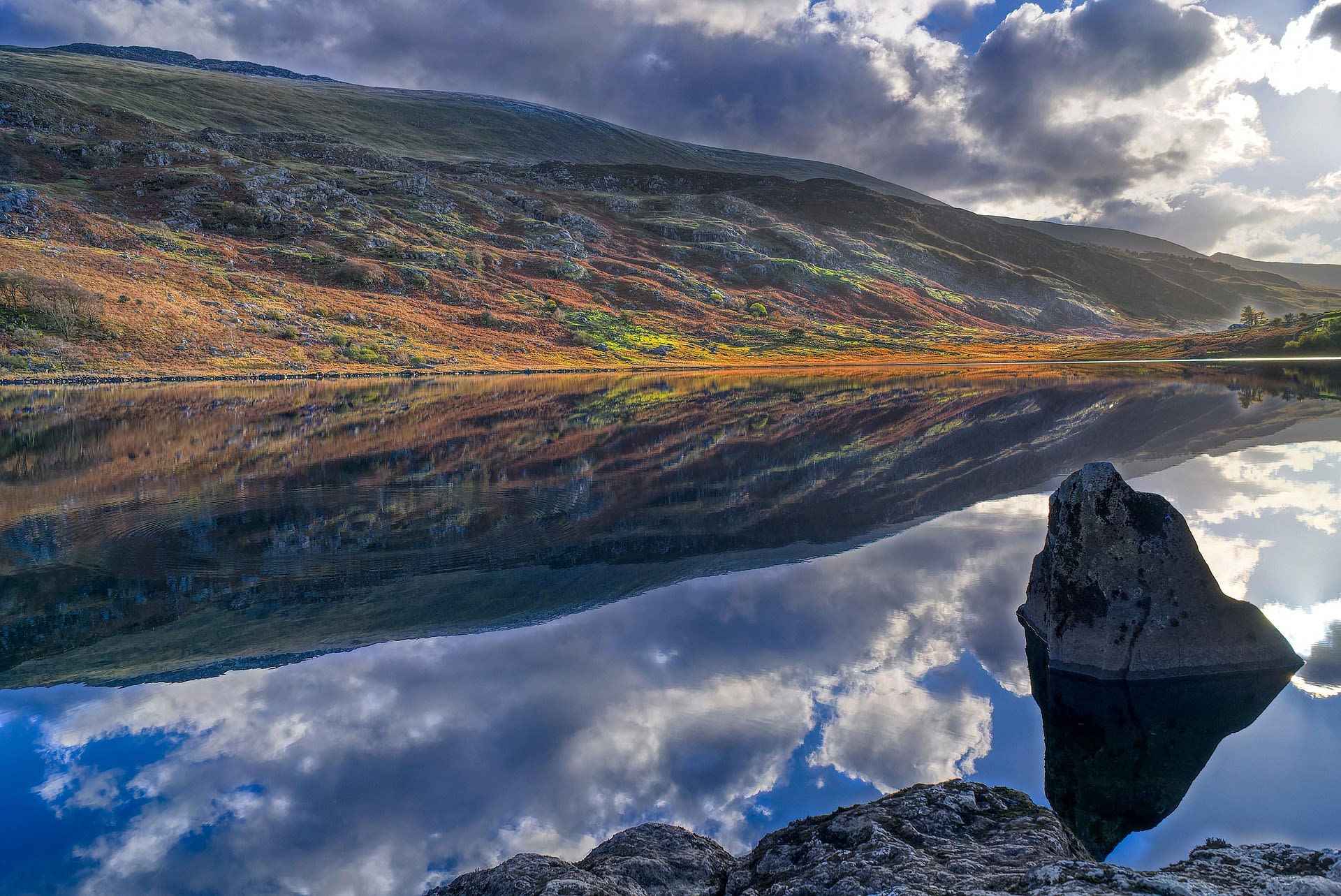
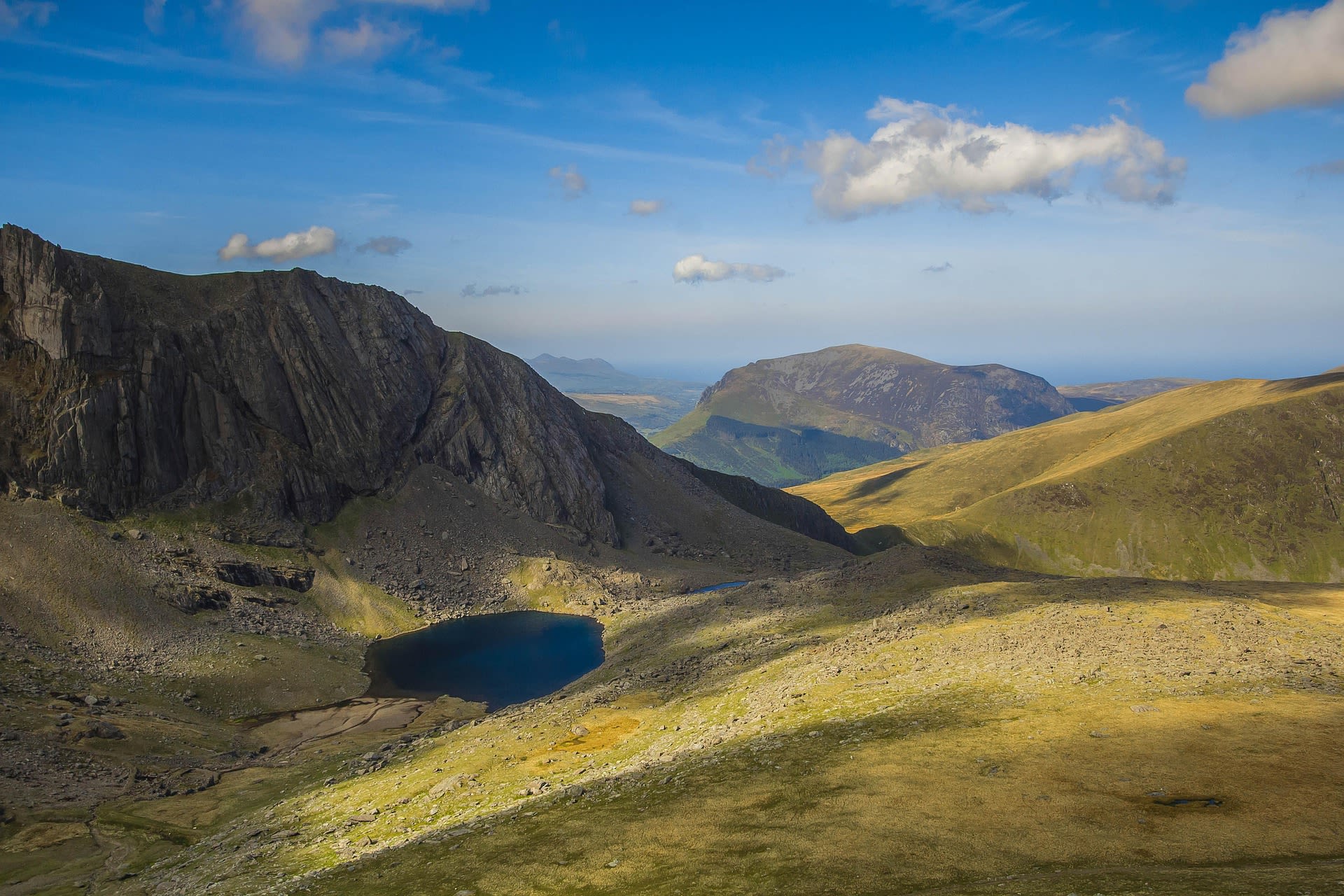
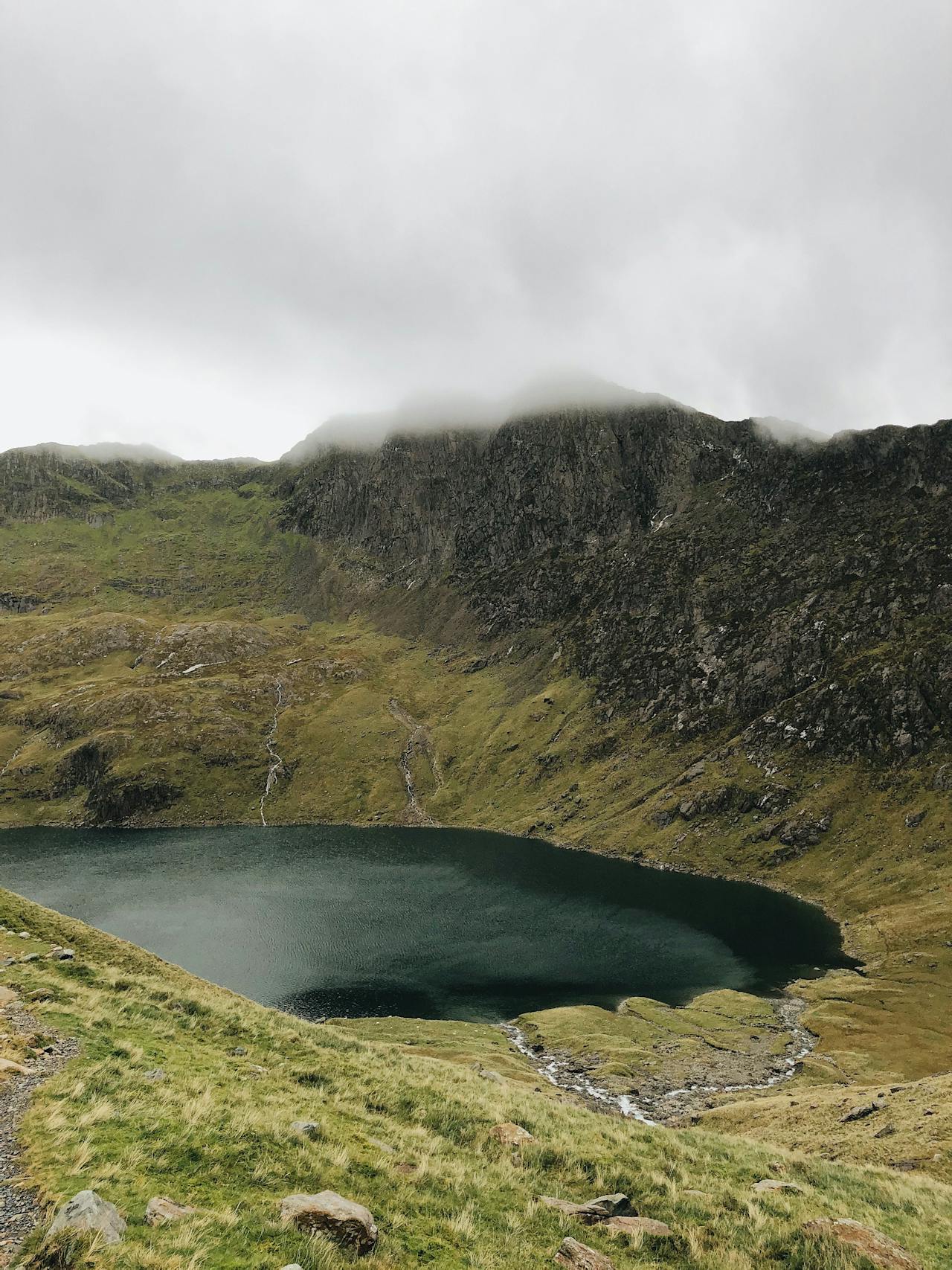
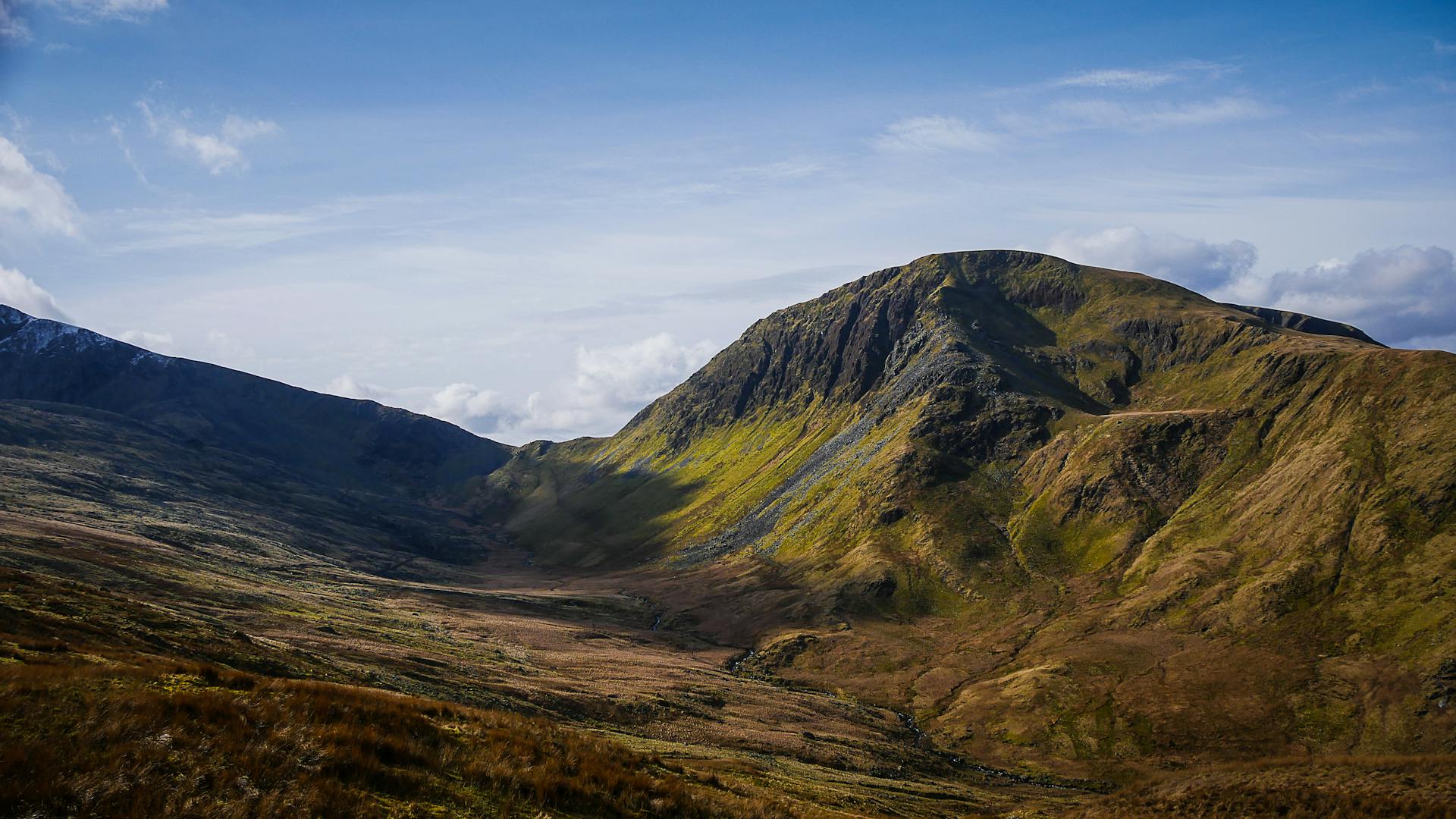
Snowdonia, located in North Wales, is a mesmerizing national park renowned for its stunning mountainous landscapes and rugged beauty. At its heart stands Snowdon, the highest peak in Wales at an impressive elevation of 1,085 meters (3,560 feet) above sea level. The park covers an area of 823 square miles, encompassing diverse terrain, including glacial valleys, lakes, and ancient forests.
🌍 Geography and Ecosystem
Snowdonia encompasses a diverse landscape with various fascinating features:
- Clogwyn Du'r Arddu Cliffs: Towering rock faces renowned for their challenging climbing routes.
- Alpine Flora: Rare plants like the Snowdon lily thrive in the park's alpine zones.
- Dinorwig Slate Quarries: Abandoned quarries that offer a glimpse into Snowdonia's industrial past.
📜 History and Cultural Significance
Snowdonia's history dates back to ancient times, with evidence of human activity found in its prehistoric settlements. The park holds cultural significance as a place of myth and legend, with tales of Welsh heroes and mythical creatures adding to its allure. Snowdonia was designated a national park in 1951 to protect its natural beauty and provide a space for outdoor recreation.
🏃 Activities and Attractions
Snowdonia offers a wide range of activities for visitors of all interests and skill levels. Whether you're a seasoned adventurer or simply looking to enjoy the natural beauty, there's something for everyone:
- Hiking Trails: Explore a network of trails that lead to breathtaking viewpoints and hidden valleys.
- Rock Climbing: Test your skills on the challenging cliffs and crags of Snowdonia.
- Snowdon Mountain Railway: Enjoy a leisurely train ride to the summit of Snowdon for panoramic views.
💡 Travel Tips
Best Time to Visit: Summer months offer the best weather for outdoor activities, but spring and autumn showcase Snowdonia's beauty with blooming flowers and vibrant foliage.
What to Bring: Sturdy hiking boots, waterproof clothing, and a map of the area are essential.
Getting There: Snowdonia is accessible by car, bus, or train, with major entry points in towns like Betws-y-Coed and Llanberis.
Accommodation: Options range from cozy B&Bs to campsites within the park.
🌱 Conservation
Snowdonia National Park is committed to preserving its natural heritage for future generations. Visitors are urged to follow Leave No Trace principles to minimize their impact on the environment. Conservation efforts focus on restoring habitats, managing visitor numbers, and promoting sustainable tourism practices.
✨ Conclusion
Snowdonia's captivating blend of rugged beauty, rich history, and outdoor adventures make it a destination like no other. Whether you seek the thrill of scaling rocky peaks or the tranquility of lakeside strolls, Snowdonia offers a diverse and enchanting experience that is sure to leave a lasting impression on all who visit.


