

Sahara Liwa
Sahara Liwa, often simply referred to as Liwa, is a vast and striking desert region located in the western part of the United Arab Emirates, within the emirate of Abu Dhabi. Known for its expansive sand dunes, rich cultural heritage, and unique natural features, Sahara Liwa represents one of the most iconic desert landscapes in the UAE. The area offers a fascinating blend of natural beauty and traditional Bedouin culture, making it a popular destination for adventure seekers, nature enthusiasts, and those interested in exploring the UAE’s desert heritage. This guide provides an in-depth look at the geography, history, attractions, travel tips, conservation efforts, and visitor experiences associated with Sahara Liwa.
🌍 Geography and Natural Features
The geography of Sahara Liwa is characterized by its stunning desert landscapes, including some of the UAE’s tallest sand dunes and unique natural formations.
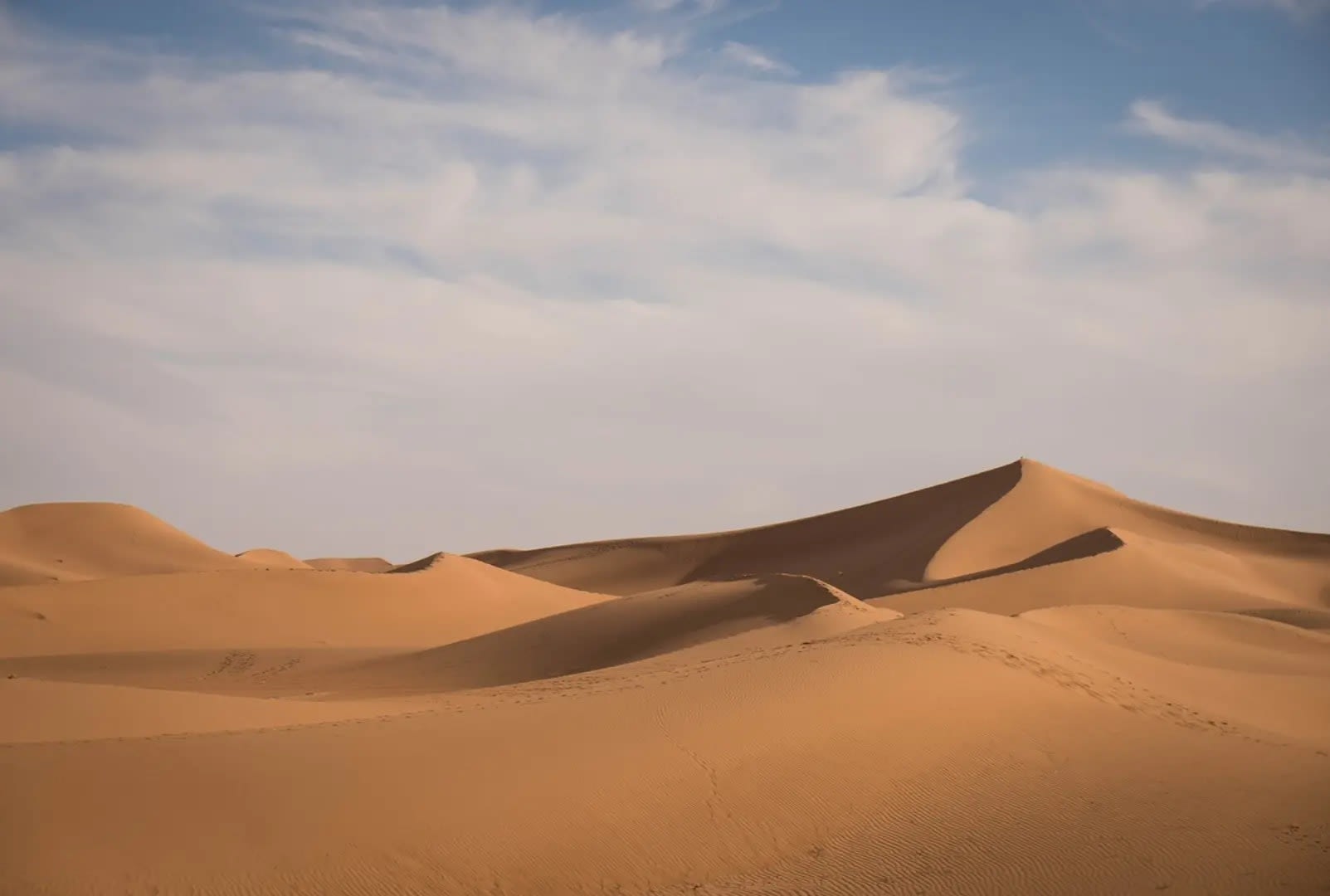
- Desert Landscape: Sahara Liwa is part of the Rub' al Khali, or Empty Quarter, one of the largest sand deserts in the world. The region features vast stretches of rolling sand dunes, some reaching heights of over 100 meters. The dunes create a dynamic and ever-changing landscape, shaped by the wind and shifting sands.
- Climate and Weather: The climate in Sahara Liwa is characterized by extreme temperatures and arid conditions. Summers are incredibly hot, with temperatures often exceeding 45°C (113°F). Winters are cooler, with temperatures dropping significantly at night. The desert experiences very little rainfall, contributing to its dry and dusty environment.
- Flora and Fauna: Despite its harsh conditions, Sahara Liwa supports a variety of plant and animal life adapted to the desert environment. Vegetation includes hardy desert shrubs and grasses that can withstand the arid conditions. Wildlife in the region includes desert foxes, gazelles, and various bird species adapted to the desert habitat.
📜 History and Cultural Significance
The history and cultural significance of Sahara Liwa are deeply intertwined with the traditional Bedouin way of life and the historical importance of the desert region.
Bedouin Heritage: The Liwa Oasis has been a crucial part of Bedouin culture and history for centuries. The oasis provided a vital source of water and sustenance for the nomadic Bedouin tribes who traveled through the desert. Traditional Bedouin life revolved around the desert’s resources, including camel herding and trade.
Historical Sites: Within Sahara Liwa, there are several historical sites and archaeological remains that offer insights into the region’s past. These include ancient wells, traditional desert dwellings, and historical trading routes that highlight the importance of the oasis in regional trade and culture.
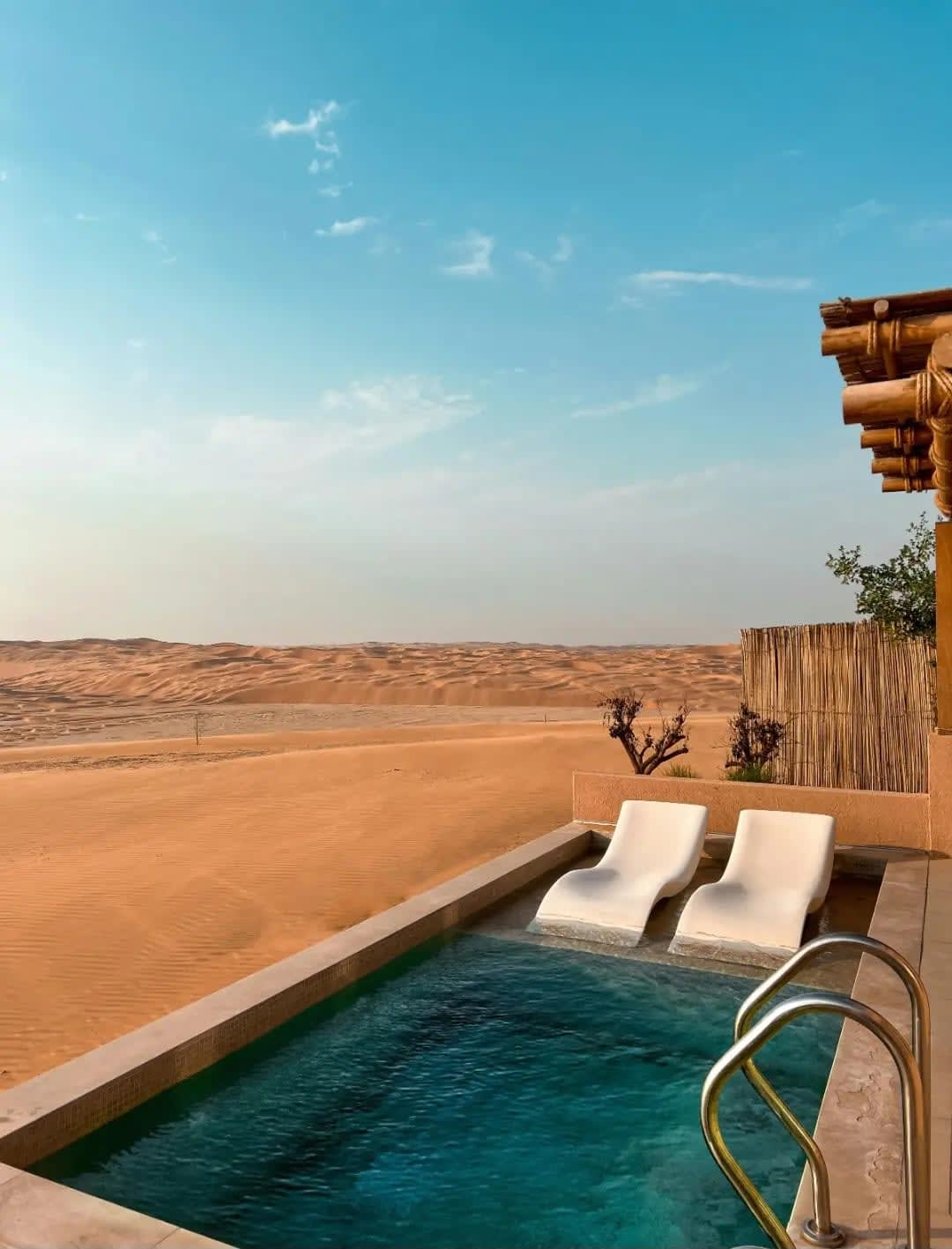
Modern Development: In recent years, Sahara Liwa has seen development efforts aimed at preserving its natural beauty while promoting tourism. The introduction of eco-friendly resorts and cultural initiatives has helped to balance the needs of conservation with those of tourism and local communities.
Bedouin Heritage: The Liwa Oasis has been a crucial part of Bedouin culture and history for centuries. The oasis provided a vital source of water and sustenance for the nomadic Bedouin tribes who traveled through the desert. Traditional Bedouin life revolved around the desert’s resources, including camel herding and trade.
Historical Sites: Within Sahara Liwa, there are several historical sites and archaeological remains that offer insights into the region’s past. These include ancient wells, traditional desert dwellings, and historical trading routes that highlight the importance of the oasis in regional trade and culture.
Modern Development: In recent years, Sahara Liwa has seen development efforts aimed at preserving its natural beauty while promoting tourism. The introduction of eco-friendly resorts and cultural initiatives has helped to balance the needs of conservation with those of tourism and local communities.
🏃 Activities and Attractions
Sahara Liwa offers a variety of activities and attractions that cater to those interested in exploring the desert environment and experiencing traditional Bedouin culture.
- Sand Dune Adventures: The towering sand dunes of Sahara Liwa provide ample opportunities for adventure activities such as dune bashing, sandboarding, and quad biking. These activities allow visitors to experience the thrill of navigating the desert’s dramatic terrain and enjoy the unique landscape from a different perspective.
- Camel Rides: Camel riding is a traditional desert experience that offers a glimpse into the Bedouin way of life. Visitors can take guided camel rides through the dunes, enjoying the serene beauty of the desert and learning about its cultural significance.
- Desert Camping: Spending a night in a desert camp is a popular way to experience the tranquility of Sahara Liwa. Many camps offer traditional Bedouin-style accommodations, complete with comfortable tents, communal dining areas, and cultural entertainment such as music and dance performances.
💡 Travel Tips
To ensure a safe and enjoyable visit to Sahara Liwa, consider the following travel tips:
Best Time to Visit: The best time to visit Sahara Liwa is during the cooler months from November to March. During this period, temperatures are more manageable, and outdoor activities are more comfortable. Summer temperatures can be extremely high, making daytime activities challenging.
Getting There: Sahara Liwa is accessible by car from Abu Dhabi and other nearby cities. The drive to the desert involves traveling on paved and unpaved roads, so it is advisable to use a 4x4 vehicle. Ensure that your vehicle is in good condition and equipped for desert driving.
What to Bring: Bring appropriate clothing for the desert environment, including lightweight, breathable fabrics, and warm layers for cooler nights. Sunscreen, a hat, and sunglasses are essential for sun protection. If you plan to engage in adventure activities, ensure you have the necessary gear and follow safety guidelines.
Best Time to Visit: The best time to visit Sahara Liwa is during the cooler months from November to March. During this period, temperatures are more manageable, and outdoor activities are more comfortable. Summer temperatures can be extremely high, making daytime activities challenging.
Getting There: Sahara Liwa is accessible by car from Abu Dhabi and other nearby cities. The drive to the desert involves traveling on paved and unpaved roads, so it is advisable to use a 4x4 vehicle. Ensure that your vehicle is in good condition and equipped for desert driving.
What to Bring: Bring appropriate clothing for the desert environment, including lightweight, breathable fabrics, and warm layers for cooler nights. Sunscreen, a hat, and sunglasses are essential for sun protection. If you plan to engage in adventure activities, ensure you have the necessary gear and follow safety guidelines.
🌱 Conservation
Conservation efforts in Sahara Liwa focus on preserving the delicate desert ecosystem and maintaining the region’s natural beauty while accommodating tourism and recreational activities.
Protecting Natural Resources: Efforts are made to protect the desert’s natural resources, including its sand dunes, flora, and fauna. This involves managing visitor impact, controlling waste, and ensuring that activities do not disrupt the delicate balance of the desert ecosystem.
Sustainable Tourism: Promoting sustainable tourism practices is crucial for preserving Sahara Liwa’s natural beauty. This includes encouraging responsible behavior among visitors, supporting eco-friendly initiatives, and educating tourists about the importance of conserving the desert environment. Sustainable practices help maintain the integrity of the landscape while allowing for tourism.
Protecting Natural Resources: Efforts are made to protect the desert’s natural resources, including its sand dunes, flora, and fauna. This involves managing visitor impact, controlling waste, and ensuring that activities do not disrupt the delicate balance of the desert ecosystem.
Sustainable Tourism: Promoting sustainable tourism practices is crucial for preserving Sahara Liwa’s natural beauty. This includes encouraging responsible behavior among visitors, supporting eco-friendly initiatives, and educating tourists about the importance of conserving the desert environment. Sustainable practices help maintain the integrity of the landscape while allowing for tourism.
✨ Conclusion
Sahara Liwa represents one of the UAE’s most iconic and captivating desert landscapes, offering a blend of natural beauty, cultural heritage, and adventure. As part of the Rub' al Khali, the region’s vast sand dunes and unique desert environment provide a striking contrast to the urban landscapes of the UAE. The ongoing conservation efforts and sustainable tourism practices ensure that Sahara Liwa remains a cherished destination for both locals and visitors. Whether you seek thrilling desert adventures, cultural experiences, or simply a peaceful retreat into the heart of the desert, Sahara Liwa offers an unforgettable journey into the UAE’s rich desert heritage.