
Jebel Jais
Jebel Jais, standing as the highest peak in the United Arab Emirates, is a striking mountain located in the Hajar Range in the northern part of the country. Rising to an elevation of 1,934 meters (6,345 feet), Jebel Jais offers breathtaking views, diverse outdoor activities, and a unique escape from the UAE’s typical desert landscapes. Located in Ras Al Khaimah, this mountain has become a popular destination for adventure seekers and nature enthusiasts alike. The following guide explores the geography, history, attractions, travel tips, conservation efforts, and visitor experiences associated with Jebel Jais.
🌍 Geography and Natural Features
Jebel Jais is renowned for its dramatic landscapes and striking elevation, offering a diverse range of natural features that attract visitors year-round.
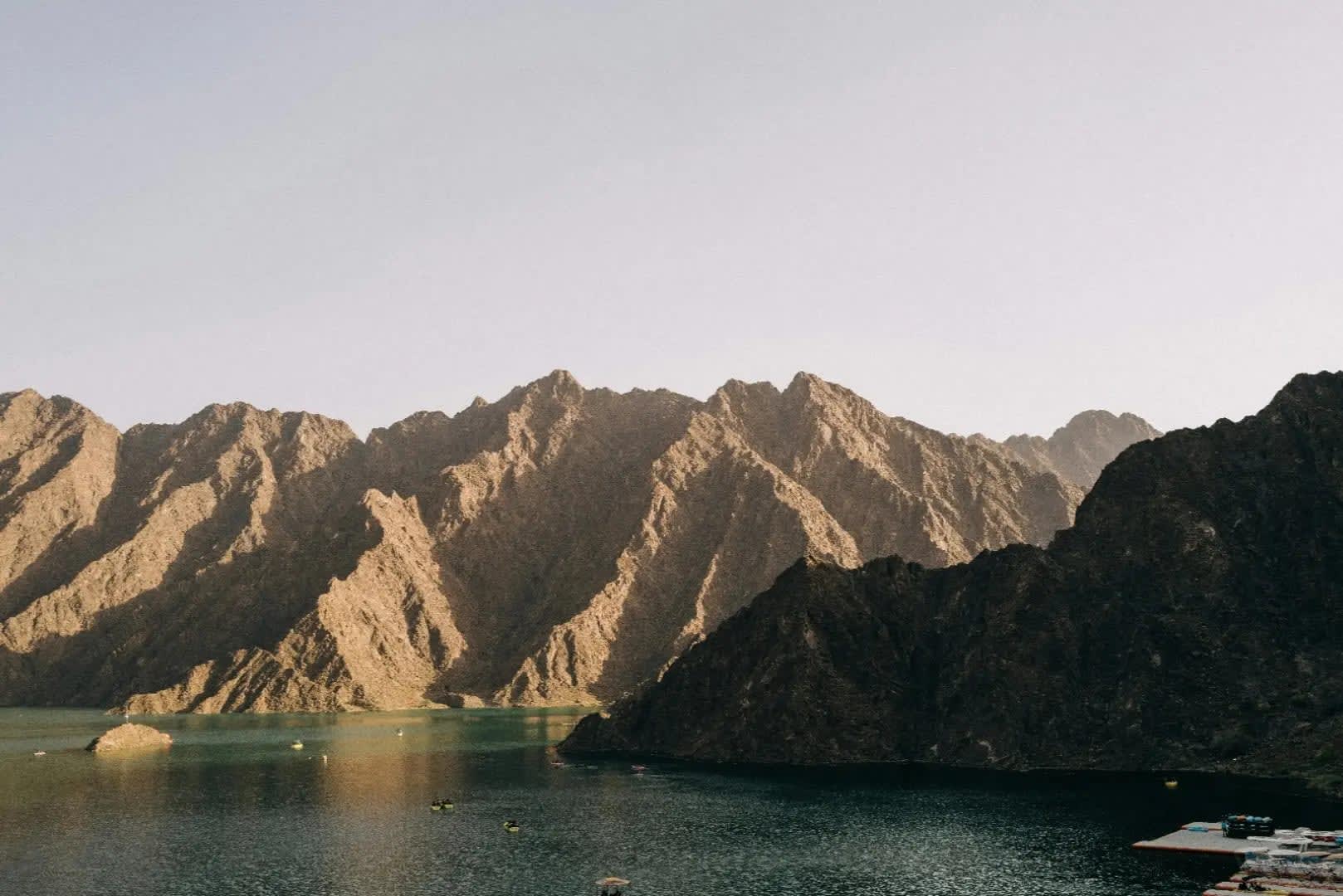
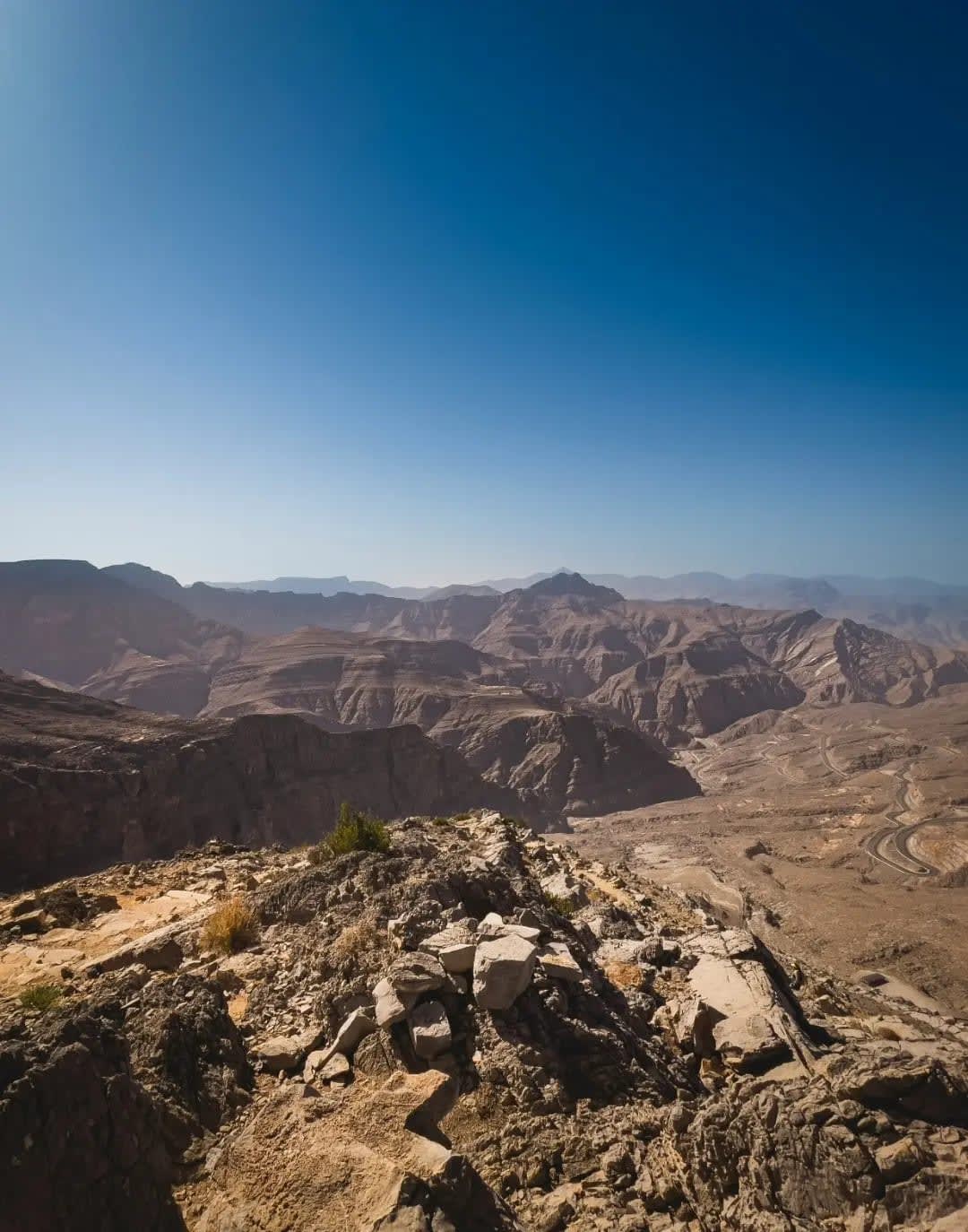
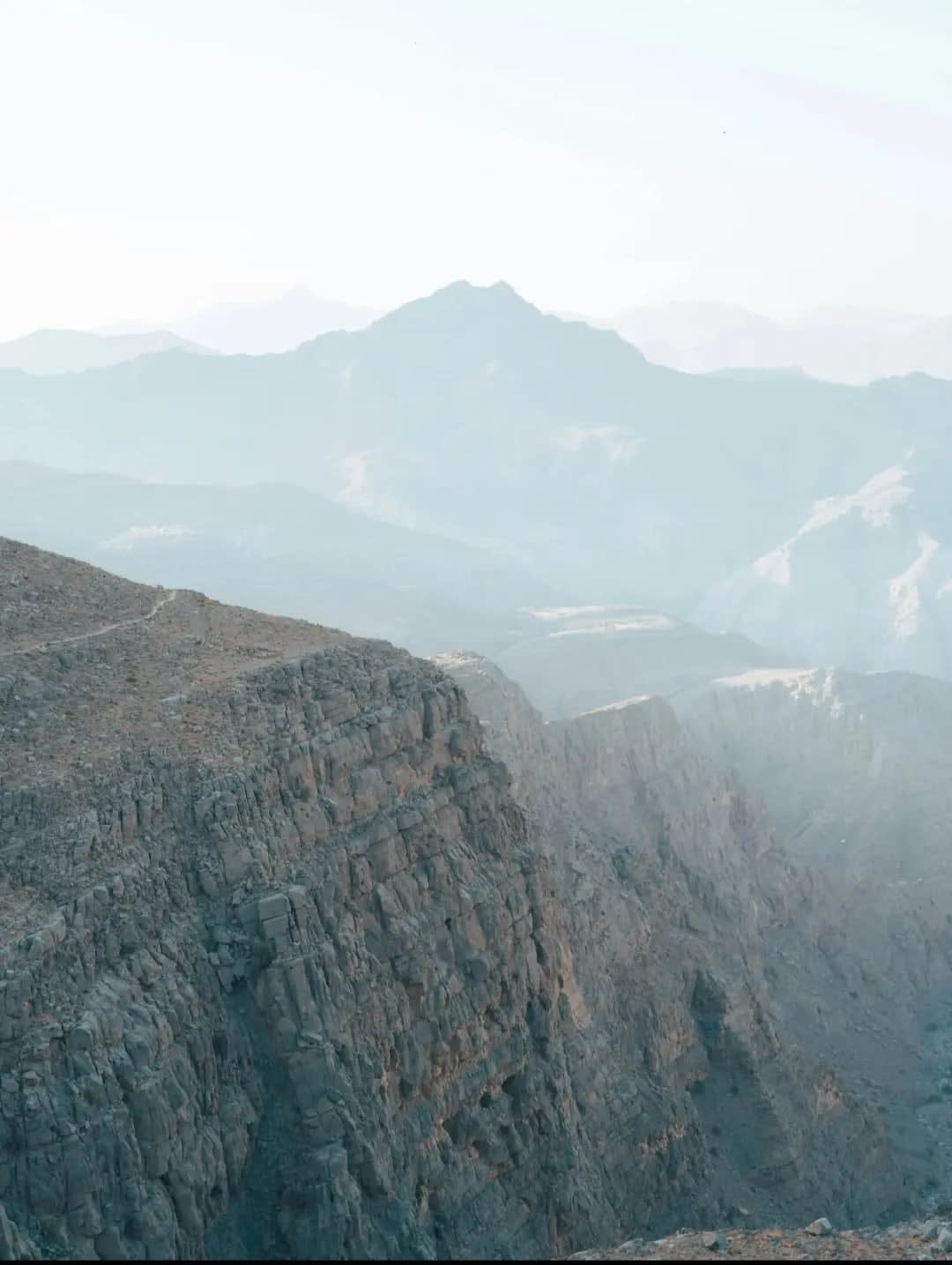
- Mountain Range: Jebel Jais is part of the Hajar Mountains, which stretch across the eastern part of the UAE and into Oman. This mountain range is characterized by rugged terrain, deep valleys, and steep slopes. Jebel Jais itself rises to an elevation of 1,934 meters, making it the highest peak in the UAE and offering panoramic views of the surrounding landscape.
- Climate and Weather: The climate at Jebel Jais differs significantly from the rest of the UAE. Due to its elevation, temperatures are cooler compared to the desert regions below. In winter, temperatures can drop below freezing, and snowfall is occasionally observed. Summer temperatures are milder compared to the lowlands, making it a year-round destination for outdoor activities.
- Flora and Fauna: The cooler temperatures and higher altitude create a unique environment for a variety of plant and animal species. The flora includes hardy mountain shrubs and grasses adapted to the arid conditions. Wildlife sightings include various bird species and small mammals adapted to the mountainous habitat.
📜 History and Cultural Significance
Jebel Jais holds historical and cultural significance for the region, reflecting the UAE's rich heritage and evolving landscape.
Historical Importance: The Hajar Mountains, including Jebel Jais, have been a significant geographic feature in the UAE for centuries. Historically, these mountains served as a natural barrier and a source of water for the surrounding regions. The area has long been inhabited by local communities who relied on the mountains for resources and protection.
Development and Tourism: In recent years, Jebel Jais has undergone significant development to enhance its appeal as a tourist destination. The UAE government has invested in infrastructure and facilities to promote tourism and provide visitors with a range of activities. This development has included the construction of viewing platforms, road improvements, and the introduction of adventure sports.
Historical Importance: The Hajar Mountains, including Jebel Jais, have been a significant geographic feature in the UAE for centuries. Historically, these mountains served as a natural barrier and a source of water for the surrounding regions. The area has long been inhabited by local communities who relied on the mountains for resources and protection.
Development and Tourism: In recent years, Jebel Jais has undergone significant development to enhance its appeal as a tourist destination. The UAE government has invested in infrastructure and facilities to promote tourism and provide visitors with a range of activities. This development has included the construction of viewing platforms, road improvements, and the introduction of adventure sports.
🏃 Activities and Attractions
Jebel Jais offers a variety of activities and attractions that cater to adventure enthusiasts and nature lovers.
- Jebel Jais Via Ferrata: The Jebel Jais Via Ferrata is one of the most popular attractions, offering a thrilling climbing experience on a secured route. This via ferrata includes various sections with different difficulty levels, providing climbers with the opportunity to scale the mountain while enjoying stunning views of the surrounding landscape.
- Zipline: The Jebel Jais Zipline, known as the world’s longest zipline, is a major draw for adventure seekers. Spanning over 2.8 kilometers and reaching speeds of up to 150 kilometers per hour, the zipline offers an exhilarating experience and unparalleled views of the mountain and valley below.
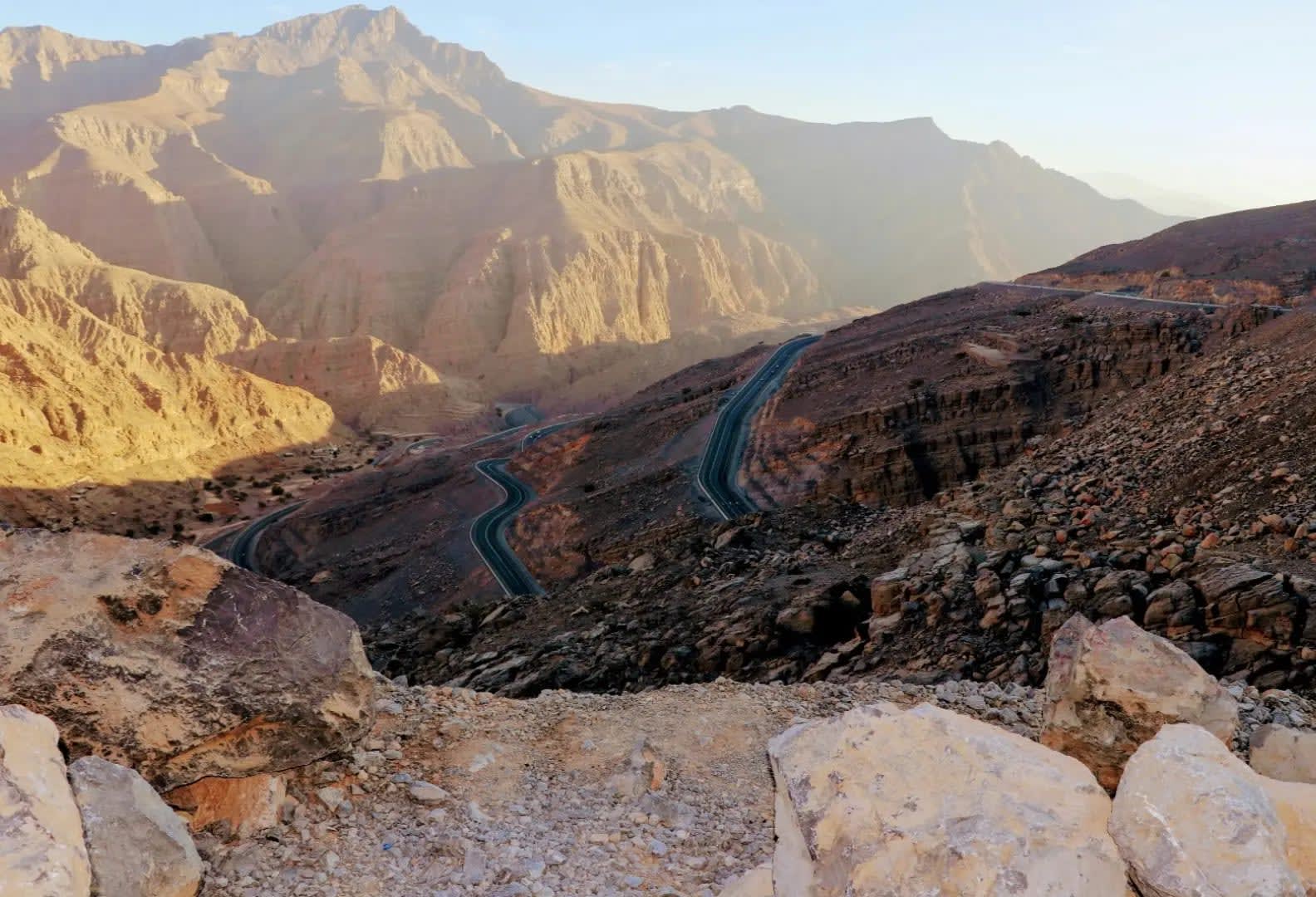
- Scenic Drives and Viewing Points: Visitors can enjoy scenic drives up the mountain, with designated viewing points providing panoramic vistas of the Hajar Mountains and the surrounding desert landscape. The views are particularly striking at sunrise and sunset, offering a memorable experience for photographers and nature enthusiasts.
💡 Travel Tips
To ensure a safe and enjoyable visit to Jebel Jais, consider the following travel tips:
Best Time to Visit: The best time to visit Jebel Jais is during the cooler months from November to March. During this period, temperatures are more comfortable for outdoor activities and exploring the mountain. Summer temperatures can be quite high, making it less suitable for some activities.
Getting There: Jebel Jais is accessible by car from Ras Al Khaimah and other nearby cities. The drive to the mountain is well-signposted, and the roads are in good condition. Ensure your vehicle is suitable for mountainous driving and be prepared for varying weather conditions.
What to Bring: Bring appropriate clothing for varying temperatures, including warm layers for cooler weather. If you plan to participate in adventure activities, ensure you have the necessary gear and follow safety guidelines. Additionally, carry plenty of water, snacks, and sun protection for your trip.
Best Time to Visit: The best time to visit Jebel Jais is during the cooler months from November to March. During this period, temperatures are more comfortable for outdoor activities and exploring the mountain. Summer temperatures can be quite high, making it less suitable for some activities.
Getting There: Jebel Jais is accessible by car from Ras Al Khaimah and other nearby cities. The drive to the mountain is well-signposted, and the roads are in good condition. Ensure your vehicle is suitable for mountainous driving and be prepared for varying weather conditions.
What to Bring: Bring appropriate clothing for varying temperatures, including warm layers for cooler weather. If you plan to participate in adventure activities, ensure you have the necessary gear and follow safety guidelines. Additionally, carry plenty of water, snacks, and sun protection for your trip.
🌱 Conservation
Conservation efforts at Jebel Jais focus on preserving the natural beauty and ecological balance of the mountain while accommodating tourism and recreational activities.
Environmental Protection: Efforts are made to minimize the environmental impact of tourism on Jebel Jais. This includes managing visitor numbers, controlling waste, and ensuring that activities do not disturb the local flora and fauna. Conservation programs aim to preserve the mountain’s natural ecosystems for future generations.
Sustainable Tourism: Promoting sustainable tourism practices is key to protecting Jebel Jais. This involves encouraging responsible behavior among visitors, supporting eco-friendly initiatives, and educating tourists about the importance of preserving the natural environment. Sustainable practices help maintain the balance between tourism and conservation.
Environmental Protection: Efforts are made to minimize the environmental impact of tourism on Jebel Jais. This includes managing visitor numbers, controlling waste, and ensuring that activities do not disturb the local flora and fauna. Conservation programs aim to preserve the mountain’s natural ecosystems for future generations.
Sustainable Tourism: Promoting sustainable tourism practices is key to protecting Jebel Jais. This involves encouraging responsible behavior among visitors, supporting eco-friendly initiatives, and educating tourists about the importance of preserving the natural environment. Sustainable practices help maintain the balance between tourism and conservation.
✨ Conclusion
Jebel Jais stands as a remarkable testament to the UAE’s diverse natural landscape, offering a unique blend of adventure and natural beauty. As the highest peak in the country, it provides stunning vistas, thrilling activities, and a refreshing escape from the urban environment. The ongoing conservation efforts and development of tourism infrastructure ensure that Jebel Jais remains a cherished destination for both locals and visitors. Whether you seek adrenaline-pumping adventures or serene scenic views, Jebel Jais offers an unforgettable experience that highlights the UAE’s rich natural heritage.