

Van Gölü
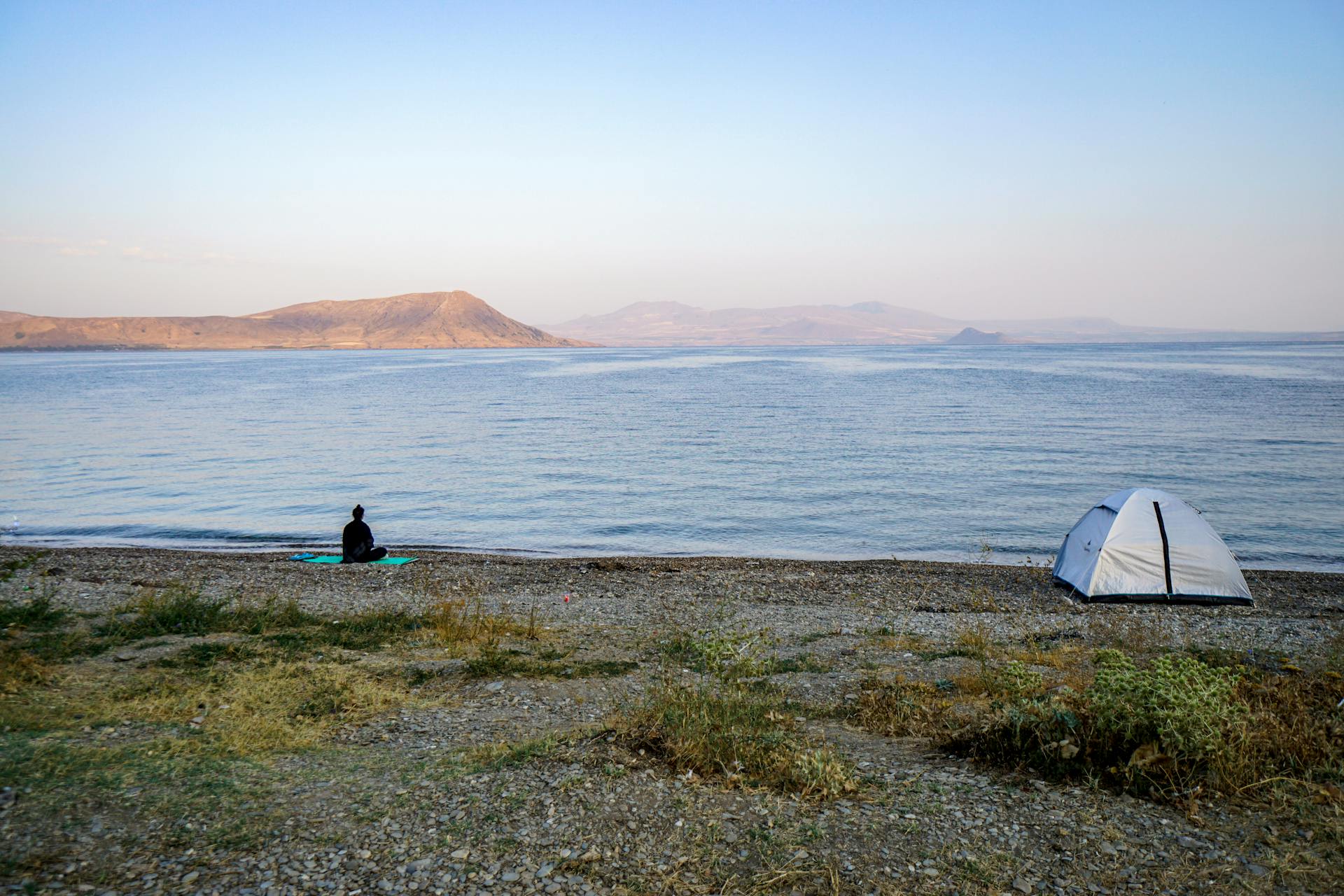
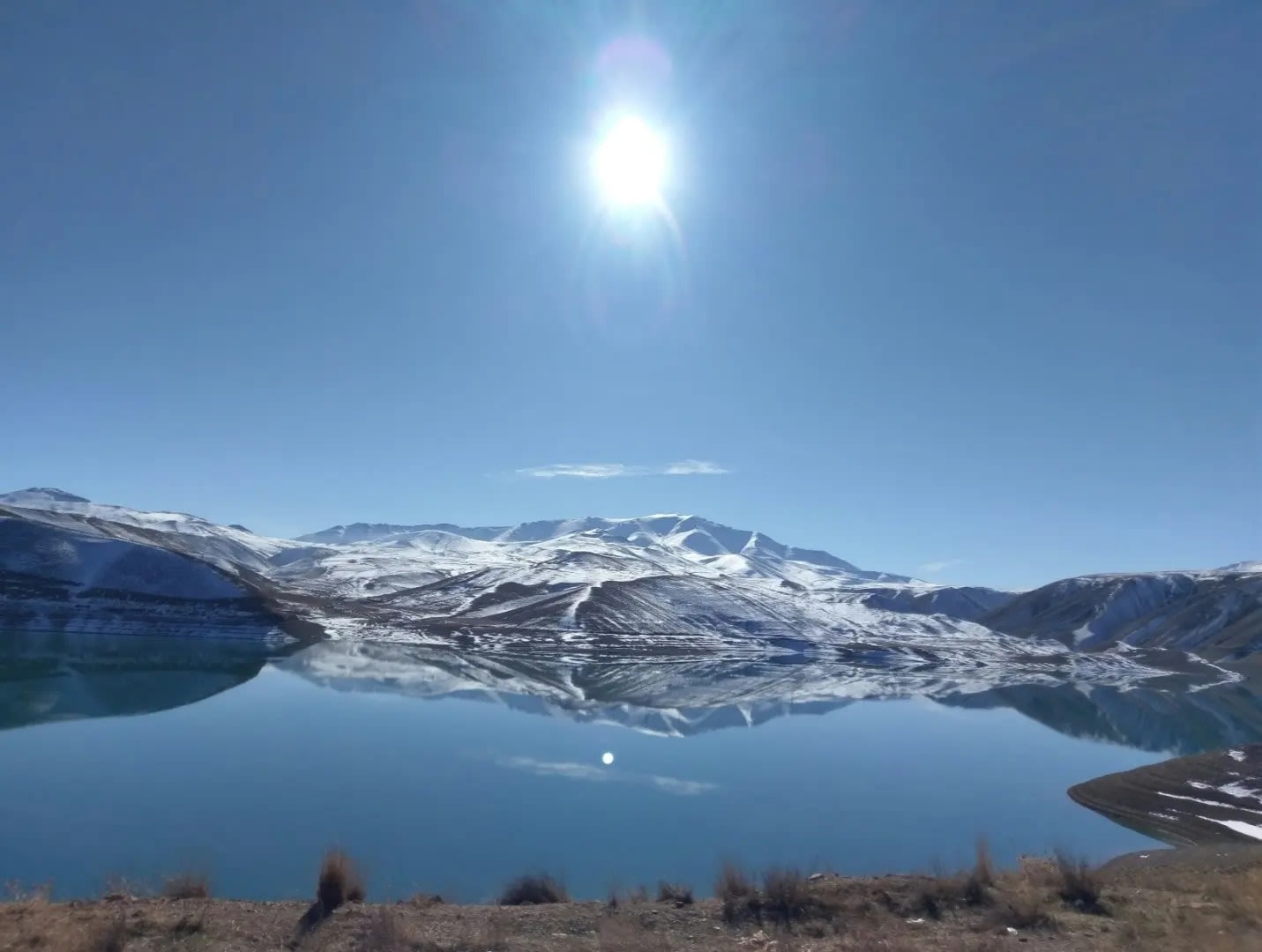
Van Gölü, also known as Lake Van, is a stunning saline lake located in the eastern part of Turkey, near the city of Van. It is the largest lake in Turkey and one of the largest in the region, known for its unique geographical features and rich history. Surrounded by volcanic mountains and with a deep blue color, Lake Van offers breathtaking views and a range of activities for nature lovers and history enthusiasts alike.
🌍 Geography and Ecosystem
Lake Van is characterized by its impressive size and distinctive features:
- Size and Depth: Lake Van is Turkey's largest lake, covering an area of approximately 3,755 square kilometers. It is also one of the largest endorheic (saltwater) lakes in the world, with a maximum depth of around 450 meters.
- Volcanic Origins: The lake is situated in a region with volcanic activity, and its surroundings include several volcanic peaks, such as Mount Erciyes and Mount Süphan. The volcanic soil contributes to the unique landscapes and natural beauty of the area.
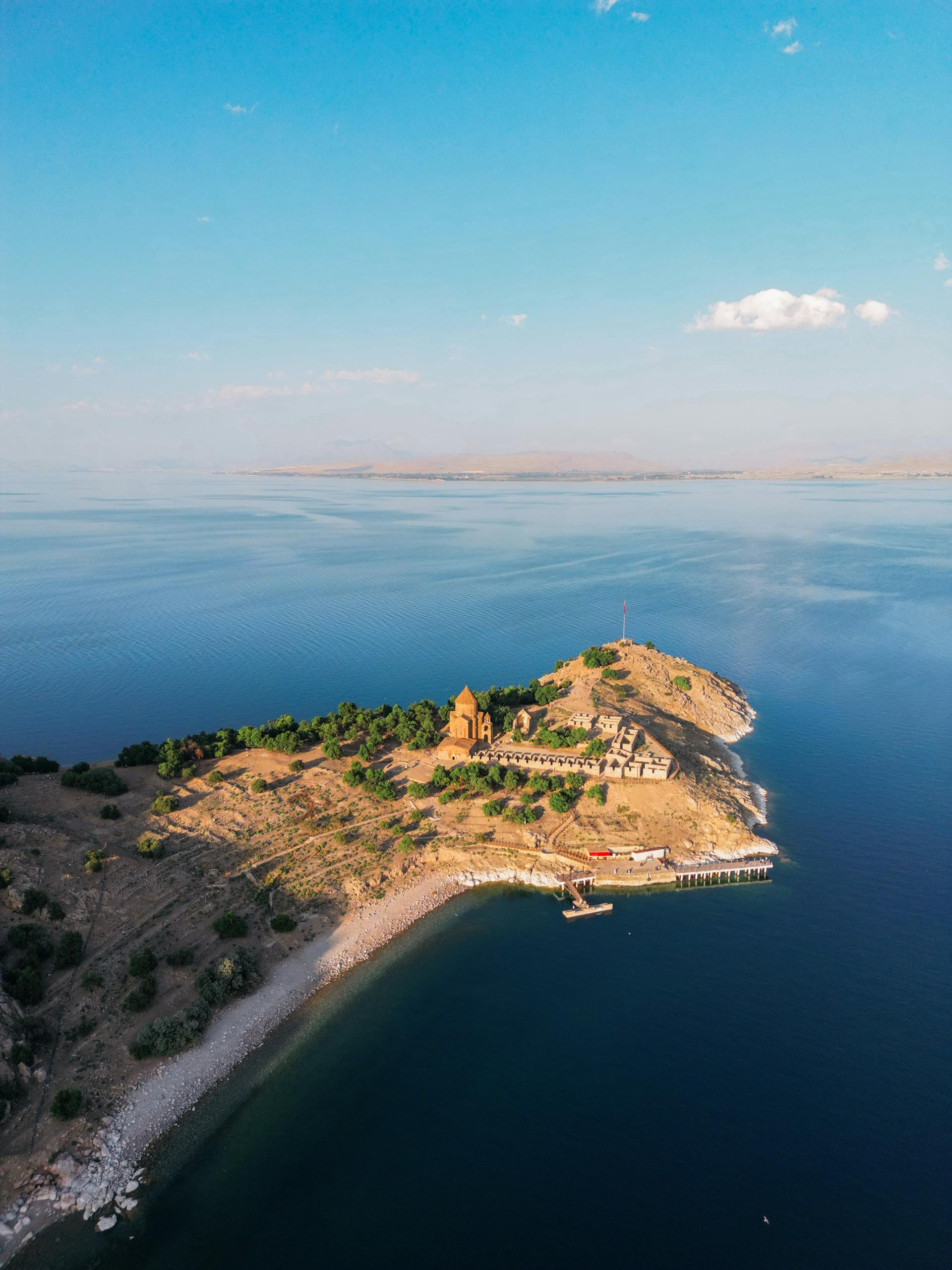
- Island of Akdamar: Located in the southwestern part of the lake, Akdamar Island is home to the historic Church of the Holy Cross, an important Armenian architectural and cultural site. The island is accessible by boat and offers scenic views of the lake and surrounding mountains.
- Flora and Fauna: The lake's ecosystem supports various species of birds, fish, and plants. It is an important site for migratory birds, and the surrounding landscape includes diverse vegetation adapted to the region's climate.
📜 History and Cultural Significance
Van Gölü has been a significant site throughout history, with its rich cultural and historical background:
Ancient Settlements: The area around Lake Van has been inhabited since ancient times, with archaeological evidence of settlements dating back to the Urartian Kingdom, which flourished in the region between the 9th and 6th centuries BC.
Akdamar Island and the Church of the Holy Cross: The Church of the Holy Cross, located on Akdamar Island, was built in the 10th century and is an important example of Armenian architecture. The church is renowned for its intricate carvings and frescoes, and it is a key cultural and historical site for Armenians.
Ottoman Period: During the Ottoman era, Lake Van and its surrounding regions were known for their strategic importance and cultural significance. The lake was a major center for trade and cultural exchange.
Ancient Settlements: The area around Lake Van has been inhabited since ancient times, with archaeological evidence of settlements dating back to the Urartian Kingdom, which flourished in the region between the 9th and 6th centuries BC.
Akdamar Island and the Church of the Holy Cross: The Church of the Holy Cross, located on Akdamar Island, was built in the 10th century and is an important example of Armenian architecture. The church is renowned for its intricate carvings and frescoes, and it is a key cultural and historical site for Armenians.
Ottoman Period: During the Ottoman era, Lake Van and its surrounding regions were known for their strategic importance and cultural significance. The lake was a major center for trade and cultural exchange.
🏃 Activities and Attractions
Van Gölü offers a range of activities and attractions for visitors to enjoy:
- Boat Tours: Boat tours are a popular way to explore Lake Van and its islands. Tours often include visits to Akdamar Island and the Church of the Holy Cross, providing a unique perspective on the lake and its surroundings.
- Hiking and Nature Walks: The area around Lake Van offers several hiking trails with scenic views of the lake and the surrounding volcanic landscapes. Trails vary in difficulty, catering to both casual walkers and experienced hikers.
- Wildlife Watching: The lake and its surroundings are home to various species of birds and wildlife. Birdwatching is a popular activity, especially during migration periods when the lake attracts numerous migratory species.
- Photography: The striking landscapes and historical sites around Lake Van provide excellent opportunities for photography. Capturing the lake's deep blue waters, the volcanic mountains, and the ancient structures offers memorable images of the region.
💡 Travel Tips
How to Get There: Lake Van is located in eastern Turkey, near the city of Van. The nearest airport is Van Ferit Melen Airport (VAN), which has domestic flights from Istanbul and other major cities. From the airport, you can reach the lake by taxi or rental car.
Best Time to Visit: The best times to visit Lake Van are during the spring (April to June) and fall (September to October) when the weather is mild and pleasant. Summer can be hot, while winter may bring cold temperatures and snow.
What to Bring: Bring comfortable clothing for outdoor activities, a hat, sunscreen, and a camera for capturing the stunning scenery. If you plan to take boat tours or hikes, appropriate footwear and layered clothing are recommended.
Accommodation and Services: The city of Van offers a range of accommodation options, from hotels to guesthouses. Many accommodations provide easy access to the lake and offer additional services such as guided tours and transportation.
Best Time to Visit: The best times to visit Lake Van are during the spring (April to June) and fall (September to October) when the weather is mild and pleasant. Summer can be hot, while winter may bring cold temperatures and snow.
What to Bring: Bring comfortable clothing for outdoor activities, a hat, sunscreen, and a camera for capturing the stunning scenery. If you plan to take boat tours or hikes, appropriate footwear and layered clothing are recommended.
Accommodation and Services: The city of Van offers a range of accommodation options, from hotels to guesthouses. Many accommodations provide easy access to the lake and offer additional services such as guided tours and transportation.
🌱 Conservation
Van Gölü is a significant natural and cultural site, and conservation efforts are crucial to preserving its beauty and ecological balance. Visitors should follow Leave No Trace principles by avoiding littering, respecting local wildlife, and adhering to designated areas. Efforts are made to protect the lake's unique ecosystem, historical sites, and surrounding landscapes from environmental degradation and overuse. By practicing responsible tourism, visitors can help ensure that Lake Van remains a pristine and remarkable destination for future generations.
✨ Conclusion
Van Gölü, with its vast waters, volcanic surroundings, and historical sites, offers a unique and captivating experience for travelers. Whether you're exploring the ancient ruins of Akdamar Island, hiking through the scenic landscapes, or simply enjoying the tranquil beauty of the lake, Lake Van provides a memorable destination rich in natural and cultural significance. As you visit this remarkable area, remember to respect its environment and contribute to its preservation. Lake Van is a true gem of Turkey, combining breathtaking landscapes with a rich historical legacy.


