
Ağrı Dağı
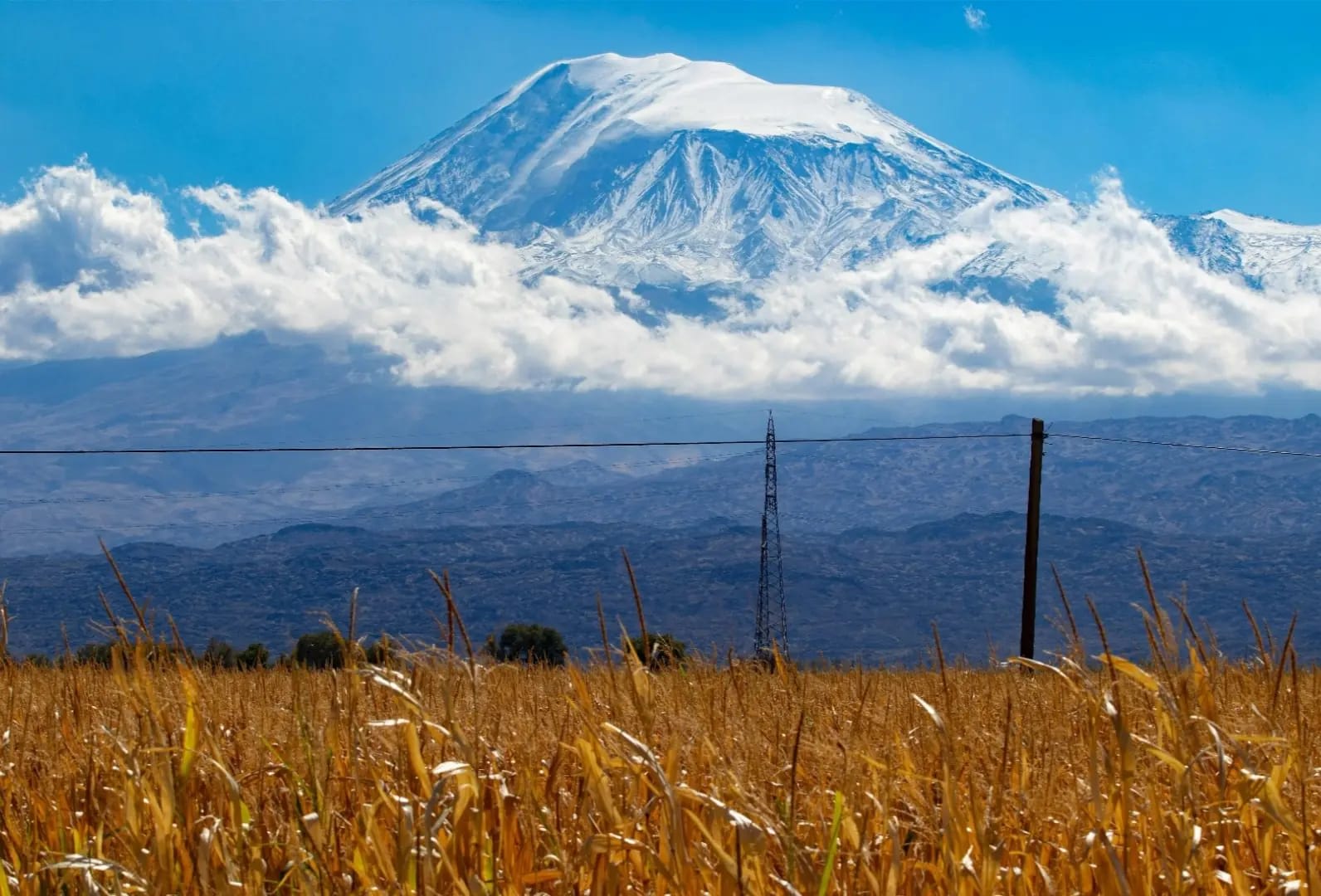
Ağrı Dağı, also known as Mount Ararat, is the highest peak in Turkey and one of the most iconic mountains in the region. Standing at 5,137 meters (16,854 feet), it is located in eastern Turkey near the borders with Armenia and Iran. The mountain is renowned for its dramatic snow-capped peak and its significance in various cultural and religious traditions, particularly in the Biblical story of Noah's Ark.
🌍 Geography and Ecosystem
Ağrı Dağı is a stratovolcano that dominates the landscape of eastern Anatolia. Its unique geographical features and ecosystems make it a notable natural landmark:
- Stratovolcano: Ağrı Dağı is a dormant stratovolcano, characterized by its conical shape formed by layers of lava flows, ash, and volcanic rocks. The mountain’s peak is often covered in snow and ice, even during the summer months.
- Glaciers and Ice Fields: The mountain features several glaciers and ice fields, including the Büyük (Great) and Küçük (Small) glaciers. These glaciers contribute to the mountain's dramatic appearance and are a source of glacial meltwater.
- Mountain Flora and Fauna: The lower slopes of Ağrı Dağı are covered with alpine meadows and steppe vegetation, while higher elevations host hardy plant species adapted to the harsh conditions. The region is home to wildlife such as the Anatolian leopard, wild goats, and various bird species.
📜 History and Cultural Significance
Ağrı Dağı holds a prominent place in both historical and religious contexts. The mountain is most famously associated with the Biblical story of Noah's Ark, which is said to have come to rest on its slopes after the Great Flood. The mountain has been a significant site for various cultures and civilizations throughout history, including ancient Urartians and Armenians. In modern times, Ağrı Dağı remains an important symbol in regional folklore and is a significant site for mountaineers and adventurers.
🏃 Activities and Attractions
Ağrı Dağı offers a range of activities for those interested in exploring its majestic landscape and challenging terrain:
- Mountaineering: Ağrı Dağı is a popular destination for mountaineers seeking to summit one of Turkey's most iconic peaks. The climb is challenging and requires careful preparation, including acclimatization and permits. The ascent typically takes several days, with climbers starting from the base camp and navigating through the glaciers and rocky terrain.
- Hiking: The lower slopes of the mountain offer various hiking trails with stunning views of the surrounding landscape. These trails provide opportunities to explore the alpine meadows, observe local wildlife, and experience the natural beauty of the region.
- Photography: The mountain’s striking appearance, especially its snow-capped peak against the backdrop of the surrounding landscape, makes it a fantastic destination for photographers. Sunrise and sunset are particularly spectacular times to capture the mountain’s beauty.
💡 Travel Tips
How to Get There: Ağrı Dağı is located in eastern Turkey, near the city of Ağrı. The nearest airport is Ağrı Airport (AJI), which has domestic flights connecting to major cities like Istanbul and Ankara. From the airport, it is necessary to arrange transportation to the base of the mountain.
Best Time to Visit: The climbing season for Ağrı Dağı is generally from June to September, when weather conditions are more favorable. Winter and early spring can be extremely harsh, with heavy snowfall and low temperatures.
What to Bring: Essential gear for climbing includes warm clothing, high-altitude mountaineering equipment, and sufficient food and water. For hiking, bring sturdy footwear, layered clothing, sun protection, and a camera.
Accommodation and Services: Accommodation options near Ağrı Dağı are limited, with basic lodgings available in the city of Ağrı. It is advisable to make arrangements for guides and permits in advance, as climbing Ağrı Dağı requires proper planning and authorization.
Best Time to Visit: The climbing season for Ağrı Dağı is generally from June to September, when weather conditions are more favorable. Winter and early spring can be extremely harsh, with heavy snowfall and low temperatures.
What to Bring: Essential gear for climbing includes warm clothing, high-altitude mountaineering equipment, and sufficient food and water. For hiking, bring sturdy footwear, layered clothing, sun protection, and a camera.
Accommodation and Services: Accommodation options near Ağrı Dağı are limited, with basic lodgings available in the city of Ağrı. It is advisable to make arrangements for guides and permits in advance, as climbing Ağrı Dağı requires proper planning and authorization.
🌱 Conservation
Ağrı Dağı is an environmentally sensitive area with a unique alpine ecosystem. Visitors are encouraged to practice responsible tourism by following Leave No Trace principles, including packing out all waste, respecting wildlife, and staying on designated paths. Climbing permits and regulations are in place to protect the mountain’s environment and ensure the safety of climbers. By adhering to these guidelines, visitors help preserve the natural beauty of Ağrı Dağı for future generations.
✨ Conclusion
Ağrı Dağı, or Mount Ararat, stands as a symbol of natural grandeur and historical significance. Its towering presence and dramatic landscapes offer a unique experience for adventurers and nature enthusiasts alike. Whether you’re tackling its challenging ascent, exploring its scenic lower slopes, or simply admiring its majesty from afar, Ağrı Dağı provides a profound connection to the natural world and its rich cultural heritage. As you visit this remarkable peak, remember to respect its environment and follow conservation practices to help preserve its beauty for future generations. Ağrı Dağı is not just a destination; it is a testament to the awe-inspiring power of nature and the enduring spirit of exploration.