


Pamukkale
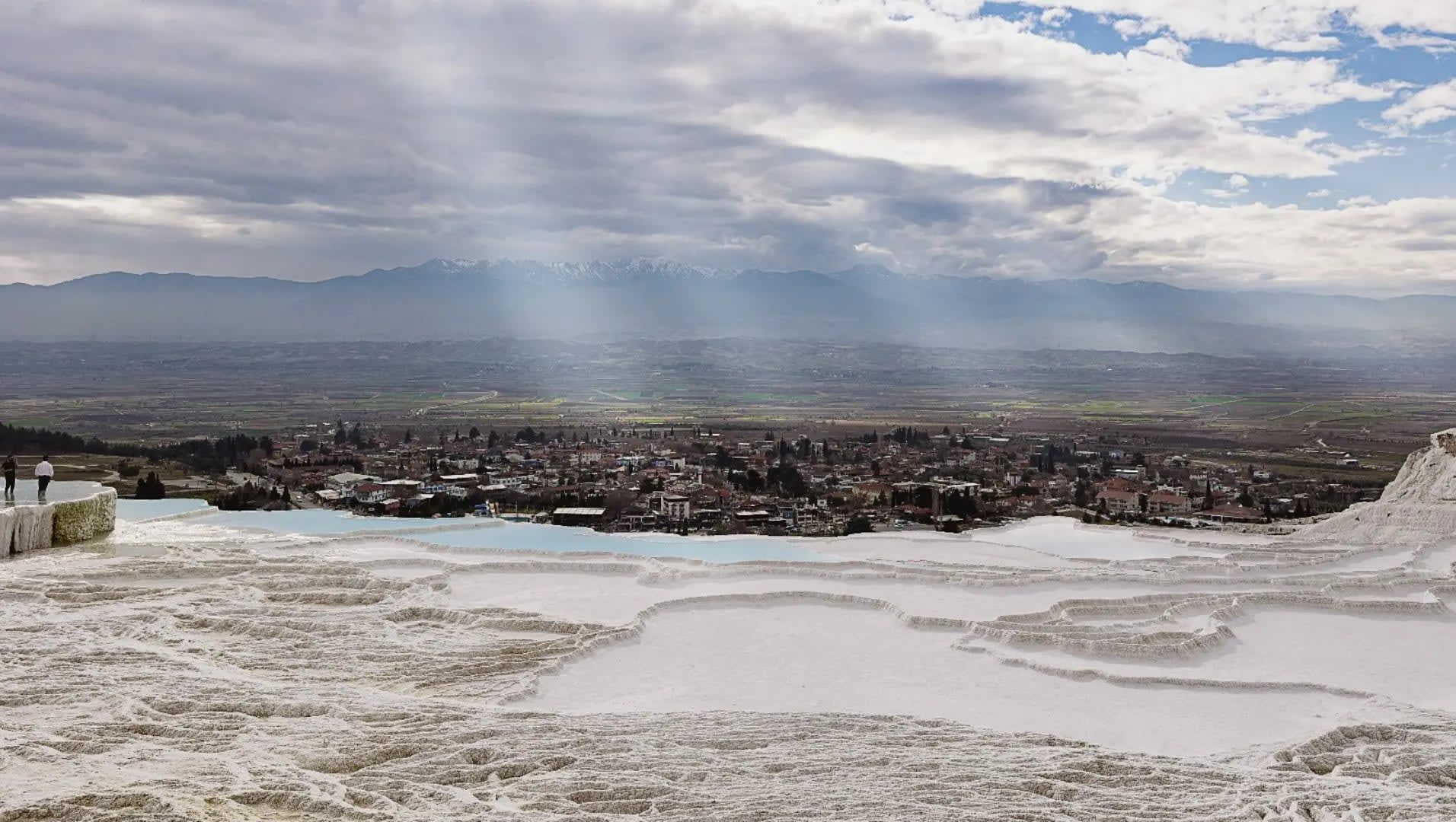
Pamukkale, located in southwestern Turkey, is renowned for its stunning white travertine terraces formed by the mineral-rich thermal waters that have flowed down the mountainside for thousands of years. Known as 'Cotton Castle' in Turkish, Pamukkale is a unique natural wonder that attracts visitors with its striking geological formations and ancient ruins. The site combines natural beauty with historical significance, making it a must-visit destination for travelers.
🌍 Geography and Ecosystem
Pamukkale's landscape is characterized by its distinctive travertine terraces and the thermal waters that create them. The area’s unique features include:
- Travertine Terraces: The terraces are formed from calcium carbonate deposits left behind as thermal spring waters flow over the cliffs. The result is a series of cascading, white mineral pools that resemble a frozen waterfall. The terraces are best visited early in the morning or late in the afternoon to avoid crowds and to experience the soft glow of the sunlight on the travertines.
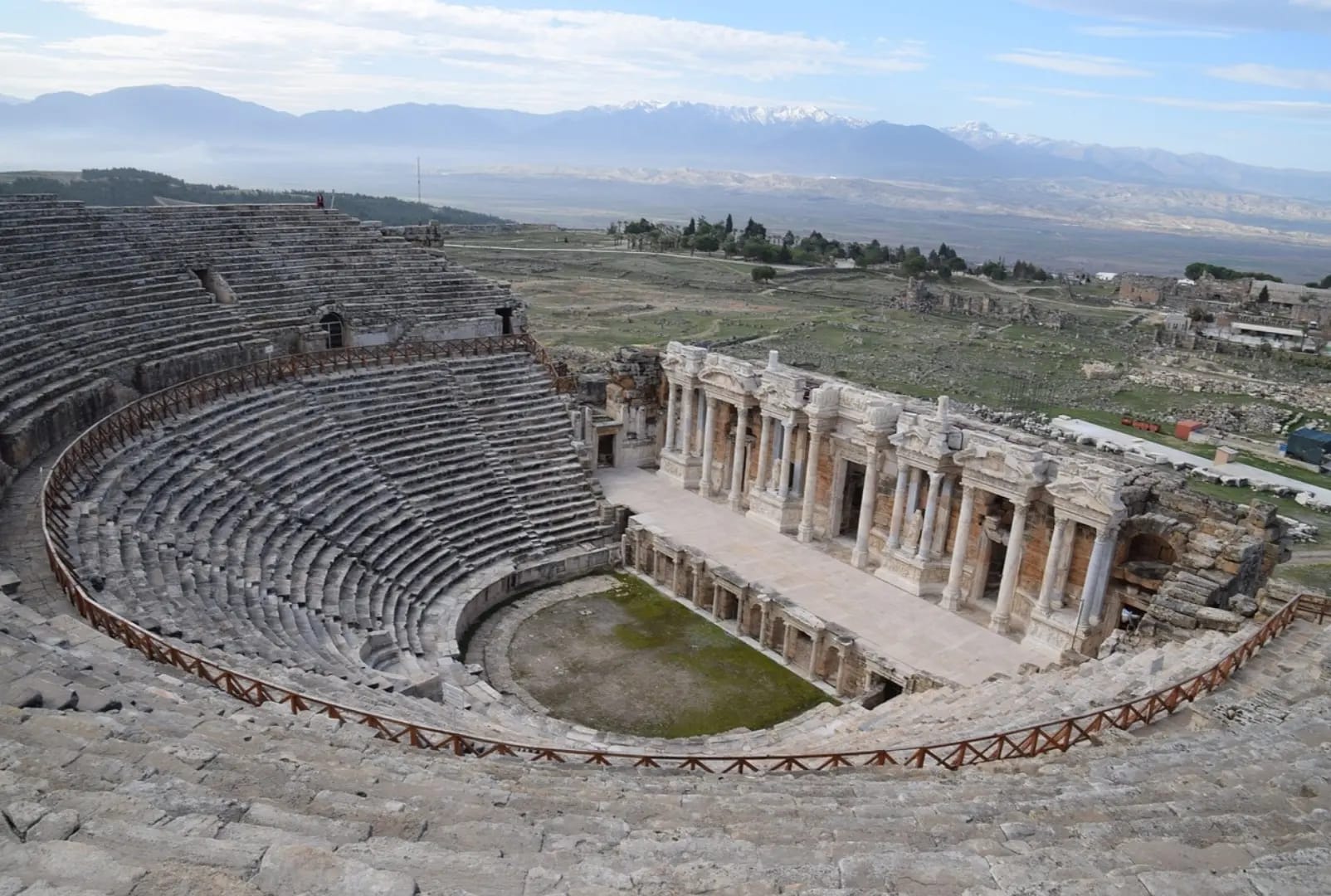
- Hierapolis Ancient City: Situated just above the travertine terraces, the ancient city of Hierapolis was established around the thermal springs. The ruins include a well-preserved Roman theater, a large ancient necropolis, and the Temple of Apollo.
- Thermal Springs: The thermal waters of Pamukkale have been used for their therapeutic properties since ancient times. Visitors can still bathe in the warm, mineral-rich waters in certain areas of the site, offering both relaxation and health benefits.
📜 History and Cultural Significance
Pamukkale has been a significant site since antiquity, with its thermal springs attracting settlers and visitors for centuries. The ancient city of Hierapolis was founded in the 2nd century BC by the Attalid dynasty of Pergamon and flourished as a spa town due to the healing properties of the thermal waters. The city was later integrated into the Roman Empire, and many of its structures, such as the theater and baths, date from this period. Hierapolis, along with Pamukkale, was designated a UNESCO World Heritage Site in 1988 due to its exceptional natural and historical value.
🏃 Activities and Attractions
Pamukkale offers a variety of activities and attractions that showcase its natural and historical significance:
- Swimming in the Thermal Pools: Visitors can enjoy bathing in the thermal pools at the base of the travertine terraces. The warm waters, rich in minerals, are believed to have therapeutic properties.
- Exploring Hierapolis: The ancient city of Hierapolis features several important historical sites, including the Roman theater, which is known for its impressive stage and seating area, and the extensive necropolis with its ancient tombs and sarcophagi.
- Walking on the Terraces: While visitors are not allowed to walk directly on the travertine terraces to preserve their pristine condition, there are designated pathways that allow for safe and enjoyable views of the terraces.
- Visiting the Antique Pool: Also known as Cleopatra’s Pool, this is a thermal pool filled with ancient Roman ruins submerged in the water. It’s a unique spot to relax and swim among historical remnants.
💡 Travel Tips
How to Get There: Pamukkale is located near the town of Denizli in southwestern Turkey. The nearest airport is Denizli Cardak Airport (DNZ), which is about 70 kilometers from Pamukkale. From the airport, you can reach the site by taxi or shuttle bus. The town of Denizli also has bus connections from major cities like Istanbul and Ankara.
Best Time to Visit: The best times to visit Pamukkale are during the spring (April to June) and fall (September to October) when the weather is mild and pleasant. Summer can be hot, and the terraces can become crowded, while winter may bring cooler temperatures and occasional rain.
What to Bring: Bring comfortable walking shoes, a hat, sunscreen, and swimwear if you plan to bathe in the thermal pools. It’s also a good idea to bring a camera to capture the stunning landscapes.
Accommodation and Services: There are several accommodation options in the nearby town of Denizli, as well as in the town of Pamukkale itself. Many hotels offer easy access to the site and additional amenities such as guided tours and transportation services.
Best Time to Visit: The best times to visit Pamukkale are during the spring (April to June) and fall (September to October) when the weather is mild and pleasant. Summer can be hot, and the terraces can become crowded, while winter may bring cooler temperatures and occasional rain.
What to Bring: Bring comfortable walking shoes, a hat, sunscreen, and swimwear if you plan to bathe in the thermal pools. It’s also a good idea to bring a camera to capture the stunning landscapes.
Accommodation and Services: There are several accommodation options in the nearby town of Denizli, as well as in the town of Pamukkale itself. Many hotels offer easy access to the site and additional amenities such as guided tours and transportation services.
🌱 Conservation
Pamukkale is a natural treasure that requires careful conservation to maintain its unique beauty. Visitors should adhere to Leave No Trace principles by avoiding littering, not touching or walking on the travertine terraces, and following designated paths. Conservation efforts are in place to protect the delicate travertine formations and historical ruins from damage caused by overuse and environmental factors. By respecting the site and its guidelines, visitors help ensure that Pamukkale remains a pristine and awe-inspiring destination for future generations.
✨ Conclusion
Pamukkale, with its striking travertine terraces and the ancient city of Hierapolis, offers an exceptional combination of natural beauty and historical significance. Whether you’re soaking in the therapeutic thermal waters, exploring the ruins of an ancient spa town, or simply marveling at the unique landscape, Pamukkale provides an unforgettable experience. As you visit this remarkable site, remember to respect its delicate environment and contribute to its preservation. Pamukkale is not only a highlight of Turkey but also a testament to the harmonious blend of nature and history.


