

Sahra Desert
The Sahara Desert in Tunisia offers an extraordinary landscape defined by vast sand seas, ancient trade routes, and resilient communities. This region showcases the raw power of nature while preserving centuries-old traditions tied to nomadic life, oasis agriculture, and desert navigation. From towering dunes to silent salt flats, the Tunisian Sahara provides an unforgettable sense of scale and solitude.
🌍 Geography and Ecosystem
The Tunisian Sahara displays remarkable geographical diversity:
- Sand Dune Fields: Areas around Douz and the Grand Erg Oriental feature expansive dunes shaped constantly by desert winds.
- Chott el Jerid: One of the largest salt lakes in the Sahara, known for its mirages and striking seasonal color changes.
- Oases: Tozeur, Nefta, and Ksar Ghilane provide fertile pockets sustained by underground water sources and palm groves.
📜 History and Cultural Significance
The Sahara has been a crossroads of civilizations for thousands of years. Ancient caravan routes facilitated trade between sub-Saharan Africa and the Mediterranean world, exchanging gold, salt, and textiles. Indigenous Berber and Tuareg cultures developed deep knowledge of the desert environment, preserving oral traditions, music, and craftsmanship that continue to shape the region’s identity today.
🏃 Activities and Attractions
The Sahara offers immersive experiences for adventurous travelers:
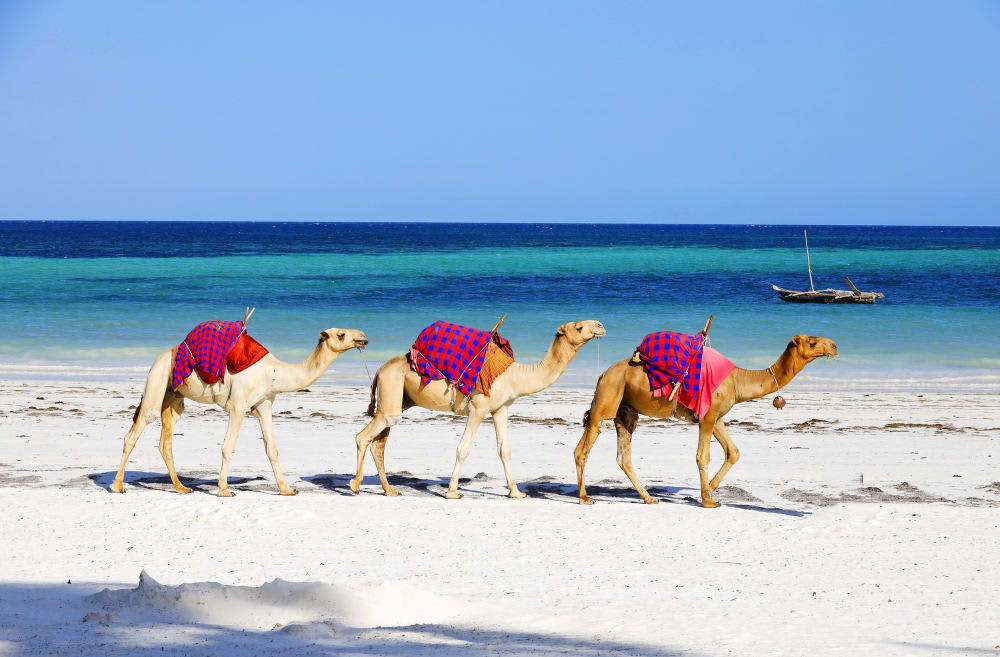
- Camel Treks: Experience traditional desert travel across dunes and open plains.
- Desert Camping: Spend nights under a star-filled sky in remote camps far from modern light pollution.
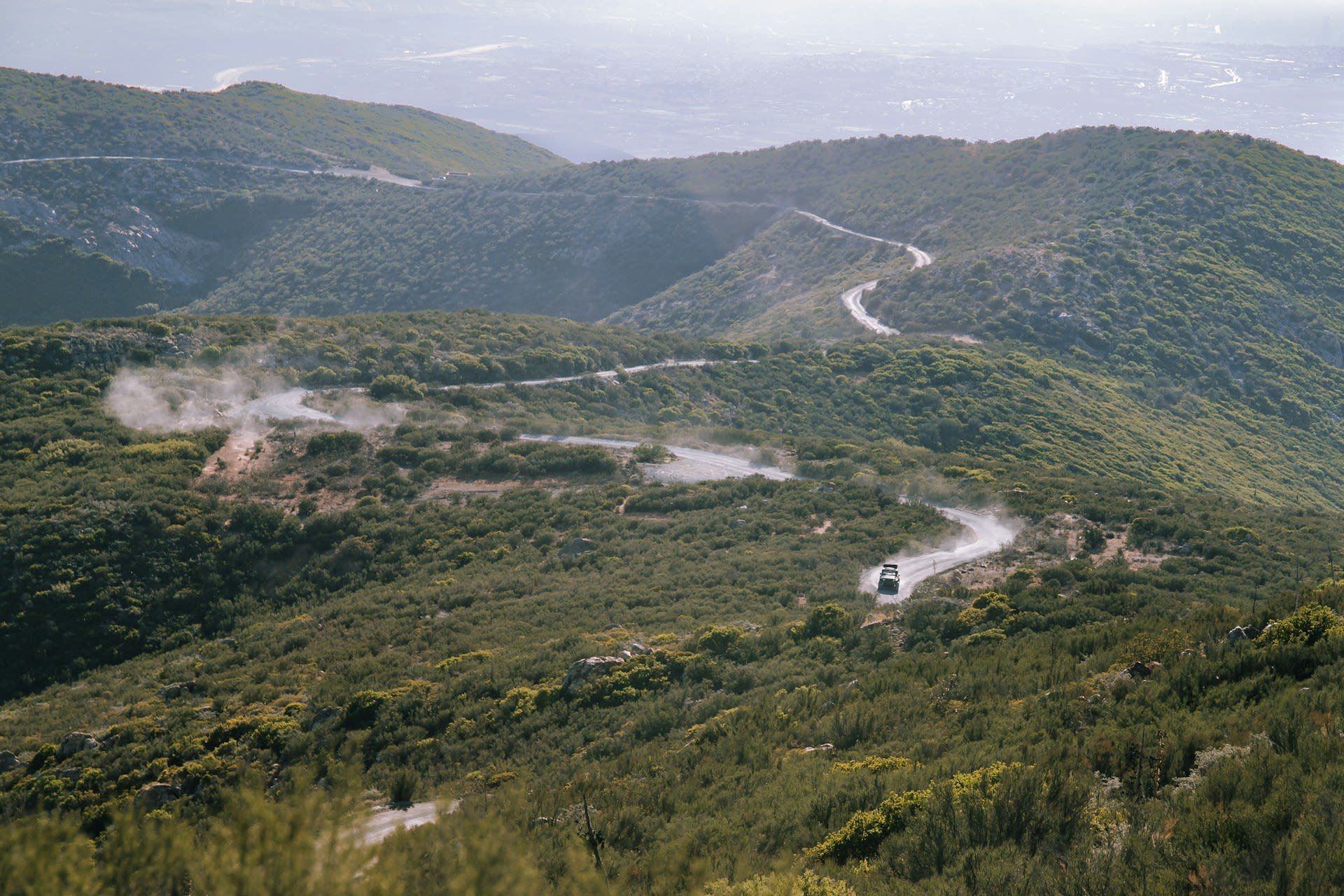
- 4x4 Excursions: Explore remote areas, oases, and geological formations with experienced guides.
💡 Travel Tips
Best Time to Visit: November to February offers cooler and safer conditions for exploration.
Preparation: Adequate hydration, sun protection, and guided travel are essential.
Accommodation: Options range from eco-lodges and desert camps to hotels in gateway towns such as Douz and Tozeur.
🌱 Conservation
Protecting the Sahara involves combating desertification, conserving water resources, and supporting sustainable tourism. Responsible travel helps preserve fragile desert ecosystems and supports local communities that depend on balanced interaction with their environment.
✨ Conclusion
The Sahara Desert remains one of the world’s most powerful and evocative landscapes. In Tunisia, it reveals a profound blend of natural grandeur, cultural depth, and human resilience. Exploring the Sahara is not merely a journey across sand, but an encounter with history, silence, and the enduring spirit of the desert.