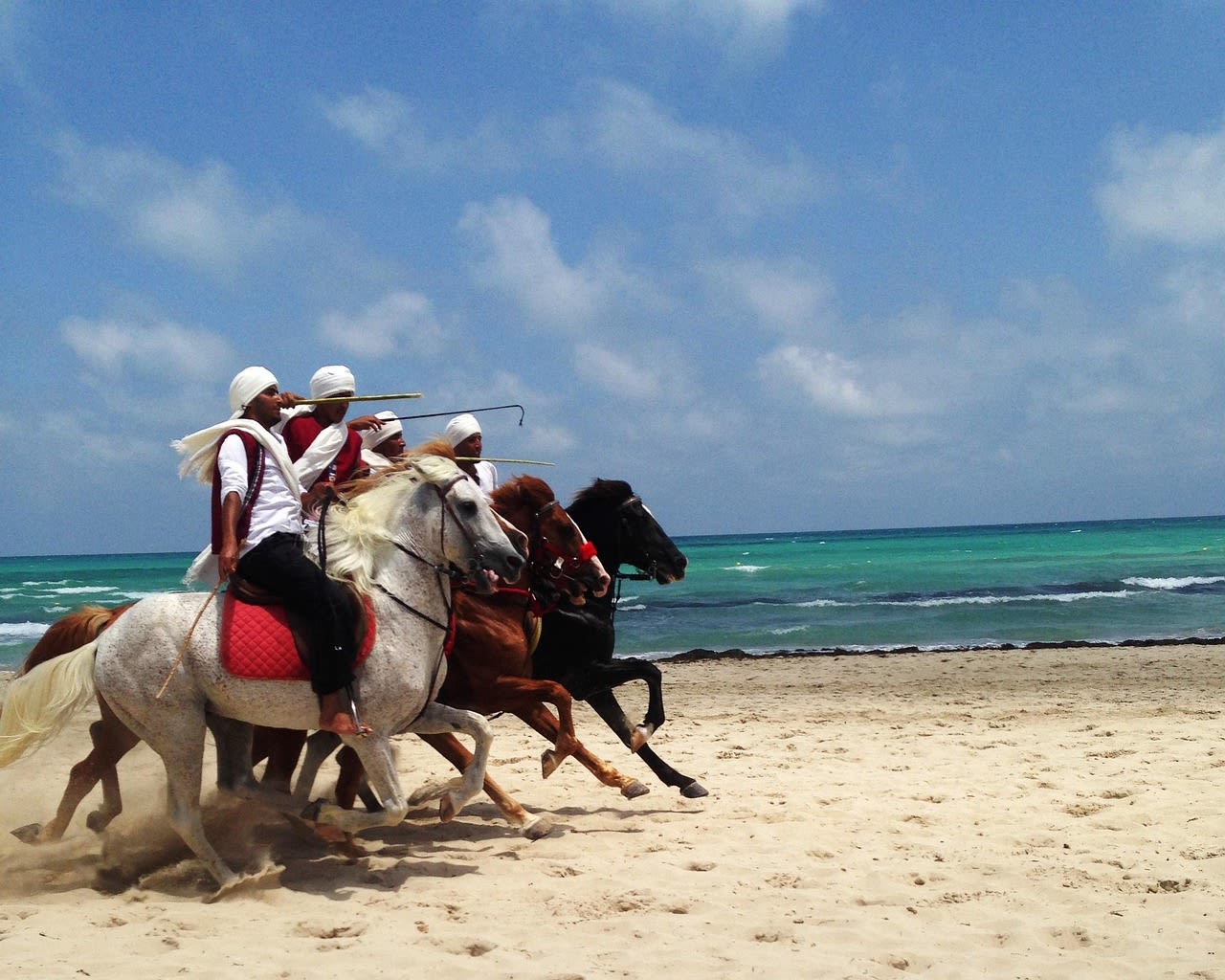
Djerba Island
Djerba Island, located off the eastern coast of Tunisia in the North African region, is the largest island in the country. Covering approximately 514 square kilometers, the island is connected to the mainland by an ancient Roman causeway, highlighting its long-standing strategic importance. Known for its palm-lined beaches, traditional architecture, and peaceful atmosphere, Djerba offers a unique blend of relaxation, history, and cultural discovery. The highest point on the island, the Guellala Heights, rises modestly to around 50 meters above sea level but offers sweeping views of the surrounding landscape and coastline.
🌍 Geography and Ecosystem
Djerba Island encompasses a diverse and gently varied landscape shaped by coastal and semi-arid influences:
- Limestone Plateaus and Coastal Plains: Much of the island is flat, characterized by limestone formations and sandy coastal plains that support olive groves and palm trees.
- Guellala Region: Located in the southern part of the island, this area is known for its elevated terrain, pottery traditions, and panoramic views of the Mediterranean Sea.
- Sebkhas and Wetlands: Seasonal salt flats and wetlands play an important ecological role, attracting migratory birds and supporting local biodiversity.
📜 History and Cultural Significance
Djerba Island has been inhabited since antiquity, with traces of Phoenician, Roman, Byzantine, and Islamic civilizations. Often associated with the mythical island of the Lotus-Eaters described in Homer’s Odyssey, Djerba has long captured the imagination of travelers and scholars alike. The island is especially renowned for its Jewish heritage, exemplified by the El Ghriba Synagogue, one of the oldest continuously active synagogues in the world. Over centuries, Djerba developed a reputation for religious coexistence, craftsmanship, and maritime trade, shaping its distinct cultural identity.
🏃 Activities and Attractions
Djerba Island offers a wide range of activities that cater to both leisure seekers and cultural explorers:
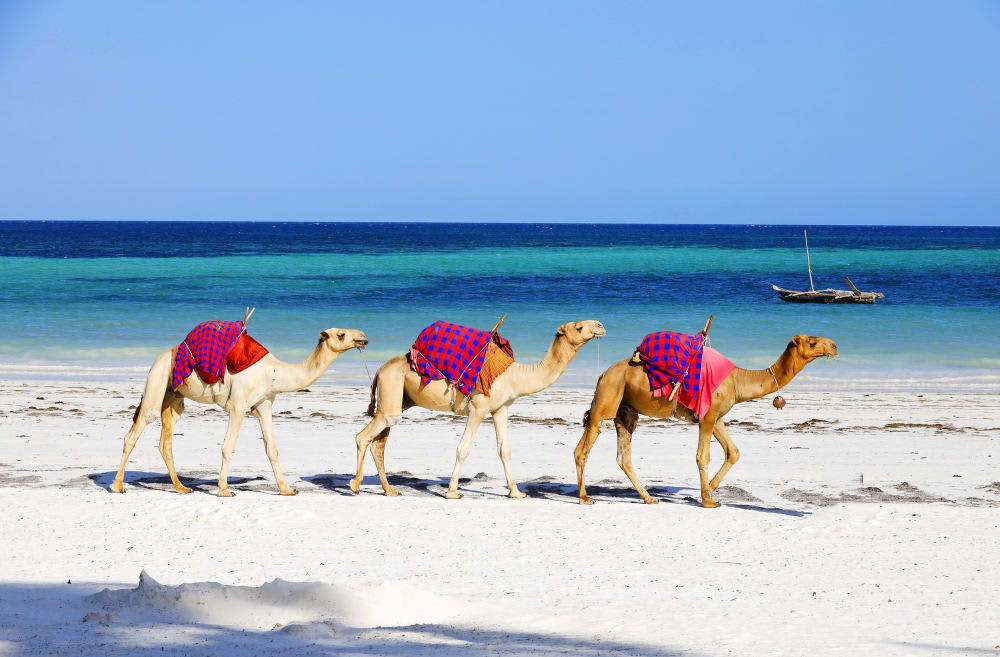
- Beach Leisure: Enjoy long stretches of sandy beaches such as Sidi Mahrez and Aghir, ideal for swimming, sunbathing, and water sports.
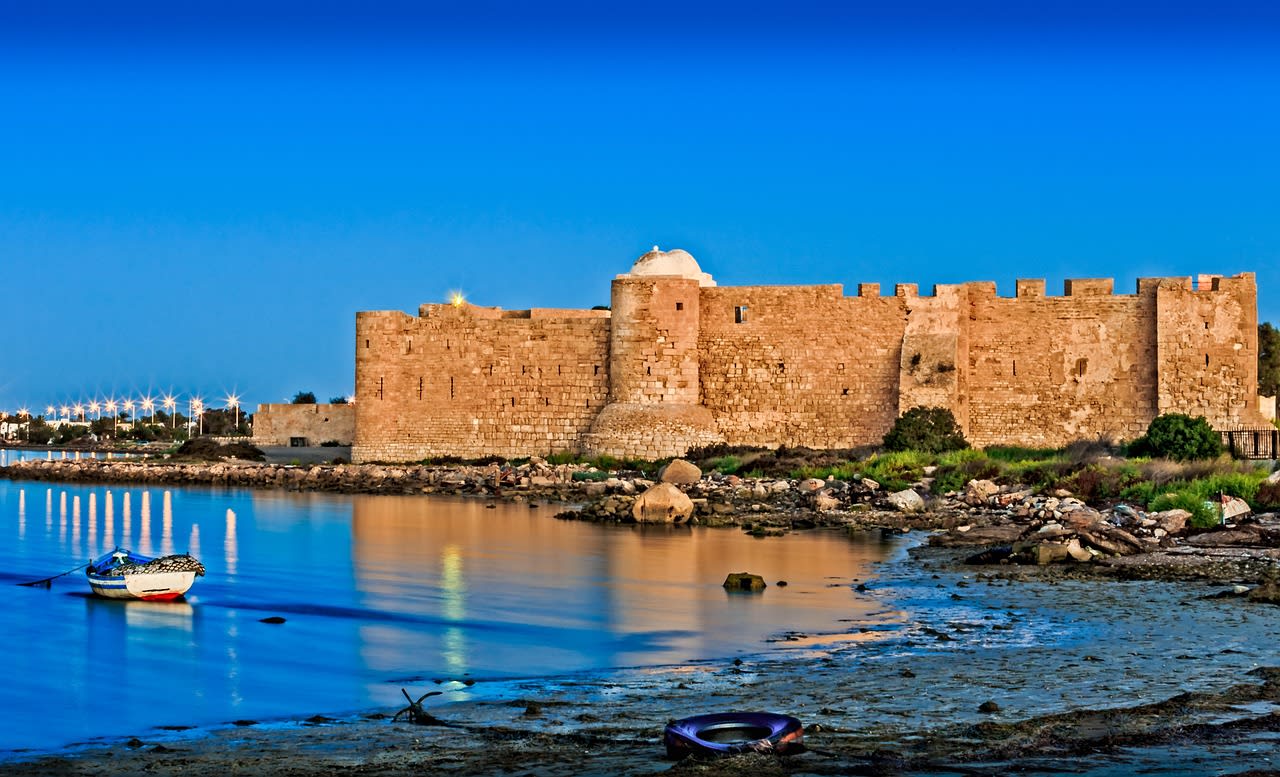
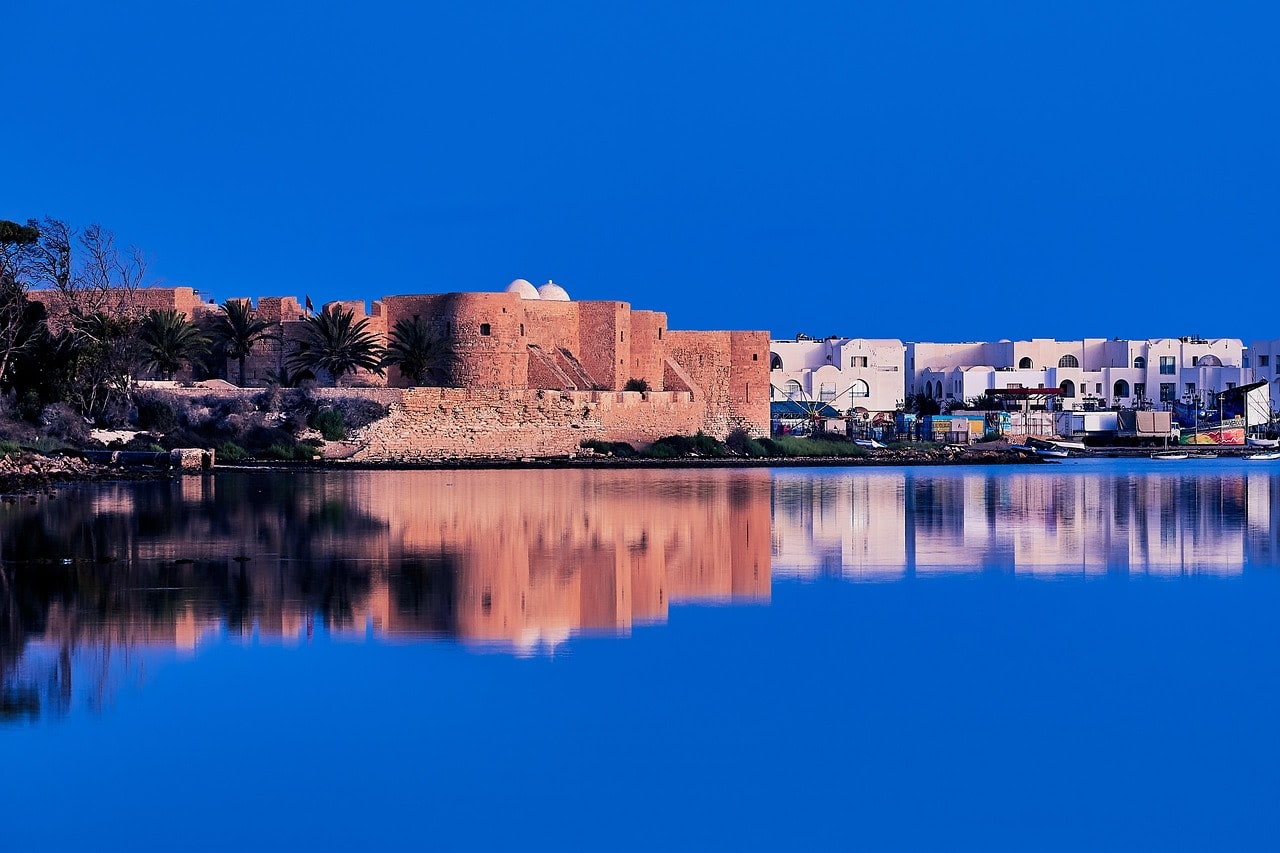
- Houmt Souk Exploration: Wander through the island’s main town to experience traditional markets, historic forts, and lively cafés.
- Cultural Visits: Discover local mosques, the El Ghriba Synagogue, and the Guellala Museum to gain insight into Djerba’s multicultural heritage.
💡 Travel Tips
Best Time to Visit: Spring (March–May) and autumn (September–November) provide pleasant temperatures and fewer crowds.
Getting Around: Renting a car or using local taxis is the most convenient way to explore the island.
Accommodation: Options range from beachfront resorts to boutique guesthouses in traditional settings, offering experiences for different travel styles and budgets.
🌱 Conservation
Conservation initiatives on Djerba Island focus on preserving coastal ecosystems, protecting marine life, and sustaining traditional architectural heritage. Efforts also emphasize responsible tourism, encouraging visitors to support local artisans, reduce waste, and respect cultural and natural sites.
✨ Conclusion
Djerba Island stands out as a destination where history, culture, and natural beauty intertwine seamlessly. From its tranquil beaches and historic landmarks to its vibrant traditions and welcoming communities, the island offers a rich and memorable experience. Whether seeking relaxation or cultural immersion, Djerba continues to enchant visitors with its timeless charm.