
Elephant Rock
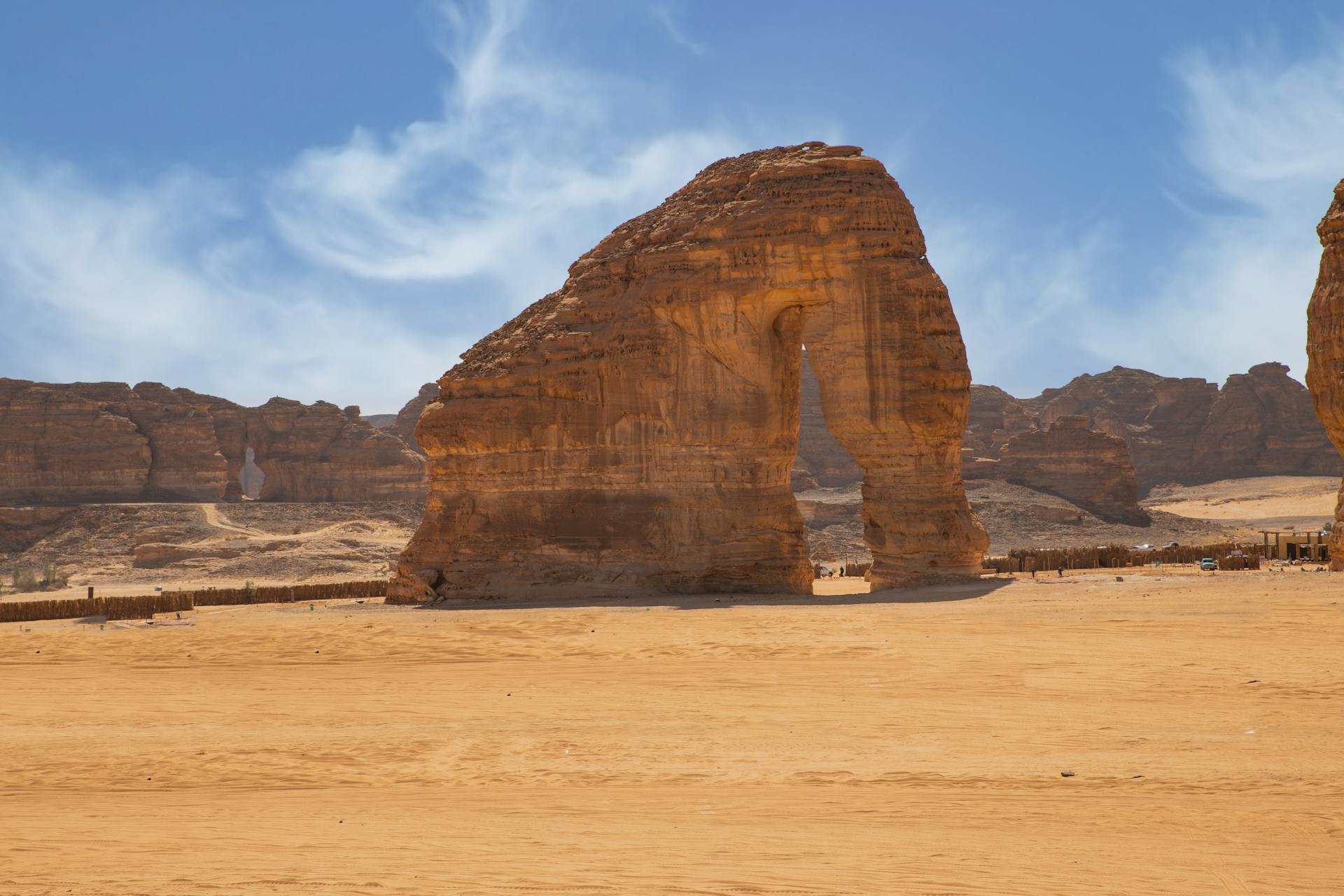
Elephant Rock is a magnificent natural sandstone formation located in Valley of Fire State Park, Nevada, USA. Standing at an impressive height of approximately 150 feet, this unique rock formation resembles a colossal elephant, hence the name. Positioned amidst the captivating desert landscape, Elephant Rock is a popular attraction for its striking resemblance to the majestic animal.
🌍 Geography and Ecosystem
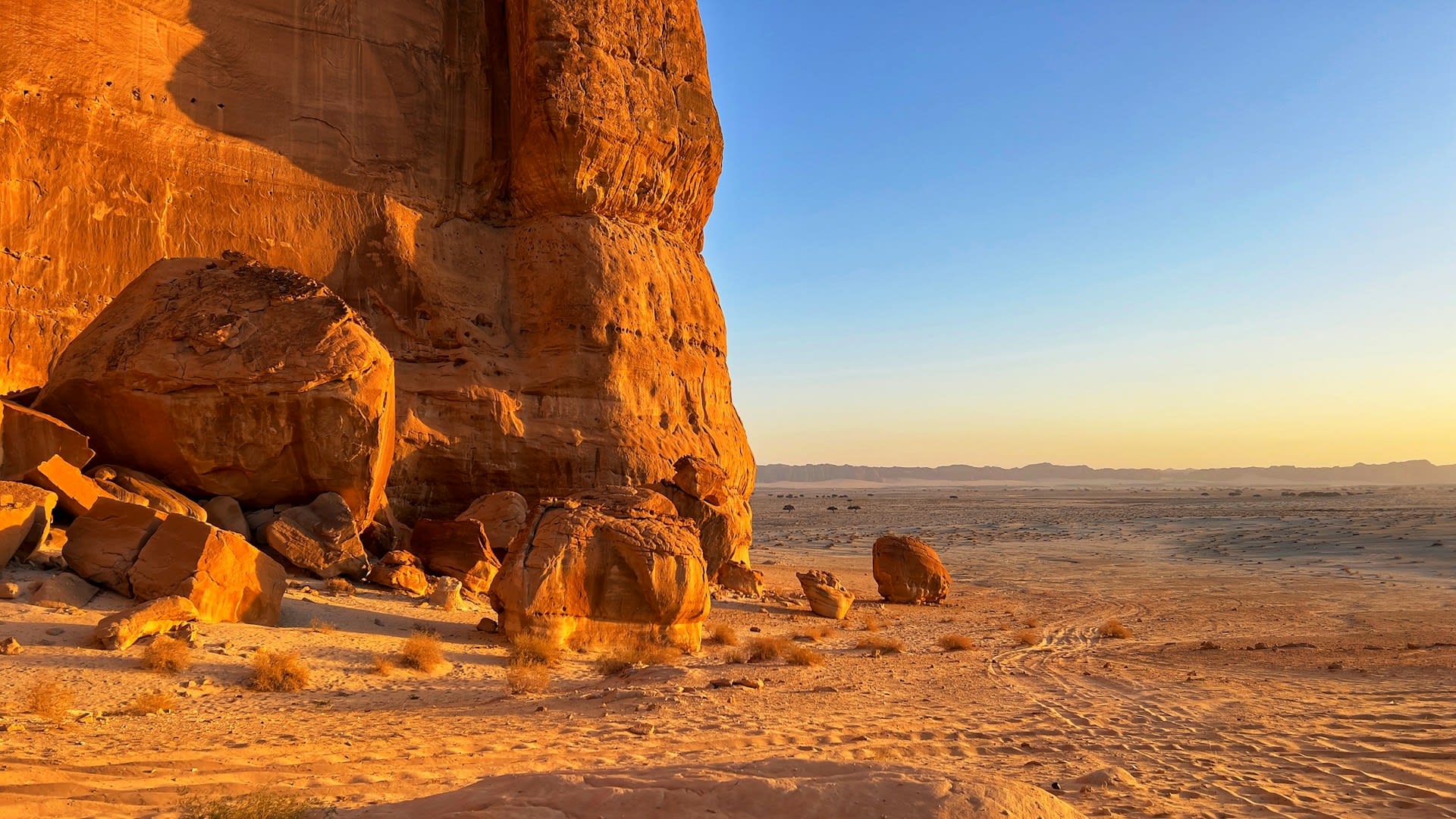
Elephant Rock is situated within the Valley of Fire State Park, Nevada, an area renowned for its striking red sandstone formations shaped over millions of years by erosion, wind, and water. The rock itself rises prominently against the desert backdrop, resembling a giant elephant with its trunk gracefully touching the ground. The surrounding landscape features dramatic cliffs, natural arches, and petrified sand dunes dating back to the age of the dinosaurs.
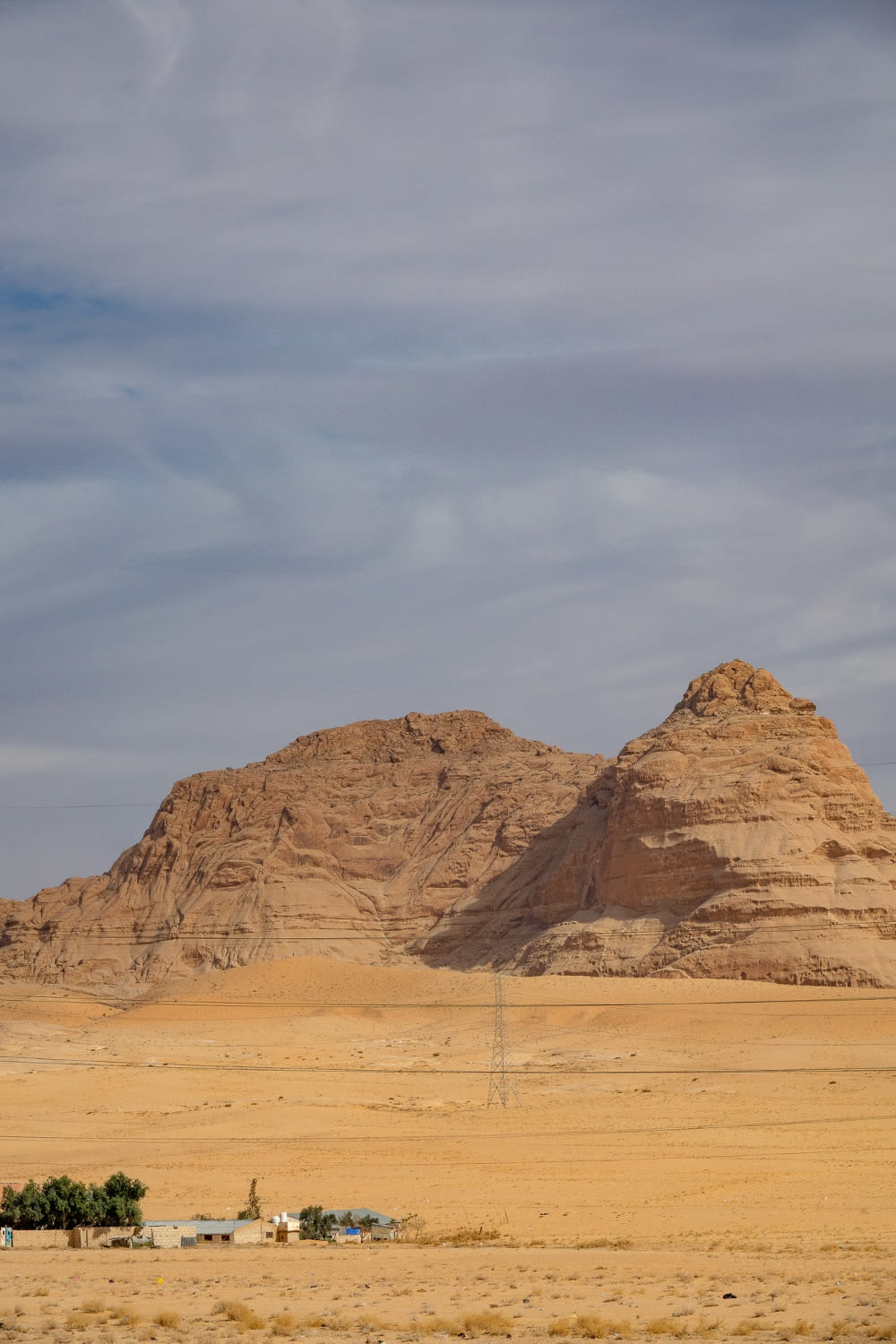
The ecosystem around Elephant Rock is a typical Mojave Desert environment, characterized by extreme temperature fluctuations between day and night. Vegetation is sparse but resilient, including creosote bushes, desert marigolds, prickly pear cacti, and yucca plants. Wildlife sightings are common, with species such as bighorn sheep, desert tortoises, jackrabbits, and a variety of lizards and birds that have adapted to the arid conditions. Seasonal rains can bring bursts of wildflowers, adding vibrant color to the otherwise rugged terrain.
The ecosystem around Elephant Rock is a typical Mojave Desert environment, characterized by extreme temperature fluctuations between day and night. Vegetation is sparse but resilient, including creosote bushes, desert marigolds, prickly pear cacti, and yucca plants. Wildlife sightings are common, with species such as bighorn sheep, desert tortoises, jackrabbits, and a variety of lizards and birds that have adapted to the arid conditions. Seasonal rains can bring bursts of wildflowers, adding vibrant color to the otherwise rugged terrain.
- Desert flora such as creosote bush, cacti, and wildflowers after seasonal rains.
- Fauna includes desert bighorn sheep, lizards, jackrabbits, and migratory birds.
- Geological formations of Aztec sandstone shaped over 150 million years.
- Extreme desert climate with hot summers, mild winters, and cool nights.
📜 History and Cultural Significance
Believed to have been formed through millennia of natural erosion processes, Elephant Rock has become a symbol of resilience and wonder in Native American folklore. Discovered in the early 20th century, the rock has since captured the imagination of visitors and locals alike, becoming a cherished landmark that symbolizes the enduring spirit of the desert landscape.
🏃 Activities and Attractions
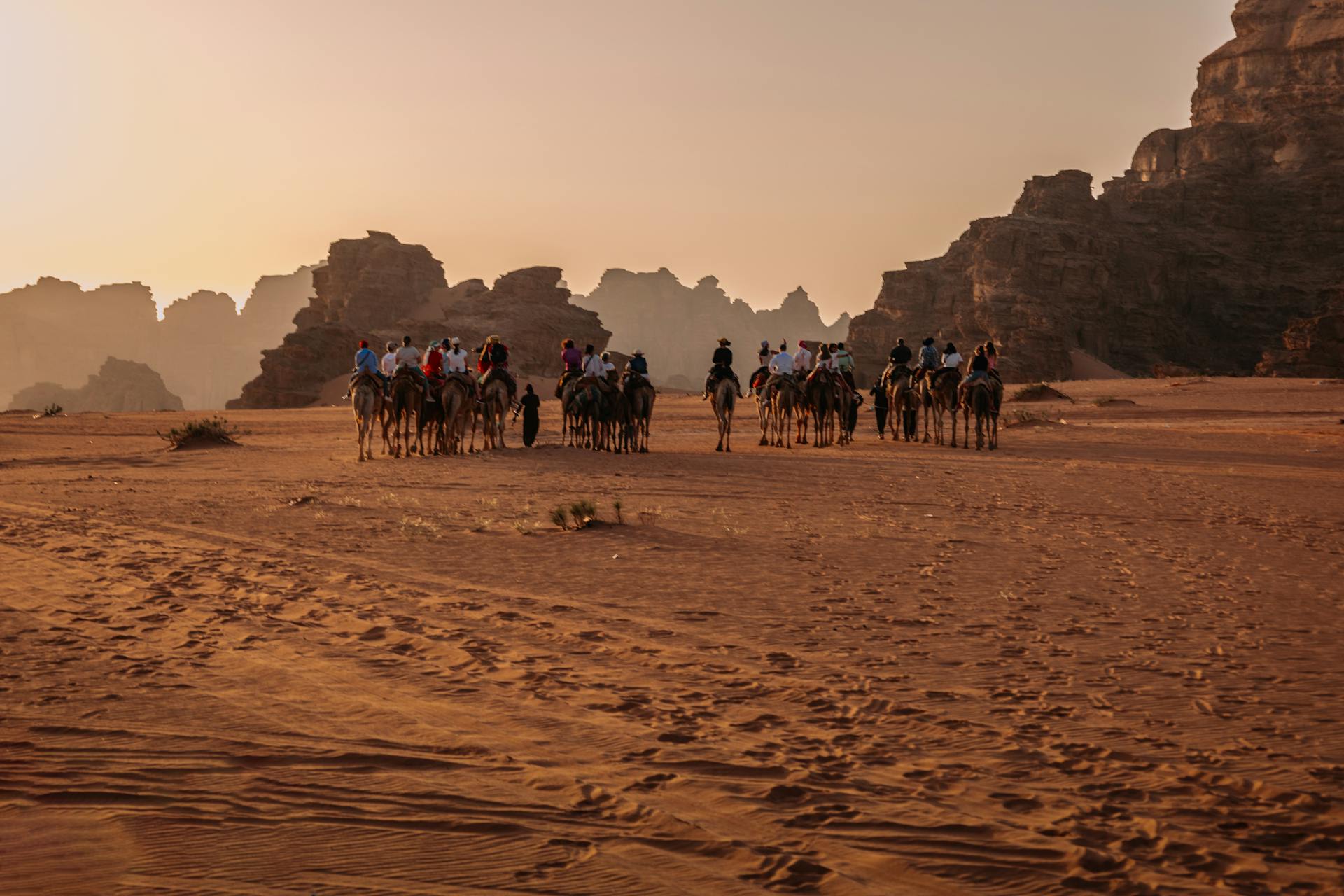
Elephant Rock is not only a natural wonder to admire but also a hub for outdoor activities, photography, and cultural exploration. Visitors can enjoy both relaxing sightseeing experiences and adventurous pursuits depending on their interests.
- Hiking: Follow the designated trail leading directly to Elephant Rock, with routes suitable for beginners and experienced hikers alike.
- Photography: Capture the rock’s elephant-like shape at sunrise or sunset when the sandstone glows with rich, fiery colors.
- Stargazing: Thanks to the park’s remote location, the area offers exceptional views of the night sky, ideal for astronomy enthusiasts.
- Wildlife Watching: Spot desert bighorn sheep and a variety of reptiles and birds in their natural habitat.
- Picnicking: Rest areas and shaded spots nearby make it a great location to enjoy a scenic outdoor meal.
- Educational Tours: Join ranger-led programs to learn about the geology, ecology, and cultural heritage of the Valley of Fire.
- Exploration: Discover nearby attractions within the park, such as Atlatl Rock with ancient petroglyphs and the Fire Wave rock formation.
💡 Travel Tips
Best Time to Visit: The optimal times to visit Elephant Rock are during the cooler months of fall and spring to avoid the scorching summer heat.
What to Bring: Pack plenty of water, sunscreen, sturdy footwear for hiking, and a camera to capture the stunning scenery.
Getting There: Access Elephant Rock by car through Valley of Fire State Park, following designated trails to reach the formation.
Accommodation: Nearby camping facilities and lodges offer convenient options for overnight stays.
🌱 Conservation
Preservation efforts are crucial to safeguard the natural beauty and ecological balance of Elephant Rock and its surrounding habitat. Visitor Guidelines: Respect wildlife, stay on designated trails, and refrain from climbing on fragile rock formations to minimize environmental impact. Environmental Concerns: Climate change and increased human activity pose threats to the delicate desert ecosystem, emphasizing the need for sustainable tourism practices.
✨ Conclusion
Elephant Rock stands as a testament to nature's artistry and the timeless allure of the desert landscape. With its awe-inspiring beauty, rich geological history, and cultural significance, this iconic rock formation invites visitors to marvel at the wonders of the natural world. A visit to Elephant Rock promises a memorable journey into the heart of Nevada's enchanting Valley of Fire State Park, making it a destination that truly captivates the senses and spirit alike.