


Al-hijr
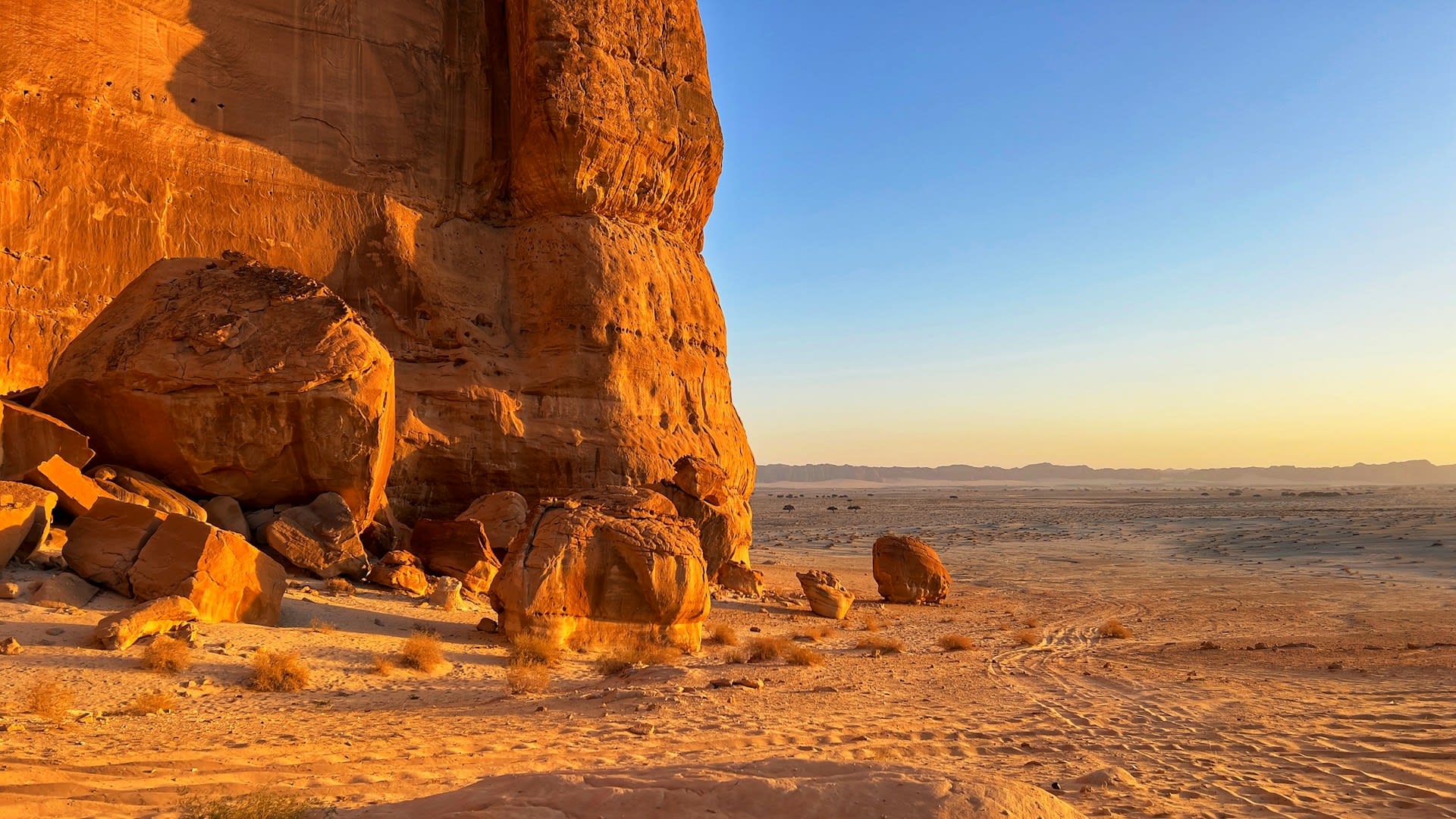
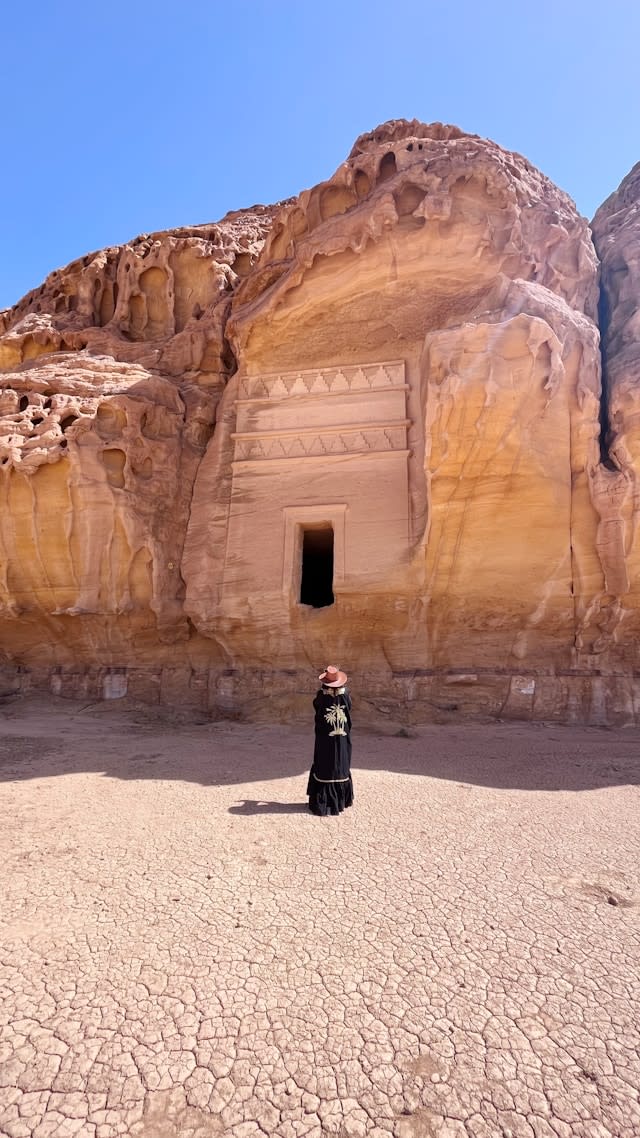
Al-Hijr, also known as Madain Salih, is an archaeological site located in the Al-Ula region of northwestern Saudi Arabia. It was the first UNESCO World Heritage Site in the country, recognized for its well-preserved Nabatean tombs and rock-cut structures. The site covers an area of over 1,900 hectares and features sandstone outcrops that rise up to 80 meters in height.
🌍 Geography and Ecosystem
Al-hijr encompasses a diverse landscape with various fascinating features:
- Rock Formations: The sandstone cliffs of Al-Hijr exhibit intricate carvings and inscriptions, showcasing the skilled craftsmanship of the Nabateans.
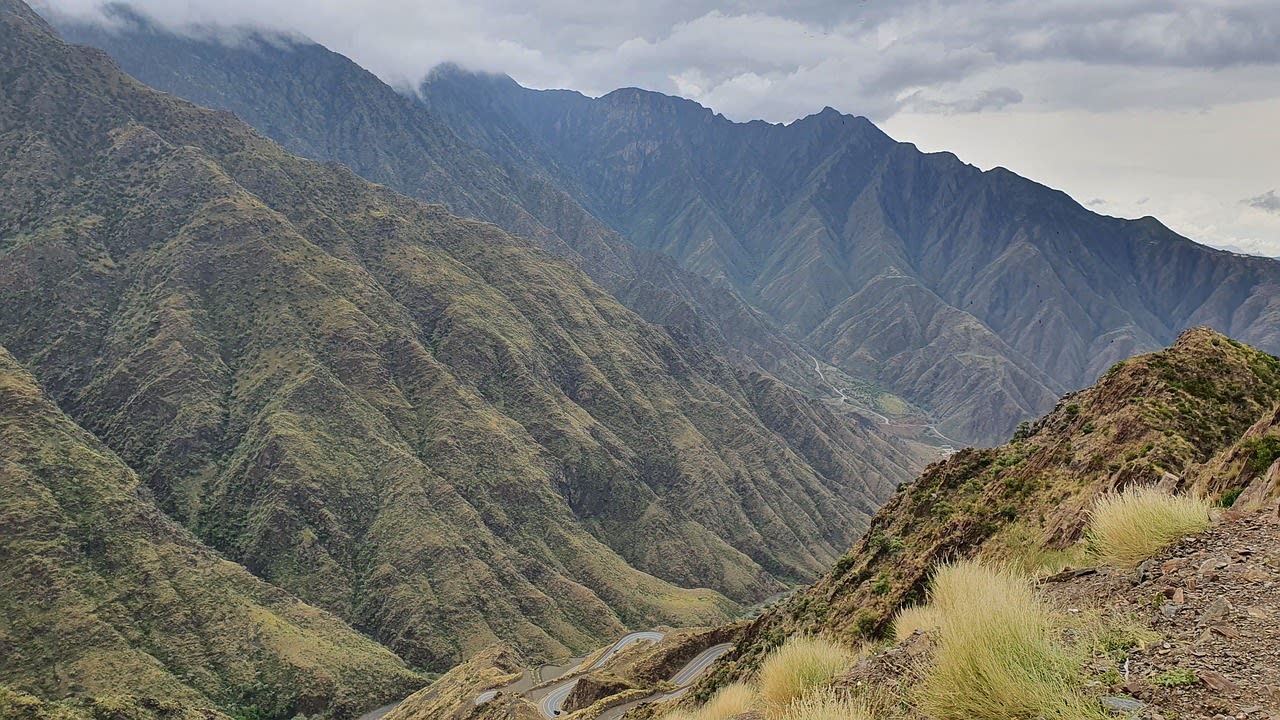
- Ecosystems: Despite the arid environment, Al-Hijr supports a variety of plant species, adapted to survive in the desert conditions.
- Geological Aspects: The sandstone formations at Al-Hijr hold valuable geological information, providing insights into the region's ancient past and geological history.
📜 History and Cultural Significance
Al-Hijr dates back to the Nabatean civilization and was a crucial stop along the Incense Route. The site flourished as a prosperous trading hub, showcasing the architectural and hydraulic prowess of the Nabateans. With a history spanning over 2,000 years, Al-Hijr stands as a testament to the rich cultural heritage of the region. Legends and myths abound about the mystical allure of the site, adding to its cultural significance.
🏃 Activities and Attractions
Al-hijr offers a wide range of activities for visitors of all interests and skill levels. Whether you're a seasoned adventurer or simply looking to enjoy the natural beauty, there's something for everyone:
- Guided Tours: Knowledgeable guides offer insights into the history and significance of the site.
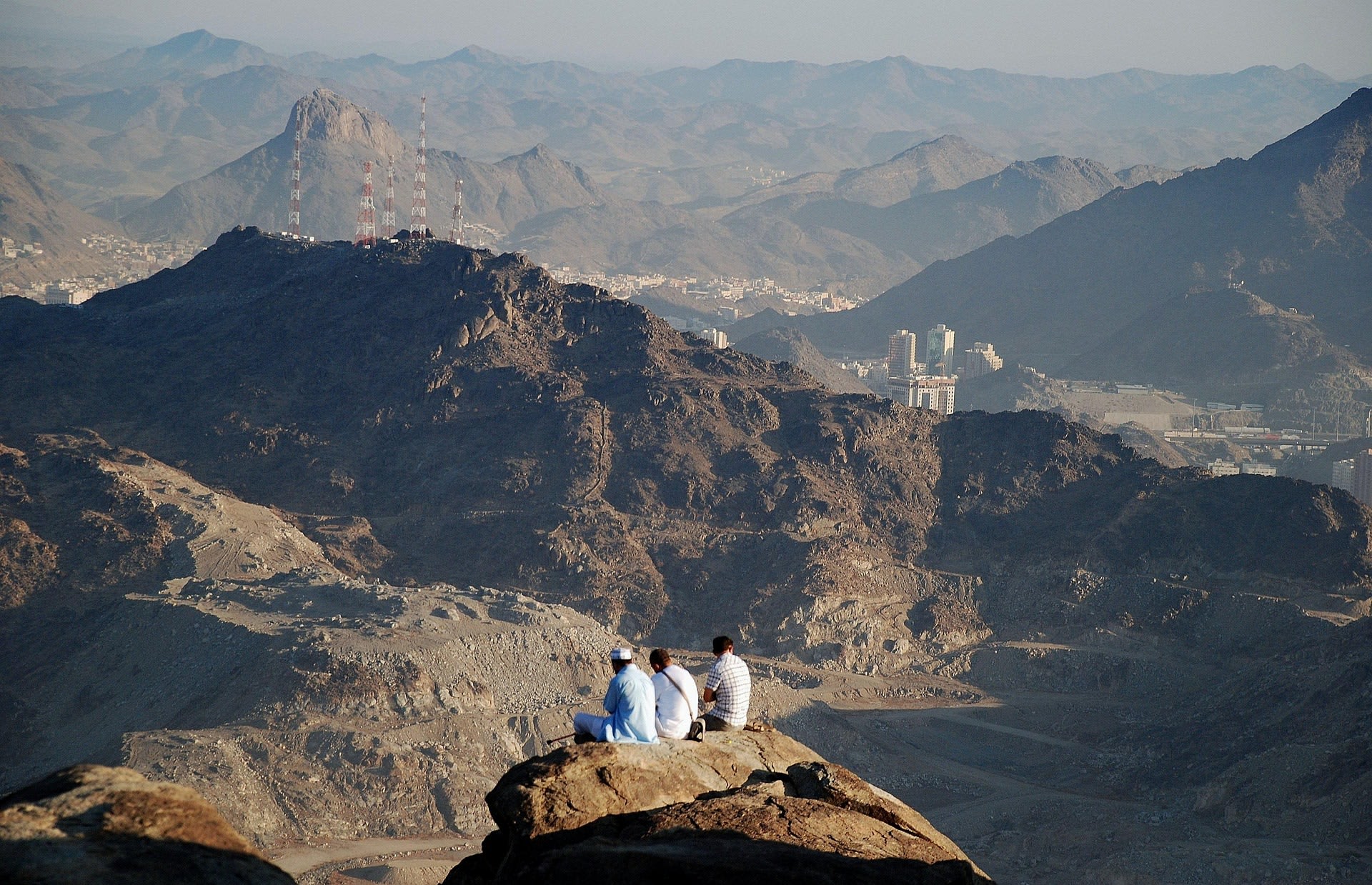
- Hiking Adventures: Trekking through the rocky terrain provides breathtaking views of the desert landscape.
- Nighttime Stargazing: The clear desert skies above Al-Hijr offer a perfect setting for stargazing and celestial observations.
💡 Travel Tips
Best Time to Visit: The ideal time to visit Al-Hijr is during the cooler months from October to March.
What to Bring: Sunscreen, sturdy walking shoes, plenty of water, and a camera to capture the stunning landscape.
How to Get There: Travelers can reach Al-Hijr by road from major cities like Riyadh or Jeddah. Private tours and guides are available for a more immersive experience.
Accommodation Options: Nearby towns like Al-Ula offer a range of accommodations, from luxury resorts to budget-friendly guesthouses.
What to Bring: Sunscreen, sturdy walking shoes, plenty of water, and a camera to capture the stunning landscape.
How to Get There: Travelers can reach Al-Hijr by road from major cities like Riyadh or Jeddah. Private tours and guides are available for a more immersive experience.
Accommodation Options: Nearby towns like Al-Ula offer a range of accommodations, from luxury resorts to budget-friendly guesthouses.
🌱 Conservation
Preservation efforts at Al-Hijr are focused on safeguarding the archaeological remains and natural landscape from potential threats. Conservationists work to maintain the site's integrity while balancing the need for sustainable tourism. Visitors are encouraged to respect the site's heritage by adhering to visitor guidelines and avoiding damage to the ancient structures.
✨ Conclusion
Al-Hijr, with its ancient history, breathtaking natural beauty, and cultural significance, stands as a living testament to the ingenuity of past civilizations. From the towering sandstone cliffs to the intricate rock-cut tombs, this UNESCO World Heritage Site offers a glimpse into a bygone era, making it a must-visit destination for history enthusiasts and nature lovers alike.