Danube Delta
The Danube Delta (Romanian: Delta Dunării) is the largest and best-preserved river delta in Europe and one of the world's most important wetland ecosystems — a vast aquatic labyrinth of approximately 5,800 km² at the mouth of the Danube River where it empties into the Black Sea in the Tulcea region of eastern Romania (with a small section in Ukraine). The delta is the youngest terrain in Romania, still actively growing at a rate of approximately 40 metres per year as the Danube deposits its sediment load into the shallow continental shelf, and its dynamic character — channels migrating, floating reed islands (plaur) drifting, sand banks appearing and disappearing — makes it a landscape in continuous geological and ecological motion. Designated as both a UNESCO World Heritage Site (1991) and a UNESCO Biosphere Reserve, the delta hosts one of the most extraordinary concentrations of birdlife in Europe: over 300 bird species have been recorded, including the largest breeding colony of great white pelican outside Africa (approximately 2,500 pairs), the largest European colony of pygmy cormorant, and vast concentrations of waterfowl during spring and autumn migration.
🌍 Geography and Ecosystem
- Reed Beds and Floating Islands: The delta contains 2,500 km² of reed beds — the largest continuous reed marsh in the world — dominated by common reed (Phragmites australis), which can reach 4 metres in height and forms floating islands (plaur) up to 1 metre thick, colonised by willow and alder. The reed beds are the nesting and roosting habitat for millions of herons, egrets, cormorants, and passerines, and their dense, maze-like character makes the delta inaccessible by any means other than boat or canoe.
- Letea and Caraorman Forests: Two relict sand ridge forests in the northern delta — oak woodland growing on old coastal dune ridges isolated within the delta marsh. The Letea Forest contains the most northerly occurrence of the curly-leaved oak (Quercus pedunculiflora) and is home to one of the few populations of wild horse in Romania, whose origin as free-ranging domestics gives the forest a distinctive atmosphere. Letea is accessible only by horse cart or on foot from the village of C.A. Rosetti.
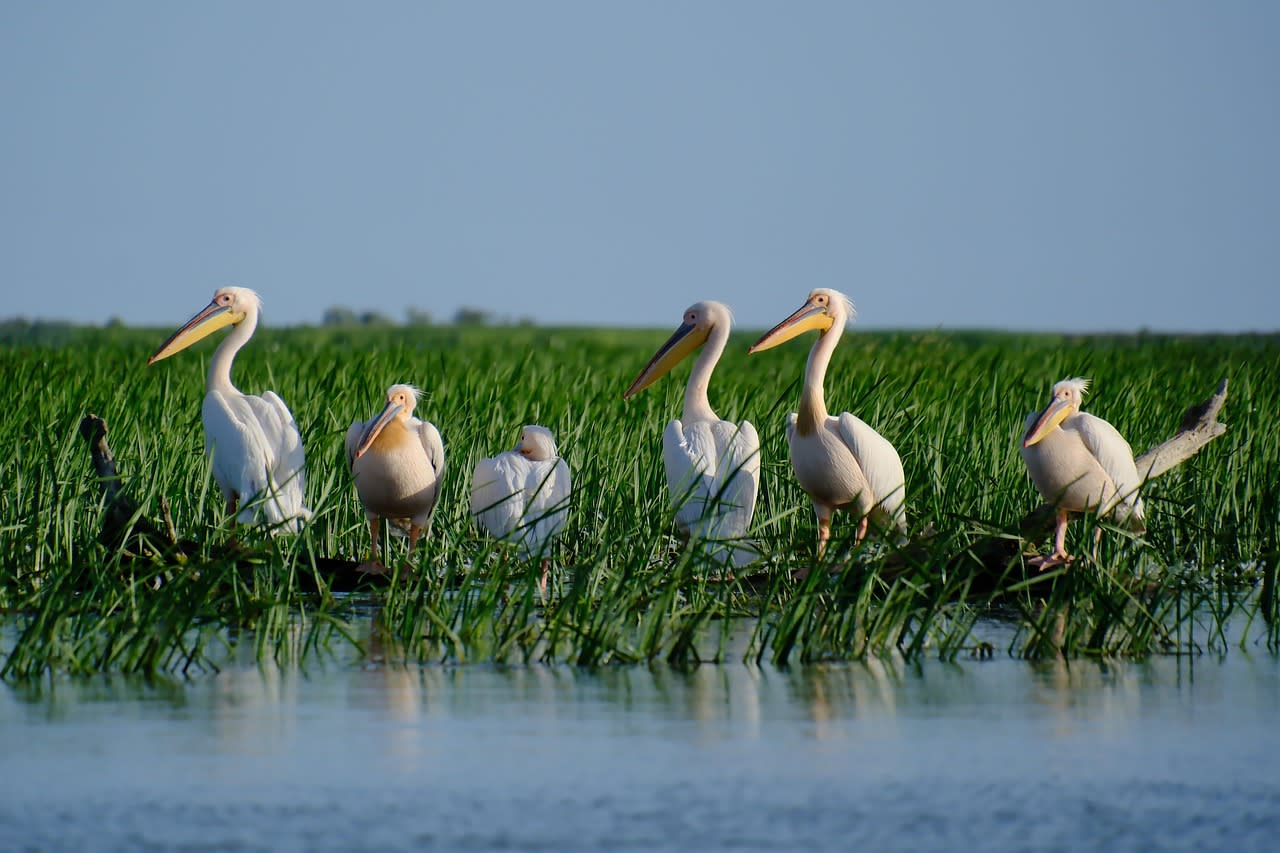
- Pelican Breeding Colonies: The great white pelican breeds in vast floating reed colonies on remote lake islands in the delta interior — the three major colonies are at Roșca-Buhaiova, Perisor, and Chilia, accessible only by guided boat in the breeding season (March–August). The spectacle of 2,500 pelican pairs landing, displaying, and feeding their young, combined with associated herons, spoonbills, and glossy ibis, is one of the most extraordinary wildlife displays in Europe.
- Sacalin Island and Black Sea Beaches: At the mouth of the Sfântu Gheorghe branch, the young island of Sacalin — formed only in the 20th century from Danube sediment — provides undisturbed nesting habitat for terns, avocets, and black-winged stilts on its sand and shingle spits. The Black Sea beaches at Sfântu Gheorghe village are among the most remote and unspoiled on the Romanian coast, reached only by ferry from Tulcea (3 hours) or by boat through the delta channels.
📜 History and Cultural Significance
The delta's strategic position at the mouth of Europe's second-longest river made it a contested geopolitical zone throughout history. The ancient Greek colony of Histria, founded on the delta's northern shore around 657 BCE, was one of the earliest Greek settlements in the Black Sea region and is now an archaeological site accessible from Tulcea. The Danube has been a major European commercial artery since Roman times, and the Sulina channel was dredged and straightened by the European Commission of the Danube (one of the world's first international river management bodies, established 1856) to allow ocean-going vessels to navigate to the inland ports — a process that straightened the Sulina arm from 84 km to 64 km and significantly altered its hydrological character.
🏃 Activities and Attractions
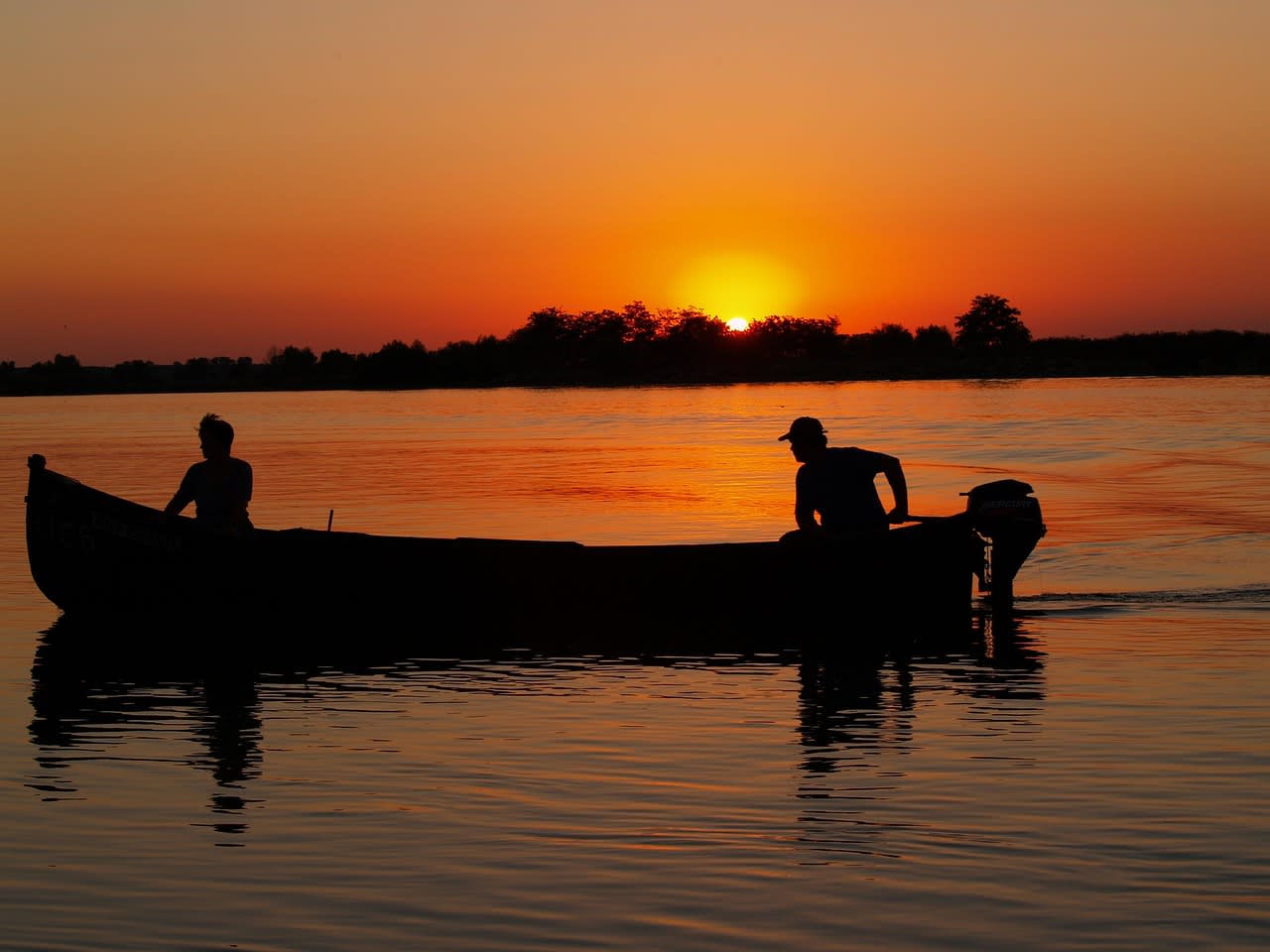
- Boat Tour into the Delta Interior: Guided motorboat tours from Tulcea, Sulina, or Sfântu Gheorghe penetrate the delta interior via channels too narrow for regular navigation. The standard 1-day tour visits at least one pelican colony approach, multiple heron and cormorant roosts, a floating reed island, and one of the old-growth willow gallery forests. 2–3 day tours with overnight stays in guesthouses at remote villages (C.A. Rosetti, Sfântu Gheorghe, Crișan) provide far greater depth of experience.
- Canoe and Kayak Expeditions: Multi-day self-paddled or guided canoe expeditions through the smaller channels and lakes provide the most intimate delta experience — accessible at dawn before motorboats disturb the wildlife, able to enter channels too shallow for any powered vessel. Rental and guided expeditions are available from Tulcea and from specialist ecotourism operators. A 5-day canoe loop through the central delta, camping on levee banks, is one of Europe's finest wetland paddling experiences.
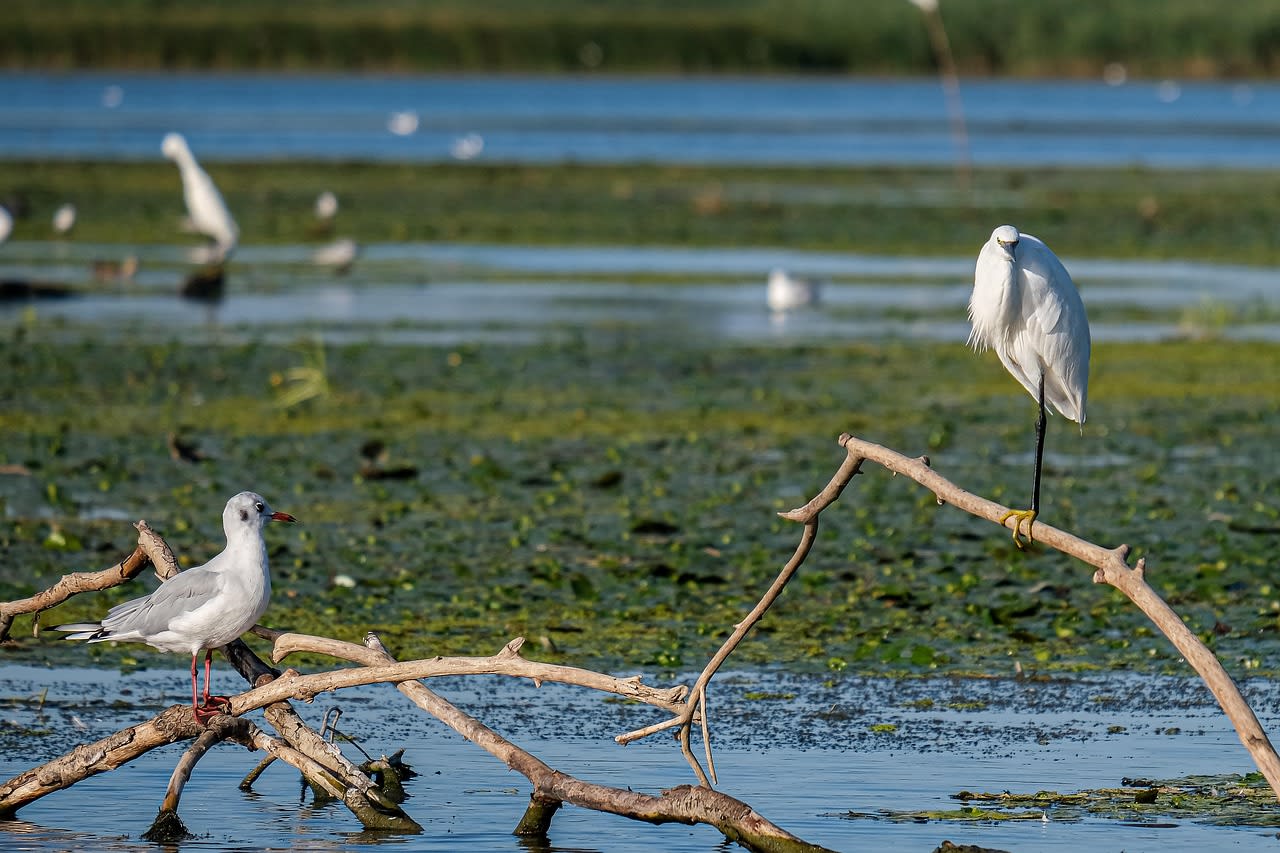
- Birdwatching: The delta is a superlative destination for European birdwatchers, particularly April–June for breeding season and September–October for migration spectacle. Over 300 species have been recorded including great white pelican, Dalmatian pelican, pygmy cormorant, glossy ibis, white-tailed eagle, black stork, roller, bee-eater, and the full suite of European warblers. The delta hosts the highest wading bird breeding density in Europe. Guides from local birdwatching associations provide expert identification and access to the best locations.
- Fishing: The delta supports a commercial and sport fishery of European significance, with pike, pike-perch (zander), perch, carp, catfish, and the migratory beluga sturgeon — the world's largest freshwater fish and now critically endangered — historically present in the Danube. Sport fishing is regulated by the Danube Delta Biosphere Reserve Authority under quota and licensing systems. Traditional fishing techniques can be observed and participated in with local Lipovan fishing families who offer guiding and accommodation packages.
- Visiting Remote Villages: The Lipovan villages of C.A. Rosetti, Letea, Periprava, and Sfântu Gheorghe maintain a way of life adapted entirely to the delta environment — boats instead of cars, horse carts as the only land transport, vegetable gardens on the narrow levee strips. Guesthouse accommodation in these villages, accessible only by boat, provides the most authentic engagement with delta culture.
💡 Travel Tips
Best Season: April–June for breeding birds and spring migration at peak — the finest birdwatching season in Europe. September–October for autumn migration and pelicans massing before departure south. July–August for fishing and beach access at Sfântu Gheorghe but peak mosquito activity. Mosquito repellent is essential May–September — delta mosquitoes are abundant and aggressive.
What to Pack: Insect repellent (maximum DEET formulation for summer visits), binoculars essential, telephoto lens for bird photography (400mm+ for pelicans at reasonable distance), light waterproof layers for boat travel (temperature on water is lower than the shore), water shoes for reed-edge landings.
Accommodation: Tulcea has standard hotels for a base. Delta guesthouses in Crișan, Mila 23, Sfântu Gheorghe, and C.A. Rosetti provide remote overnight stays with full board (local food often includes fresh fish from the delta). All remote accommodation must be booked in advance and includes boat transfer.
🌱 Conservation
Current conservation challenges include illegal fishing (particularly of beluga sturgeon, whose meat and caviar command extraordinary prices on the black market), eutrophication from agricultural runoff from the broader Danube catchment (the delta receives nutrient loading from 19 European countries upstream), and the long-term effect of upstream dam construction on Danube tributary rivers, which reduces sediment supply and threatens the delta's capacity to maintain its altitude against Black Sea level rise. The DDBR participates in international Danube River Basin management under the EU Water Framework Directive, but the delta's health ultimately depends on agricultural and development decisions made thousands of kilometres upstream in Germany, Austria, and the Balkans.