Carpathian Mountains
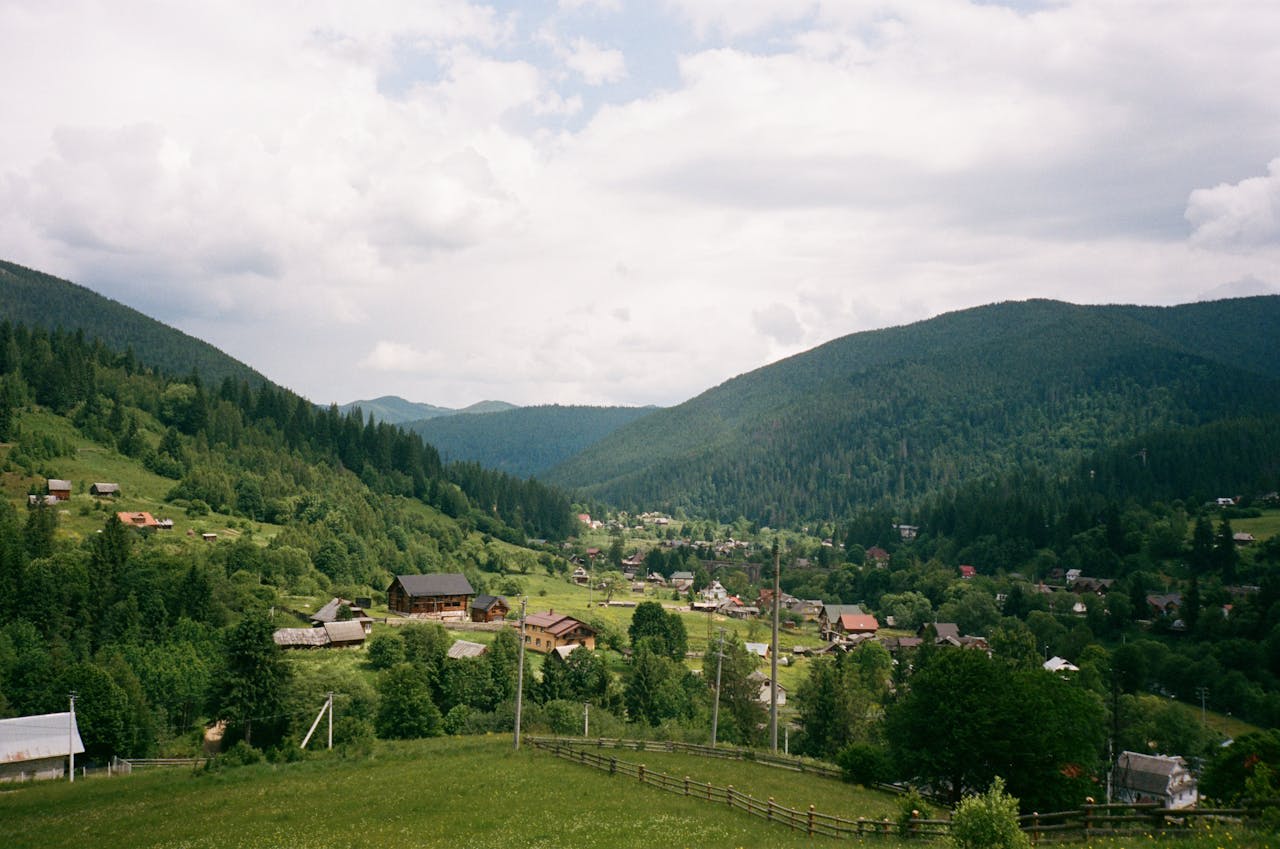
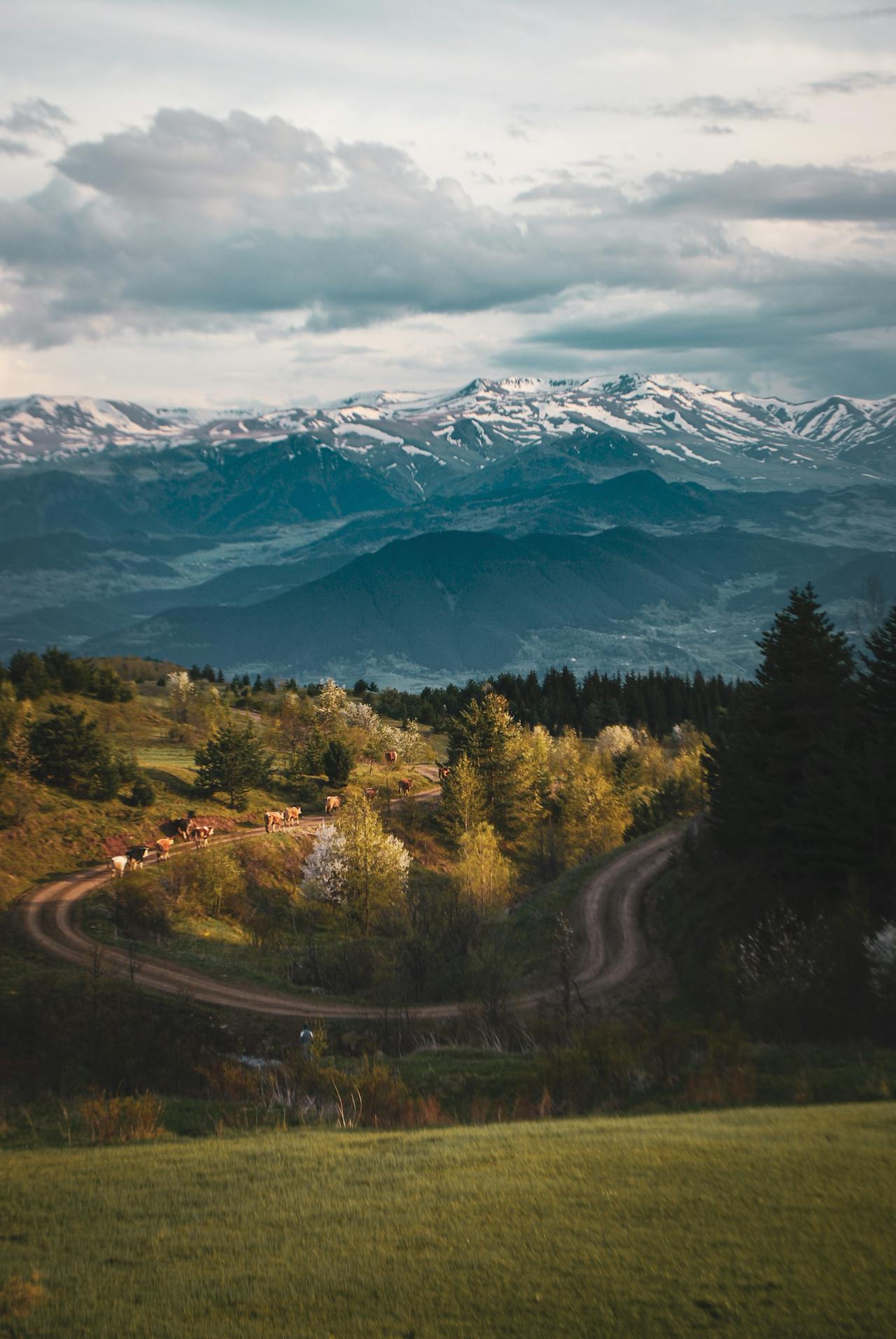
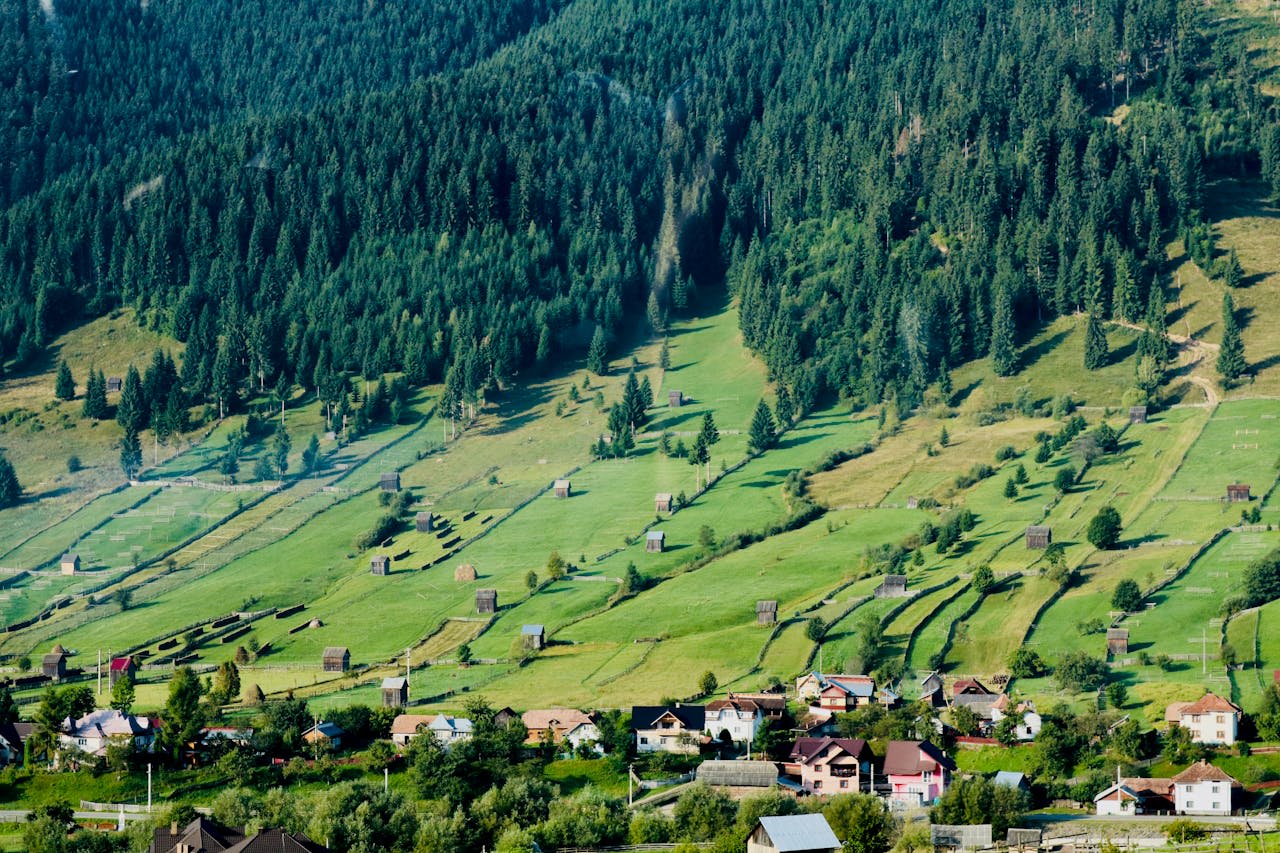
The Romanian Carpathians form the largest and most ecologically intact section of the 1,500-km Carpathian mountain arc that sweeps through Central and Eastern Europe. In Romania, the Carpathians form a roughly circular system enclosing the Transylvanian plateau, comprising three major sub-ranges: the Eastern Carpathians, the Southern Carpathians (Transylvanian Alps), and the Western Carpathians. The highest peak is Moldoveanu at 2,544 metres in the Fagaraș Mountains, part of the Southern Carpathians — the most rugged and alpine-character section of the range. Romania's Carpathians are the ecological heart of continental Europe: the country holds approximately 6,000 brown bears (40% of Europe's entire population outside Russia), 2,500–3,000 wolves (the largest European wolf population west of Russia), and 2,000–3,000 lynx. The ancient forests — some of which have never been logged — protect this biodiversity in a landscape of beech, spruce, and silver fir that sweeps unbroken across mountain ridges for hundreds of kilometres.
🌍 Geography and Ecosystem
- Transfăgărășan Road (DN7C): Romania's most spectacular mountain road — a 90-km route crossing the Southern Carpathians at 2,042 metres through the Fagaraș Mountains, built under Nicolae Ceaușescu between 1970 and 1974 as a military strategic route. The road passes Bâlea Lake glacial lake, the Vidraru reservoir, and the Poienari citadel (Vlad the Impaler's castle). Open only June to October due to snow closure. Top Gear voted it the world's most scenic drive in 2009.
- Retezat National Park: Romania's oldest national park (1935), covering 380 km² of the Southern Carpathians with over 80 glacial lakes (the highest concentration in the country), peaks exceeding 2,500 metres, and designated as a UNESCO Biosphere Reserve. The park supports one of Romania's densest chamois populations and has documented wolf pack territories within its boundaries. Accessible only on foot — no roads penetrate the core.
- Piatra Craiului Ridge: A 25-km limestone ridge in the Southern Carpathians rising to 2,238 metres at Vârful La Om — the longest continuous limestone ridge in Romania, flanked by vertical faces of 200–300 metres. The ridge walk (1–2 days) is the finest high-altitude route in the Romanian Carpathians outside the Fagaraș, and the park's chamois are visible on the cliff faces below the summit from spring to autumn.
- Bicaz Gorge and Cheile Bicazului: A dramatic 8-km gorge in the Eastern Carpathians where the Bicaz river has cut through Jurassic limestone, with walls rising 300 metres above the road. One of the most vertically imposing gorges in Romania, accessible directly from the road and — at the Red Lake (Lacu Roșu) end — connected to a glacially-dammed lake formed by a 1838 landslide.
📜 History and Cultural Significance
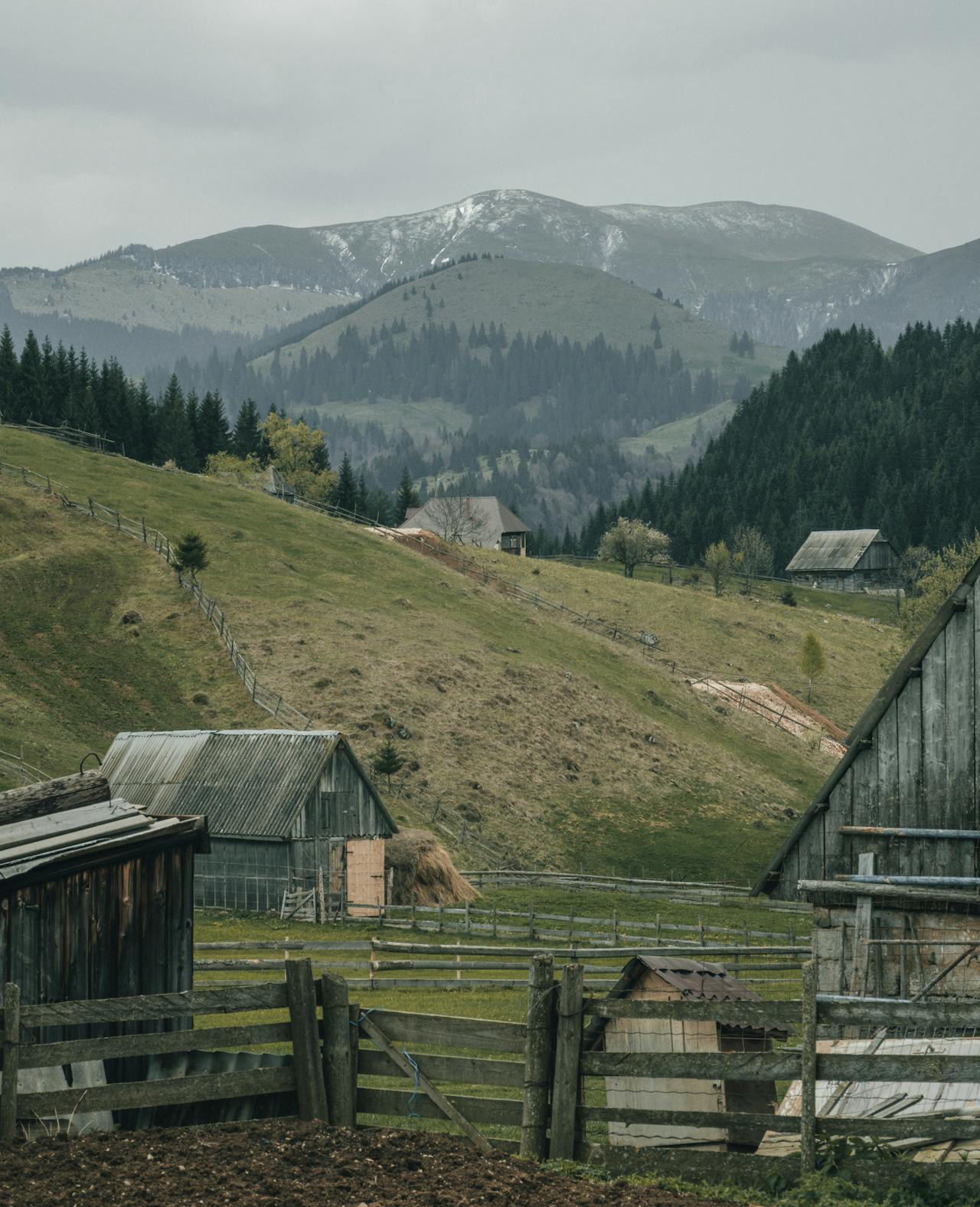
The Carpathian forests gave rise to the legend of Vlad III Drăculea (Vlad the Impaler, c. 1428–1477), Prince of Wallachia, whose brutal methods of punishment against Ottoman prisoners — impalement — made him famous across Europe and inspired Bram Stoker's 1897 novel Dracula. Vlad's actual citadel, Poienari, perches on a cliff in the Fagaraș foothills and is accessible by 1,480 steps from the Transfăgărășan road. The Transylvanian landscape of fortified churches (over 150 medieval fortified Saxon churches survive), medieval walled towns (Brașov, Sibiu, Sighișoara), and forests covering everything visible from the town walls creates a medieval-in-amber atmosphere unique in Europe.
🏃 Activities and Attractions
- Bear Watching: Romania offers the most reliable large-predator wildlife watching in continental Europe. Licensed bear-watching hides in the forests around Zărnești, Sinaia, and Piatra Craiului provide evening and dawn sessions from elevated platforms above supplementary feeding stations — large brown bears (males up to 300 kg) appear reliably in May–October. Multiple operators offer 3–5 day bear-watching itineraries combining hide sessions with forest walks and medieval towns.
- Transfăgărășan Road Drive: The Ceaușescu-era military road over the Fagaraș Mountains is the ultimate Romanian scenic drive — open only June to October, crossing Romania's highest pass at 2,042 metres with hairpin bends, tunnels, and the Bâlea Lake glacial cirque at the summit. Allow a full day including exploration of Poienari citadel and the Vidraru lake dam at the southern end.
- Hiking in Retezat National Park: Romania's most pristine high-mountain environment, accessible only on foot from the trailheads at Câmpusel or Ohaba de sub Piatră. The 3-day circuit of the main lake basins (Bucura, Zănoaga, Galeș) is the finest multi-day hike in Romania, passing over 2,400-metre ridges and beside glacial lakes of extraordinary clarity. Mountain huts (cabane) are staffed from June to September.
- Medieval Transylvania Tour: The walled towns and fortified churches of the Carpathian foothills constitute a cultural landscape of extraordinary density. Brașov's Black Church, Sibiu's old town (European Capital of Culture 2007), the citadel of Sighișoara (birthplace of Vlad the Impaler, UNESCO World Heritage), and the Saxon fortified churches of Biertan and Viscri form a circuit of medieval heritage unmatched in Eastern Europe.
- Wolf Tracking in Vrancea Mountains: The Vrancea Mountains in the Eastern Carpathians support the highest wolf density in Romania. Specialist wildlife guides from the Association for the Conservation of Biological Diversity (ACDB) offer multi-day wolf tracking expeditions with camera-trap monitoring, wolf territory mapping, and the opportunity to hear wolf howling at dawn — one of the most profound wildlife experiences in Europe.
💡 Travel Tips
Best Season: June–September for hiking, Transfăgărășan road, and bear watching. October for autumn colour in the beech forests — arguably Romania's finest season visually. December–March for ski resorts (Poiana Brasov, Sinaia, Predeal) and wolf tracking in snow.
Bear Watching: Book through licensed operators only. Recommended: Wildlife Adventures Romania, Wilderness Foundation Romania, or local agencies in Zărnești. Evening hides typically start 16:00 and end at dark. Bears are wild — do not feed, approach, or leave food in camp areas in the mountains.
Cost: Romania is among the most affordable countries in the EU for accommodation, food, and transport — typically 40–60% cheaper than Western European equivalents. This makes multi-day Carpathian expeditions extremely accessible.
🌱 Conservation
The question of large carnivore management — particularly brown bears — is highly contentious. Romania's bear population of approximately 6,000 is the largest in Europe, and livestock depredation and occasional bear-human incidents (including fatalities) generate political pressure for culling. EU Habitats Directive rules strictly limit lethal take, and the tension between rural communities who experience genuine livestock losses and conservationists who argue that predation is manageable through non-lethal methods (electric fencing, livestock guardian dogs) reflects a broader European conflict between rewilding ambitions and the realities of coexistence in populated landscapes.