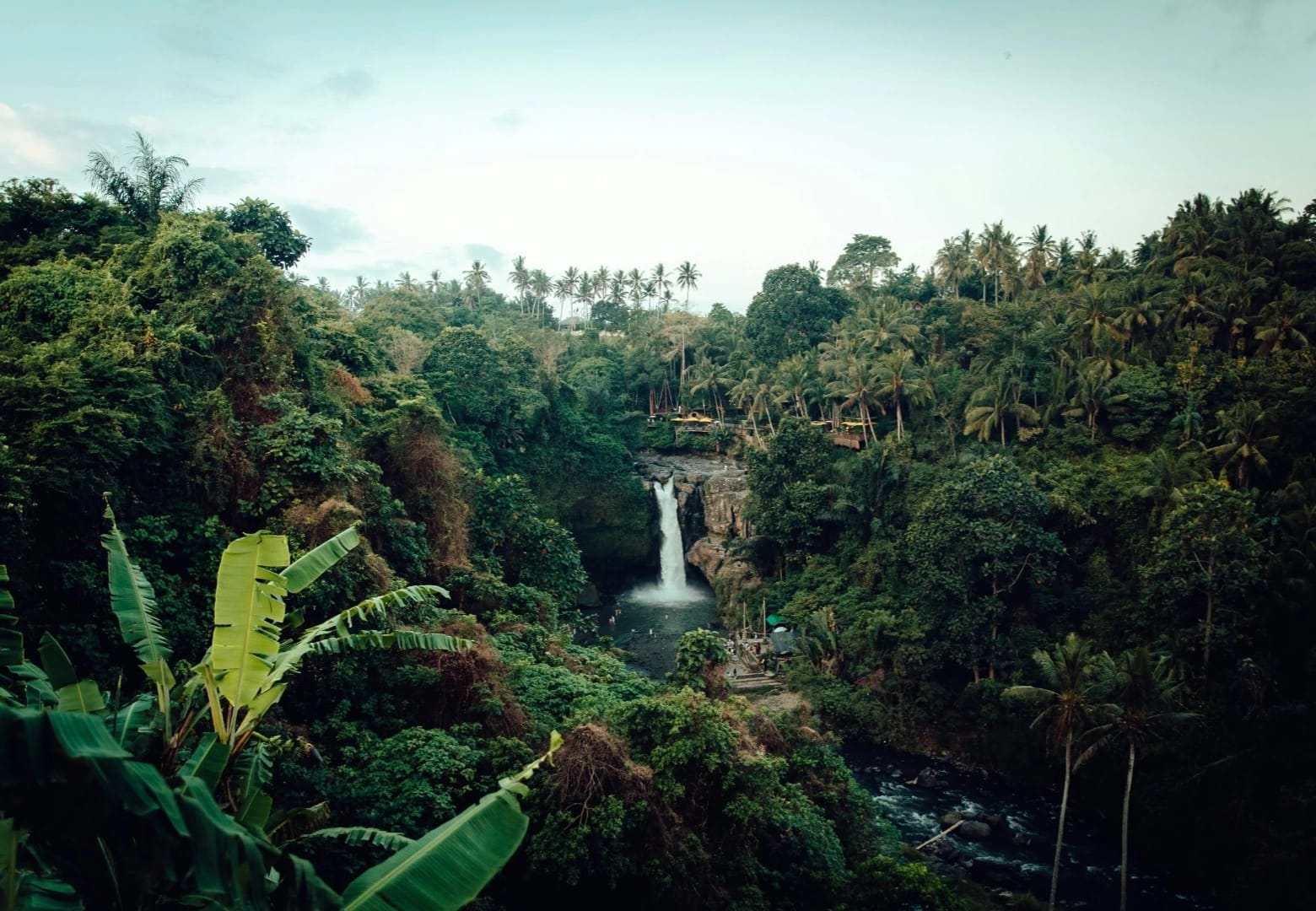
Amazon Rainforest
The Amazon Rainforest in Peru is one of the most biodiverse places on Earth, offering a unique opportunity to experience the wonders of nature in their purest form. With lush jungles, winding rivers, and rich wildlife, the Peruvian Amazon is a perfect destination for eco-tourism and adventure. A visit to this pristine rainforest offers encounters with exotic animals, remote indigenous tribes, and stunning landscapes that remain untouched by time. Whether you’re a nature lover, wildlife enthusiast, or cultural explorer, the Amazon Rainforest in Peru is an unforgettable destination.
🌍 Geography and Natural Features
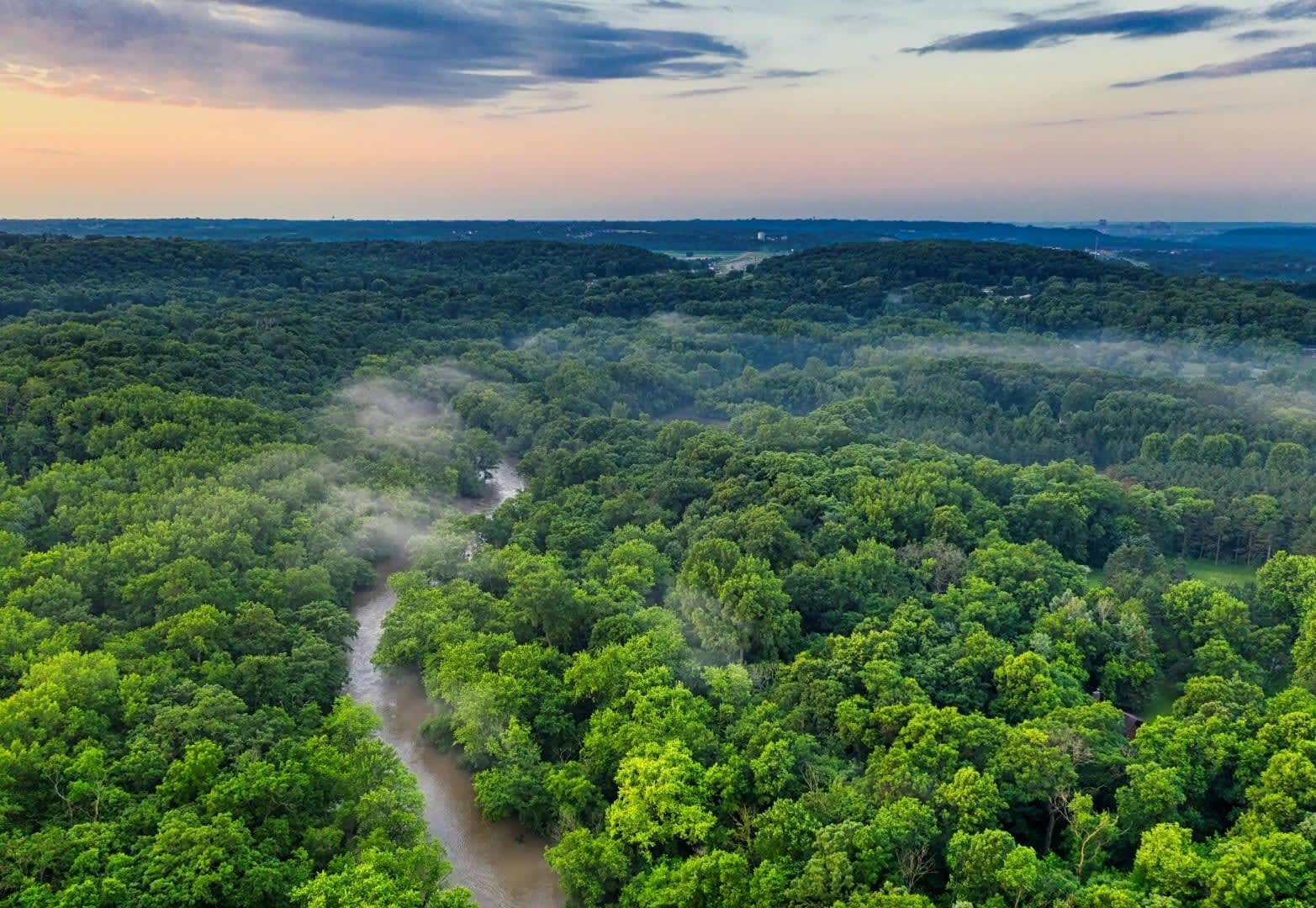
The Amazon Rainforest covers a large portion of southeastern Peru, stretching across regions such as Madre de Dios and Ucayali. It is part of the larger Amazon Basin, which spans across several South American countries. The geography of the region is characterized by its dense tropical rainforest, winding rivers, and rich wetlands. Notable natural features include the Amazon River, one of the longest rivers in the world, and the Manu National Park, a UNESCO World Heritage site known for its biological diversity.
Key geographical features of the Amazon Rainforest in Peru include:
Key geographical features of the Amazon Rainforest in Peru include:
- Amazon River: The mighty Amazon River flows through the Peruvian Amazon, creating a vital waterway for transportation and life in the jungle.
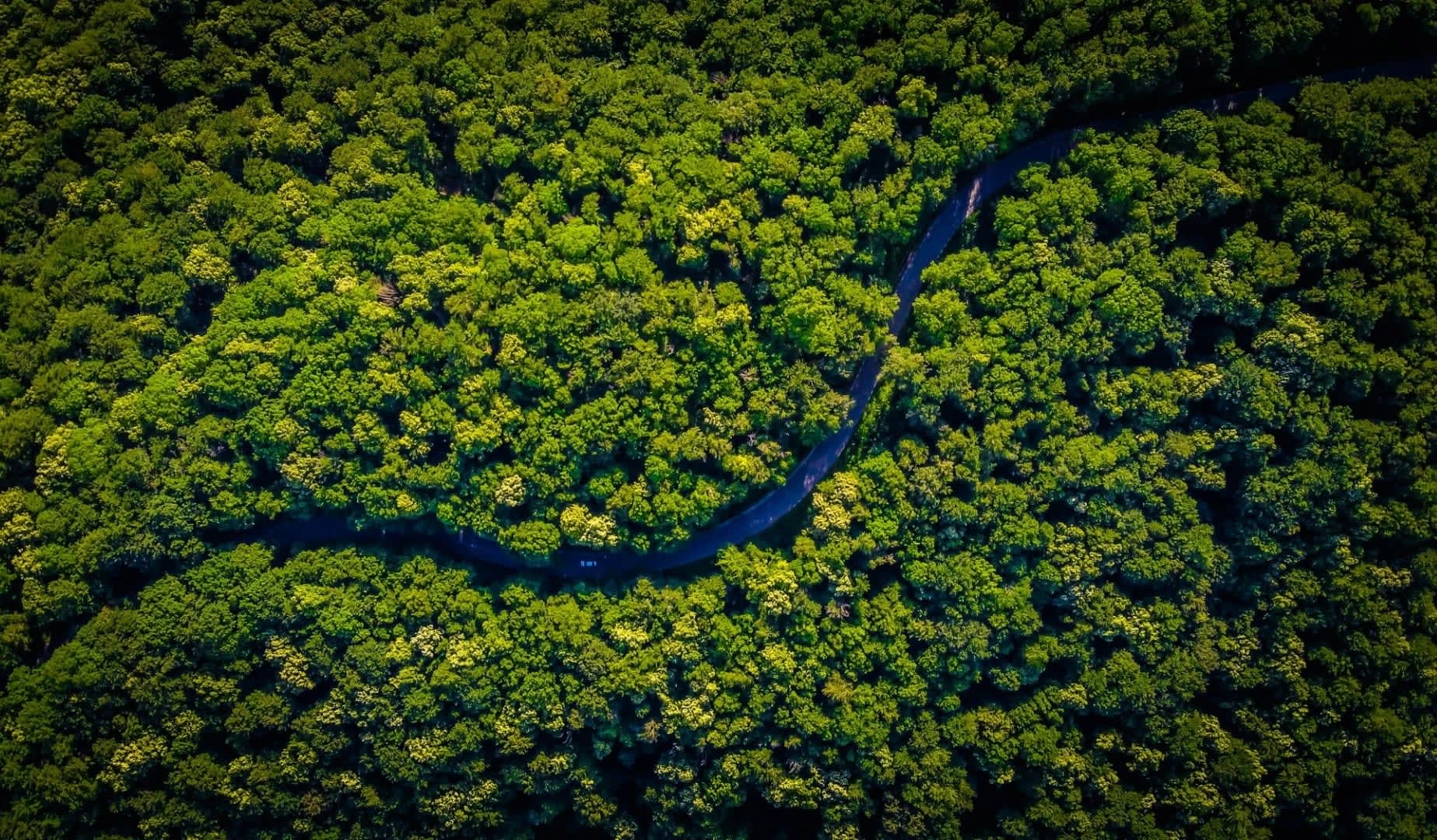
- Dense Rainforest: The region is home to a dense tropical rainforest filled with countless plant and animal species.
- Wetlands and Floodplains: The floodplains of the Amazon play an important role in the ecosystem, supporting a variety of wildlife and plant species.
- Manu National Park: A UNESCO World Heritage Site, this park is one of the most biologically diverse areas on the planet.
- Remote Rivers and Tributaries: Several smaller rivers and tributaries feed into the Amazon, providing access to remote regions of the rainforest and serving as important ecosystems.
📜 History and Cultural Significance
The Amazon Rainforest in Peru has long been home to indigenous communities, many of whom have lived in harmony with the environment for thousands of years. These tribes possess a deep knowledge of the jungle’s ecosystems and often practice sustainable methods of agriculture, fishing, and hunting. Some of the indigenous tribes, such as the Asháninka, Shipibo, and Matsés, still live in isolation, maintaining their traditional ways of life.
Historically, the Amazon was a vital part of the Inca Empire's expansion, although it remained largely unexplored by the Incas. Today, the region is of great cultural importance, and local communities continue to preserve their customs, languages, and traditions, offering travelers a unique opportunity to experience life in the rainforest.
Historically, the Amazon was a vital part of the Inca Empire's expansion, although it remained largely unexplored by the Incas. Today, the region is of great cultural importance, and local communities continue to preserve their customs, languages, and traditions, offering travelers a unique opportunity to experience life in the rainforest.
🏃 Activities and Attractions
The Amazon Rainforest offers a variety of activities for adventurous travelers looking to explore this rich ecosystem. Whether you're trekking through the jungle, cruising along the Amazon River, or visiting indigenous communities, there’s something for everyone.
Top activities and attractions in the Peruvian Amazon include:
Top activities and attractions in the Peruvian Amazon include:
- Jungle Trekking: Guided treks through the Amazon Rainforest are one of the best ways to discover its flora and fauna. Spot rare wildlife such as jaguars, monkeys, and exotic birds while immersing yourself in the jungle.
- River Cruises: Explore the Amazon River and its tributaries on a boat tour. These cruises offer close-up views of wildlife and are a great way to explore remote areas of the rainforest.
- Wildlife Spotting: The Amazon is home to an incredible array of wildlife, from vibrant macaws to elusive jaguars. Wildlife tours provide opportunities to spot some of the most iconic species in the world.
- Visit Indigenous Communities: Take part in cultural tours that bring you to indigenous villages. Learn about their traditions, crafts, and sustainable practices directly from the local people.
- Canopy Walks: Experience the rainforest from above by walking along suspended platforms that give you a bird’s-eye view of the dense jungle below.
💡 Travel Tips
Here are some helpful tips to make your journey through the Amazon Rainforest a successful and enjoyable experience:
1. Prepare for Humid and Wet Conditions: The Amazon is a tropical rainforest, so expect high humidity and occasional rain showers. Pack lightweight, breathable clothing and a waterproof jacket.
2. Vaccinations and Health Precautions: Make sure to check with your healthcare provider about necessary vaccinations and health precautions before visiting the Amazon.
3. Hire a Local Guide: For safety and to enhance your experience, it’s advisable to hire an experienced local guide who can navigate the rainforest and share their knowledge about the area.
4. Respect the Environment: The Amazon is a delicate ecosystem, so always follow eco-friendly practices, such as avoiding littering and respecting wildlife habitats.
5. Be Prepared for Adventure: While the Amazon is an extraordinary place, it can also be physically demanding. Be prepared for long treks, unpredictable weather, and rough terrain.
1. Prepare for Humid and Wet Conditions: The Amazon is a tropical rainforest, so expect high humidity and occasional rain showers. Pack lightweight, breathable clothing and a waterproof jacket.
2. Vaccinations and Health Precautions: Make sure to check with your healthcare provider about necessary vaccinations and health precautions before visiting the Amazon.
3. Hire a Local Guide: For safety and to enhance your experience, it’s advisable to hire an experienced local guide who can navigate the rainforest and share their knowledge about the area.
4. Respect the Environment: The Amazon is a delicate ecosystem, so always follow eco-friendly practices, such as avoiding littering and respecting wildlife habitats.
5. Be Prepared for Adventure: While the Amazon is an extraordinary place, it can also be physically demanding. Be prepared for long treks, unpredictable weather, and rough terrain.
🌱 Conservation Efforts
The Peruvian Amazon is one of the most ecologically important areas on Earth, and numerous conservation efforts are in place to protect its biodiversity. However, the region faces several environmental challenges, including deforestation, illegal mining, and climate change. To address these threats, various local, national, and international organizations are working to promote sustainable development and protect the rainforest.
Key conservation efforts in the Peruvian Amazon include:
1. Protected Areas: Several parts of the Amazon are designated as national parks and reserves, such as Manu National Park and the Tambopata National Reserve.
2. Eco-Tourism Initiatives: Eco-tourism is a key strategy for preserving the Amazon. It supports local communities while raising awareness about the importance of protecting the environment.
3. Indigenous Land Rights: Many indigenous communities are working to secure their land rights, ensuring that they can continue to live sustainably and protect their ancestral territories.
4. Reforestation Projects: Efforts are being made to restore areas of the rainforest that have been damaged by illegal activities or logging.
Key conservation efforts in the Peruvian Amazon include:
1. Protected Areas: Several parts of the Amazon are designated as national parks and reserves, such as Manu National Park and the Tambopata National Reserve.
2. Eco-Tourism Initiatives: Eco-tourism is a key strategy for preserving the Amazon. It supports local communities while raising awareness about the importance of protecting the environment.
3. Indigenous Land Rights: Many indigenous communities are working to secure their land rights, ensuring that they can continue to live sustainably and protect their ancestral territories.
4. Reforestation Projects: Efforts are being made to restore areas of the rainforest that have been damaged by illegal activities or logging.
✨ Conclusion
The Amazon Rainforest in Peru is one of the world's most vital ecosystems, rich in biodiversity and cultural heritage. A visit to this vibrant and lush rainforest offers travelers an unforgettable adventure, from wildlife encounters to indigenous cultural experiences. Whether you’re trekking through dense jungle, cruising the Amazon River, or learning about local traditions, the Peruvian Amazon is a destination that will leave you in awe of nature’s wonders.