

Machu Picchu
Machu Picchu, often referred to as the ‘Lost City of the Incas’, is one of the most recognized and visited archaeological sites in the world. Perched high in the Peruvian Andes at an altitude of 7,970 feet (2,430 meters), this ancient Incan city has captivated travelers and historians alike for centuries. With its stunning stone structures, mysterious origins, and breathtaking views, Machu Picchu offers a glimpse into the grandeur of the Inca Empire. Today, it stands as a UNESCO World Heritage Site, drawing thousands of visitors who come to admire its beauty, history, and mystique.
🌍 Geography and Natural Features
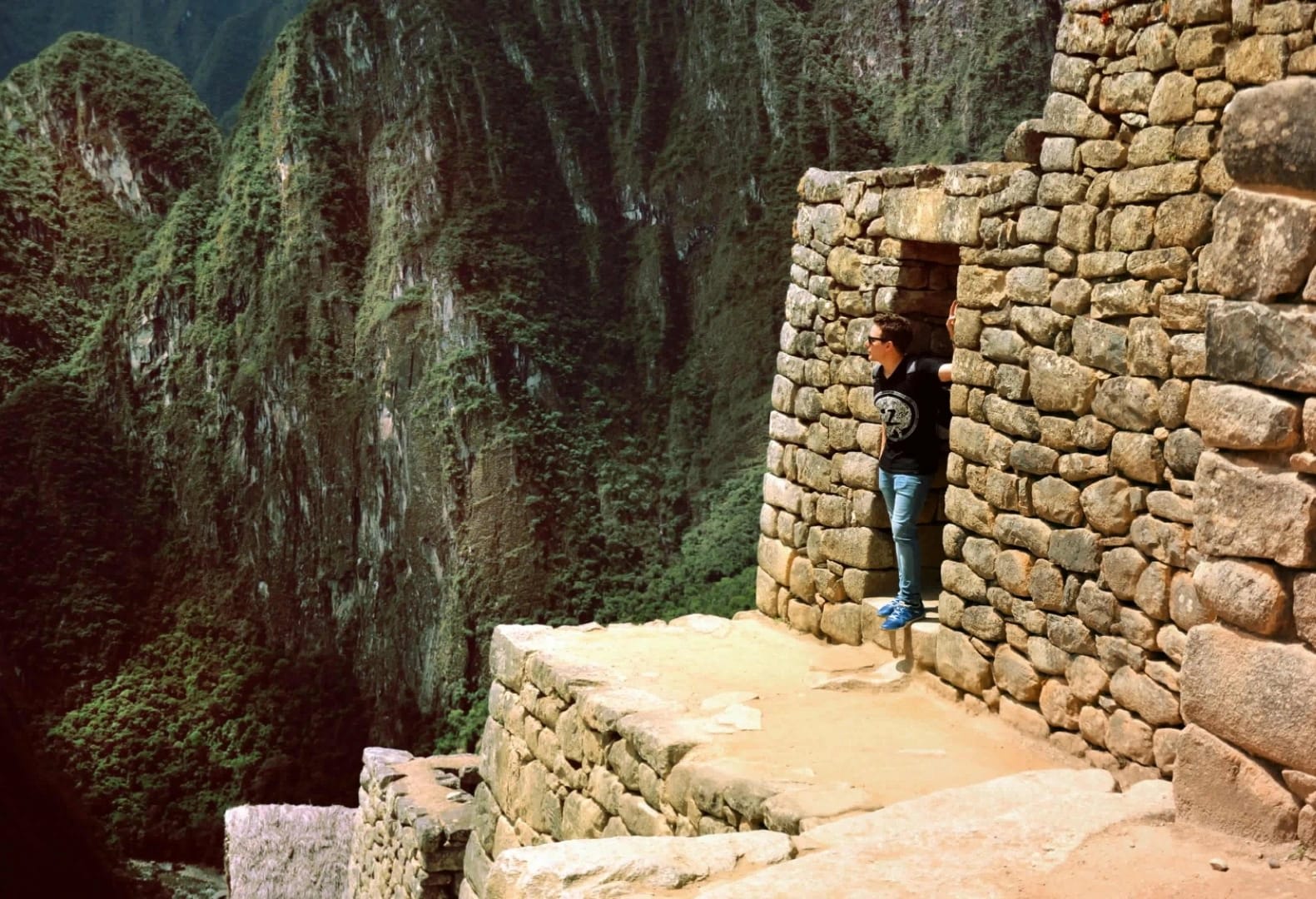
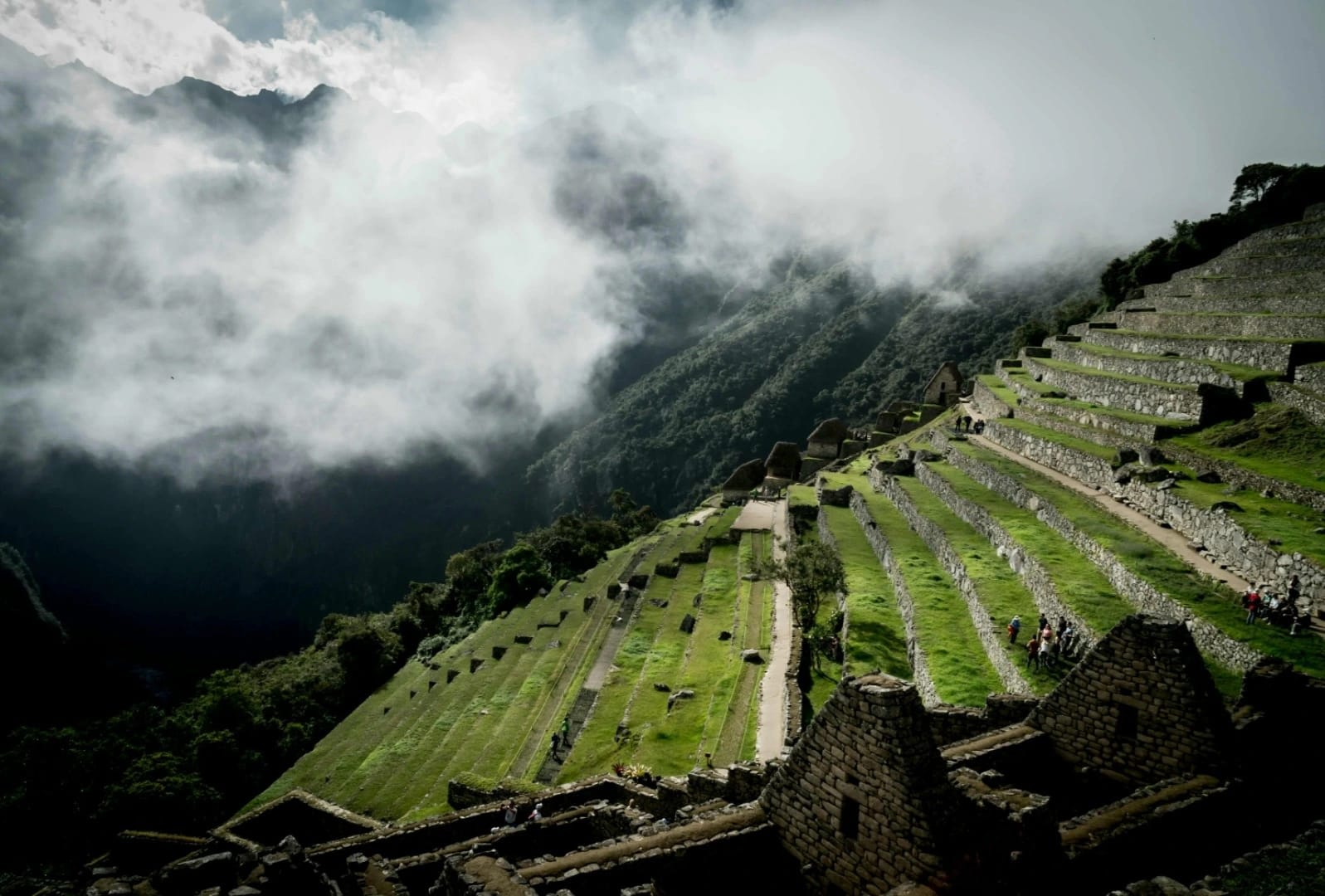
Machu Picchu’s geographical setting is as dramatic and awe-inspiring as its historical significance. Located in the rugged Andean mountain range, the site is surrounded by steep cliffs, lush valleys, and the winding Urubamba River. The landscape is rich in biodiversity and presents an impressive mix of tropical cloud forests, diverse plant species, and striking geological formations.
Here are the key geographical features of Machu Picchu and its surroundings:
Here are the key geographical features of Machu Picchu and its surroundings:
- Andean Mountain Range: Machu Picchu sits in the heart of the Andes, which is one of the most extensive mountain systems in the world. The surrounding peaks, including the famous Huayna Picchu, create a dramatic backdrop that enhances the site's mystique.
- Urubamba River Valley: The Urubamba River winds through the valley below Machu Picchu, creating a natural divide and adding to the region's beauty. This river is vital to the surrounding ecosystem, providing water to the region's diverse flora and fauna.
- Tropical Cloud Forest: The region around Machu Picchu is home to a unique tropical cloud forest, where the interplay of fog and sunlight creates an otherworldly atmosphere. The forest is teeming with diverse species of plants and animals, many of which are endemic to the region.
- Mount Machu Picchu and Huayna Picchu: The site itself is located on the summit of Machu Picchu Mountain, with Huayna Picchu towering behind it. These peaks offer breathtaking views of the archaeological site and the surrounding landscapes.
- Climate: Machu Picchu experiences a mild climate year-round, with wet season from November to March and dry season from April to October. The weather can change quickly, so visitors should be prepared for both sun and rain.
📜 History and Cultural Significance
Machu Picchu was built in the mid-15th century during the height of the Inca Empire. It is believed to have been a royal estate or ceremonial site for Inca emperors, particularly Pachacuti, who may have ordered its construction. The exact purpose of Machu Picchu remains unclear, but it is known that the site was abandoned by the Incas during the 16th century, possibly due to the Spanish conquest of the Inca Empire.
The rediscovery of Machu Picchu in 1911 by American historian Hiram Bingham brought global attention to the site and sparked widespread interest in Inca civilization. Since then, the site has become one of the most iconic symbols of the ancient world, admired for its advanced engineering, agricultural terraces, and architectural beauty.
Today, Machu Picchu is a symbol of Peru’s cultural heritage and Inca history. The site is not only a monumental archaeological achievement but also holds spiritual and cultural significance for the descendants of the Incas, the Quechua people.
The rediscovery of Machu Picchu in 1911 by American historian Hiram Bingham brought global attention to the site and sparked widespread interest in Inca civilization. Since then, the site has become one of the most iconic symbols of the ancient world, admired for its advanced engineering, agricultural terraces, and architectural beauty.
Today, Machu Picchu is a symbol of Peru’s cultural heritage and Inca history. The site is not only a monumental archaeological achievement but also holds spiritual and cultural significance for the descendants of the Incas, the Quechua people.
🏃 Activities and Attractions
Visiting Machu Picchu offers a range of activities for travelers interested in history, nature, and adventure. Beyond exploring the ancient ruins, visitors can enjoy hiking, wildlife watching, and exploring the surrounding area.
Here are some of the top activities and attractions at Machu Picchu:
Here are some of the top activities and attractions at Machu Picchu:
- Exploring the Machu Picchu Ruins: The main attraction at Machu Picchu is the ancient city itself. Visitors can wander through the Inca stone structures, including temples, plazas, and terraces. Some highlights include the Intihuatana stone (a ritual stone), the Temple of the Sun, and the Room of the Three Windows.
- Hiking Huayna Picchu: For those seeking adventure, hiking Huayna Picchu is a popular option. This steep mountain provides incredible views of Machu Picchu and the surrounding valley. The hike is challenging, but the panoramic views from the summit are well worth the effort.
- Hiking the Inca Trail: The Inca Trail is one of the most famous treks in the world. This multi-day hike takes travelers through stunning Andean scenery, ancient Inca sites, and diverse ecosystems, ultimately leading to Machu Picchu. It requires booking permits in advance, as access is limited.
- Visiting the Intipunku (Sun Gate): The Sun Gate is the entrance to Machu Picchu for those arriving along the Inca Trail. From here, visitors can see the entire city from a high vantage point and take in the beauty of the surrounding mountains and valleys.
- Exploring Aguas Calientes: The town of Aguas Calientes, located at the base of Machu Picchu, offers a range of attractions, including hot springs, local markets, and restaurants. It serves as a convenient base for those visiting the ruins.
💡 Travel Tips
To ensure a smooth and enjoyable visit to Machu Picchu, it’s important to be well-prepared. Here are some essential travel tips for your visit:
1. Book Tickets in Advance: Entrance to Machu Picchu is limited, so it’s advisable to book your tickets well in advance. Permits for hiking Huayna Picchu and the Inca Trail also sell out quickly.
2. Pack Appropriately: Be sure to bring comfortable clothing and sturdy shoes for walking on uneven terrain. A rain jacket and sunscreen are also recommended, as the weather can change rapidly.
3. Stay Hydrated: The high altitude can make it easy to become dehydrated, so be sure to carry water with you during your visit.
4. Arrive Early: To avoid crowds and experience the site in a more tranquil setting, try to arrive early in the morning when the gates open.
5. Acclimatize to the Altitude: The altitude can be challenging for some visitors. Spend a day in Aguas Calientes or Cusco to acclimatize before heading to Machu Picchu to minimize the risk of altitude sickness.
1. Book Tickets in Advance: Entrance to Machu Picchu is limited, so it’s advisable to book your tickets well in advance. Permits for hiking Huayna Picchu and the Inca Trail also sell out quickly.
2. Pack Appropriately: Be sure to bring comfortable clothing and sturdy shoes for walking on uneven terrain. A rain jacket and sunscreen are also recommended, as the weather can change rapidly.
3. Stay Hydrated: The high altitude can make it easy to become dehydrated, so be sure to carry water with you during your visit.
4. Arrive Early: To avoid crowds and experience the site in a more tranquil setting, try to arrive early in the morning when the gates open.
5. Acclimatize to the Altitude: The altitude can be challenging for some visitors. Spend a day in Aguas Calientes or Cusco to acclimatize before heading to Machu Picchu to minimize the risk of altitude sickness.
🌱 Conservation Efforts
As one of the most visited and important archaeological sites in the world, Machu Picchu faces significant challenges in terms of preservation and conservation. The Peruvian government, in collaboration with UNESCO and other organizations, has implemented various measures to protect the site from environmental degradation, overcrowding, and the effects of tourism.
1. Limited Visitor Access: To prevent overcrowding, the Peruvian government has implemented a system that limits the number of daily visitors to Machu Picchu. This helps protect the integrity of the site and ensures a more comfortable experience for travelers.
2. Restoration Projects: Ongoing restoration and conservation work is being carried out at various parts of Machu Picchu to preserve its structural integrity. Archaeologists and engineers continue to monitor the site to prevent further damage.
3. Environmental Protection: Efforts to protect the surrounding ecosystem, including the Andean cloud forests and wildlife, are also a priority. Sustainable tourism practices are being promoted to reduce the environmental impact of visitors.
1. Limited Visitor Access: To prevent overcrowding, the Peruvian government has implemented a system that limits the number of daily visitors to Machu Picchu. This helps protect the integrity of the site and ensures a more comfortable experience for travelers.
2. Restoration Projects: Ongoing restoration and conservation work is being carried out at various parts of Machu Picchu to preserve its structural integrity. Archaeologists and engineers continue to monitor the site to prevent further damage.
3. Environmental Protection: Efforts to protect the surrounding ecosystem, including the Andean cloud forests and wildlife, are also a priority. Sustainable tourism practices are being promoted to reduce the environmental impact of visitors.
✨ Conclusion
Machu Picchu is more than just an archaeological wonder; it is a symbol of the Inca Empire’s ingenuity and a testament to the enduring spirit of the Peruvian people. With its stunning geography, rich history, and cultural significance, a visit to Machu Picchu offers a once-in-a-lifetime experience. Whether you’re hiking the Inca Trail, exploring the ruins, or simply soaking in the spectacular views, Machu Picchu will leave you with memories to treasure forever.