


Paricutin
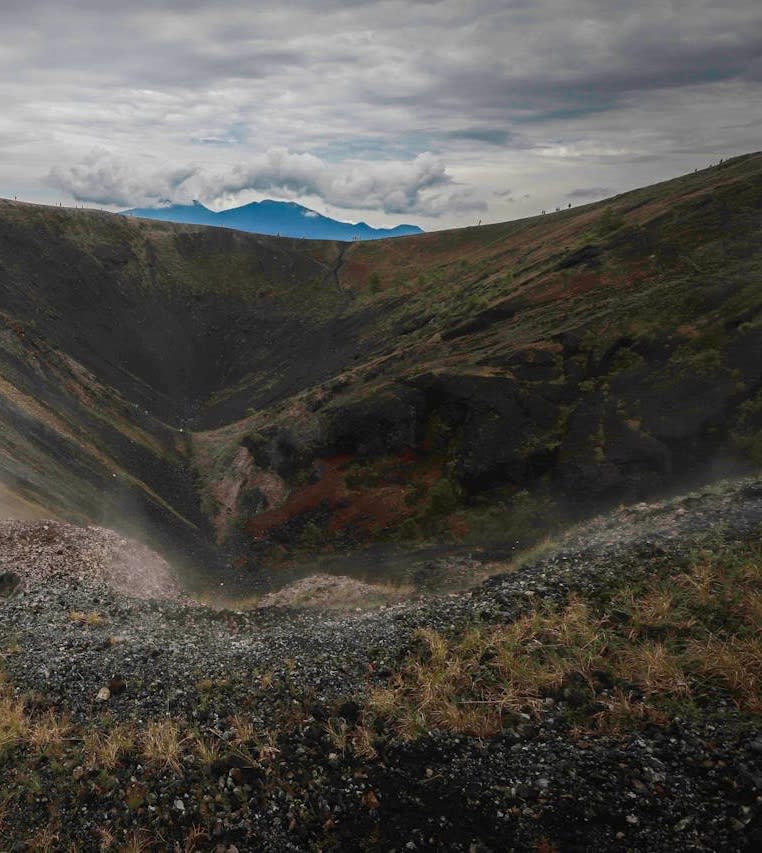
Paricutín is a cinder cone volcano that dramatically appeared in 1943 in the village of Parangaricutiro, Michoacán. Within a year, it had buried two villages under lava and ash, reshaping the landscape and forcing entire communities to relocate. Today, it is considered one of the Seven Natural Wonders of the World, attracting geologists, adventurers, and cultural explorers alike.
🌍 Geography and Ecosystem
Paricutín’s landscapes are a striking mix of volcanic formations and reborn ecosystems:
- Cinder Cone: The volcano’s cone rises about 424 meters (1,391 ft) above the surrounding terrain, a textbook example of volcanic birth and growth.
- Lava Fields: Vast ‘aa’ and ‘pahoehoe’ lava flows stretch across the countryside, black and rugged, creating a dramatic contrast against nearby greenery.
- Basalt Formations: Unique basalt rock patterns showcase the geological power of the eruption.
- Flora and Fauna: Despite the devastation, life has returned — with hardy shrubs, pines, and bird species adapting to the volcanic soil.
📜 History and Cultural Significance
On February 20, 1943, farmer Dionisio Pulido witnessed the ground in his cornfield crack open, releasing smoke and ash. Within days, Paricutín was born, and within a year, it had engulfed the villages of Paricutín and San Juan Parangaricutiro. Today, the ruins of the San Juan Parangaricutiro Church, half-buried in lava, stand as a haunting monument to the eruption. Locally, the volcano is a symbol of nature’s unstoppable force and the resilience of Michoacán’s people.
🏃 Activities and Attractions
Visitors can explore Paricutín through adventure and cultural immersion:
- Hiking: Trek to the summit of the cone for panoramic views of Michoacán’s volcanic plateau.
- Horseback Riding: Guided tours from the village of Angahuan lead visitors across lava fields and to the buried church.
- Photography: Capture the eerie beauty of the half-submerged church, lava fields, and volcanic cone.
- Cultural Encounters: Experience Purépecha traditions in nearby communities, including crafts and regional cuisine.
💡 Travel Tips
Best Time to Visit: November to April, during the dry season, when trails are more accessible.
What to Bring: Sturdy hiking boots, sunscreen, hat, water, and a camera are essential.
How to Get There: Paricutín is accessible from Uruapan or Morelia. Many visitors start from the village of Angahuan, where local guides offer tours.
Accommodation: Stay in Angahuan for a rustic experience, or in Uruapan for more amenities.
🌱 Conservation
Preservation Efforts: While Paricutín is geologically stable today, local and scientific efforts focus on preserving its surrounding ecosystems and cultural heritage.
Visitor Guidelines: Respect designated trails, avoid littering, and support local communities by hiring guides and buying crafts.
Sustainable Tourism: The volcano is a symbol of resilience; visiting responsibly ensures its history and environment are honored.
✨ Conclusion
The Paricutín Volcano is not only a natural wonder but also a cultural landmark of Mexico. Born before the eyes of astonished villagers, it embodies the force of Earth’s geological processes. From the buried church to its stark lava fields, Paricutín offers a journey through history, science, and tradition. A visit here is a profound reminder of our planet’s power and the enduring strength of human communities.