

Cenotes Yucatan
Cenotes Yucatan is a mesmerizing network of natural sinkholes scattered across the Yucatan Peninsula in Mexico. These cenotes are ancient limestone formations resulting from the collapse of cave ceilings, revealing crystal-clear freshwater pools beneath the Earth's surface. Some cenotes are open-air, while others are enclosed within cave systems, with depths ranging from a few feet to over 100 feet. The region is home to over 6,000 cenotes, each offering a unique and enchanting experience for visitors.
🌍 Geography and Ecosystem
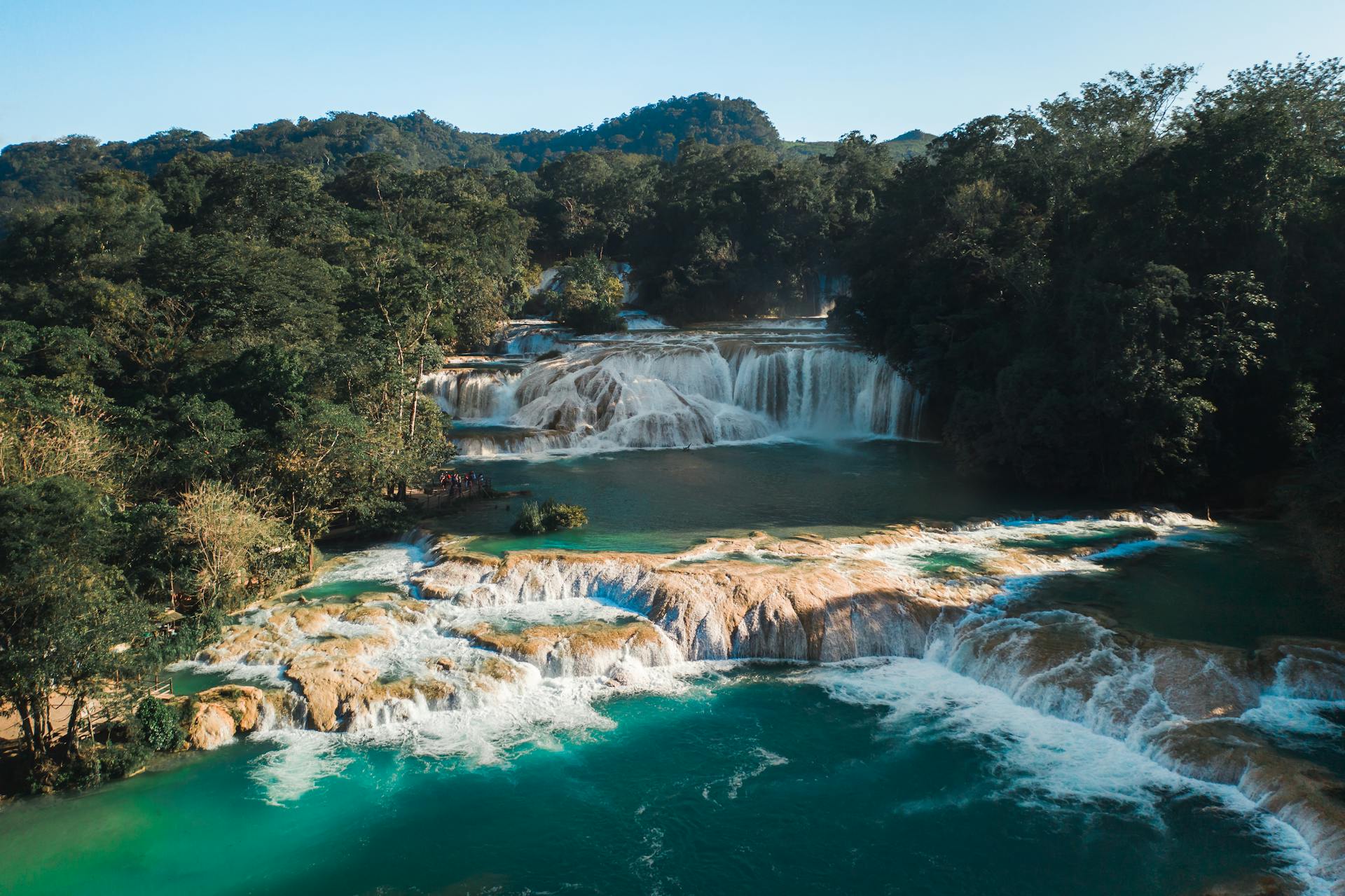
Nestled amidst the lush Yucatan jungle, Cenotes Yucatan boasts a diverse landscape of verdant vegetation and limestone formations. The cenotes themselves are characterized by their striking turquoise waters, created by a combination of rainwater filtering through the porous limestone and underground rivers.
- Stalactites and Stalagmites: Many cenotes feature intricate rock formations, including stalactites hanging from the cave ceilings and stalagmites rising from the cave floors, showcasing the geological wonders of the region.
- Biodiversity: The cenotes serve as vital ecosystems, supporting a rich array of flora and fauna. Visitors can spot tropical fish, turtles, and even unique cave-dwelling species in these secluded aquatic habitats.
- Haloclines: Some cenotes exhibit haloclines, where freshwater and saltwater layers meet, creating mesmerizing visual effects as the two liquids refract light differently.
📜 History and Cultural Significance
The cenotes of the Yucatan Peninsula hold immense historical and cultural significance for the Mayan civilization that once thrived in the region. These natural wonders were considered sacred by the ancient Mayans, who believed they were portals to the underworld. Cenotes were not only a vital water source for the Mayan people but also served as ceremonial sites for rituals and sacrifices. Today, these sites continue to be revered for their cultural heritage, with many cenotes still preserving traces of Mayan artifacts and legends.
🏃 Activities and Attractions
Visitors to Cenotes Yucatan can embark on a myriad of exciting activities that showcase the natural beauty and cultural heritage of the region.
- Swimming and Snorkeling: Dive into the crystal-clear waters of the cenotes to explore underwater caves, rock formations, and vibrant marine life. Snorkeling allows visitors to witness the cenotes' diverse ecosystems up close.
- Cenote Diving: Experienced divers can venture into the depths of cenotes, discovering hidden chambers, submerged tunnels, and awe-inspiring geological formations beneath the surface.
- Zip-lining and Cliff Jumping: Thrill-seekers can soar above the cenotes on zip lines or experience an adrenaline rush by cliff jumping into the refreshing waters below.
💡 Travel Tips
Best Time to Visit: The best time to visit Cenotes Yucatan is during the dry season from November to April when the weather is pleasant and ideal for outdoor activities.
What to Bring: Remember to pack swimwear, sunscreen, insect repellent, water shoes, and a waterproof camera to capture the stunning cenote landscapes.
How to Get There: Cenotes Yucatan is easily accessible from popular tourist destinations like Tulum and Playa del Carmen, with guided tours and transportation services available.
Accommodation: Visitors can choose from a range of accommodations in nearby towns and resorts, offering convenient access to the cenotes and other attractions in the region.
🌱 Conservation
Preservation efforts are crucial to safeguard the delicate ecosystems of Cenotes Yucatan and protect these natural wonders for future generations.
Visitor Guidelines: To minimize environmental impact, visitors are encouraged to avoid using sunscreen containing harmful chemicals, respect wildlife, and follow designated trails when exploring the cenotes.
Conservation Initiatives: Local organizations and authorities are actively involved in conservation projects aimed at preserving water quality, maintaining biodiversity, and promoting sustainable tourism practices in the region.
✨ Conclusion
Cenotes Yucatan stands as a captivating testament to the raw beauty of nature and the rich cultural heritage of the Mayan civilization. From the mystical depths of underwater caves to the lush jungles enveloping these hidden gems, every corner of Cenotes Yucatan exudes a sense of wonder and tranquility. Whether you seek adventure, cultural immersion, or simply a moment of serenity in nature, a visit to Cenotes Yucatan promises an unforgettable experience that will leave you in awe of the Earth's natural wonders.