

Raja Ampat
Raja Ampat, an archipelago located in the easternmost part of Indonesia’s West Papua province, is renowned for its extraordinary marine biodiversity and breathtaking landscapes. Often considered one of the world’s premier diving destinations, Raja Ampat is a paradise for marine enthusiasts, nature lovers, and adventure seekers alike. With its stunning coral reefs, pristine islands, and vibrant underwater ecosystems, Raja Ampat offers a unique and unparalleled experience in the world of tropical exploration. This guide delves into the geography, history, attractions, activities, travel tips, conservation efforts, and visitor experiences in Raja Ampat.
🌍 Geography and Natural Features
Raja Ampat’s geography and natural features are central to its reputation as a marine paradise, showcasing a rich tapestry of landscapes and ecosystems.
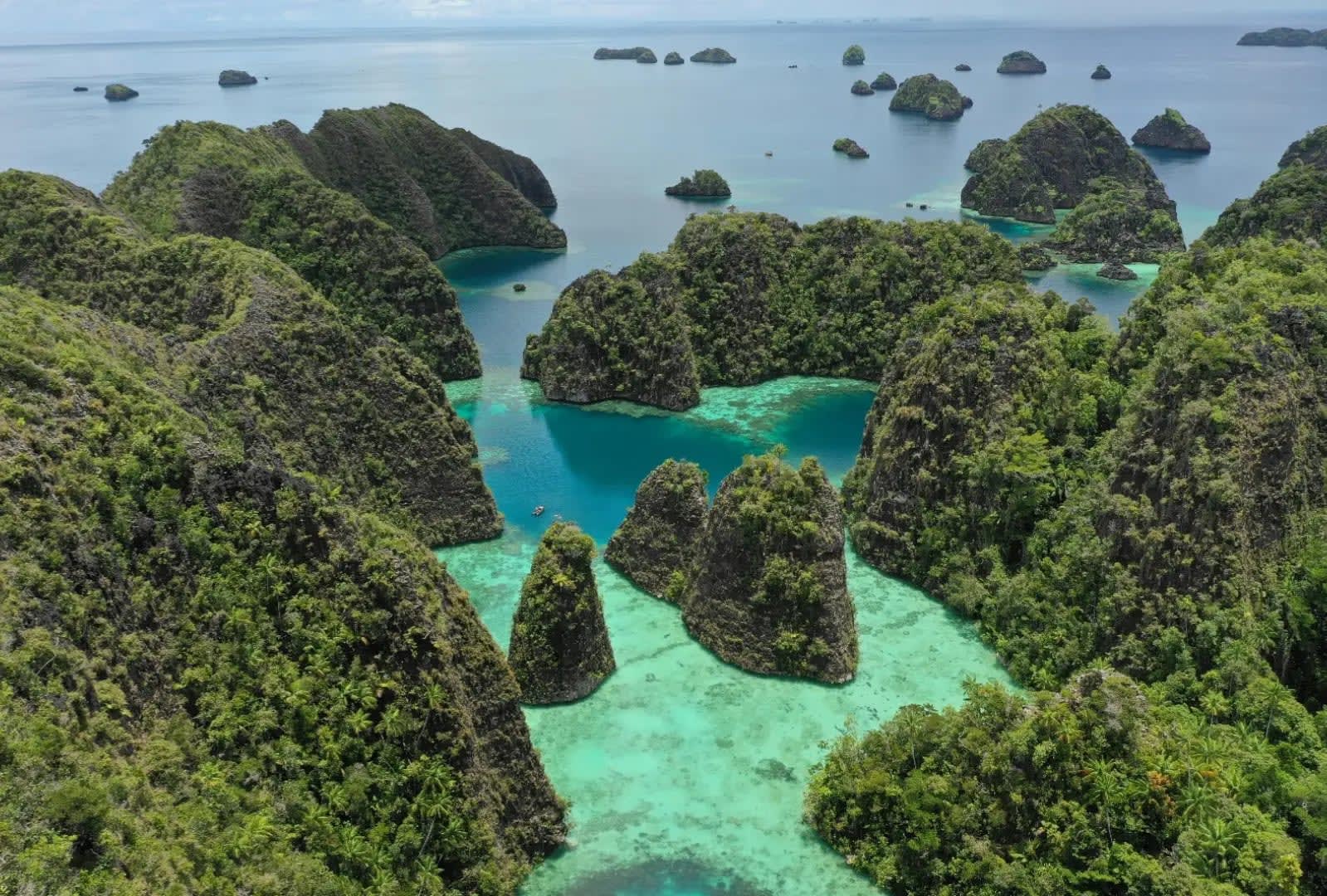
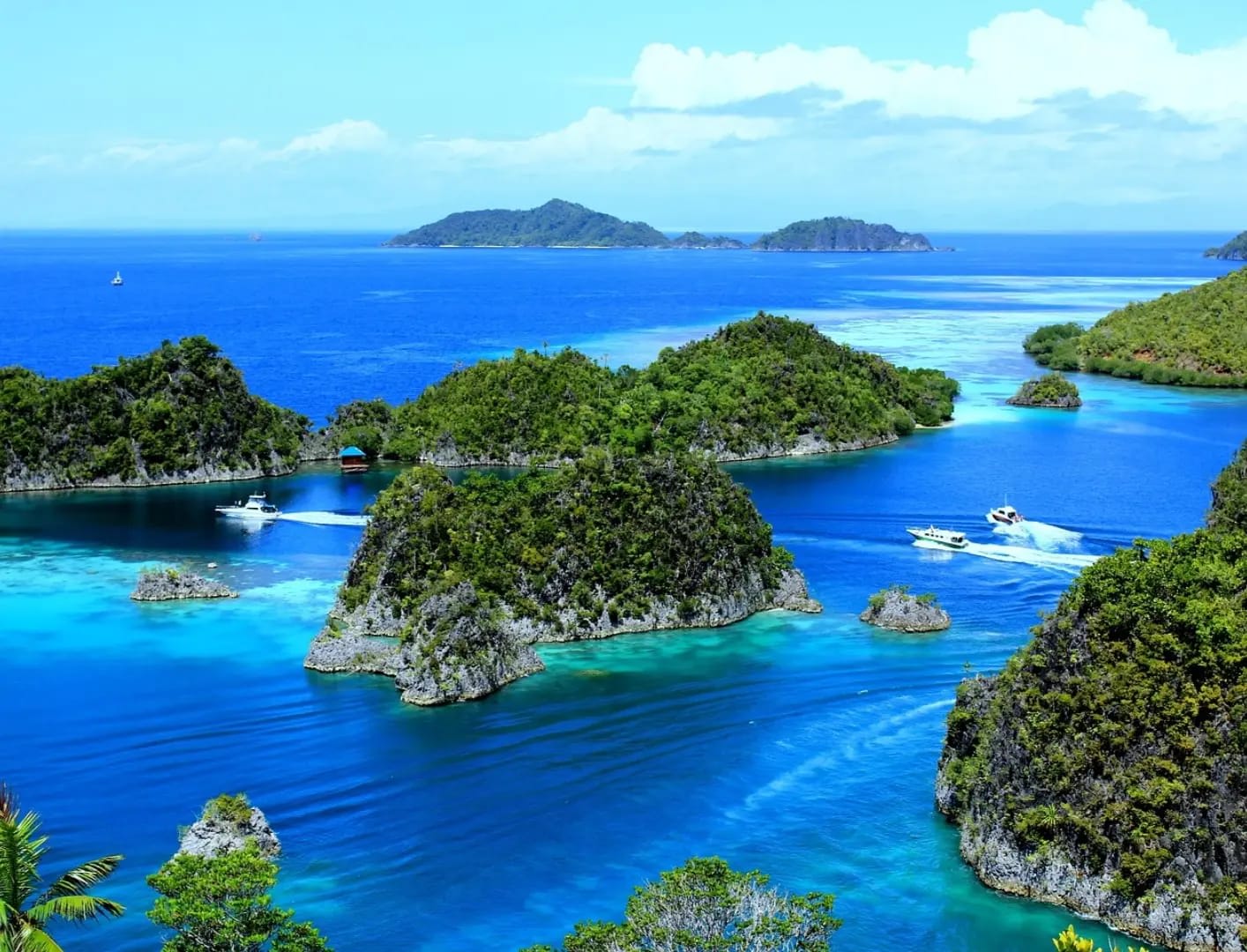
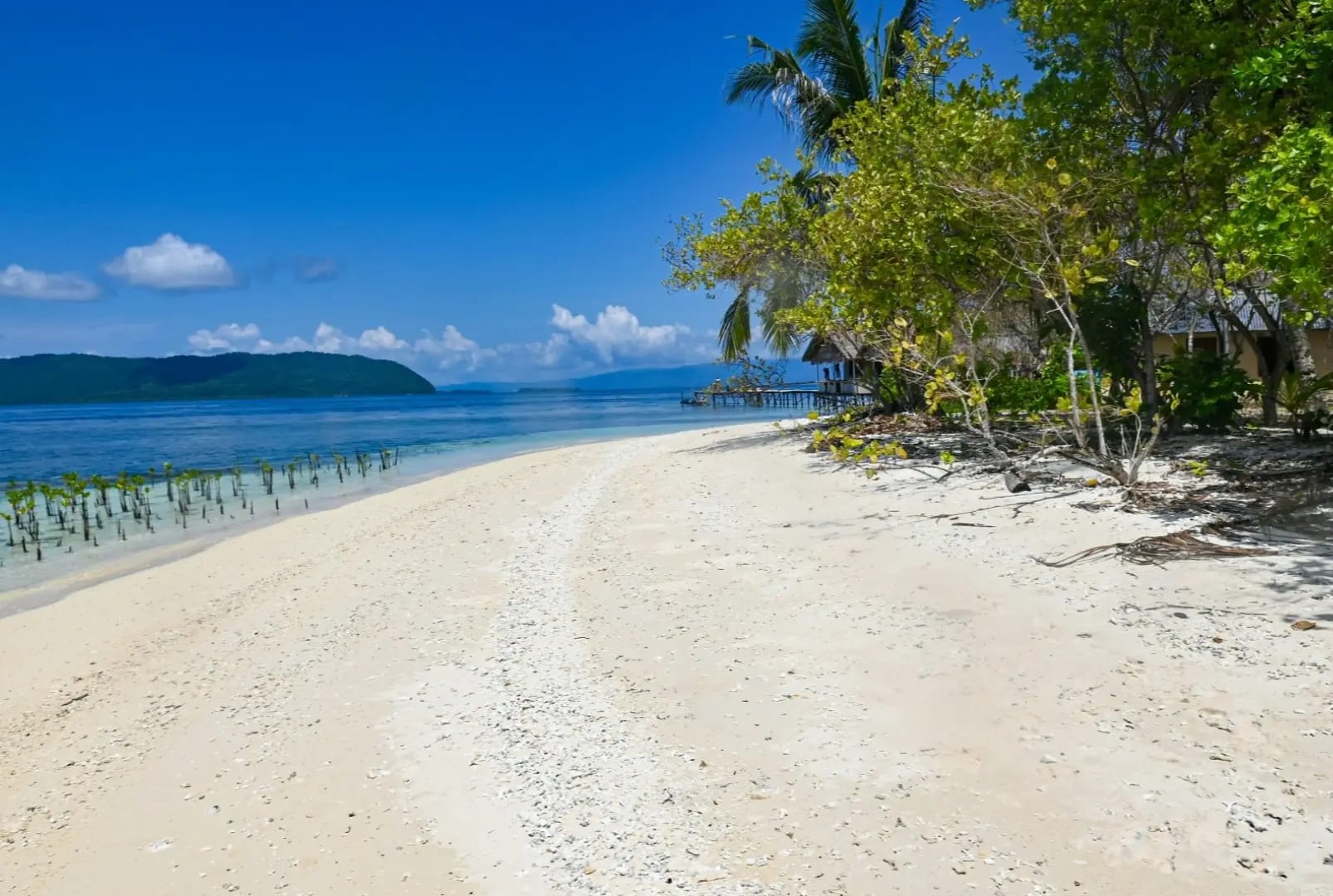
- Location and Terrain: Raja Ampat is situated in the Coral Triangle, an area recognized for its marine biodiversity, in the western Pacific Ocean. The archipelago comprises over 1,500 small islands and cays, scattered across the northern tip of the Bird’s Head Peninsula of Papua. The terrain is diverse, ranging from steep limestone cliffs and rugged hills to pristine white sandy beaches and lush tropical forests. The islands are surrounded by vibrant coral reefs and clear turquoise waters, creating an idyllic setting for exploration.
- Climate: Raja Ampat experiences a tropical climate characterized by high temperatures and humidity throughout the year. The region has a wet season, from November to April, with increased rainfall and occasional storms, and a dry season, from May to October, which is generally drier and more suitable for outdoor activities. The dry season offers optimal conditions for diving, snorkeling, and island hopping, with clearer visibility and calmer seas.
- Ecosystem and Biodiversity: Raja Ampat is renowned for its exceptional marine biodiversity, often referred to as the ‘Amazon of the Seas’. The coral reefs are home to over 1,500 species of fish, 600 species of coral, and numerous other marine organisms. The region also supports various terrestrial habitats, including mangroves, rainforests, and seabird nesting sites. This extraordinary level of biodiversity makes Raja Ampat one of the most important marine conservation areas in the world.
📜 History and Cultural Significance
The history and cultural significance of Raja Ampat are integral to understanding its unique identity and importance in both local and global contexts.
Historical Background: Raja Ampat has a rich history that dates back to early maritime trade routes and local indigenous cultures. The archipelago was historically inhabited by various Papuan tribes who relied on the marine environment for sustenance. European explorers and traders arrived in the region during the 16th century, bringing with them new influences and establishing trade relationships. The area remained relatively isolated until the late 20th century, when its marine treasures began to attract international attention.
Cultural Significance: Raja Ampat is culturally significant for the indigenous Papuan communities, who have lived in harmony with the marine environment for centuries. The local cultures have a deep respect for nature and traditional practices, including fishing techniques and rituals associated with the sea. The region’s cultural heritage is reflected in local art, music, and ceremonies. Efforts to preserve and celebrate these cultural traditions are important aspects of conservation and tourism in Raja Ampat.
Historical Background: Raja Ampat has a rich history that dates back to early maritime trade routes and local indigenous cultures. The archipelago was historically inhabited by various Papuan tribes who relied on the marine environment for sustenance. European explorers and traders arrived in the region during the 16th century, bringing with them new influences and establishing trade relationships. The area remained relatively isolated until the late 20th century, when its marine treasures began to attract international attention.
Cultural Significance: Raja Ampat is culturally significant for the indigenous Papuan communities, who have lived in harmony with the marine environment for centuries. The local cultures have a deep respect for nature and traditional practices, including fishing techniques and rituals associated with the sea. The region’s cultural heritage is reflected in local art, music, and ceremonies. Efforts to preserve and celebrate these cultural traditions are important aspects of conservation and tourism in Raja Ampat.
🏃 Activities and Attractions
Raja Ampat offers a wide range of activities and attractions that highlight its natural beauty and marine diversity.
- Diving and Snorkeling: Raja Ampat is celebrated for its world-class diving and snorkeling experiences. The archipelago boasts some of the most pristine and biodiverse coral reefs in the world. Popular dive sites include the renowned Misool, Dampier Strait, and Wayag Island. Divers can explore vibrant coral gardens, encounter large pelagic species, and witness the rich marine life that defines Raja Ampat’s underwater ecosystem. Snorkeling trips provide similar opportunities to see colorful reefs and abundant marine species in shallow waters.
- Island Hopping: Exploring the various islands of Raja Ampat is a must-do activity. Each island has its own unique features, from hidden lagoons and caves to dramatic limestone formations. Popular islands for island hopping include Wayag Island, known for its stunning karst formations and turquoise lagoons, and Pianemo Island, famous for its panoramic views and picturesque landscapes. Island hopping allows visitors to experience the diverse beauty of the archipelago and enjoy activities such as hiking, swimming, and beachcombing.
- Birdwatching: Raja Ampat is home to a variety of bird species, including endemic and rare species. Birdwatching enthusiasts can spot birds such as the Wilson’s Bird-of-Paradise, Red Bird-of-Paradise, and various species of sea eagles and parrots. Birdwatching tours are available and provide opportunities to observe and photograph these fascinating birds in their natural habitats.
- Cultural Experiences: Engaging with the local Papuan communities provides insights into the traditional way of life and cultural practices. Visitors can participate in cultural tours that include visits to local villages, interactions with indigenous people, and learning about traditional fishing techniques and ceremonies. These experiences offer a deeper understanding of the cultural heritage and social fabric of Raja Ampat.
💡 Travel Tips
To make the most of your visit to Raja Ampat, consider these practical travel tips and recommendations.
Best Time to Visit: The best time to visit Raja Ampat is during the dry season, from May to October, when the weather is more favorable for outdoor activities and marine exploration. The dry season offers clearer skies, calmer seas, and better visibility for diving and snorkeling. The wet season, from November to April, can bring heavy rainfall and rough seas, which may impact travel plans and activities.
Getting There: Raja Ampat is accessible via flights from Jakarta or Bali to Sorong, the nearest major city on the mainland. From Sorong, visitors can take a domestic flight or speedboat to the islands. Travel arrangements are often made through tour operators who can organize transfers, accommodation, and guided tours. It is advisable to book flights and accommodations in advance, especially during peak travel seasons.
What to Bring: Pack light and comfortable clothing suitable for tropical weather, including swimwear, sun protection (sunscreen, hat, sunglasses), and lightweight footwear. If you plan to engage in diving or snorkeling, bring your own gear if possible, although rental options are available. Essential items include a camera, insect repellent, and personal medications. For longer stays, bring additional clothing and toiletries.
Best Time to Visit: The best time to visit Raja Ampat is during the dry season, from May to October, when the weather is more favorable for outdoor activities and marine exploration. The dry season offers clearer skies, calmer seas, and better visibility for diving and snorkeling. The wet season, from November to April, can bring heavy rainfall and rough seas, which may impact travel plans and activities.
Getting There: Raja Ampat is accessible via flights from Jakarta or Bali to Sorong, the nearest major city on the mainland. From Sorong, visitors can take a domestic flight or speedboat to the islands. Travel arrangements are often made through tour operators who can organize transfers, accommodation, and guided tours. It is advisable to book flights and accommodations in advance, especially during peak travel seasons.
What to Bring: Pack light and comfortable clothing suitable for tropical weather, including swimwear, sun protection (sunscreen, hat, sunglasses), and lightweight footwear. If you plan to engage in diving or snorkeling, bring your own gear if possible, although rental options are available. Essential items include a camera, insect repellent, and personal medications. For longer stays, bring additional clothing and toiletries.
🌱 Conservation
Conservation efforts in Raja Ampat are crucial for preserving its unique marine and terrestrial environments and ensuring sustainable tourism practices.
Marine Conservation: Raja Ampat is a focal point for marine conservation efforts, with numerous initiatives aimed at protecting coral reefs, marine biodiversity, and endangered species. Conservation programs focus on monitoring coral health, reducing marine pollution, and implementing sustainable fishing practices. Marine protected areas and no-take zones have been established to safeguard critical habitats and promote the recovery of damaged ecosystems.
Sustainable Tourism: Sustainable tourism practices are essential for maintaining the natural beauty and ecological balance of Raja Ampat. Visitors are encouraged to follow responsible tourism guidelines, such as minimizing waste, avoiding damage to coral reefs, and supporting local communities. Tour operators often promote eco-friendly practices and work with conservation organizations to ensure that tourism benefits both the environment and local people.
Community Involvement: Engaging local communities in conservation efforts is a key component of preserving Raja Ampat’s natural heritage. Community-based conservation programs involve local residents in managing and protecting natural resources, promoting sustainable livelihoods, and preserving cultural traditions. Collaborating with local communities helps ensure that conservation efforts are effective and that the benefits of tourism are shared equitably.
Marine Conservation: Raja Ampat is a focal point for marine conservation efforts, with numerous initiatives aimed at protecting coral reefs, marine biodiversity, and endangered species. Conservation programs focus on monitoring coral health, reducing marine pollution, and implementing sustainable fishing practices. Marine protected areas and no-take zones have been established to safeguard critical habitats and promote the recovery of damaged ecosystems.
Sustainable Tourism: Sustainable tourism practices are essential for maintaining the natural beauty and ecological balance of Raja Ampat. Visitors are encouraged to follow responsible tourism guidelines, such as minimizing waste, avoiding damage to coral reefs, and supporting local communities. Tour operators often promote eco-friendly practices and work with conservation organizations to ensure that tourism benefits both the environment and local people.
Community Involvement: Engaging local communities in conservation efforts is a key component of preserving Raja Ampat’s natural heritage. Community-based conservation programs involve local residents in managing and protecting natural resources, promoting sustainable livelihoods, and preserving cultural traditions. Collaborating with local communities helps ensure that conservation efforts are effective and that the benefits of tourism are shared equitably.
✨ Conclusion
Raja Ampat stands as a premier destination for those seeking an unparalleled tropical experience, combining stunning natural landscapes, rich marine biodiversity, and cultural experiences. The archipelago’s pristine coral reefs, diverse marine life, and scenic beauty make it a haven for adventure seekers and nature enthusiasts. Conservation efforts play a critical role in preserving the environmental and cultural heritage of Raja Ampat, ensuring that future generations can continue to enjoy its wonders. A visit to Raja Ampat promises an extraordinary journey into one of the world’s most remarkable marine environments, offering a chance to connect with nature and explore the splendors of Indonesia’s easternmost paradise.


