
Bali Dreams
Bali, is a stunningly beautiful and culturally rich island located in Indonesia. Known for its picturesque landscapes, vibrant culture, and diverse attractions, Bali has become a top destination for travelers seeking both relaxation and adventure. From its pristine beaches and lush rice terraces to its ancient temples and bustling markets, Bali offers a unique blend of natural beauty and cultural heritage. This comprehensive guide explores the geography, history, attractions, activities, travel tips, conservation efforts, and visitor experiences associated with Bali.
🌍 Geography and Natural Features
Bali's diverse geography and natural features contribute to its appeal as a travel destination, offering a range of landscapes and environments.
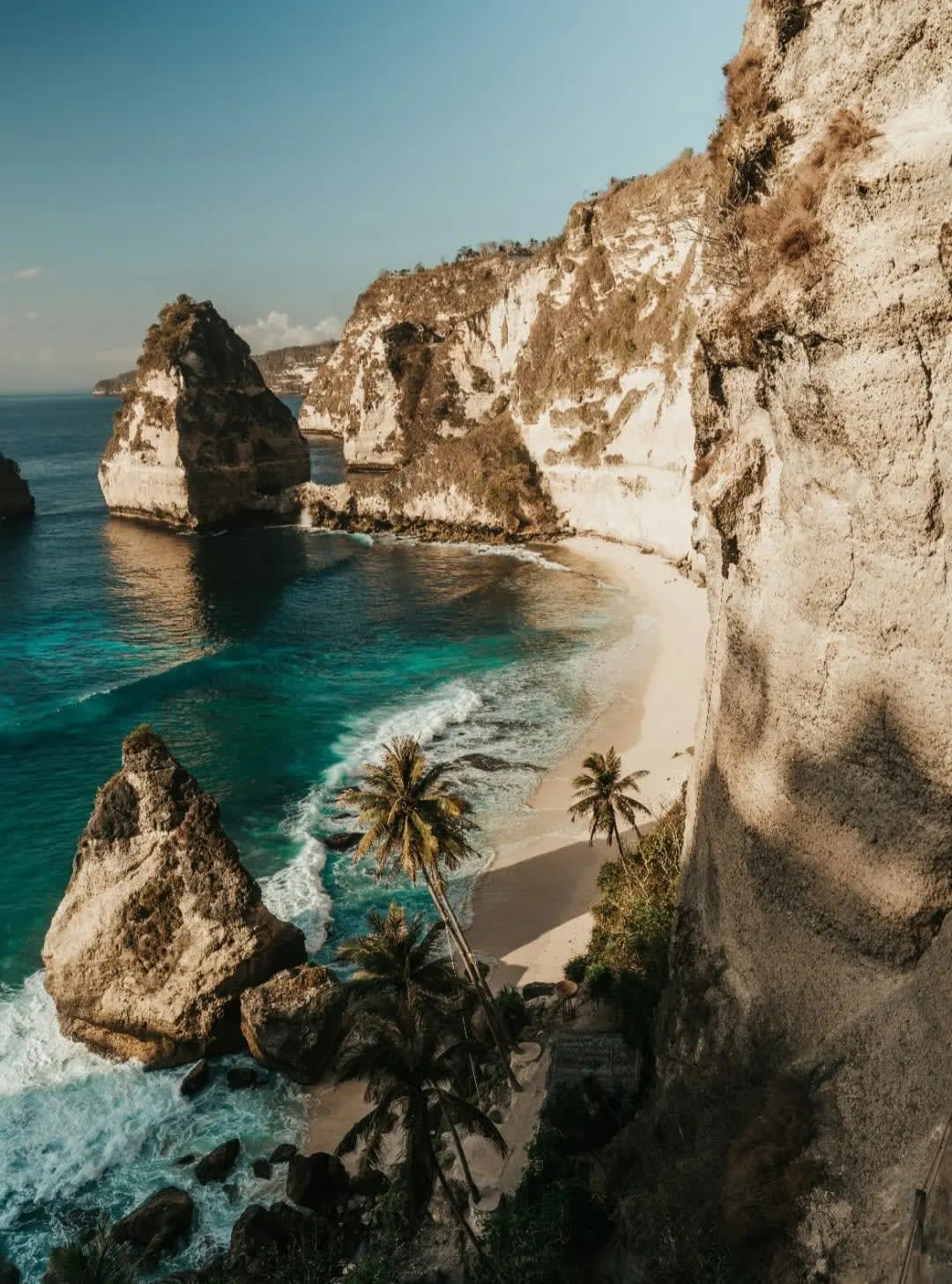
- Location and Terrain: Bali is an island located in the westernmost end of the Lesser Sunda Islands, situated between Java to the west and Lombok to the east. The island covers an area of approximately 5,780 square kilometers (2,231 square miles). Bali's terrain is varied, with volcanic mountains, lush valleys, terraced rice fields, and an extensive coastline featuring both sandy beaches and rocky cliffs. The central region of the island is dominated by the volcanic peaks of Mount Agung and Mount Batur, which are key features of the island's landscape.
- Climate: Bali enjoys a tropical climate with two distinct seasons: the dry season and the wet season. The dry season typically runs from April to September, characterized by warm temperatures and minimal rainfall. The wet season, from October to March, brings higher humidity and frequent rainfall, which contributes to the island's lush vegetation. Average temperatures on the island range from 20°C to 32°C (68°F to 90°F), making it a pleasant destination year-round.
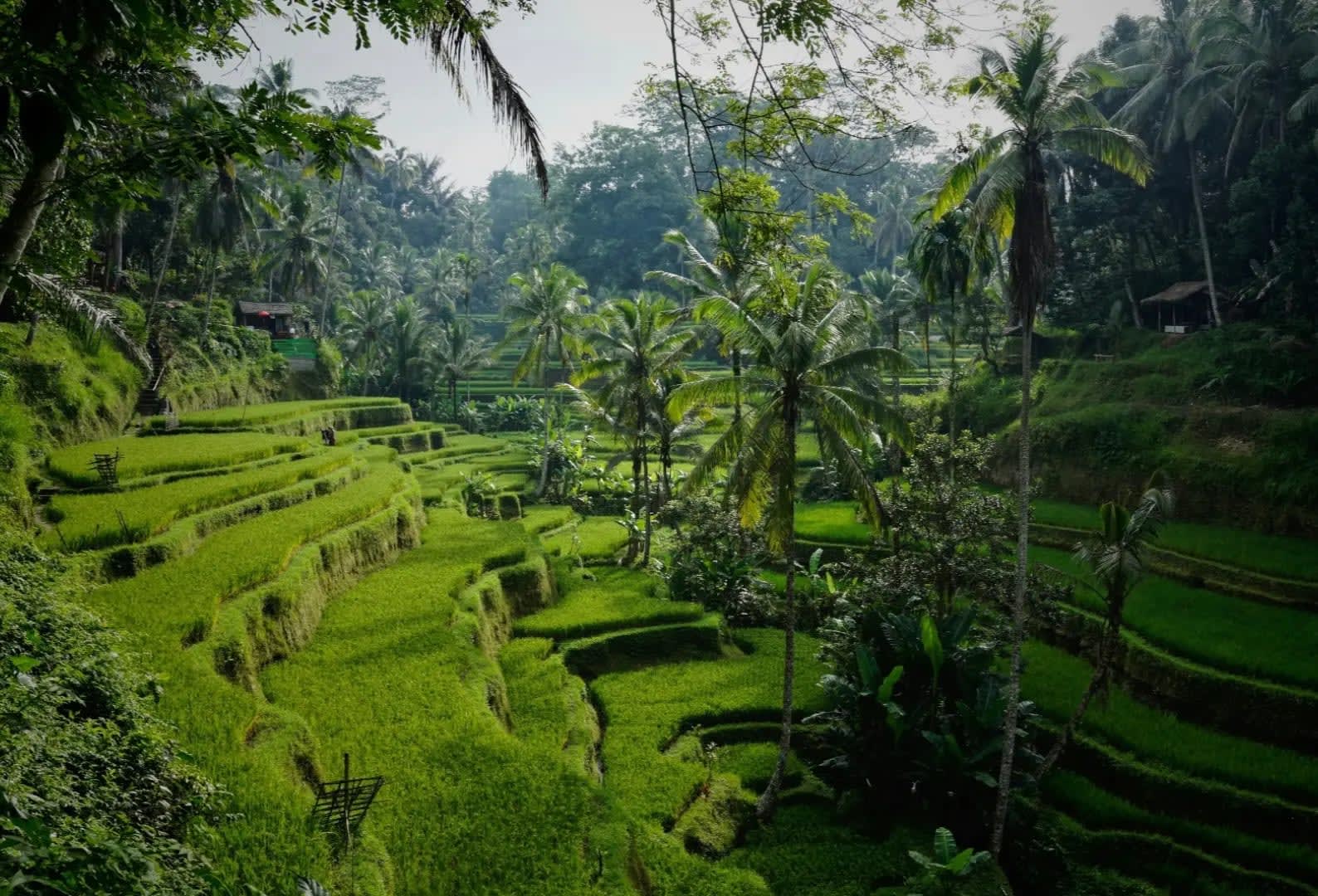
- Ecosystem and Vegetation: Bali's ecosystems include coastal mangroves, tropical rainforests, and agricultural lands. The island's lush rice terraces, particularly in areas like Ubud and Tegallalang, are iconic features of Bali's landscape. The rich biodiversity of Bali includes various plant species, such as frangipani, hibiscus, and palm trees, as well as wildlife like macaques, civets, and numerous bird species.
📜 History and Cultural Significance
Bali's history and cultural heritage are deeply intertwined with its unique traditions, religious practices, and historical influences.
Historical Background: Bali has a rich and complex history that dates back over a thousand years. The island has been influenced by various cultures, including Hindu-Buddhist kingdoms, Islamic sultanates, and colonial powers. The Majapahit Empire, which ruled from the 13th to the 16th centuries, had a significant impact on Balinese culture and art. Bali came under Dutch colonial rule in the early 20th century, and it was only in 1949 that the island became part of the newly independent Republic of Indonesia.
Cultural Significance: Bali is renowned for its vibrant and distinctive culture, which is deeply rooted in Hindu-Balinese traditions. The island is known for its elaborate temple ceremonies, traditional dance performances, and intricate arts and crafts. The Balinese calendar is filled with religious and cultural festivals, such as Nyepi (the Day of Silence), Galungan, and Kuningan, which reflect the island's spiritual and cultural heritage. The unique blend of religion, art, and tradition makes Bali a cultural gem in Indonesia.
Historical Background: Bali has a rich and complex history that dates back over a thousand years. The island has been influenced by various cultures, including Hindu-Buddhist kingdoms, Islamic sultanates, and colonial powers. The Majapahit Empire, which ruled from the 13th to the 16th centuries, had a significant impact on Balinese culture and art. Bali came under Dutch colonial rule in the early 20th century, and it was only in 1949 that the island became part of the newly independent Republic of Indonesia.
Cultural Significance: Bali is renowned for its vibrant and distinctive culture, which is deeply rooted in Hindu-Balinese traditions. The island is known for its elaborate temple ceremonies, traditional dance performances, and intricate arts and crafts. The Balinese calendar is filled with religious and cultural festivals, such as Nyepi (the Day of Silence), Galungan, and Kuningan, which reflect the island's spiritual and cultural heritage. The unique blend of religion, art, and tradition makes Bali a cultural gem in Indonesia.
🏃 Activities and Attractions
Bali offers a wide range of activities and attractions, catering to different interests and providing memorable experiences for visitors.
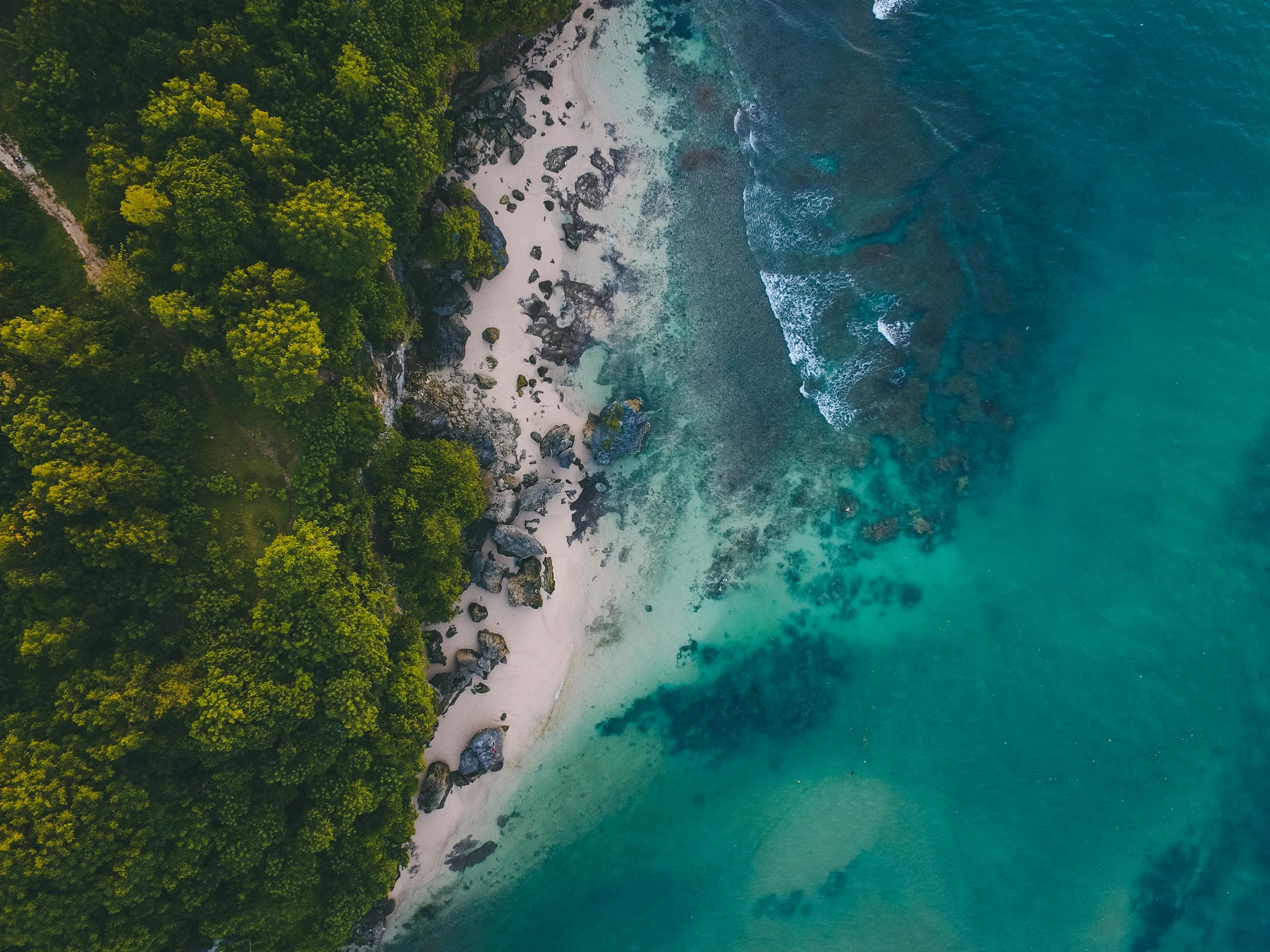
- Beaches: Bali is famous for its stunning beaches, each offering a unique experience. Kuta Beach is known for its lively atmosphere and surfing opportunities, while Seminyak Beach is popular for its upscale resorts and trendy beach clubs. For a more tranquil experience, visitors can explore the serene shores of Nusa Dua or the black sand beaches of Lovina.
- Temples: Bali is home to numerous temples that are central to the island's spiritual and cultural life. Key temples include Uluwatu Temple, perched on a cliff overlooking the ocean, and Tanah Lot, known for its picturesque sea views. The Mother Temple of Besakih, located on the slopes of Mount Agung, is the largest and holiest temple complex on the island.
- Rice Terraces: The iconic rice terraces of Bali, particularly in Ubud and Tegallalang, offer breathtaking views of the island's agricultural landscapes. Visitors can take leisurely walks through the terraces, learn about traditional rice farming methods, and enjoy the scenic beauty of the lush green fields.
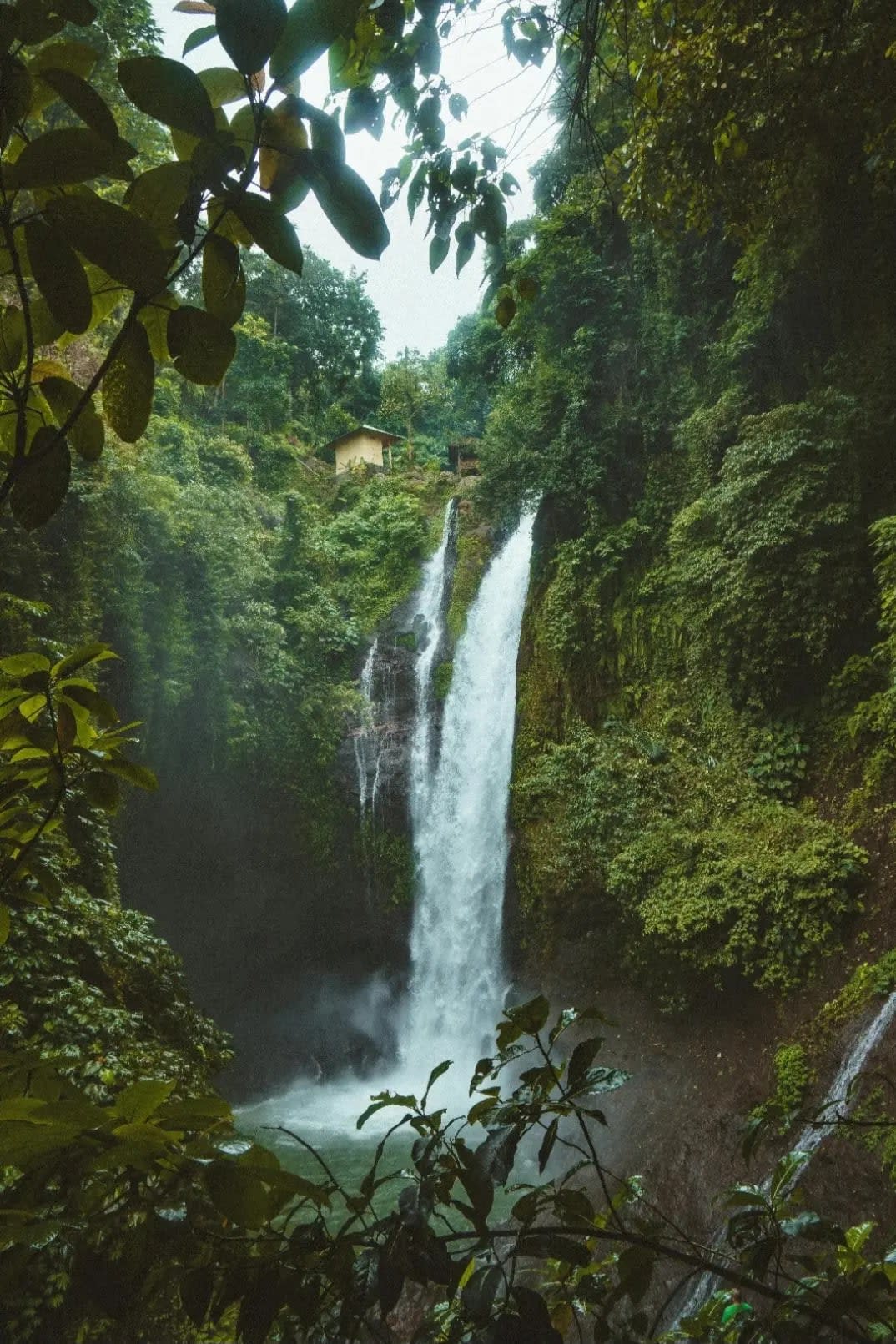
- Waterfalls: Bali's natural beauty includes several stunning waterfalls. Tegenungan Waterfall, located near Ubud, is a popular spot for swimming and photography. Gitgit Waterfall and Sekumpul Waterfall are also notable for their picturesque settings and refreshing waters.
- Adventure Activities: Bali offers a range of adventure activities for thrill-seekers. These include surfing the world-class waves at Uluwatu, hiking to the summit of Mount Batur for a sunrise trek, and white-water rafting on the Ayung River. For those interested in underwater exploration, snorkeling and diving at sites like Menjangan Island and Nusa Penida provide opportunities to discover vibrant marine life.
💡 Travel Tips
To ensure a smooth and enjoyable visit to Bali, consider these practical travel tips and recommendations.
Best Time to Visit: The best time to visit Bali is during the dry season, from April to September, when the weather is sunny and ideal for outdoor activities. The wet season, from October to March, brings higher humidity and rainfall, which can affect travel plans. However, the wet season also offers fewer crowds and lower prices for accommodations.
Transportation: Bali has a range of transportation options, including taxis, rental scooters, and private drivers. For exploring the island, consider renting a scooter or hiring a driver for a more convenient and personalized experience. Ride-hailing apps like Grab and Gojek are also available for getting around the island.
Cultural Etiquette: Bali's cultural and religious practices are important to respect. When visiting temples, dress modestly and cover your shoulders and knees. Remove your shoes before entering temple premises and follow any specific guidelines provided by temple staff. It's also customary to greet locals with a smile and show appreciation for their hospitality.
Best Time to Visit: The best time to visit Bali is during the dry season, from April to September, when the weather is sunny and ideal for outdoor activities. The wet season, from October to March, brings higher humidity and rainfall, which can affect travel plans. However, the wet season also offers fewer crowds and lower prices for accommodations.
Transportation: Bali has a range of transportation options, including taxis, rental scooters, and private drivers. For exploring the island, consider renting a scooter or hiring a driver for a more convenient and personalized experience. Ride-hailing apps like Grab and Gojek are also available for getting around the island.
Cultural Etiquette: Bali's cultural and religious practices are important to respect. When visiting temples, dress modestly and cover your shoulders and knees. Remove your shoes before entering temple premises and follow any specific guidelines provided by temple staff. It's also customary to greet locals with a smile and show appreciation for their hospitality.
🌱 Conservation
Conservation efforts in Bali focus on preserving the island's natural beauty, protecting its wildlife, and promoting sustainable tourism practices.
Environmental Protection: Efforts to protect Bali's natural environment include initiatives to reduce plastic waste, manage waste disposal, and promote eco-friendly practices. Organizations and local communities work to keep the beaches and natural areas clean and free from pollution. Environmental education and awareness campaigns aim to encourage responsible behavior among residents and visitors.
Wildlife Conservation: Protecting Bali's wildlife is a key focus of conservation efforts. Programs are in place to safeguard endangered species, such as the Bali starling, which is critically endangered. Wildlife rescue and rehabilitation centers work to care for injured and orphaned animals, and conservation projects aim to restore and protect natural habitats.
Sustainable Tourism: Promoting sustainable tourism practices helps minimize the impact of tourism on Bali's environment and culture. Visitors are encouraged to choose eco-friendly accommodations, support local businesses, and engage in activities that promote conservation. Sustainable tourism practices include minimizing resource use, supporting community-based projects, and respecting local customs and traditions.
Environmental Protection: Efforts to protect Bali's natural environment include initiatives to reduce plastic waste, manage waste disposal, and promote eco-friendly practices. Organizations and local communities work to keep the beaches and natural areas clean and free from pollution. Environmental education and awareness campaigns aim to encourage responsible behavior among residents and visitors.
Wildlife Conservation: Protecting Bali's wildlife is a key focus of conservation efforts. Programs are in place to safeguard endangered species, such as the Bali starling, which is critically endangered. Wildlife rescue and rehabilitation centers work to care for injured and orphaned animals, and conservation projects aim to restore and protect natural habitats.
Sustainable Tourism: Promoting sustainable tourism practices helps minimize the impact of tourism on Bali's environment and culture. Visitors are encouraged to choose eco-friendly accommodations, support local businesses, and engage in activities that promote conservation. Sustainable tourism practices include minimizing resource use, supporting community-based projects, and respecting local customs and traditions.
✨ Conclusion
Bali stands out as a captivating destination that combines natural beauty, cultural richness, and diverse experiences. Whether you're drawn to its stunning landscapes, vibrant traditions, or adventurous activities, Bali offers something for every traveler. Conservation efforts play a crucial role in preserving the island's unique environment and cultural heritage, ensuring that future generations can enjoy its wonders. A visit to Bali promises an enriching and memorable experience, showcasing the island's extraordinary charm and significance as a global travel destination.


