
Komodo Island
Komodo Island, located in Indonesia’s Lesser Sunda Islands, is renowned for its unique inhabitants—the Komodo dragons. As part of the Komodo National Park, this island offers more than just encounters with these prehistoric reptiles. With stunning landscapes, rich biodiversity, and crystal-clear waters, Komodo Island provides an extraordinary adventure for nature lovers and explorers. This guide explores the island’s geography, history, attractions, activities, travel tips, conservation efforts, and visitor experiences.
🌍 Geography and Natural Features
Komodo Island’s geography and natural features contribute to its allure as a remarkable destination in Indonesia.
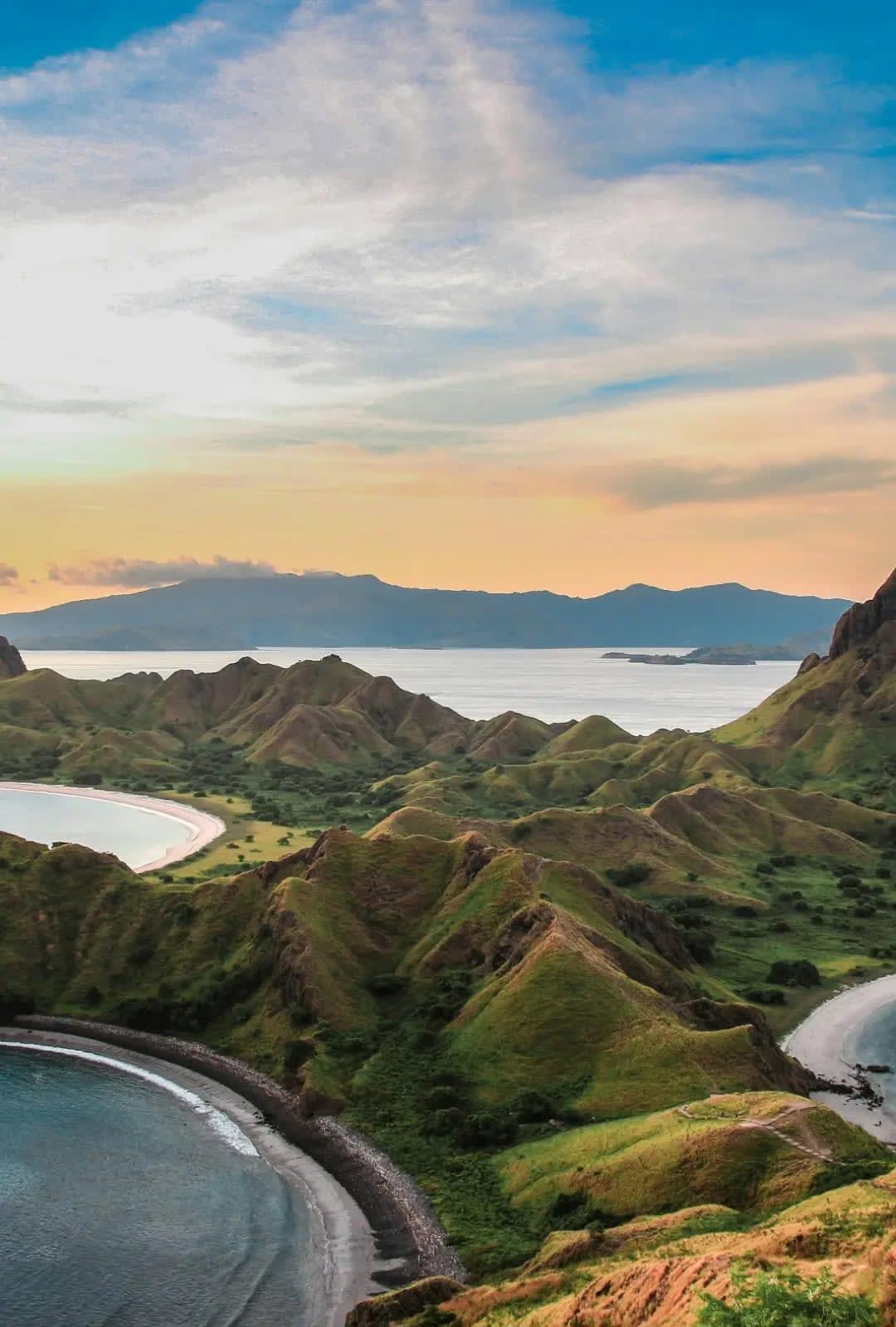
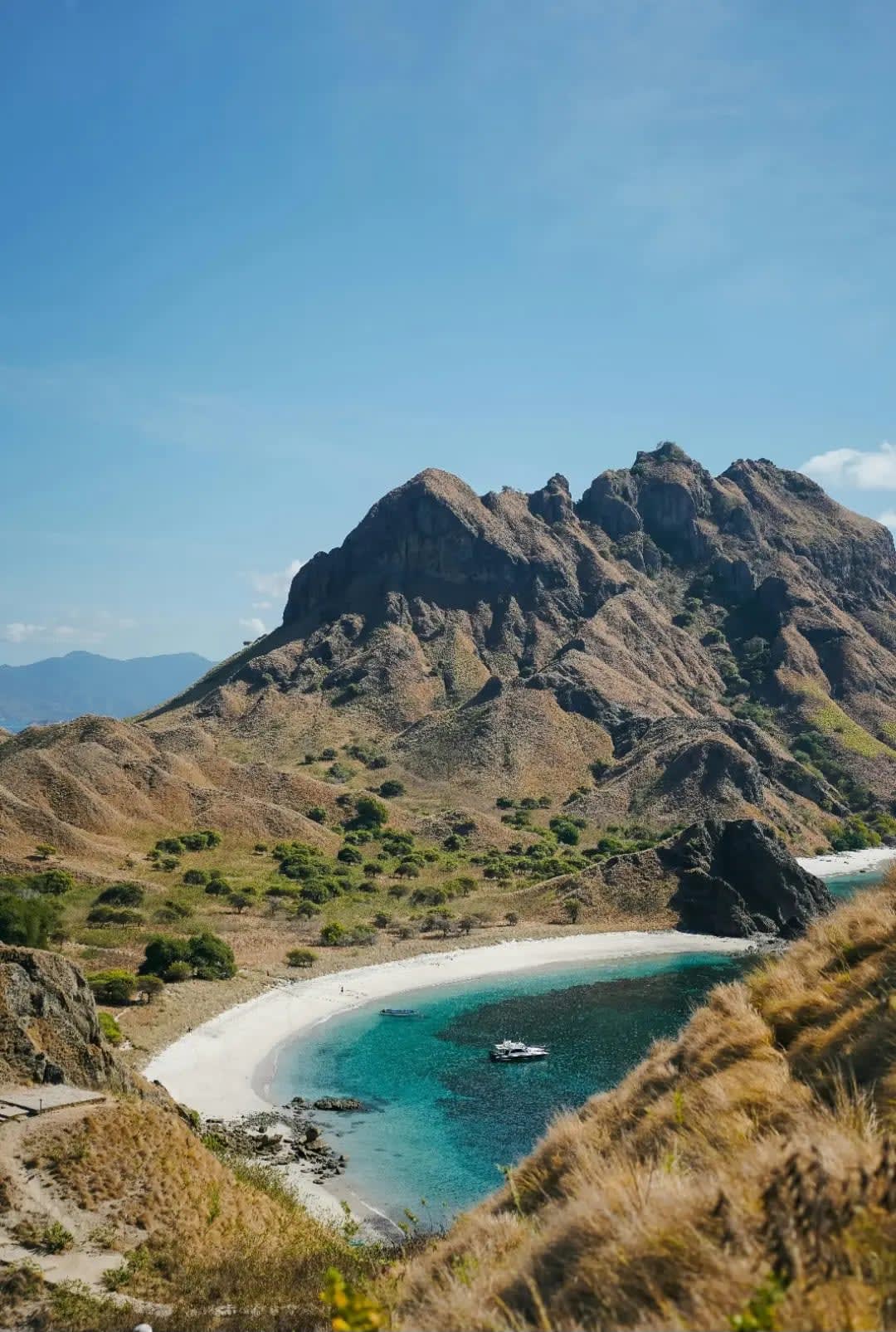
- Location and Terrain: Komodo Island is part of Indonesia’s Komodo National Park, situated in the Lesser Sunda Islands between Sumbawa and Flores. The island covers an area of approximately 390 square kilometers and features a rugged terrain with hilly landscapes, savannahs, and volcanic peaks. The highest point on the island is Mount Satalibo, which offers panoramic views of the surrounding archipelago. The terrain is characterized by dry, bushy vegetation and sparse forests, creating a unique environment for the island’s wildlife.
- Climate: Komodo Island has a tropical climate with distinct wet and dry seasons. The wet season occurs from November to April, bringing heavy rainfall and humidity, while the dry season lasts from May to October, characterized by lower humidity and sunny weather. The dry season is the best time to visit, offering optimal conditions for outdoor activities, wildlife viewing, and trekking. The island’s climate, coupled with its diverse landscapes, contributes to its distinctive ecosystems and biodiversity.
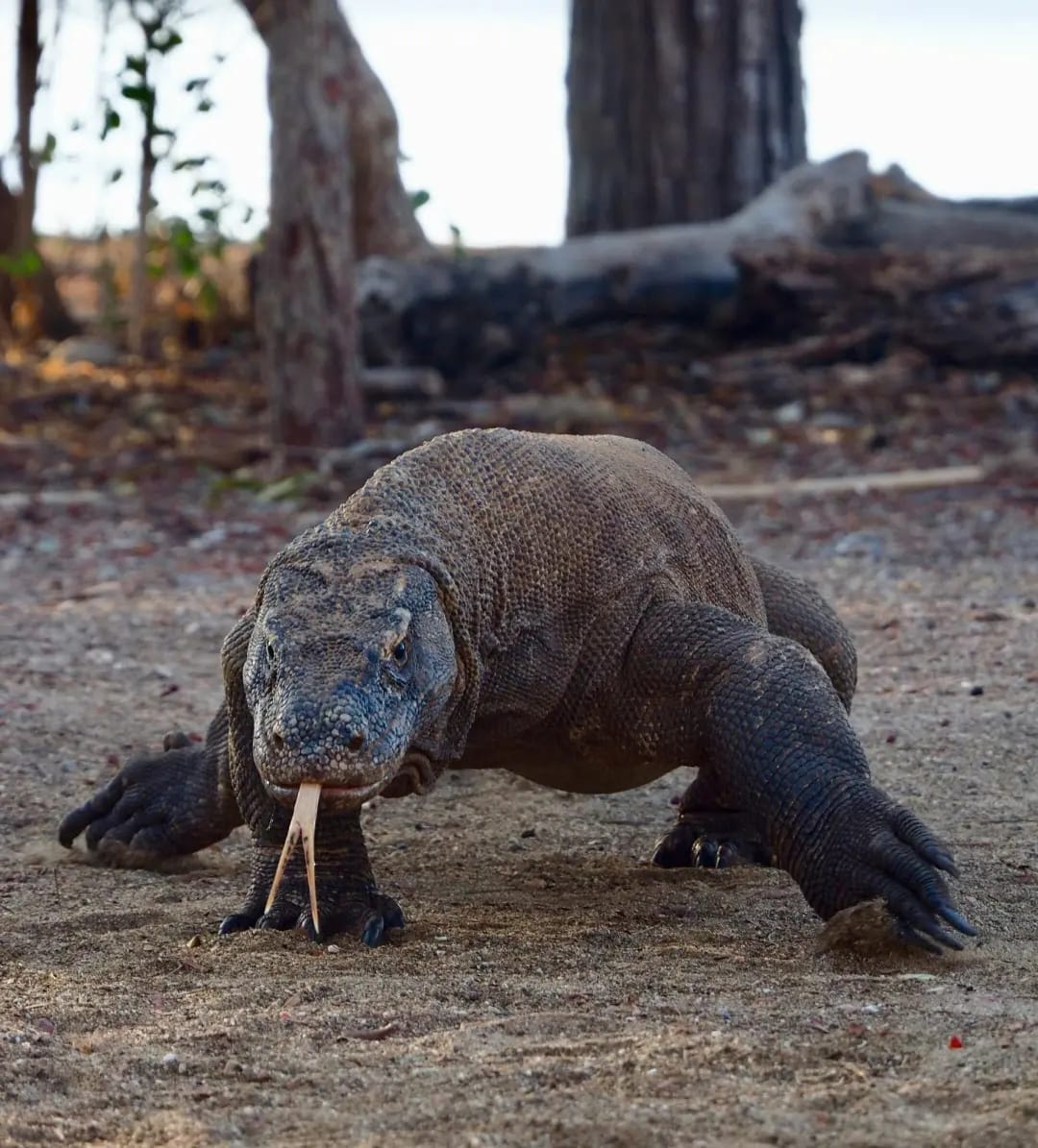
- Ecosystem and Biodiversity: The island’s ecosystem includes savannahs, lowland forests, and coastal mangroves. Komodo Island is renowned for its unique flora and fauna, including the famous Komodo dragons, which are the world’s largest living lizards. The island’s marine environment is equally impressive, with vibrant coral reefs, clear waters, and a variety of marine species. The surrounding waters are part of the Komodo National Park, which is recognized for its rich marine biodiversity, including manta rays, reef sharks, and sea turtles.
📜 History and Cultural Significance
The history and cultural significance of Komodo Island add depth to its appeal as a unique travel destination.
Historical Background: Komodo Island has been inhabited by the local Manggarai people for centuries. The island gained international attention in the early 20th century when the Komodo dragon was discovered by scientists. This discovery led to increased research and conservation efforts, which culminated in the establishment of Komodo National Park in 1980. The park was created to protect the Komodo dragon and its habitat, as well as to conserve the island’s diverse ecosystems and marine environments.
Cultural Significance: The local Manggarai culture is an integral part of Komodo Island’s identity. The Manggarai people have a profound connection to the land and its wildlife, with traditional practices and customs reflecting this relationship. Local festivals and ceremonies often involve rituals related to the sea, agriculture, and the Komodo dragon. Engaging with the Manggarai community offers visitors insights into the island’s heritage and the traditional ways of life that harmonize with the natural environment.
Historical Background: Komodo Island has been inhabited by the local Manggarai people for centuries. The island gained international attention in the early 20th century when the Komodo dragon was discovered by scientists. This discovery led to increased research and conservation efforts, which culminated in the establishment of Komodo National Park in 1980. The park was created to protect the Komodo dragon and its habitat, as well as to conserve the island’s diverse ecosystems and marine environments.
Cultural Significance: The local Manggarai culture is an integral part of Komodo Island’s identity. The Manggarai people have a profound connection to the land and its wildlife, with traditional practices and customs reflecting this relationship. Local festivals and ceremonies often involve rituals related to the sea, agriculture, and the Komodo dragon. Engaging with the Manggarai community offers visitors insights into the island’s heritage and the traditional ways of life that harmonize with the natural environment.
🏃 Activities and Attractions
Komodo Island offers a variety of activities and attractions that showcase its natural beauty and unique wildlife.
- Komodo Dragon Encounters: The primary attraction of Komodo Island is the opportunity to see the Komodo dragon in its natural habitat. Guided tours take visitors through designated trekking routes, where they can observe these formidable lizards up close. Rangers accompany visitors to ensure safety and provide information about the dragons’ behavior, ecology, and conservation status. The dragons are most commonly spotted in the island’s dry, savannah-like terrain, where they roam and bask in the sun.
- Trekking and Hiking: Komodo Island offers several trekking and hiking trails that provide stunning views and opportunities to explore its diverse landscapes. The trails range from easy walks to more challenging hikes, leading visitors through various ecosystems, including savannahs, forests, and volcanic ridges. Popular trails include the trek to the top of Mount Satalibo, which offers panoramic views of the island and the surrounding sea, and the trek to the Komodo dragon viewing areas.
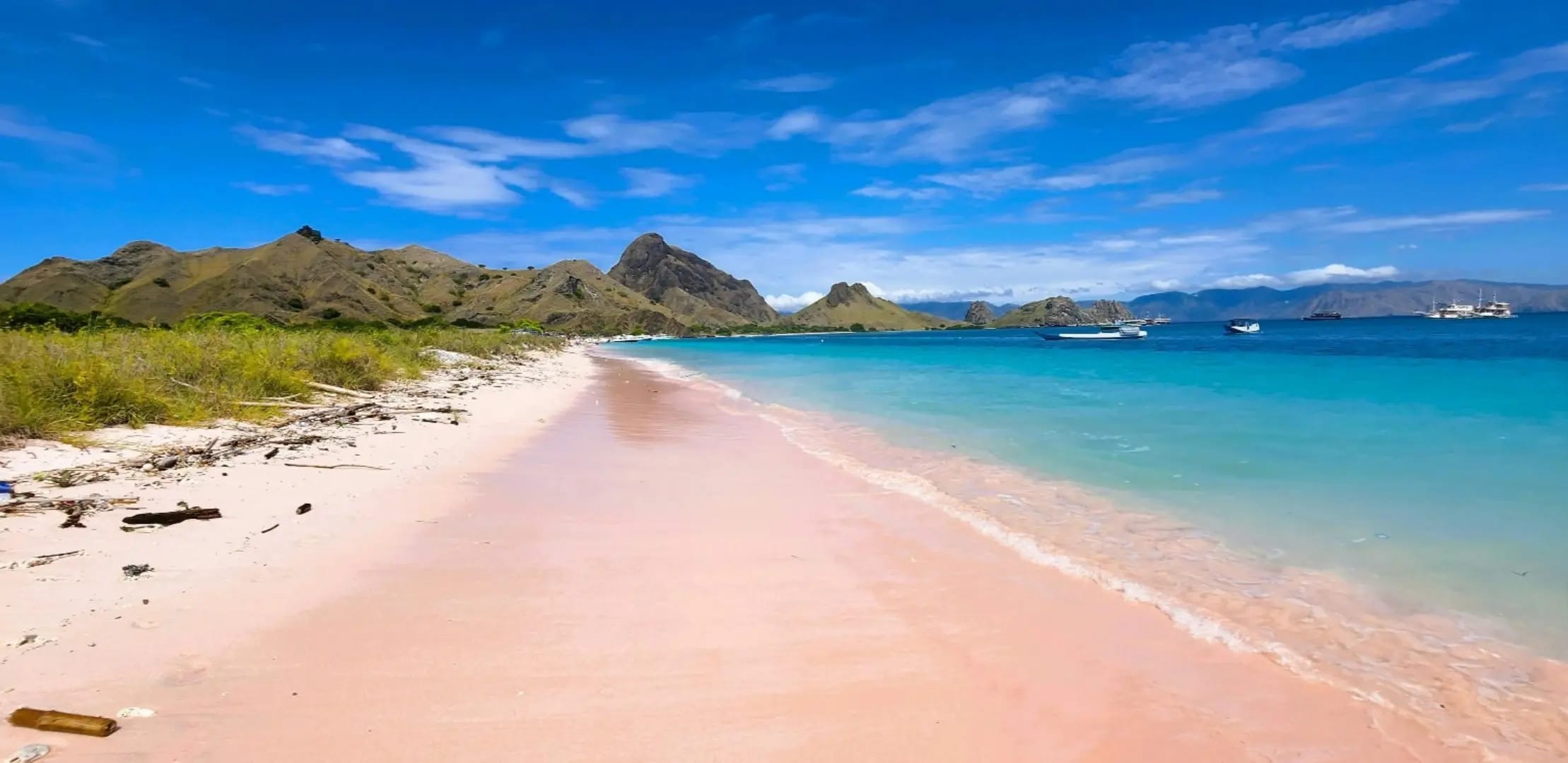
- Beach and Snorkeling: Komodo Island is home to beautiful beaches with white sand and clear turquoise waters. Popular beaches include Pink Beach, known for its unique pink sand, and the picturesque beaches of Labuan Bajo. Snorkeling and diving in the surrounding waters provide opportunities to explore vibrant coral reefs and encounter marine life, such as colorful fish, sea turtles, and manta rays. The underwater environment is part of the Komodo National Park, which offers some of the best snorkeling and diving experiences in Indonesia.
- Cultural Tours: Cultural tours offer visitors a chance to learn about the local Manggarai culture and traditions. These tours may include visits to traditional villages, interactions with local communities, and participation in cultural activities and ceremonies. Visitors can gain insights into the local way of life, traditional crafts, and the cultural significance of the Komodo dragon in local folklore and rituals.
💡 Travel Tips
To ensure a smooth and enjoyable visit to Komodo Island, consider these practical travel tips and recommendations.
Best Time to Visit: The best time to visit Komodo Island is during the dry season, from May to October, when the weather is more favorable for outdoor activities, trekking, and wildlife viewing. The dry season offers clear skies, lower humidity, and calm seas, making it ideal for exploring the island and participating in snorkeling and diving activities. The wet season, from November to April, can bring heavy rains and higher humidity, which may impact travel plans and outdoor activities.
Getting There: Komodo Island is accessible via flights from Bali or Jakarta to Labuan Bajo, the nearest city on the island of Flores. From Labuan Bajo, visitors can take a boat or a guided tour to reach Komodo Island and other islands within the Komodo National Park. It is advisable to book flights and boat transfers in advance, especially during peak travel seasons. Tour operators often offer packages that include transportation, accommodation, and guided tours.
What to Bring: Pack light and comfortable clothing suitable for tropical weather, including swimwear, sun protection (sunscreen, hat, sunglasses), and sturdy walking shoes for trekking. Bring snorkeling or diving gear if you have your own, although rental options are available. Essential items include a camera, insect repellent, and personal medications. For longer stays, bring additional clothing and toiletries. It is also important to bring sufficient cash, as credit card facilities may be limited on the island.
Best Time to Visit: The best time to visit Komodo Island is during the dry season, from May to October, when the weather is more favorable for outdoor activities, trekking, and wildlife viewing. The dry season offers clear skies, lower humidity, and calm seas, making it ideal for exploring the island and participating in snorkeling and diving activities. The wet season, from November to April, can bring heavy rains and higher humidity, which may impact travel plans and outdoor activities.
Getting There: Komodo Island is accessible via flights from Bali or Jakarta to Labuan Bajo, the nearest city on the island of Flores. From Labuan Bajo, visitors can take a boat or a guided tour to reach Komodo Island and other islands within the Komodo National Park. It is advisable to book flights and boat transfers in advance, especially during peak travel seasons. Tour operators often offer packages that include transportation, accommodation, and guided tours.
What to Bring: Pack light and comfortable clothing suitable for tropical weather, including swimwear, sun protection (sunscreen, hat, sunglasses), and sturdy walking shoes for trekking. Bring snorkeling or diving gear if you have your own, although rental options are available. Essential items include a camera, insect repellent, and personal medications. For longer stays, bring additional clothing and toiletries. It is also important to bring sufficient cash, as credit card facilities may be limited on the island.
🌱 Conservation
Conservation efforts in Komodo Island focus on protecting the unique ecosystems, wildlife, and natural resources of the island and surrounding waters.
Komodo Dragon Conservation: The Komodo dragon is a key focus of conservation efforts on the island. Initiatives include monitoring the population, protecting their habitat, and managing human-wildlife interactions to ensure the safety of both visitors and dragons. Conservation programs also address issues such as poaching and habitat degradation to support the long-term survival of these iconic reptiles. The establishment of Komodo National Park has played a crucial role in safeguarding the Komodo dragon and its habitat.
Marine Conservation: The waters around Komodo Island are part of the Komodo National Park, which is recognized for its rich marine biodiversity. Conservation efforts focus on protecting coral reefs, managing marine protected areas, and promoting sustainable fishing practices. Programs aim to reduce marine pollution, monitor reef health, and protect endangered marine species, such as sea turtles and manta rays. Community involvement and sustainable tourism practices are essential for preserving the marine environment and ensuring the continued health of the ecosystem.
Sustainable Tourism: Promoting sustainable tourism is vital for balancing the needs of visitors with the preservation of Komodo Island’s natural and cultural heritage. Tour operators and local communities work together to implement eco-friendly practices, such as minimizing waste, reducing environmental impact, and supporting conservation initiatives. Visitors are encouraged to follow responsible tourism guidelines, including respecting wildlife, avoiding damage to natural habitats, and supporting local conservation efforts.
Komodo Dragon Conservation: The Komodo dragon is a key focus of conservation efforts on the island. Initiatives include monitoring the population, protecting their habitat, and managing human-wildlife interactions to ensure the safety of both visitors and dragons. Conservation programs also address issues such as poaching and habitat degradation to support the long-term survival of these iconic reptiles. The establishment of Komodo National Park has played a crucial role in safeguarding the Komodo dragon and its habitat.
Marine Conservation: The waters around Komodo Island are part of the Komodo National Park, which is recognized for its rich marine biodiversity. Conservation efforts focus on protecting coral reefs, managing marine protected areas, and promoting sustainable fishing practices. Programs aim to reduce marine pollution, monitor reef health, and protect endangered marine species, such as sea turtles and manta rays. Community involvement and sustainable tourism practices are essential for preserving the marine environment and ensuring the continued health of the ecosystem.
Sustainable Tourism: Promoting sustainable tourism is vital for balancing the needs of visitors with the preservation of Komodo Island’s natural and cultural heritage. Tour operators and local communities work together to implement eco-friendly practices, such as minimizing waste, reducing environmental impact, and supporting conservation initiatives. Visitors are encouraged to follow responsible tourism guidelines, including respecting wildlife, avoiding damage to natural habitats, and supporting local conservation efforts.
✨ Conclusion
Komodo Island stands out as a premier destination for those seeking an extraordinary adventure in Indonesia. With its remarkable Komodo dragons, stunning landscapes, and diverse marine environments, the island offers a unique blend of natural beauty and cultural experiences. Conservation efforts play a crucial role in preserving the island’s ecosystems and ensuring the sustainability of tourism. A visit to Komodo Island promises an unforgettable journey into one of the world’s most fascinating and diverse natural environments, providing opportunities for exploration, discovery, and connection with nature.


