

Cliffs of Étretat
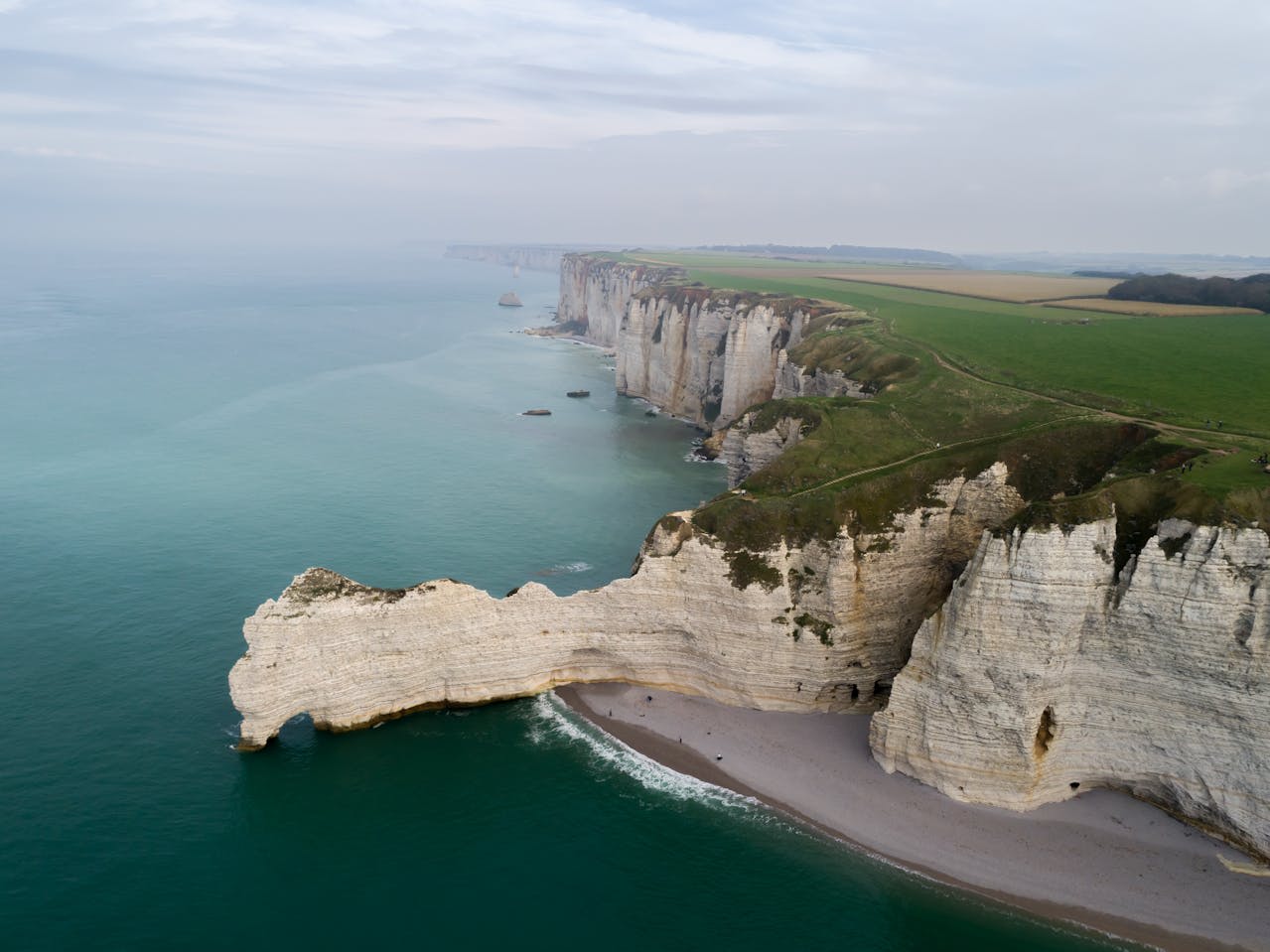
The Cliffs of Étretat, located on the Normandy coast in France, are renowned for their dramatic white chalk formations, arches, and needle-like rock formations that jut out into the English Channel. This natural wonder has inspired artists like Claude Monet and Gustave Courbet.
🌍 Geography and Ecosystem
This region showcases a rich tapestry of landscapes and ecosystems.
- The Cliffs of Étretat span over 4 miles of coastline, reaching heights of up to 230 feet, offering breathtaking panoramic views of the sea below.
- The arches, such as the iconic La Manneporte, and the needle rock known as L'Aiguille, are distinctive features that have been shaped by centuries of erosion.
- The vibrant hues of the cliffs, ranging from white to ochre, stand in stark contrast to the azure waters, creating a stunning visual spectacle.
- The coastal landscape is dotted with secluded pebble beaches and hidden coves, adding to the enchanting allure of the area.
- The diverse flora and fauna, including seabird colonies and rare plants adapted to the harsh coastal environment, enhance the ecological significance of the cliffs.
📜 History and Cultural Significance
The history of the Cliffs of Étretat extends far beyond their geological formation, which began millions of years ago through the uplift and erosion of sedimentary limestone and chalk layers shaped by the powerful forces of the English Channel. Evidence of human presence in the surrounding region dates back to prehistoric times, with early communities drawn to the coast for fishing and shelter. During the Middle Ages, Étretat functioned as a small fishing village and maritime waypoint, while the dramatic cliffs served as natural landmarks for sailors navigating the Normandy coast. From the 19th century onward, the Cliffs of Étretat became a major source of artistic and literary inspiration, famously depicted by Impressionist painters such as Claude Monet and Gustave Courbet, who were captivated by the changing light and striking rock formations like the natural arches and needle-shaped stacks. Writers including Guy de Maupassant also contributed to the site’s cultural legacy, weaving the cliffs into French literary identity. In modern times, Étretat has become an internationally recognized symbol of France’s coastal beauty, blending natural heritage with artistic history, and continues to inspire filmmakers, photographers, and visitors from around the world while emphasizing conservation and sustainable tourism.
🏃 Activities and Attractions
Visitors can enjoy a variety of experiences while exploring the area.
- Visitors to the Cliffs of Étretat can partake in a variety of activities, including hiking along scenic coastal trails, exploring caves and tunnels carved into the cliffs, and enjoying picnics overlooking the sea.
- The beaches at the base of the cliffs provide opportunities for sunbathing, swimming, and collecting colorful pebbles as souvenirs.
- Thrill-seekers can engage in paragliding or kayaking to experience the cliffs from a different perspective, offering adrenaline-fueled adventures amidst the breathtaking surroundings.
- Photography enthusiasts will find endless opportunities to capture the stunning vistas, especially during sunrise and sunset when the cliffs are bathed in golden light.
- For a cultural experience, visitors can explore the nearby village of Étretat, known for its charming architecture, quaint shops, and delectable seafood cuisine.
💡 Travel Tips
Travelers planning to visit the Cliffs of Étretat are advised to consider traveling during the offseason or on weekdays to avoid heavy crowds and enjoy a more tranquil experience, particularly during spring and autumn. Wearing sturdy, non-slip footwear is essential for safely navigating the rugged cliff paths and uneven terrain. Visitors should carefully check tide schedules in advance, as access to the pebble beaches, sea caves, and natural arches is highly dependent on tidal conditions and can become dangerous during high tide. Weather conditions along the Normandy coast can change rapidly, so bringing windproof clothing and checking forecasts before arrival is recommended. Staying on designated trails, respecting safety barriers, and following local guidelines are crucial for personal safety and the preservation of the fragile cliff ecosystem. Early morning or late afternoon visits also provide softer light, ideal for photography, while reducing congestion.
🌱 Conservation
Efforts are being made to conserve the natural beauty and ecological diversity of the Cliffs of Étretat, including monitoring erosion rates, preserving habitats for nesting seabirds, and promoting sustainable tourism practices to minimize environmental impact. Conservation initiatives aim to safeguard this unique coastal ecosystem for future generations to enjoy.
✨ Conclusion
In conclusion, the Cliffs of Étretat stand as a testament to the enduring forces of nature and a beacon of inspiration for artists and nature lovers alike. With their striking beauty and rich cultural legacy, these cliffs continue to captivate visitors from around the world, offering a mesmerizing blend of natural wonders and artistic heritage.