The Colombian Amazon
The Colombian Amazon is a crucial part of the world's largest tropical rainforest. Spanning the southern regions of Colombia, this lush and vibrant landscape is known for its extraordinary biodiversity, including countless species of plants, animals, and insects. The Amazon is not only a natural wonder but also home to indigenous communities who have lived harmoniously with the environment for centuries. Travelers visiting the Colombian Amazon will find themselves immersed in the sights and sounds of the jungle, with opportunities for ecotourism, wildlife observation, and cultural encounters.
🌍 Geography and Natural Features
The Colombian Amazon covers approximately one-third of Colombia's total land area and is part of the larger Amazon Basin. This region is characterized by its vast rainforests, winding rivers, and lowland wetlands. The Amazon's ecosystem is essential for regulating the global climate and plays a vital role in maintaining biodiversity. The area is located primarily in the department of Amazonas, which borders Brazil and Peru. The Amazon River and its tributaries flow through the region, providing a vital source of water and transportation.
Key geographical features include:
Key geographical features include:
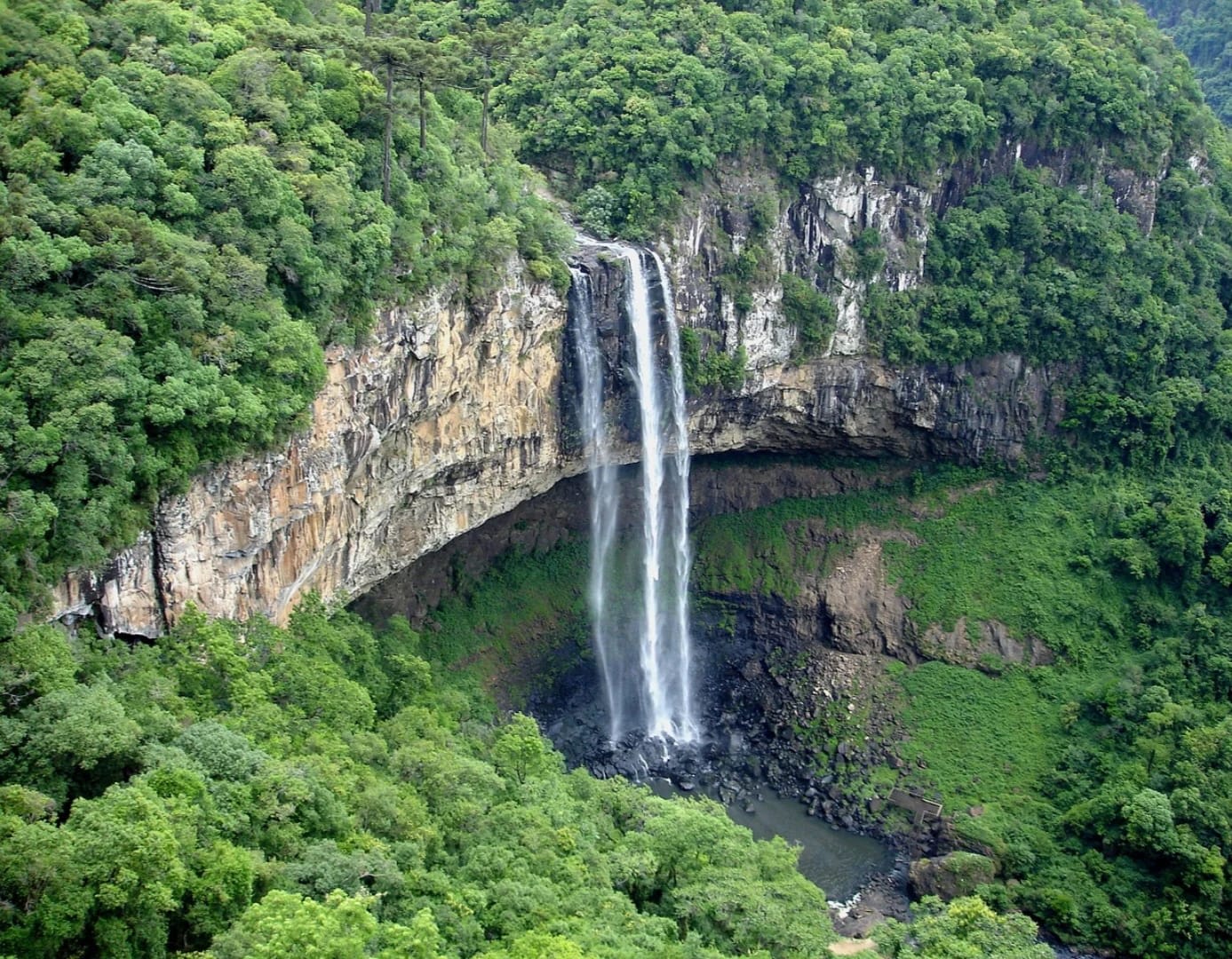
- Amazónica Rainforest: This dense, tropical rainforest is home to an incredible array of plant and animal species, many of which are endemic to the region.
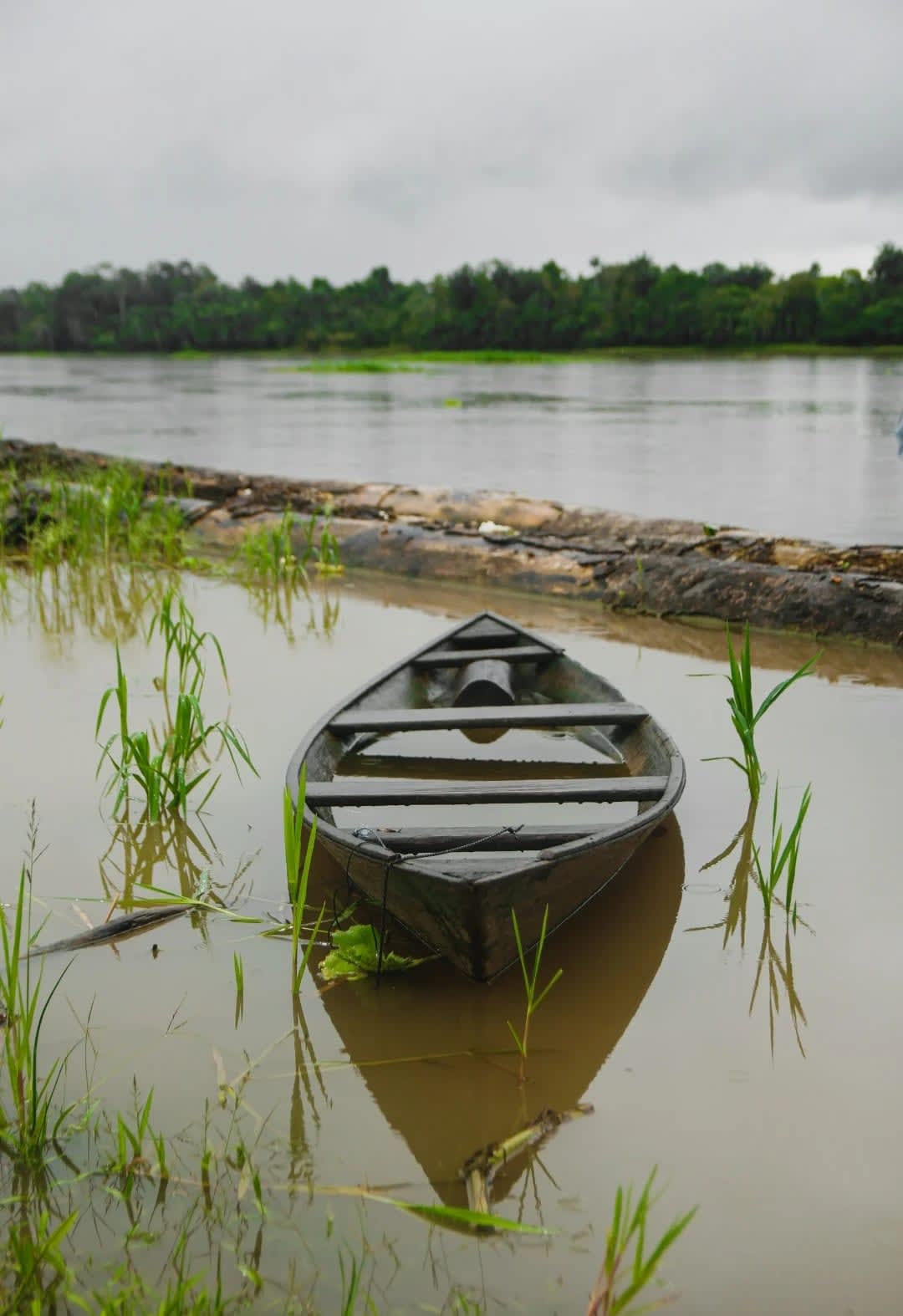
- Amazón River: The Amazon River and its vast network of tributaries traverse the region, providing vital waterways for both the indigenous populations and visitors.
- Flooded Forests: The seasonal flooding of the riverbanks creates a unique ecosystem, where the forest floor is submerged during the rainy season.
- Mountains and Hills: While the region is primarily flat, the foothills of the Andes also extend into the area, providing higher ground that offers panoramic views of the rainforest.
- Wetlands and Swamps: The region features a network of wetlands and swamps, providing habitats for diverse wildlife, including waterfowl, reptiles, and amphibians.
📜 History and Cultural Significance
The Amazon region of Colombia has a rich history shaped by the indigenous people who have lived in harmony with the rainforest for thousands of years. These indigenous communities, such as the Tikuna, Yagua, and Huitoto, have developed deep knowledge of the local ecosystem and its resources. Their traditions and cultural practices continue to influence the region's social fabric today.
The Amazon also played a significant role during the colonial era when the Spanish arrived in the 16th century. While the Amazon’s remoteness protected it from direct colonization, the region experienced exploitation through the extraction of rubber and other natural resources during the 19th and early 20th centuries.
Today, the Amazon remains a cultural hub for indigenous groups who continue to uphold their traditions and lifestyles, while balancing the demands of modernity.
The Amazon also played a significant role during the colonial era when the Spanish arrived in the 16th century. While the Amazon’s remoteness protected it from direct colonization, the region experienced exploitation through the extraction of rubber and other natural resources during the 19th and early 20th centuries.
Today, the Amazon remains a cultural hub for indigenous groups who continue to uphold their traditions and lifestyles, while balancing the demands of modernity.
🏃 Activities and Attractions
The Colombian Amazon is a paradise for adventure seekers and nature lovers. Visitors to the region can experience an unforgettable blend of natural beauty, wildlife, and indigenous culture. Key activities in the Amazon include:
- Jungle Trekking: Explore the dense rainforest with local guides who can lead you through the wilderness to see wildlife, discover medicinal plants, and learn about the ecosystem.
- River Cruises: Take a boat trip on the Amazon River and its tributaries to witness the breathtaking landscape and spot wildlife such as pink dolphins, caimans, and exotic birds.
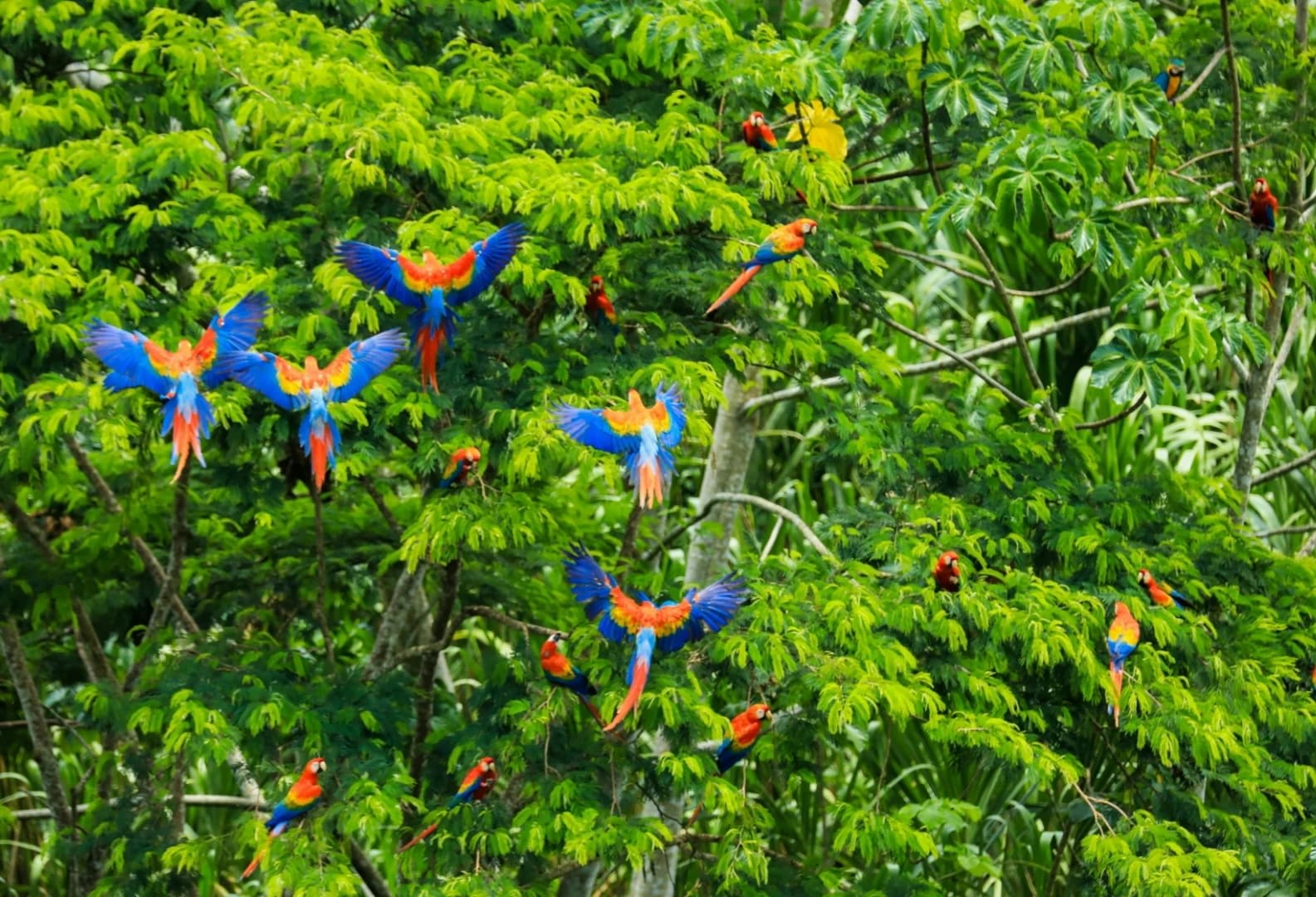
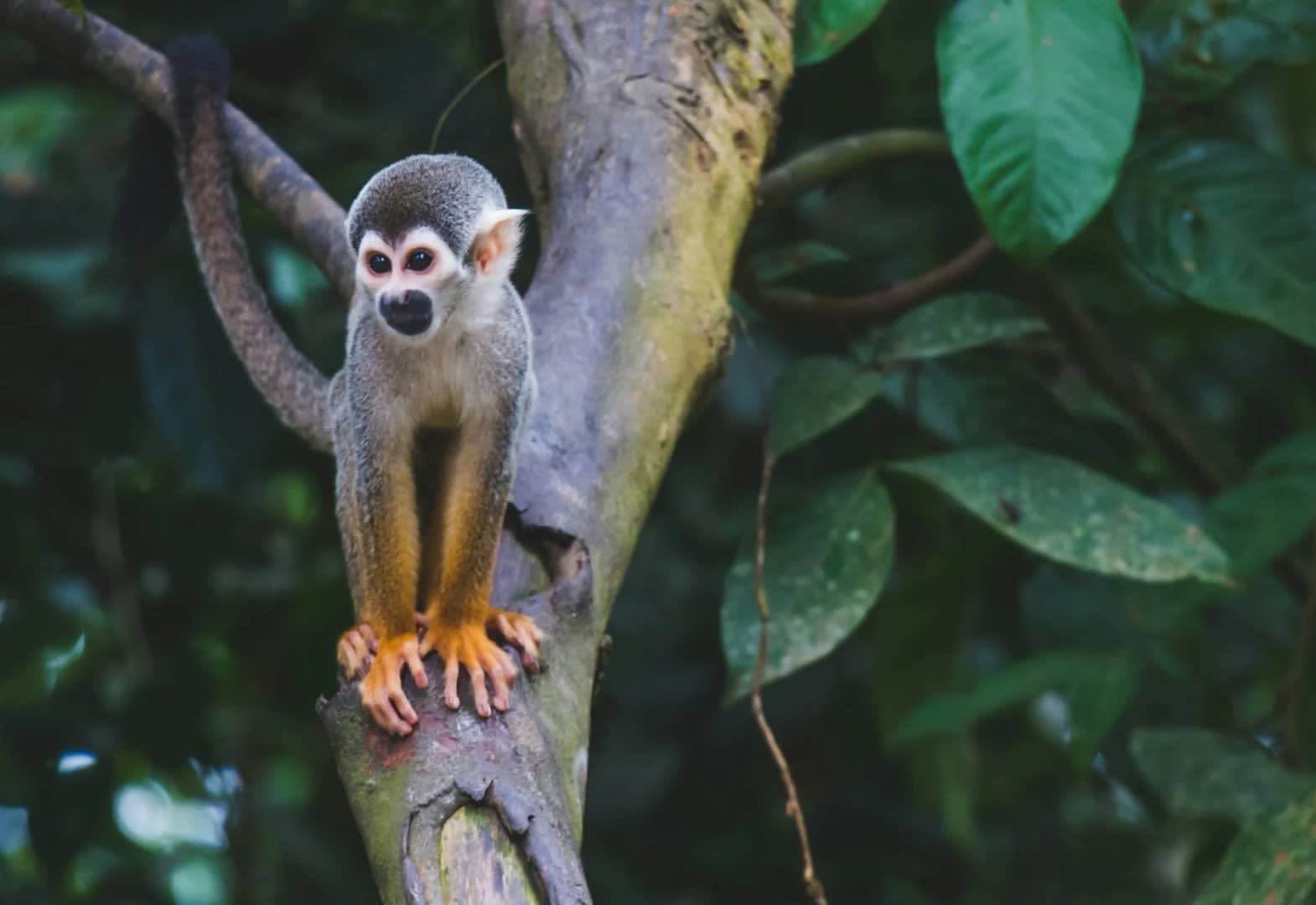
- Wildlife Watching: The Colombian Amazon is home to a variety of animals, including monkeys, sloths, jaguars, and hundreds of bird species. Birdwatching is particularly popular, with opportunities to see colorful macaws and toucans.
- Indigenous Cultural Experiences: Engage with local indigenous communities and learn about their way of life, including traditional hunting techniques, crafting, and the use of local plants for medicinal purposes.
- Fishing Expeditions: Try your hand at fishing in the Amazon River, where you can catch exotic species like the piranha or explore the deeper tributaries for larger fish.
💡 Travel Tips
When visiting the Colombian Amazon, it's important to be prepared for the unique challenges and experiences the rainforest offers. Here are some travel tips to ensure a smooth journey:
1. Pack Light and Waterproof: Due to the humidity and rain, it's essential to pack light, breathable, and waterproof clothing and gear.
2. Stay Hydrated and Protected from Bugs: The Amazon is home to many insects, including mosquitoes. Wear long sleeves, use insect repellent, and drink plenty of water.
3. Respect Local Customs: Indigenous communities in the Amazon have their own customs and traditions. Always approach interactions with respect and curiosity.
4. Book a Guided Tour: Navigating the Amazon can be tricky. It's best to travel with a local guide who can offer knowledge about the ecosystem and ensure safety in the wilderness.
5. Travel with a Trusted Operator: Opt for eco-friendly tours that prioritize conservation and the well-being of the local communities and environment.
1. Pack Light and Waterproof: Due to the humidity and rain, it's essential to pack light, breathable, and waterproof clothing and gear.
2. Stay Hydrated and Protected from Bugs: The Amazon is home to many insects, including mosquitoes. Wear long sleeves, use insect repellent, and drink plenty of water.
3. Respect Local Customs: Indigenous communities in the Amazon have their own customs and traditions. Always approach interactions with respect and curiosity.
4. Book a Guided Tour: Navigating the Amazon can be tricky. It's best to travel with a local guide who can offer knowledge about the ecosystem and ensure safety in the wilderness.
5. Travel with a Trusted Operator: Opt for eco-friendly tours that prioritize conservation and the well-being of the local communities and environment.
🌱 Conservation Efforts
The Colombian Amazon faces numerous environmental threats, including deforestation, illegal mining, and the expansion of agriculture. However, there are several conservation efforts in place to protect this vital ecosystem.
1. Protected Areas: The Colombian government has established several protected areas, such as the Amacayacu National Park, to safeguard the Amazon’s unique ecosystems.
2. Indigenous Land Rights: Indigenous communities are playing a crucial role in protecting their ancestral lands through conservation initiatives that focus on sustainable practices and environmental stewardship.
3. Eco-Tourism: Sustainable tourism is being promoted to raise awareness about the Amazon's biodiversity and the importance of conservation. Tourists are encouraged to visit responsible eco-lodges and participate in eco-friendly tours that support conservation efforts.
4. Reforestation Projects: Organizations and local communities are involved in reforestation projects aimed at restoring damaged ecosystems and reducing carbon emissions.
1. Protected Areas: The Colombian government has established several protected areas, such as the Amacayacu National Park, to safeguard the Amazon’s unique ecosystems.
2. Indigenous Land Rights: Indigenous communities are playing a crucial role in protecting their ancestral lands through conservation initiatives that focus on sustainable practices and environmental stewardship.
3. Eco-Tourism: Sustainable tourism is being promoted to raise awareness about the Amazon's biodiversity and the importance of conservation. Tourists are encouraged to visit responsible eco-lodges and participate in eco-friendly tours that support conservation efforts.
4. Reforestation Projects: Organizations and local communities are involved in reforestation projects aimed at restoring damaged ecosystems and reducing carbon emissions.
✨ Conclusion
The Colombian Amazon is a truly unique destination that offers an unparalleled experience of nature, culture, and adventure. From exploring the dense rainforest to engaging with indigenous communities, the region offers an authentic and enriching journey into one of the world's most biodiverse ecosystems. With continued conservation efforts and responsible tourism practices, the Colombian Amazon will remain a precious natural wonder for future generations to appreciate and explore.