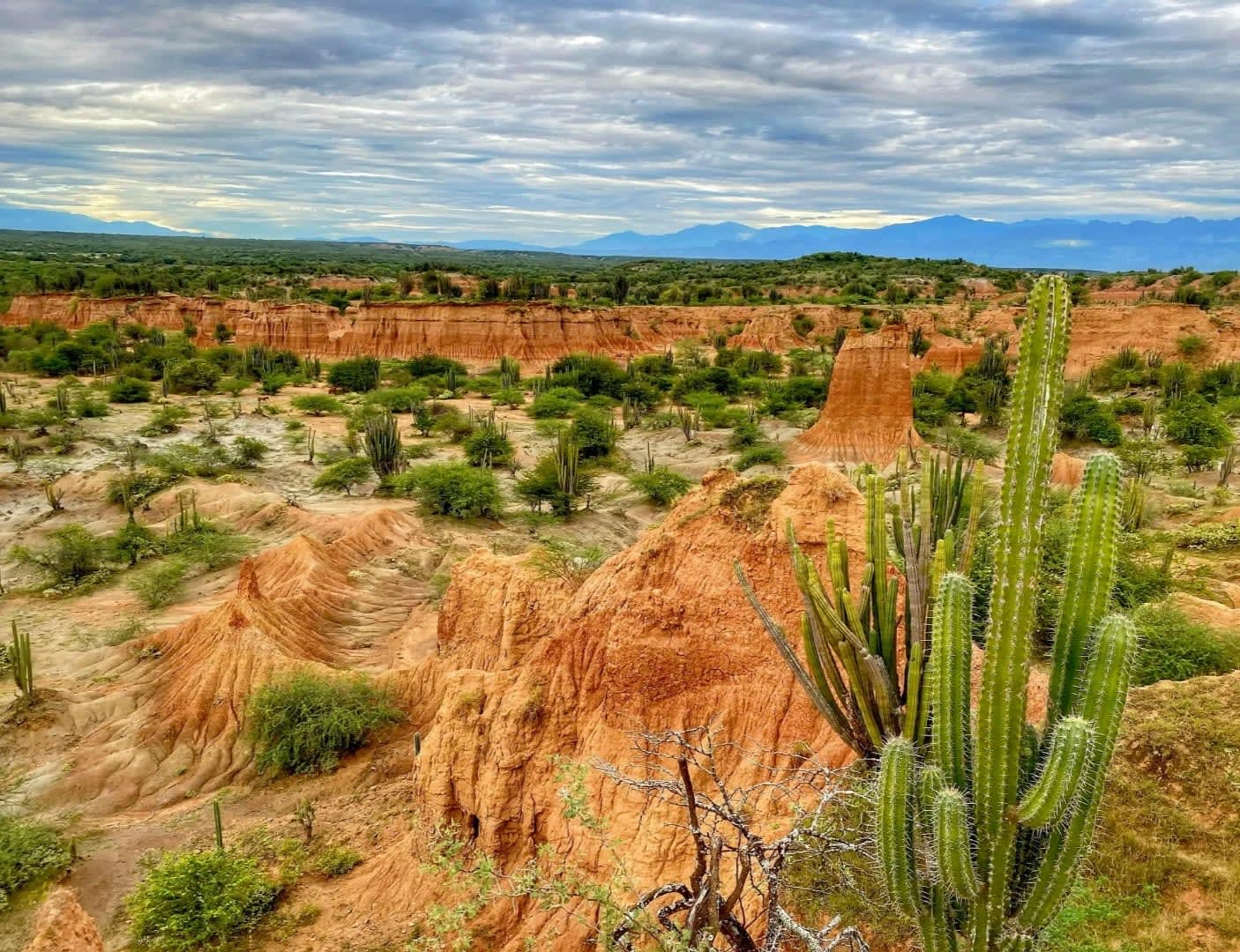
Tatacoa Desert
Tatacoa Desert, located in the Huila Department of Colombia, is a vast and surreal landscape that offers a truly unique travel experience. With its dramatic red and gray canyons, arid environment, and diverse wildlife, Tatacoa Desert is a destination for nature lovers, photographers, and stargazers. Although it's called a desert, the area is home to an array of flora and fauna, making it an intriguing place to explore. With its striking beauty and quiet, peaceful atmosphere, Tatacoa Desert is often referred to as one of Colombia's hidden gems.
🌍 Geography and Natural Features
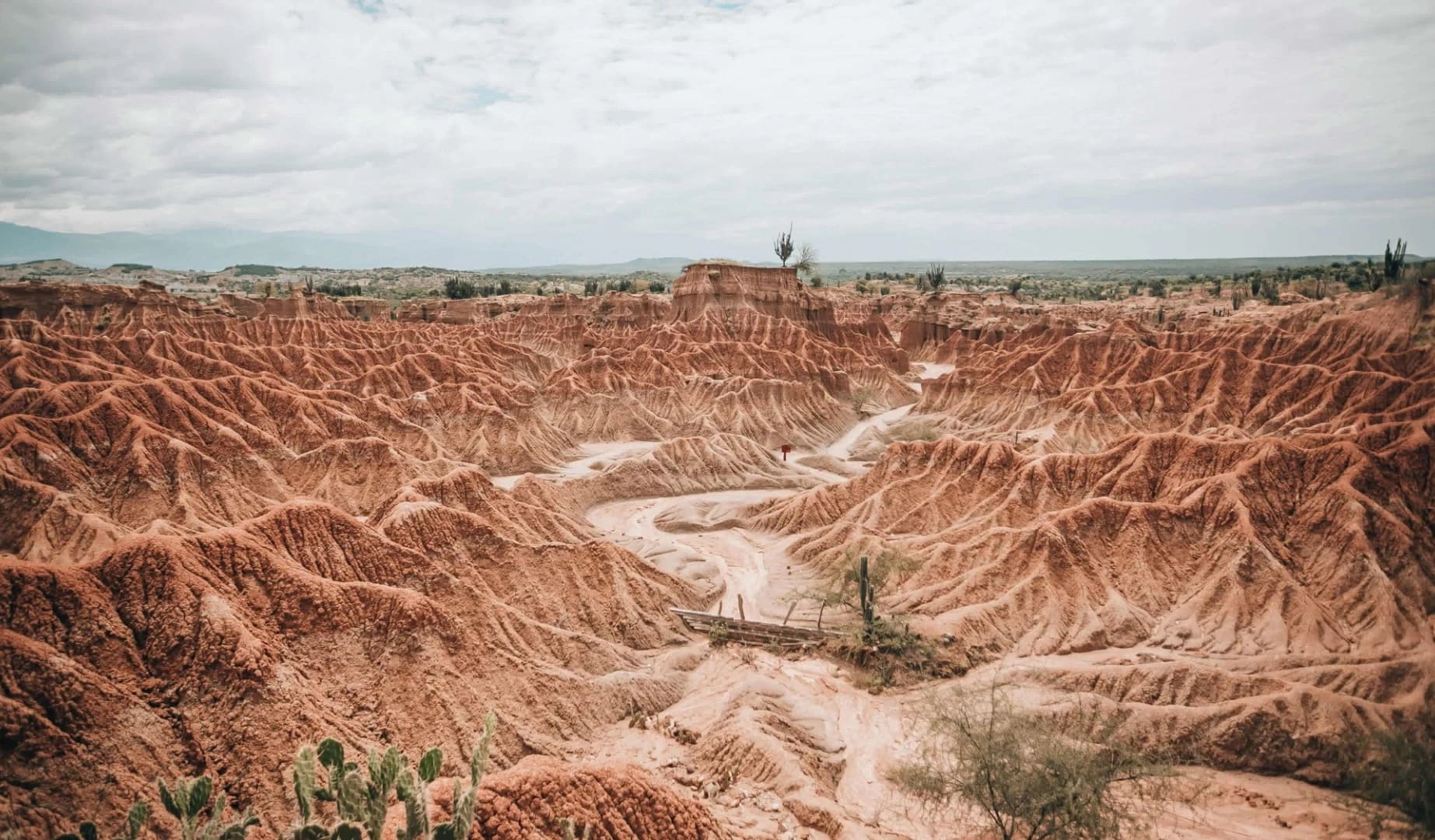
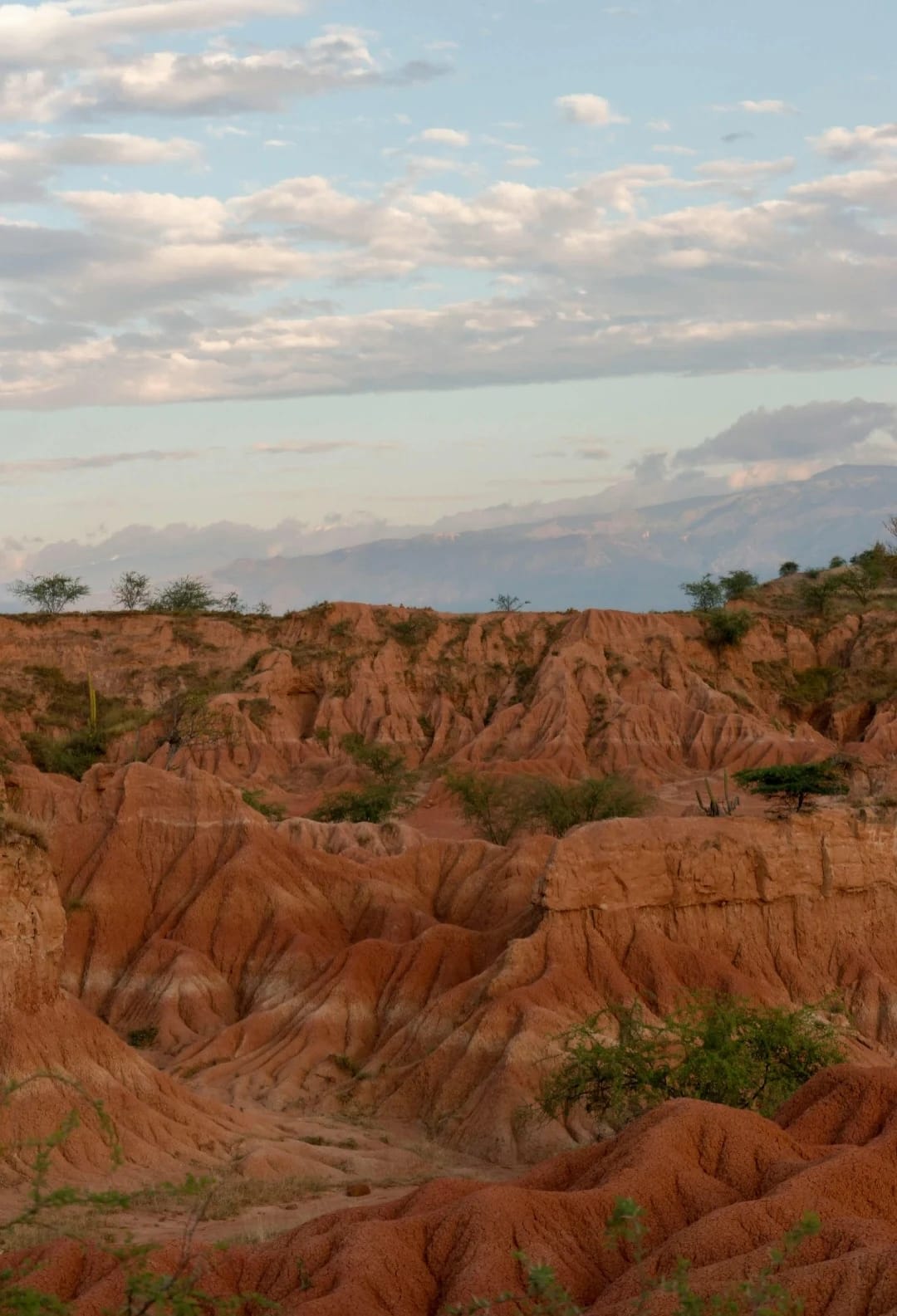
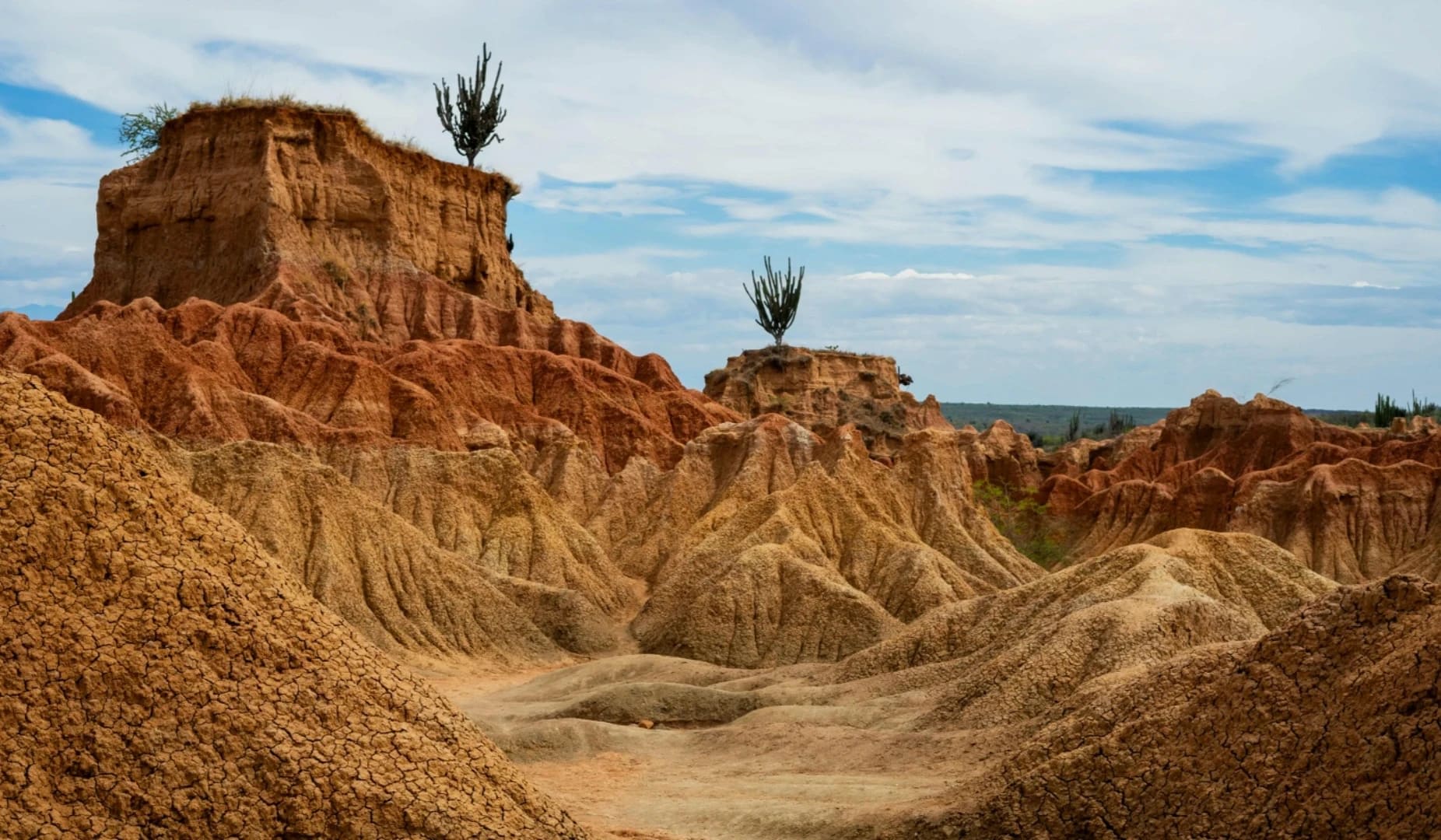
Tatacoa Desert covers approximately 330 square kilometers and is one of the largest arid zones in Colombia. The desert is not a true desert, but rather a tropical dry forest that experiences long dry spells interspersed with seasonal rainfall. The terrain is characterized by dramatic canyons, eroded rock formations, and red and gray soil, creating a landscape that feels otherworldly.
Key geographical features of Tatacoa Desert include:
Key geographical features of Tatacoa Desert include:
- Red Zone: The most famous part of Tatacoa Desert, known for its vibrant red rock formations and canyons, creating a striking contrast with the surrounding landscape.
- Gray Zone: A more desolate area, featuring grayish soil and rocks, giving it an eerie, moon-like appearance. The Gray Zone is perfect for hiking and photography.
- Ermita Valley: A deep valley with stunning cliffs and unique rock formations that are perfect for exploring and photography.
- Cactus Forests: The desert is home to numerous cactus species, including the impressive columnar cacti that rise high above the desert floor.
- El Cielo Observatory: Located nearby, this astronomical observatory offers stunning views of the night sky and is a popular spot for stargazing.
📜 History and Cultural Significance
Tatacoa Desert has been inhabited for centuries by indigenous groups, including the Zenú, who used the desert's natural resources for survival. Despite its harsh environment, the region was historically used for agricultural purposes due to its proximity to the Magdalena River.
In the 20th century, Tatacoa Desert became a popular site for paleontologists who discovered fossils of prehistoric animals, such as giant sloths and prehistoric horses, further revealing the desert’s historical importance. The region also holds cultural significance for the local population, who continue to rely on the desert's natural resources for daily life.
In the 20th century, Tatacoa Desert became a popular site for paleontologists who discovered fossils of prehistoric animals, such as giant sloths and prehistoric horses, further revealing the desert’s historical importance. The region also holds cultural significance for the local population, who continue to rely on the desert's natural resources for daily life.
🏃 Activities and Attractions
Tatacoa Desert is a destination that offers an array of activities for adventure seekers, nature lovers, and photography enthusiasts.
Top activities and attractions in Tatacoa Desert include:
Top activities and attractions in Tatacoa Desert include:
- Stargazing at El Cielo Observatory: With its clear, dark skies, Tatacoa Desert is one of the best places for stargazing in Colombia. Visit the nearby El Cielo Observatory to catch a glimpse of constellations, planets, and the Milky Way.
- Hiking Through the Red and Gray Zones: The desert's striking landscapes are perfect for hiking. Explore the canyons, rock formations, and valleys, and capture breathtaking photographs of the desert's colors and shapes.
- Photography Tours: Tatacoa Desert is a photographer’s paradise. Take a guided photography tour to learn about the best angles and compositions to capture the desert's surreal beauty.
- Visit the Fossil Museum: Discover the fascinating prehistoric history of the area with a visit to the local fossil museum, which showcases ancient fossils of extinct species found in the region.
- Wildlife Watching: The desert is home to a variety of wildlife, including unique bird species, reptiles, and small mammals. Early morning and late evening are the best times for wildlife spotting.
💡 Travel Tips
Here are some helpful tips for making the most of your visit to Tatacoa Desert:
1. Stay Hydrated: The desert can get extremely hot, especially during the day. Always carry plenty of water with you and drink regularly.
2. Dress Appropriately: Wear lightweight, breathable clothing, a wide-brimmed hat, and sturdy shoes for hiking. Don’t forget sunscreen and sunglasses to protect yourself from the sun.
3. Respect the Environment: Tatacoa Desert is a delicate ecosystem. Avoid disturbing the natural landscape, and be mindful of the wildlife you encounter.
4. Best Time to Visit: The desert is most comfortable to visit in the dry season, which runs from December to March, though it can be visited year-round.
5. Bring a Camera: The desert’s dramatic landscapes and unique colors make it a fantastic destination for photography. Don’t forget to pack a camera and extra memory cards!
1. Stay Hydrated: The desert can get extremely hot, especially during the day. Always carry plenty of water with you and drink regularly.
2. Dress Appropriately: Wear lightweight, breathable clothing, a wide-brimmed hat, and sturdy shoes for hiking. Don’t forget sunscreen and sunglasses to protect yourself from the sun.
3. Respect the Environment: Tatacoa Desert is a delicate ecosystem. Avoid disturbing the natural landscape, and be mindful of the wildlife you encounter.
4. Best Time to Visit: The desert is most comfortable to visit in the dry season, which runs from December to March, though it can be visited year-round.
5. Bring a Camera: The desert’s dramatic landscapes and unique colors make it a fantastic destination for photography. Don’t forget to pack a camera and extra memory cards!
🌱 Conservation Efforts
Tatacoa Desert is a unique and fragile ecosystem that is currently being protected through various conservation efforts. The Colombian government, along with local organizations, has taken steps to preserve the desert's biodiversity and ensure sustainable tourism practices.
Some of the conservation initiatives in Tatacoa Desert include:
1. Wildlife Protection: Local conservation programs work to protect the desert's unique flora and fauna, including endangered species of cacti and birds.
2. Ecotourism: Sustainable tourism practices are encouraged to minimize the environmental impact of visitors, ensuring that Tatacoa Desert remains a pristine natural destination for future generations.
3. Education and Awareness: Local communities and tour operators are educating visitors about the importance of preserving the desert’s delicate environment and natural resources.
Some of the conservation initiatives in Tatacoa Desert include:
1. Wildlife Protection: Local conservation programs work to protect the desert's unique flora and fauna, including endangered species of cacti and birds.
2. Ecotourism: Sustainable tourism practices are encouraged to minimize the environmental impact of visitors, ensuring that Tatacoa Desert remains a pristine natural destination for future generations.
3. Education and Awareness: Local communities and tour operators are educating visitors about the importance of preserving the desert’s delicate environment and natural resources.
✨ Conclusion
Tatacoa Desert is a stunning and unique destination in Colombia that offers a variety of activities, from stargazing to hiking through breathtaking canyons. Its striking landscapes, rich history, and diverse wildlife make it a must-visit for nature lovers, adventurers, and photographers. Whether you’re looking to explore the surreal beauty of the desert, capture incredible photographs, or simply relax under the stars, Tatacoa Desert provides an unforgettable experience.