
Jasper National Park
Nestled in the heart of the Canadian Rockies, Jasper National Park is a stunning natural wonder that captivates visitors with its majestic mountains, pristine lakes, and abundant wildlife. As one of Canada's largest national parks, it covers over 11,000 square kilometers (4,300 square miles) and offers a diverse range of outdoor activities for all ages and interests. From hiking and skiing to wildlife watching and stargazing, Jasper is a paradise for nature lovers and adventure seekers alike. Its breathtaking landscapes and rich biodiversity have earned it a spot as a UNESCO World Heritage Site, making it a must-visit destination for anyone exploring the Canadian Rockies.
🌍 Geography and Natural Features
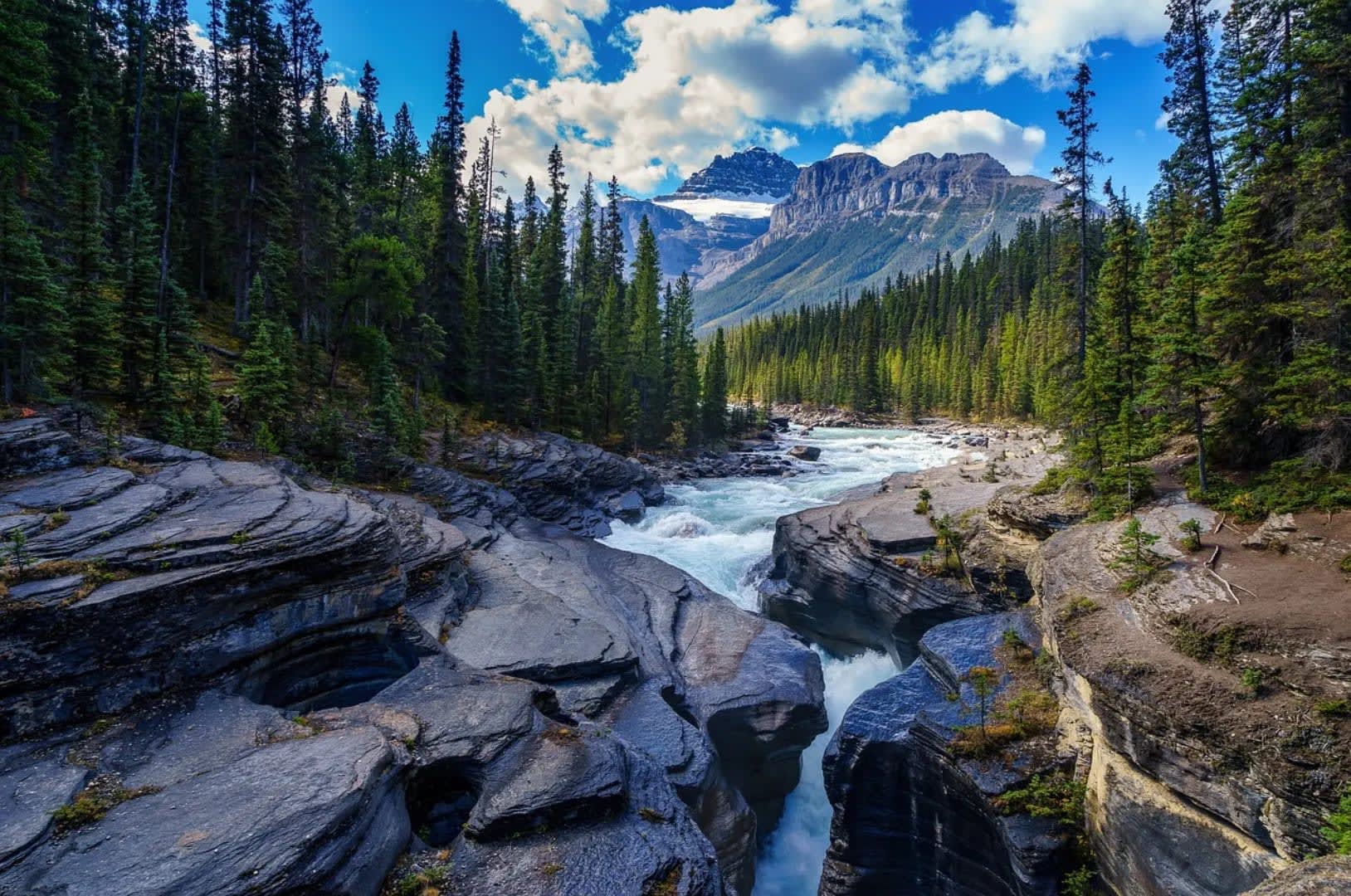
Jasper National Park is renowned for its dramatic scenery and diverse geographical features. Located in Alberta, Canada, the park is part of the Canadian Rocky Mountain chain and boasts stunning mountain ranges, deep valleys, and crystal-clear lakes. The park is traversed by numerous rivers and glaciers, which contribute to its unique landscape. The park's elevation ranges from 1,200 to over 3,400 meters (4,000 to 11,000 feet), resulting in a variety of ecosystems that support a wide range of plant and animal life.Some of the key natural features of Jasper National Park include:
- The Columbia Icefield: One of the largest icefields in North America, the Columbia Icefield is home to numerous glaciers and provides breathtaking views of the surrounding peaks.
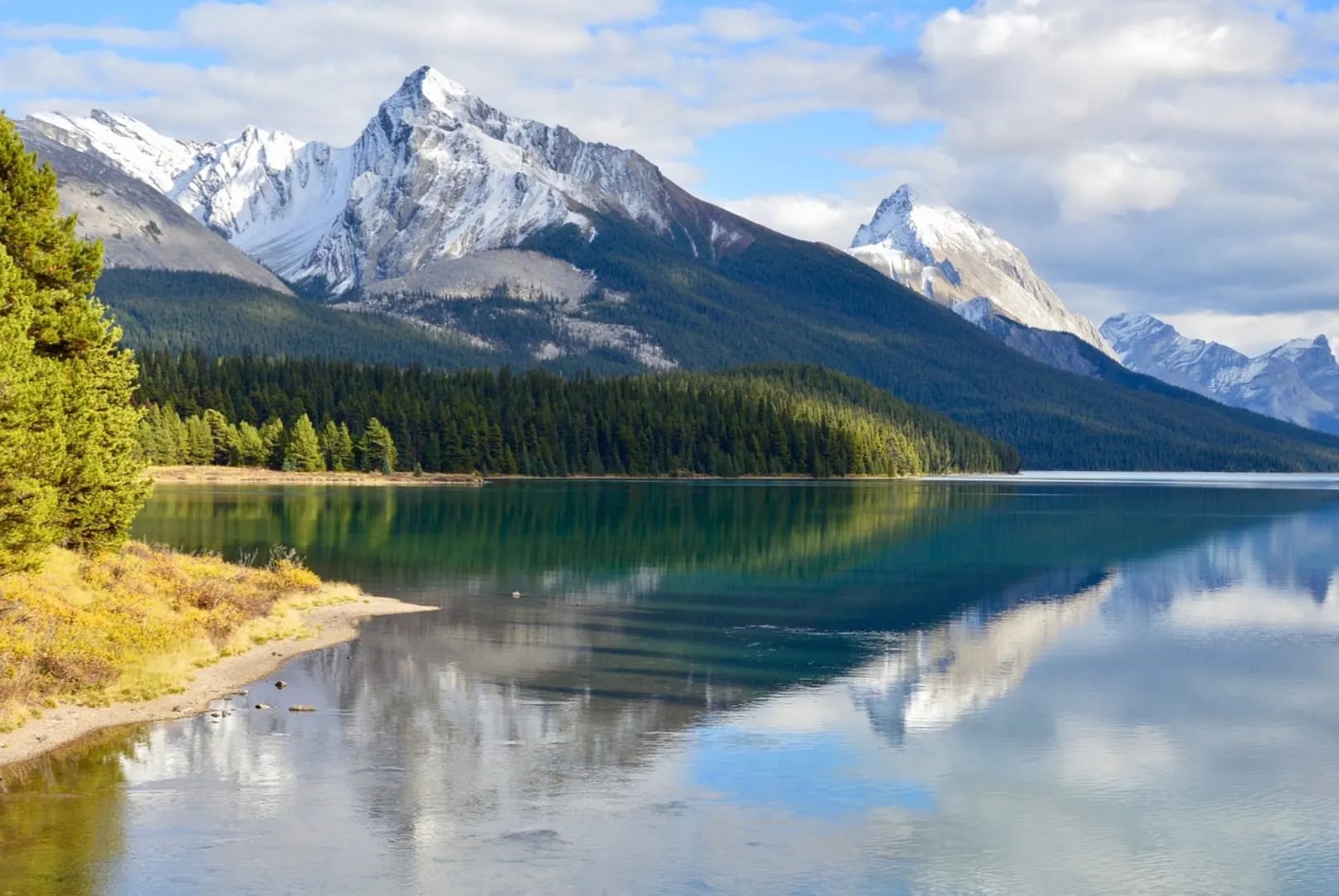
- Maligne Lake: This stunning glacial lake is famous for its turquoise waters and picturesque scenery. It is a popular spot for kayaking, canoeing, and photography.
- Athabasca Falls: A powerful waterfall located on the Athabasca River, known for its dramatic drop and stunning views. Visitors can explore various viewpoints along the falls.
- Pyramid Mountain: A prominent peak offering hiking trails and breathtaking views of the surrounding landscape, particularly beautiful at sunrise and sunset.
- Wildlife Viewing: The park is home to a rich diversity of wildlife, including elk, bighorn sheep, bears, and various bird species. Wildlife viewing is a popular activity, particularly in the early morning and late evening.
📜 History and Cultural Significance
The history of Jasper National Park is deeply intertwined with Indigenous cultures and the development of national parks in Canada. Indigenous peoples, including the Cree and Stoney Nakoda, have lived in the area for thousands of years, relying on the land for sustenance and spiritual significance. They have a rich cultural heritage that emphasizes respect for nature and the environment.
Jasper was designated a national park in 1907, initially as a means of preserving the natural beauty of the area and promoting tourism. Over the years, it has become a popular destination for outdoor enthusiasts, drawing visitors from around the world. The park's development included the establishment of various facilities, such as lodges and interpretive centers, which help to educate visitors about the park's ecology and history.
Today, Jasper National Park is celebrated not only for its stunning landscapes but also for its cultural significance and commitment to conservation and sustainability. It remains a symbol of Canada's natural heritage, attracting millions of visitors each year.
Jasper was designated a national park in 1907, initially as a means of preserving the natural beauty of the area and promoting tourism. Over the years, it has become a popular destination for outdoor enthusiasts, drawing visitors from around the world. The park's development included the establishment of various facilities, such as lodges and interpretive centers, which help to educate visitors about the park's ecology and history.
Today, Jasper National Park is celebrated not only for its stunning landscapes but also for its cultural significance and commitment to conservation and sustainability. It remains a symbol of Canada's natural heritage, attracting millions of visitors each year.
🏃 Activities and Attractions
Jasper National Park offers a wealth of activities and attractions, making it a perfect destination for outdoor enthusiasts. From breathtaking hikes to exhilarating winter sports, there’s something for everyone in this stunning natural landscape. Some of the most popular activities include:
- Hiking and Walking Trails: With over 1,000 kilometers (620 miles) of hiking trails, the park offers routes suitable for all skill levels. Trails like the Maligne Canyon and Valley of the Five Lakes are particularly popular for their scenic views and unique geological features.
- Wildlife Watching: The park is home to diverse wildlife, making it an ideal location for animal enthusiasts. Visitors can often spot elk, bears, and other wildlife, especially during early morning or late evening excursions.
- Stargazing: Jasper is designated as a Dark Sky Preserve, making it one of the best places in North America for stargazing. The park hosts an annual Dark Sky Festival, attracting astronomy enthusiasts and casual stargazers alike.
- Skiing and Snowboarding: During winter, Jasper offers excellent skiing and snowboarding opportunities at Marmot Basin. The resort features a variety of slopes for all skill levels, along with stunning mountain vistas.
- Canoeing and Kayaking: Maligne Lake and other waterways provide opportunities for canoeing and kayaking. Paddling on these pristine waters allows visitors to experience the park's beauty from a unique perspective.
💡 Travel Tips
To enhance your visit to Jasper National Park, consider these practical travel tips:
1. Plan for Weather Variability: The weather in the Rockies can change rapidly. Dress in layers and be prepared for rain or sudden temperature shifts, especially in higher elevations.
2. Respect Wildlife: Maintain a safe distance from wildlife and never feed them. Respect their natural behaviors to ensure their safety and yours.
3. Stay Hydrated and Fueled: Carry enough water and snacks during hikes to keep your energy levels up, particularly on longer trails.
4. Use Sustainable Practices: Follow Leave No Trace principles to minimize your environmental impact. Stay on marked trails and pack out all trash.
5. Check for Park Alerts: Before your visit, check the official Jasper National Park website for any alerts or updates regarding trail conditions, road closures, or park events.
1. Plan for Weather Variability: The weather in the Rockies can change rapidly. Dress in layers and be prepared for rain or sudden temperature shifts, especially in higher elevations.
2. Respect Wildlife: Maintain a safe distance from wildlife and never feed them. Respect their natural behaviors to ensure their safety and yours.
3. Stay Hydrated and Fueled: Carry enough water and snacks during hikes to keep your energy levels up, particularly on longer trails.
4. Use Sustainable Practices: Follow Leave No Trace principles to minimize your environmental impact. Stay on marked trails and pack out all trash.
5. Check for Park Alerts: Before your visit, check the official Jasper National Park website for any alerts or updates regarding trail conditions, road closures, or park events.
🌱 Conservation Efforts
Jasper National Park is committed to conservation and sustainability, focusing on protecting its natural landscapes and biodiversity. Various initiatives aim to preserve the park's ecological integrity while providing recreational opportunities for visitors.Some key conservation efforts include:
Wildlife Conservation Programs: Monitoring and research programs help track wildlife populations and their habitats, ensuring that management strategies effectively protect endangered species.
Habitat Restoration: Efforts are made to restore damaged ecosystems, including reforestation and the removal of invasive species that threaten local biodiversity.
Visitor Education: Educational programs and interpretive signage throughout the park aim to inform visitors about the importance of conservation and responsible tourism.
Partnerships with Indigenous Communities: Collaborating with Indigenous groups ensures that traditional ecological knowledge informs conservation practices, promoting sustainable land management.
Wildlife Conservation Programs: Monitoring and research programs help track wildlife populations and their habitats, ensuring that management strategies effectively protect endangered species.
Habitat Restoration: Efforts are made to restore damaged ecosystems, including reforestation and the removal of invasive species that threaten local biodiversity.
Visitor Education: Educational programs and interpretive signage throughout the park aim to inform visitors about the importance of conservation and responsible tourism.
Partnerships with Indigenous Communities: Collaborating with Indigenous groups ensures that traditional ecological knowledge informs conservation practices, promoting sustainable land management.
✨ Conclusion
Jasper National Park is a spectacular destination that offers visitors a unique blend of natural beauty, outdoor adventure, and cultural significance. With its stunning landscapes, diverse wildlife, and rich history, it is a place where you can connect with nature and experience the majesty of the Canadian Rockies.
Whether you’re hiking along breathtaking trails, exploring tranquil lakes, or enjoying the vibrant local culture, Jasper promises an unforgettable experience. By embracing sustainable practices and respecting the environment, you can help preserve this remarkable park for future generations to enjoy.
Whether you’re hiking along breathtaking trails, exploring tranquil lakes, or enjoying the vibrant local culture, Jasper promises an unforgettable experience. By embracing sustainable practices and respecting the environment, you can help preserve this remarkable park for future generations to enjoy.