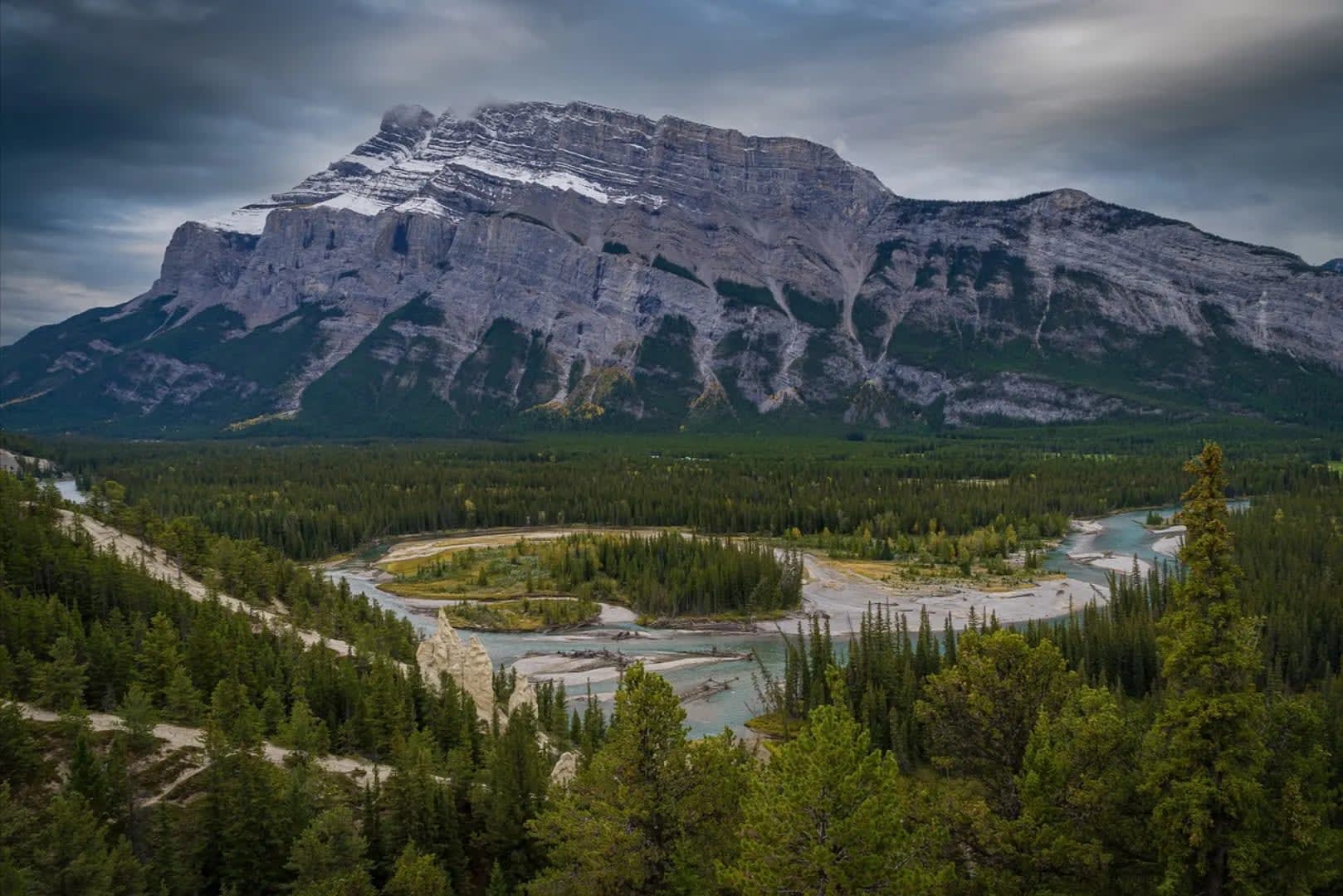

Banff National Park
Nestled in the heart of the Canadian Rockies, Banff National Park is a stunning natural paradise that attracts millions of visitors each year. With its breathtaking mountains, crystal-clear lakes, and abundant wildlife, it offers an unforgettable experience for nature lovers and adventure seekers alike. Spanning over 6,641 square kilometers, this national park is renowned for its unparalleled natural beauty and recreational opportunities.
🌍 Geography and Natural Features
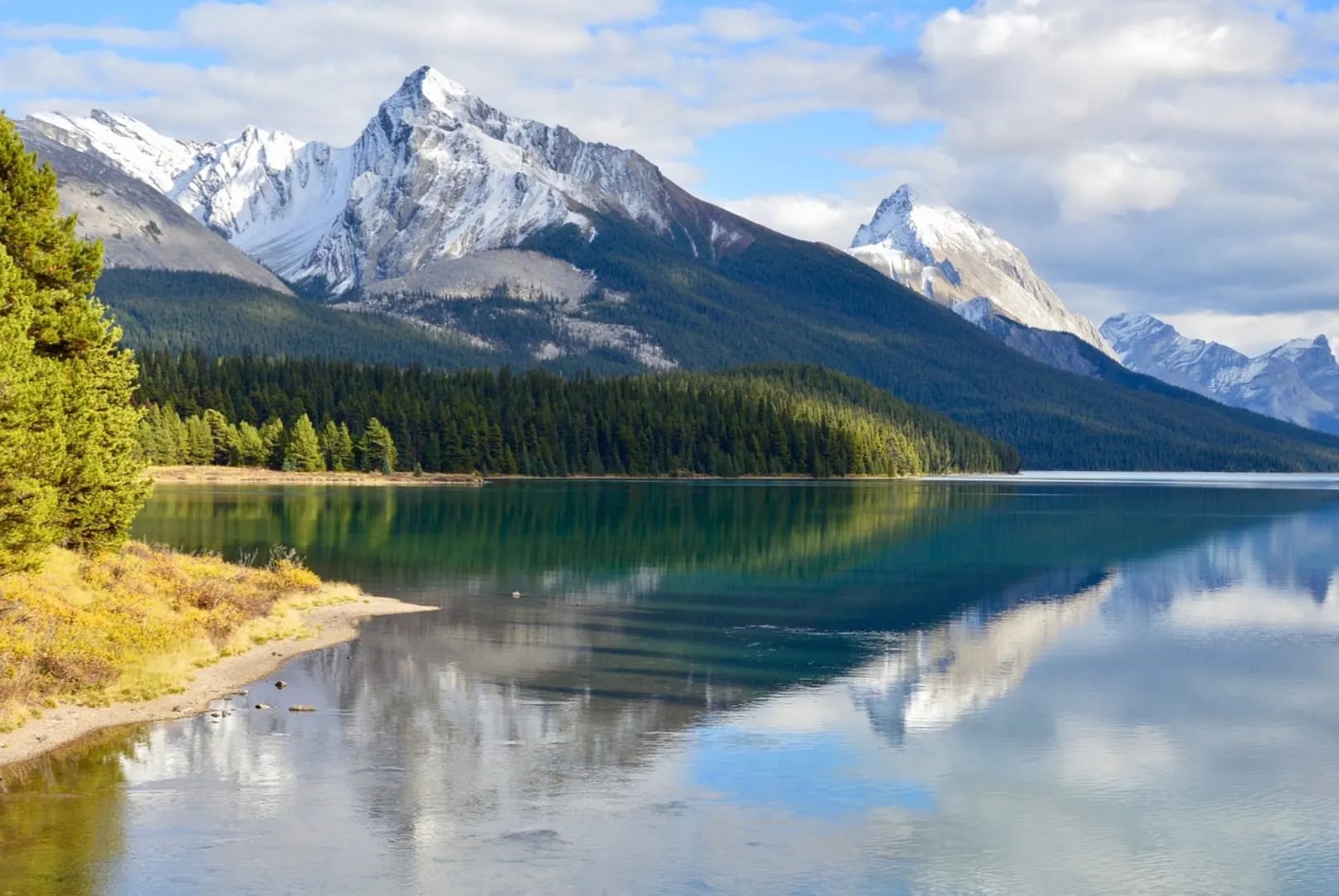
Banff National Park is situated in Alberta, Canada, within the Rocky Mountain range. The park features dramatic peaks, lush valleys, and an array of ecosystems that contribute to its diverse landscapes.
From the towering, jagged peaks of the Rockies to the serene glacial lakes, the geography of Banff National Park is both varied and captivating. The park is characterized by its distinct regions, each offering unique natural features and habitats.
- Lake Louise: Renowned for its turquoise waters and stunning mountain backdrop, Lake Louise is a must-visit destination within the park. Its vibrant color is due to glacial silt, and the lake is surrounded by hiking trails that provide breathtaking views.
- Moraine Lake: Famous for its vibrant blue color, this glacially-fed lake is surrounded by the Valley of the Ten Peaks, creating a breathtaking view. In the summer, the lake's color is a result of the glacial meltwater, which carries finely ground rock particles.
- Mount Rundle: An iconic peak that offers hiking trails with panoramic views, perfect for outdoor enthusiasts. Its distinctive ridge is easily recognizable and provides excellent opportunities for photography.
- Bow Valley: This lush valley features diverse flora and fauna, making it an excellent location for wildlife viewing. The Bow River meanders through the valley, providing picturesque views and recreational activities.
- Icefields Parkway: One of the most scenic drives in the world, this highway connects Banff and Jasper National Parks, showcasing stunning mountain landscapes, waterfalls, and glaciers. Travelers can stop at various viewpoints to admire the natural beauty.
📜 History and Cultural Significance
I apologize for that! Here’s the text with the proper tags applied to key phrases:Established in 1885, Banff National Park is Canada's oldest national park and a UNESCO World Heritage Site.
The park's history dates back to the discovery of hot springs by the Canadian Pacific Railway workers. This led to the creation of the Banff Hot Springs, which attracted tourists and eventually led to the designation of the area as a national park to preserve its unique natural beauty.The area has a rich Indigenous history, with the Stoney Nakoda Nation being the traditional caretakers of the land. The Stoney people, along with other Indigenous groups, have lived in the region for thousands of years. Their deep connection to the land is reflected in their cultural practices and traditional ecological knowledge.
Many Indigenous names and stories are associated with the natural features of the park, highlighting the importance of cultural heritage.Over the years, Banff has evolved into a premier tourist destination, drawing millions of visitors from around the world. The town of Banff, located within the park, serves as a hub for outdoor activities and cultural experiences.
The park's development has been balanced with conservation efforts, ensuring that its natural and cultural heritage is preserved for future generations.
The park's history dates back to the discovery of hot springs by the Canadian Pacific Railway workers. This led to the creation of the Banff Hot Springs, which attracted tourists and eventually led to the designation of the area as a national park to preserve its unique natural beauty.The area has a rich Indigenous history, with the Stoney Nakoda Nation being the traditional caretakers of the land. The Stoney people, along with other Indigenous groups, have lived in the region for thousands of years. Their deep connection to the land is reflected in their cultural practices and traditional ecological knowledge.
Many Indigenous names and stories are associated with the natural features of the park, highlighting the importance of cultural heritage.Over the years, Banff has evolved into a premier tourist destination, drawing millions of visitors from around the world. The town of Banff, located within the park, serves as a hub for outdoor activities and cultural experiences.
The park's development has been balanced with conservation efforts, ensuring that its natural and cultural heritage is preserved for future generations.
🏃 Activities and Attractions
Visitors to Banff National Park can enjoy a variety of activities year-round, making it a perfect destination for every season.
From skiing and snowboarding in the winter to hiking and wildlife viewing in the summer, the park offers endless opportunities for adventure. Here are some of the most popular activities and attractions:
- Hiking: Explore numerous trails ranging from easy walks to challenging climbs, offering stunning views of the landscape. Popular hikes include the Johnston Canyon Trail, which features beautiful waterfalls, and the Plain of Six Glaciers Trail, offering views of glaciers and Lake Louise.
- Skiing and Snowboarding: In the winter, the park transforms into a snowy wonderland with world-class ski resorts such as Banff Ski Resort and Lake Louise Ski Resort. Skiers and snowboarders of all skill levels can enjoy well-groomed slopes and breathtaking mountain scenery.
- Wildlife Viewing: The park is home to a diverse range of wildlife, including elk, bears, and bighorn sheep, providing unique opportunities for wildlife photography. Visitors can participate in guided tours to safely observe animals in their natural habitat.
- Hot Springs: Relax in the Banff Upper Hot Springs, where you can enjoy the natural mineral waters surrounded by mountain scenery. The hot springs have a rich history and provide a tranquil experience after a day of outdoor activities.
- Canoeing and Kayaking: Experience the stunning beauty of the park from the water by renting a canoe or kayak on Lake Louise or Moraine Lake. Paddling on these pristine lakes offers a unique perspective of the surrounding mountains and glaciers.
- Biking: The park has numerous cycling trails suitable for mountain biking and road biking. The Bow Valley Parkway is a scenic route that provides access to stunning viewpoints and natural attractions.
- Photography: With its breathtaking landscapes and diverse wildlife, Banff National Park is a paradise for photographers. Popular spots for photography include Tunnel Mountain, Peyto Lake, and the vibrant colors of the changing seasons.
💡 Travel Tips
When visiting Banff National Park, it's essential to be prepared to fully enjoy your experience. Here are some helpful tips:
1. Plan Ahead: Research your itinerary and the activities you wish to participate in. Popular attractions can get crowded, especially during peak seasons, so arriving early is advisable.
2. Dress Appropriately: The weather in the mountains can be unpredictable. Dress in layers and bring waterproof clothing to stay comfortable in varying conditions.
3. Stay Hydrated: Carry a reusable water bottle and refill it regularly. Hydration is crucial, especially when hiking or engaging in physical activities.
4. Respect Wildlife: Observe wildlife from a safe distance and never feed them. Maintain a respectful distance to ensure both your safety and the animals' well-being.
5. Follow Leave No Trace Principles: Protect the natural environment by following Leave No Trace principles. Pack out all trash and minimize your impact on the trails and landscapes.
6. Purchase a Parks Canada Pass: A valid Parks Canada pass is required for entry into the park. Consider buying an annual pass if you plan to visit multiple national parks in Canada.
7. Take Advantage of Visitor Centers: Stop by the Banff Visitor Centre for maps, information on current conditions, and recommendations on the best places to visit.
1. Plan Ahead: Research your itinerary and the activities you wish to participate in. Popular attractions can get crowded, especially during peak seasons, so arriving early is advisable.
2. Dress Appropriately: The weather in the mountains can be unpredictable. Dress in layers and bring waterproof clothing to stay comfortable in varying conditions.
3. Stay Hydrated: Carry a reusable water bottle and refill it regularly. Hydration is crucial, especially when hiking or engaging in physical activities.
4. Respect Wildlife: Observe wildlife from a safe distance and never feed them. Maintain a respectful distance to ensure both your safety and the animals' well-being.
5. Follow Leave No Trace Principles: Protect the natural environment by following Leave No Trace principles. Pack out all trash and minimize your impact on the trails and landscapes.
6. Purchase a Parks Canada Pass: A valid Parks Canada pass is required for entry into the park. Consider buying an annual pass if you plan to visit multiple national parks in Canada.
7. Take Advantage of Visitor Centers: Stop by the Banff Visitor Centre for maps, information on current conditions, and recommendations on the best places to visit.
🌱 Conservation Efforts
Banff National Park is committed to preserving its natural beauty and biodiversity through various conservation initiatives. As a UNESCO World Heritage Site, it plays a crucial role in protecting Canada's unique ecosystems and wildlife.
Here are some key conservation efforts in place:
Wildlife Corridors: Establishing pathways to ensure safe passage for animals across busy roads. These corridors help prevent wildlife-vehicle collisions and promote the movement of species between habitats.
Habitat Restoration: Efforts are made to restore and rehabilitate damaged ecosystems within the park. This includes replanting native vegetation and controlling invasive species that threaten local biodiversity.
Visitor Education: Programs are in place to educate visitors about the importance of conservation and responsible tourism. Informational signage and guided tours emphasize the significance of preserving natural habitats.
Research and Monitoring: Ongoing research initiatives monitor the health of ecosystems and wildlife populations. This data helps inform management decisions and conservation strategies.
Community Involvement: Engaging local communities and Indigenous groups in conservation efforts fosters collaboration and respect for traditional ecological knowledge. Programs encourage community members to participate in conservation activities.
✨ Conclusion
Banff National Park is not only a breathtaking destination but also a vital ecosystem that deserves protection and appreciation. With its stunning landscapes, diverse wildlife, and rich cultural history, it offers a unique experience for all who visit. By exploring and respecting its natural wonders, we can all contribute to the preservation of this incredible place for future generations.As you plan your visit, remember to immerse yourself in the beauty of nature, engage in outdoor adventures, and appreciate the significance of conservation efforts that safeguard the park's pristine environment.