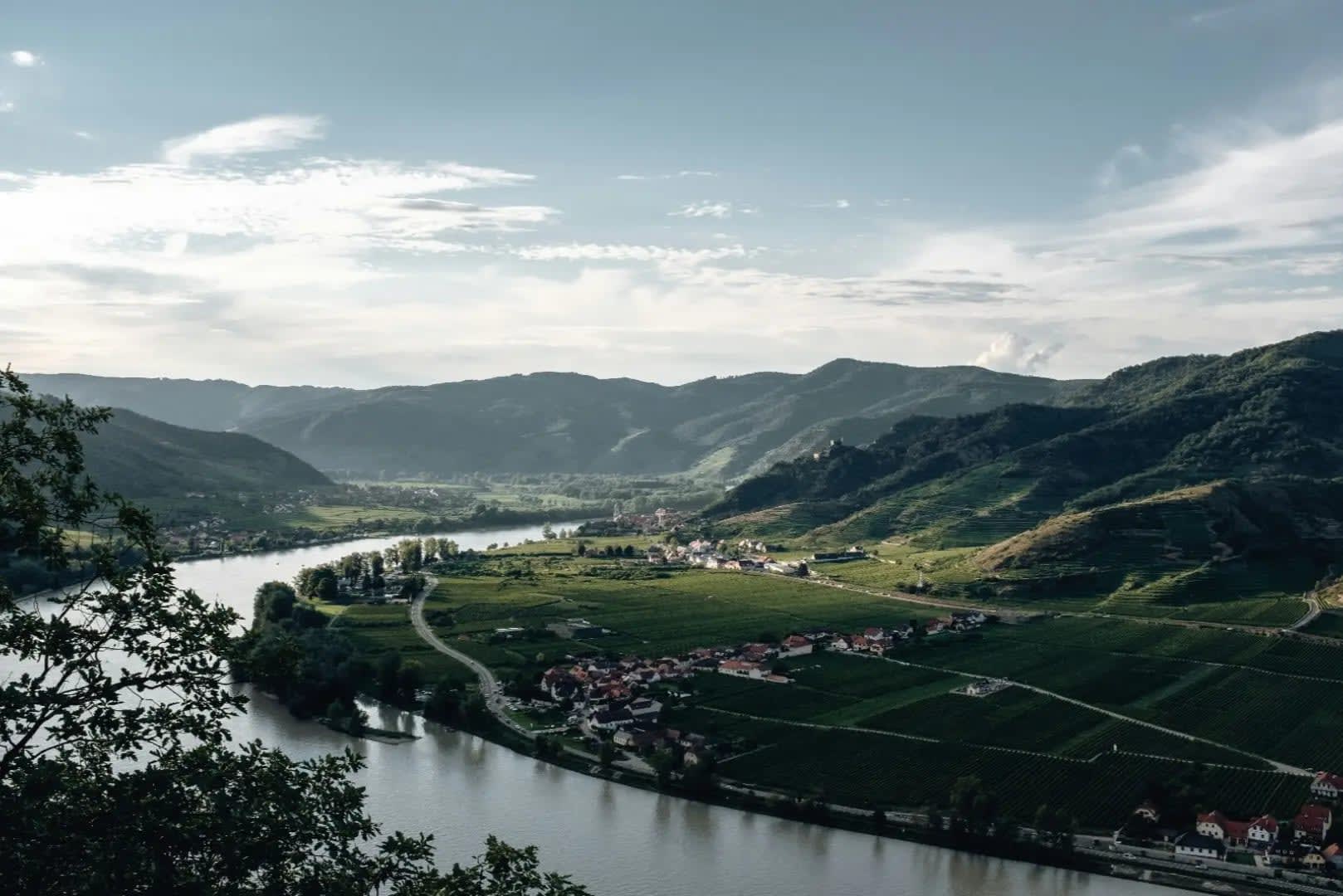
Wachau Valley
The Wachau Valley is a picturesque region in Austria known for its stunning landscapes, historic towns, and rich cultural heritage. Located along the Danube River between the towns of Melk and Krems, the Wachau Valley is renowned for its vineyards, charming villages, and historical landmarks. This guide provides an in-depth exploration of the Wachau Valley, covering its geography, history, activities, travel tips, conservation efforts, and visitor experiences.
🌍 Geography and Natural Features
The Wachau Valley is a renowned landscape characterized by its rolling hills, vineyards, and the meandering Danube River, offering a unique combination of natural beauty and agricultural richness.
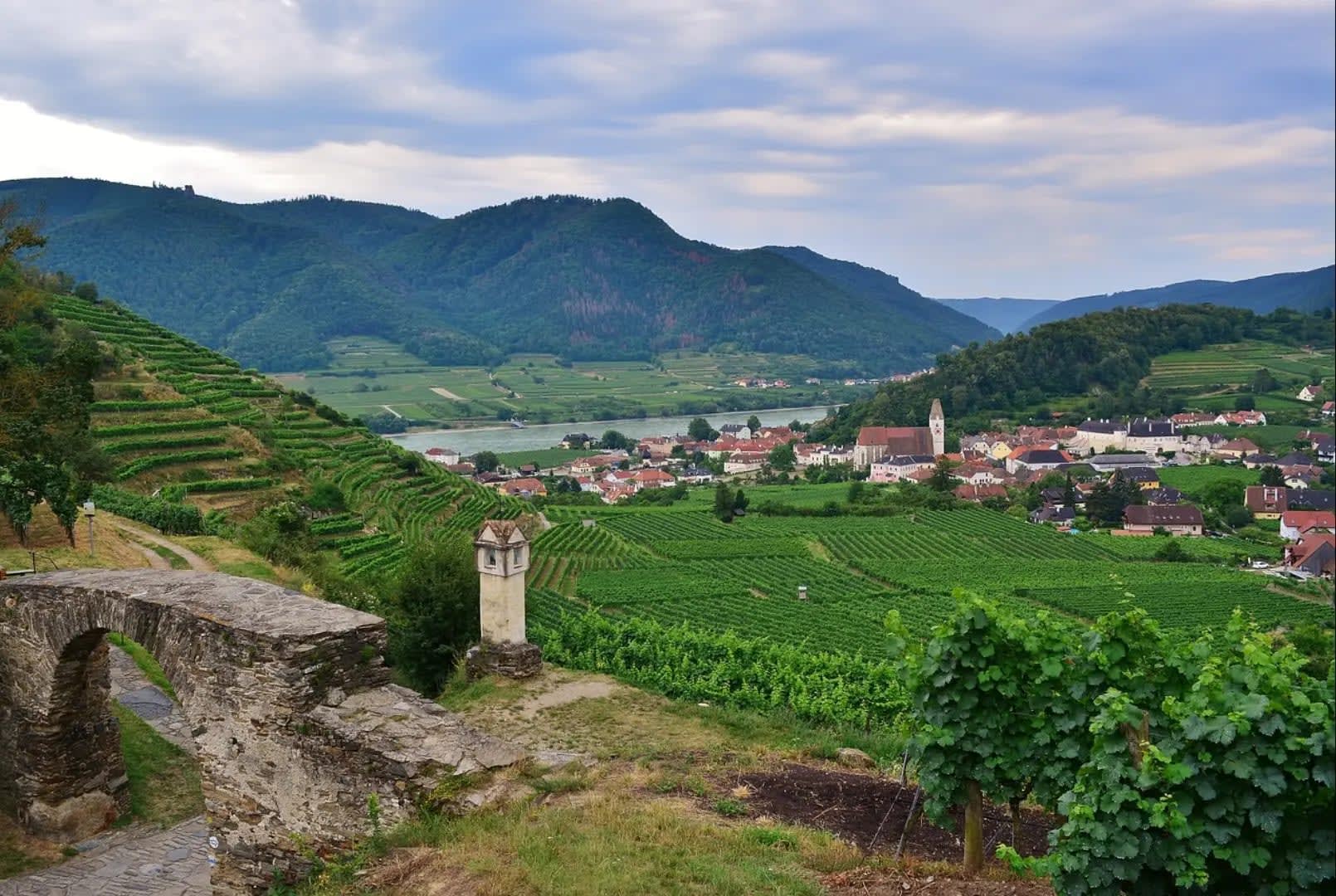
- Location and Layout: The Wachau Valley stretches approximately 36 kilometers (22 miles) along the Danube River, between the towns of Melk and Krems. The valley is situated in Lower Austria and is framed by hills and slopes that provide stunning vistas of the river and surrounding countryside.
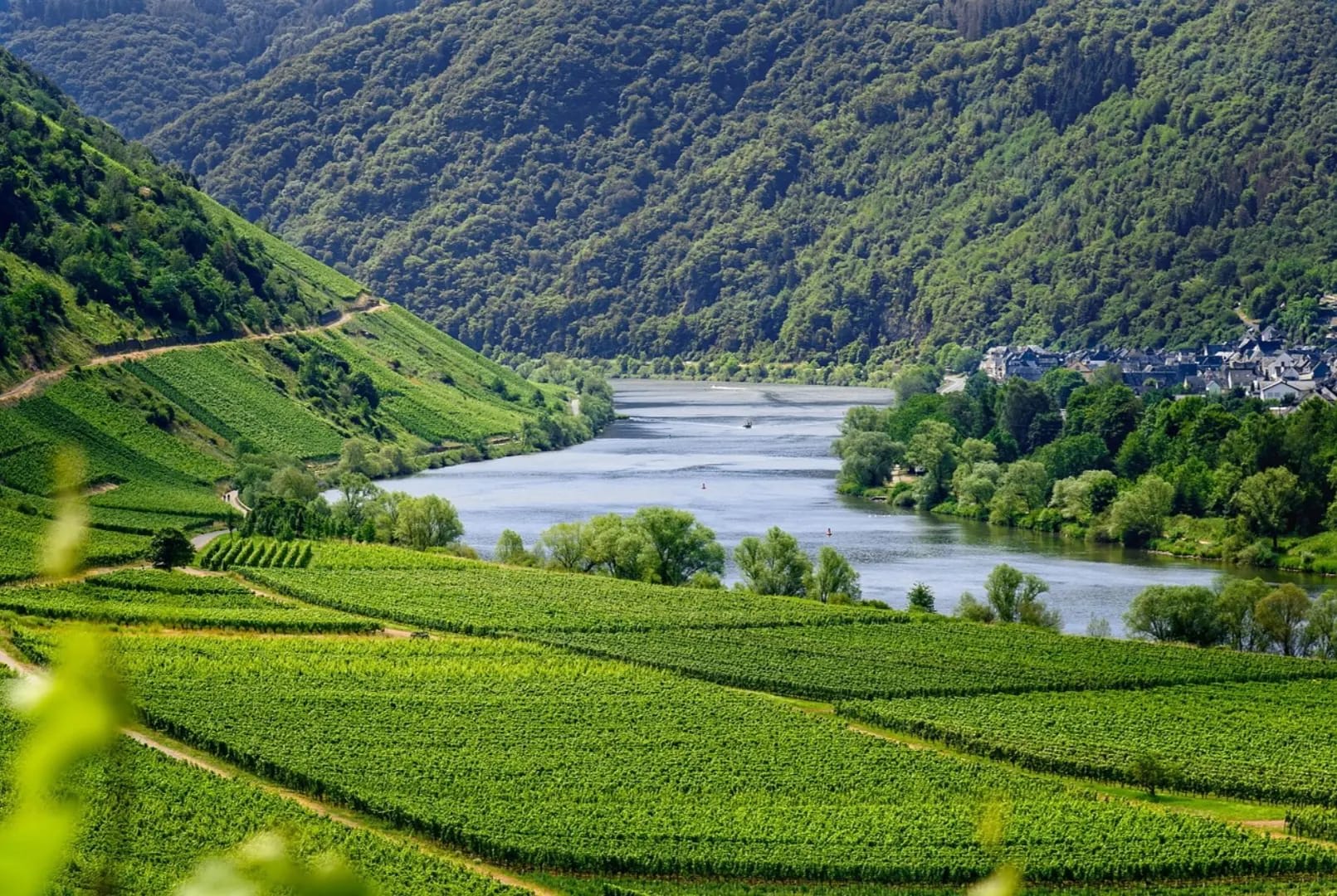
- River and Climate: The Danube River is the central feature of the Wachau Valley, shaping the landscape and providing fertile soil for vineyards and orchards. The region enjoys a temperate climate with warm summers and mild winters, which is ideal for growing grapes and other agricultural products.
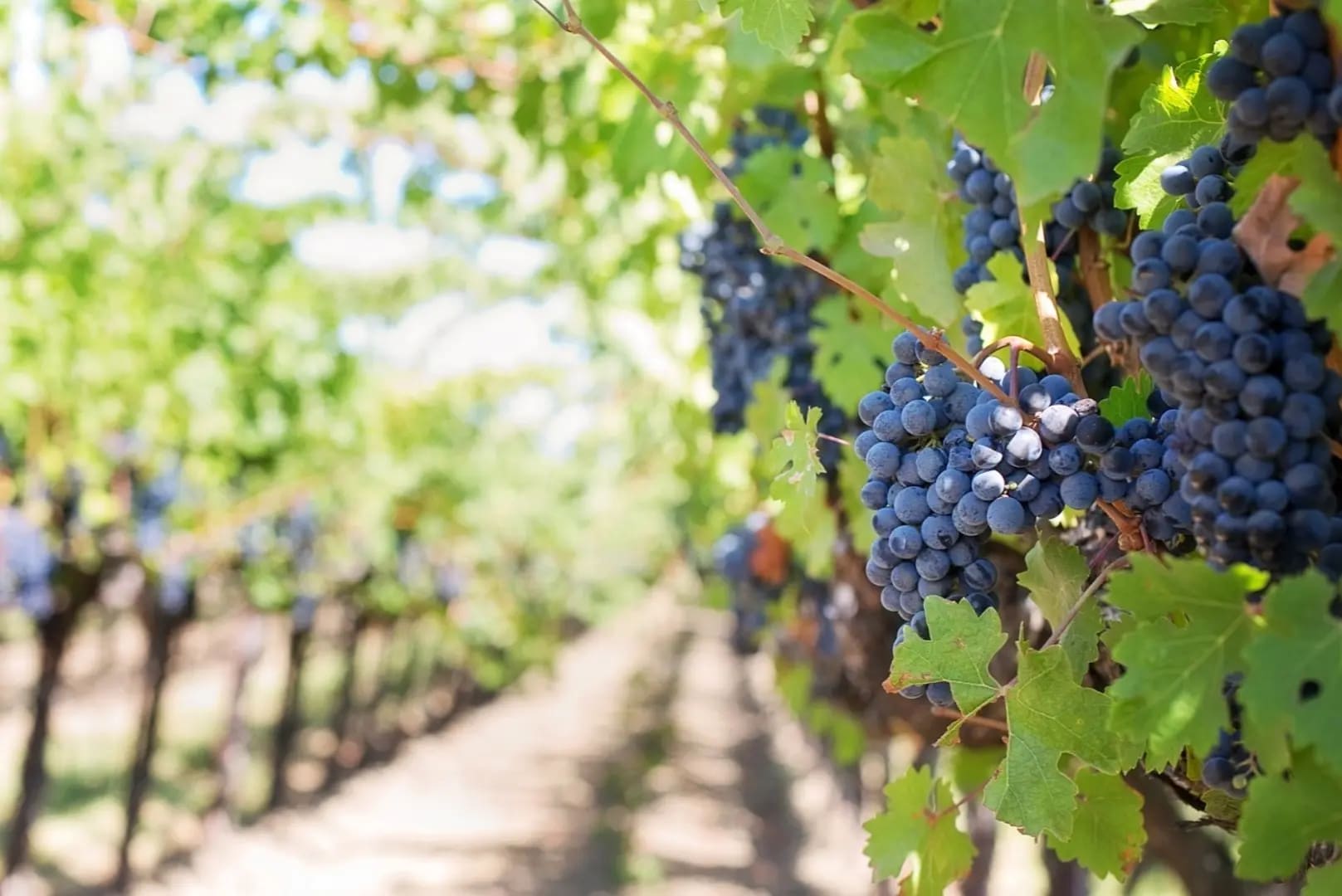
- Vineyards and Orchards: The valley is famous for its vineyards, which produce some of Austria's finest white wines, including Grüner Veltliner and Riesling. The terraced vineyards along the riverbanks are a defining feature of the landscape. Additionally, the Wachau Valley is home to numerous orchards that produce apricots, apples, and other fruits.
📜 History and Cultural Significance
The Wachau Valley has a rich historical and cultural heritage, reflected in its ancient towns, historic buildings, and traditions.
Ancient Roots: The Wachau Valley has been inhabited since prehistoric times. The region was an important area during Roman times, as evidenced by archaeological findings and ancient ruins. The Danube River served as a major trade route, contributing to the valley's historical significance.
Medieval and Renaissance Era: During the medieval period, the Wachau Valley became a center of trade and commerce. The construction of monasteries, castles, and fortified towns, such as Melk Abbey and Krems, reflects the valley's importance in regional history. The Renaissance era brought further cultural development, with the region becoming a center for art and architecture.
Cultural Heritage: The Wachau Valley is recognized for its well-preserved cultural landscape, which includes historic towns, churches, and traditional architecture. The valley was designated a UNESCO World Heritage Site in 2000 due to its cultural and historical significance, showcasing its importance as a historical and artistic treasure.
Ancient Roots: The Wachau Valley has been inhabited since prehistoric times. The region was an important area during Roman times, as evidenced by archaeological findings and ancient ruins. The Danube River served as a major trade route, contributing to the valley's historical significance.
Medieval and Renaissance Era: During the medieval period, the Wachau Valley became a center of trade and commerce. The construction of monasteries, castles, and fortified towns, such as Melk Abbey and Krems, reflects the valley's importance in regional history. The Renaissance era brought further cultural development, with the region becoming a center for art and architecture.
Cultural Heritage: The Wachau Valley is recognized for its well-preserved cultural landscape, which includes historic towns, churches, and traditional architecture. The valley was designated a UNESCO World Heritage Site in 2000 due to its cultural and historical significance, showcasing its importance as a historical and artistic treasure.
🏃 Activities and Attractions
The Wachau Valley offers a diverse range of activities and attractions, catering to visitors interested in history, culture, nature, and gastronomy.
- Scenic Drives and Cruises: One of the best ways to experience the Wachau Valley is by taking a scenic drive along the Danube River. The route offers breathtaking views of the vineyards, historic towns, and rolling hills. Alternatively, visitors can enjoy a leisurely boat cruise on the Danube, providing a different perspective of the valley's stunning scenery.
- Historic Towns: The valley is home to several charming towns and villages, each with its own unique character. Melk, known for the impressive Melk Abbey, is a highlight with its baroque architecture and panoramic views. Krems, another prominent town, boasts historic buildings, vibrant cultural events, and a picturesque old town center. Other notable towns include Dürnstein, famous for its medieval castle ruins, and Spitz, renowned for its local wine production.
- Wine Tasting and Culinary Experiences: The Wachau Valley is a renowned wine region, and visitors can enjoy wine tasting at local wineries and wine taverns. The valley produces a variety of high-quality wines, including Grüner Veltliner and Riesling. Additionally, the region offers culinary experiences featuring local specialties such as apricot-based dishes, traditional Austrian cuisine, and fresh produce from the orchards.
💡 Travel Tips
To make the most of your visit to the Wachau Valley, consider these practical travel tips and recommendations.
Best Time to Visit: The Wachau Valley is a year-round destination, with each season offering a unique experience. Spring and autumn are ideal for enjoying the mild weather and the scenic beauty of the vineyards and orchards. Summer is perfect for outdoor activities and festivals, while winter provides a quieter atmosphere and festive holiday events. Check local events and festivals to plan your visit accordingly.
Access and Transportation: The Wachau Valley is accessible by car, train, or boat. The A1 motorway connects the region to Vienna and Salzburg, making it easy to reach by car. Trains run regularly between Vienna and Krems, providing a convenient option for public transportation. Boat cruises on the Danube offer a scenic and leisurely way to explore the valley. Cycling is also popular, with well-marked bike paths along the river and through the vineyards.
What to Bring: Wear comfortable clothing and sturdy footwear for exploring the historic towns and hiking trails. If visiting during the summer, bring sunscreen, a hat, and sunglasses for sun protection. In the colder months, dress in layers to stay warm. If planning to visit vineyards and wineries, consider bringing a reusable water bottle and a camera to capture the beautiful landscapes.
Best Time to Visit: The Wachau Valley is a year-round destination, with each season offering a unique experience. Spring and autumn are ideal for enjoying the mild weather and the scenic beauty of the vineyards and orchards. Summer is perfect for outdoor activities and festivals, while winter provides a quieter atmosphere and festive holiday events. Check local events and festivals to plan your visit accordingly.
Access and Transportation: The Wachau Valley is accessible by car, train, or boat. The A1 motorway connects the region to Vienna and Salzburg, making it easy to reach by car. Trains run regularly between Vienna and Krems, providing a convenient option for public transportation. Boat cruises on the Danube offer a scenic and leisurely way to explore the valley. Cycling is also popular, with well-marked bike paths along the river and through the vineyards.
What to Bring: Wear comfortable clothing and sturdy footwear for exploring the historic towns and hiking trails. If visiting during the summer, bring sunscreen, a hat, and sunglasses for sun protection. In the colder months, dress in layers to stay warm. If planning to visit vineyards and wineries, consider bringing a reusable water bottle and a camera to capture the beautiful landscapes.
🌱 Conservation
Conservation efforts in the Wachau Valley focus on preserving the natural and cultural heritage of the region while promoting sustainable tourism.
Environmental Protection: Conservation initiatives aim to protect the natural landscape of the Wachau Valley, including the vineyards, orchards, and riverbanks. Efforts include maintaining the health of the soil, managing water resources, and preventing pollution. The preservation of the natural environment ensures that the valley remains a beautiful and ecologically balanced region.
Cultural Heritage Preservation: The Wachau Valley is known for its well-preserved historic towns, buildings, and cultural sites. Conservation efforts focus on maintaining and restoring these cultural landmarks to preserve their historical and architectural significance. Local organizations and authorities work to ensure that the region's cultural heritage is protected and celebrated.
Sustainable Tourism: To promote sustainable tourism, visitors are encouraged to respect the environment and cultural heritage of the Wachau Valley. This includes following guidelines for responsible behavior, such as staying on designated paths, avoiding littering, and supporting local businesses that prioritize sustainability. Educational programs and signage help raise awareness about the importance of conservation and responsible tourism.
Environmental Protection: Conservation initiatives aim to protect the natural landscape of the Wachau Valley, including the vineyards, orchards, and riverbanks. Efforts include maintaining the health of the soil, managing water resources, and preventing pollution. The preservation of the natural environment ensures that the valley remains a beautiful and ecologically balanced region.
Cultural Heritage Preservation: The Wachau Valley is known for its well-preserved historic towns, buildings, and cultural sites. Conservation efforts focus on maintaining and restoring these cultural landmarks to preserve their historical and architectural significance. Local organizations and authorities work to ensure that the region's cultural heritage is protected and celebrated.
Sustainable Tourism: To promote sustainable tourism, visitors are encouraged to respect the environment and cultural heritage of the Wachau Valley. This includes following guidelines for responsible behavior, such as staying on designated paths, avoiding littering, and supporting local businesses that prioritize sustainability. Educational programs and signage help raise awareness about the importance of conservation and responsible tourism.
✨ Conclusion
The Wachau Valley stands as a testament to Austria's natural and cultural heritage, offering visitors a rich tapestry of landscapes, history, and culinary experiences. With its stunning river views, charming historic towns, and world-class vineyards, the valley provides a diverse range of activities and attractions for all types of travelers. Conservation efforts ensure that the region remains a beautiful and culturally significant destination for future generations to enjoy. A visit to the Wachau Valley promises an enriching and memorable experience, showcasing the best of Austria's scenic and cultural treasures.