
Krimml Waterfalls
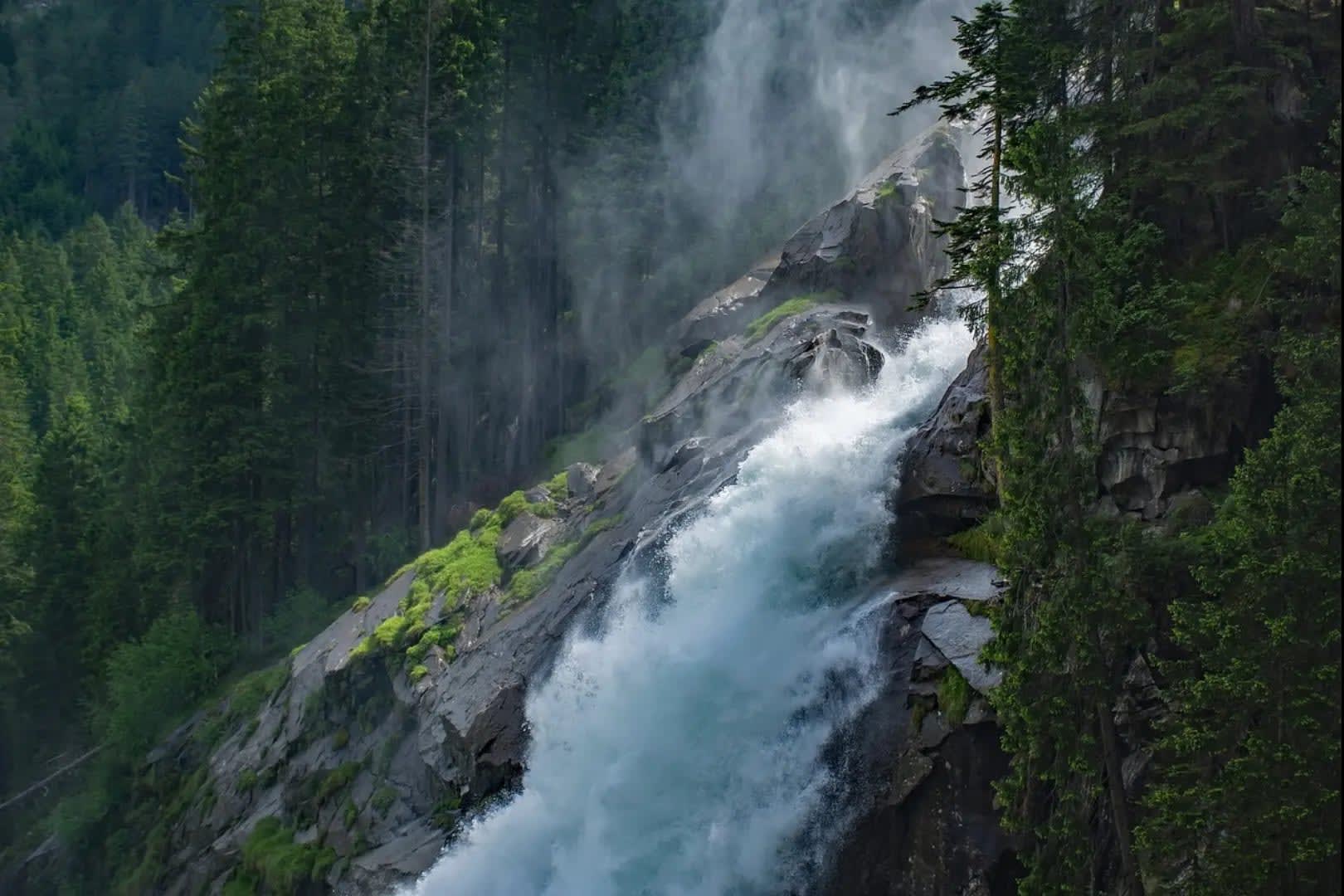
The Krimml Waterfalls, located in the Hohe Tauern National Park in Austria, are one of the most spectacular natural attractions in the country. As the highest waterfalls in Austria and the fifth highest in Europe, the Krimml Waterfalls cascade down a total height of 380 meters (1,247 feet) through three distinct tiers. This guide provides an in-depth look at the Krimml Waterfalls, exploring their geography, history, activities, travel tips, conservation efforts, and visitor experiences.
🌍 Geography and Natural Features
The Krimml Waterfalls are a remarkable natural feature within the Hohe Tauern National Park, offering breathtaking views and an impressive display of natural power.
- Location and Height: The Krimml Waterfalls are situated in the Krimml Valley, which is part of the Hohe Tauern National Park in the state of Salzburg, Austria. The waterfalls drop a total height of 380 meters (1,247 feet) in three distinct stages: the Lower Falls, the Middle Falls, and the Upper Falls. This dramatic descent makes the Krimml Waterfalls the highest in Austria and the fifth highest in Europe.
- Formation and Flow: The waterfalls are fed by the Krimmler Ache River, which originates from the glaciers of the High Tauern mountains. The river's flow is augmented by melting snow and rainwater, contributing to the waterfalls' powerful cascade. The erosion and sculpting of the rock face over time have created the impressive tiers of the falls.
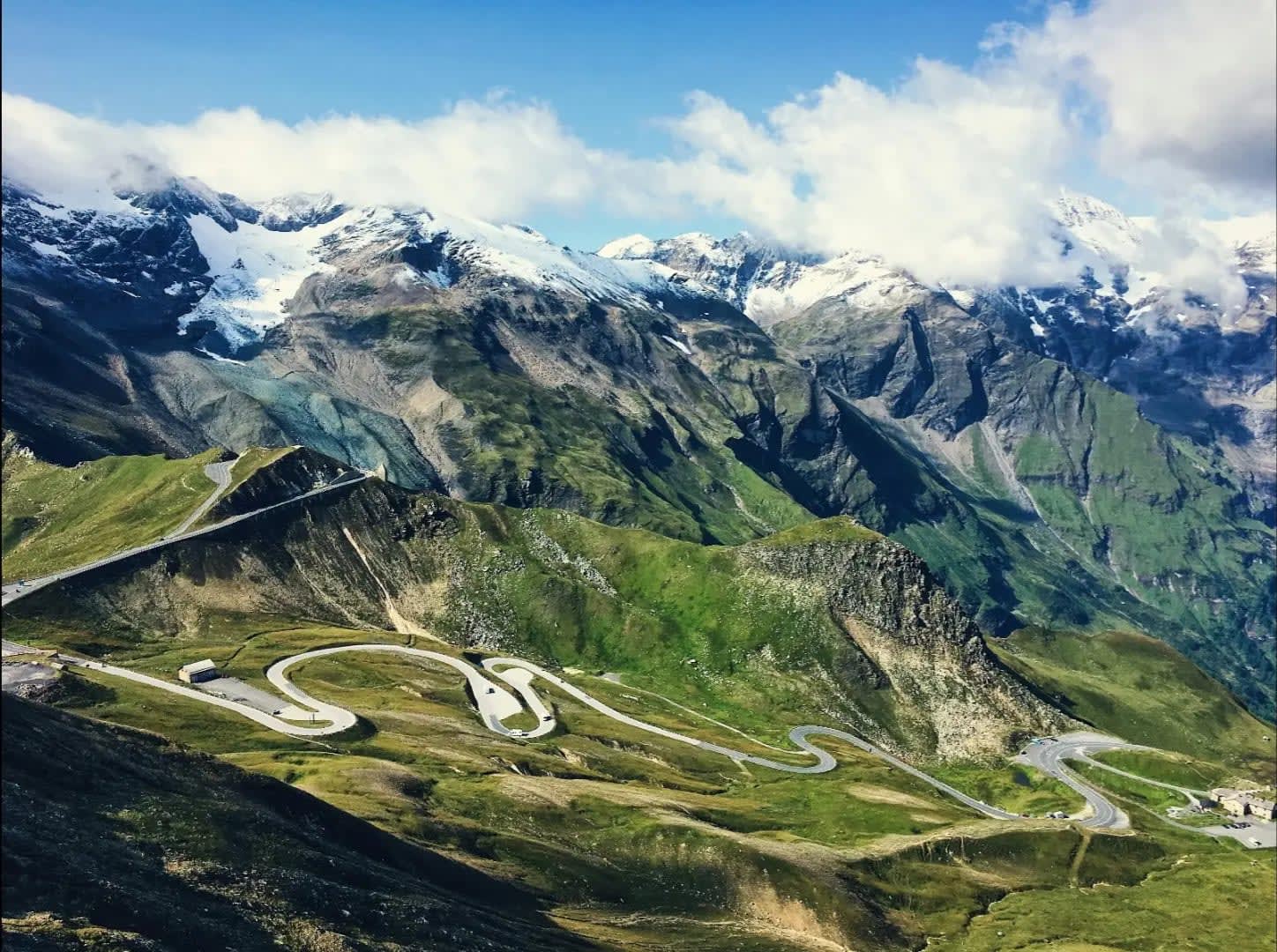
- Surrounding Environment: The Krimml Waterfalls are set against a backdrop of lush forests, rugged mountain terrain, and alpine meadows. The surrounding landscape is characterized by steep rock faces, verdant vegetation, and diverse flora and fauna. The area is a haven for nature enthusiasts and offers stunning scenic views throughout the year.
📜 History and Cultural Significance
The Krimml Waterfalls have a rich history and cultural significance, reflecting their role as a natural wonder and a source of inspiration.
Historical Discovery: The Krimml Waterfalls have been a point of interest since the early 19th century when they began to attract attention from travelers and nature enthusiasts. The first documented visit to the waterfalls was in 1862 by the Austrian naturalist Karl von Pöckl, who recognized their significance and contributed to their promotion as a natural attraction.
Cultural Impact: The waterfalls have inspired numerous artists, poets, and writers over the years. The stunning beauty of the cascades and the surrounding landscape have been captured in paintings, literature, and photography. The Krimml Waterfalls are celebrated for their majestic appearance and their role in showcasing Austria's natural heritage.
Tourism Development: The area around the Krimml Waterfalls has been developed to accommodate visitors, with well-maintained walking paths, viewing platforms, and information centers. Efforts have been made to preserve the natural environment while providing access to the falls. The development of tourism infrastructure has helped raise awareness of the waterfalls and their significance.
Historical Discovery: The Krimml Waterfalls have been a point of interest since the early 19th century when they began to attract attention from travelers and nature enthusiasts. The first documented visit to the waterfalls was in 1862 by the Austrian naturalist Karl von Pöckl, who recognized their significance and contributed to their promotion as a natural attraction.
Cultural Impact: The waterfalls have inspired numerous artists, poets, and writers over the years. The stunning beauty of the cascades and the surrounding landscape have been captured in paintings, literature, and photography. The Krimml Waterfalls are celebrated for their majestic appearance and their role in showcasing Austria's natural heritage.
Tourism Development: The area around the Krimml Waterfalls has been developed to accommodate visitors, with well-maintained walking paths, viewing platforms, and information centers. Efforts have been made to preserve the natural environment while providing access to the falls. The development of tourism infrastructure has helped raise awareness of the waterfalls and their significance.
🏃 Activities and Attractions
Visitors to the Krimml Waterfalls can engage in a range of activities and enjoy various attractions that highlight the natural beauty of the area.
- Waterfall Trail: The Krimml Waterfalls are accessible via a well-marked hiking trail that allows visitors to experience the falls from different viewpoints. The trail includes several observation platforms at each tier of the falls, providing stunning views and photo opportunities. The hike is approximately 4.5 kilometers (2.8 miles) round-trip and offers a close-up experience of the cascading waters.
- Visitor Center: The Krimml Waterfalls Visitor Center provides educational exhibits and information about the falls, the surrounding environment, and the Hohe Tauern National Park. The center offers interactive displays, maps, and guided tours that enhance visitors' understanding of the natural and cultural significance of the waterfalls.
- Wildlife Viewing: The area around the Krimml Waterfalls is home to a variety of wildlife, including marmots, chamois, and numerous bird species. Nature enthusiasts can enjoy wildlife viewing along the hiking trails and in the surrounding forested areas. The diverse flora and fauna contribute to the area's ecological richness and provide additional attractions for visitors.
💡 Travel Tips
To make the most of your visit to the Krimml Waterfalls, consider these practical travel tips and recommendations.
Best Time to Visit: The Krimml Waterfalls can be visited year-round, with each season offering a different experience. Spring and summer are ideal for hiking and enjoying the lush greenery and full flow of the waterfalls. Autumn provides beautiful fall foliage, while winter offers a serene snowy landscape. Check weather conditions before your visit, as snowfall and ice can impact access and safety.
Access and Transportation: The Krimml Waterfalls are accessible by car or public transportation from the nearby town of Krimml. Parking is available at the base of the waterfalls, and the trailhead is well-signposted. Public buses also operate from major towns in the region. It is advisable to check transportation options and schedules in advance, especially during peak tourist seasons.
What to Wear: Wear comfortable, sturdy footwear suitable for walking on uneven and sometimes wet terrain. Dress in layers to accommodate changing weather conditions and bring a waterproof jacket in case of rain. A hat and sunglasses are also recommended for protection from the sun. If visiting in winter, ensure you have appropriate clothing for cold and potentially icy conditions.
Best Time to Visit: The Krimml Waterfalls can be visited year-round, with each season offering a different experience. Spring and summer are ideal for hiking and enjoying the lush greenery and full flow of the waterfalls. Autumn provides beautiful fall foliage, while winter offers a serene snowy landscape. Check weather conditions before your visit, as snowfall and ice can impact access and safety.
Access and Transportation: The Krimml Waterfalls are accessible by car or public transportation from the nearby town of Krimml. Parking is available at the base of the waterfalls, and the trailhead is well-signposted. Public buses also operate from major towns in the region. It is advisable to check transportation options and schedules in advance, especially during peak tourist seasons.
What to Wear: Wear comfortable, sturdy footwear suitable for walking on uneven and sometimes wet terrain. Dress in layers to accommodate changing weather conditions and bring a waterproof jacket in case of rain. A hat and sunglasses are also recommended for protection from the sun. If visiting in winter, ensure you have appropriate clothing for cold and potentially icy conditions.
🌱 Conservation
Conservation efforts at the Krimml Waterfalls focus on preserving the natural environment and managing the impact of tourism.
Environmental Protection: Measures are in place to protect the natural environment around the Krimml Waterfalls. This includes maintaining the integrity of the hiking trails, managing visitor flow, and preventing littering and pollution. The aim is to preserve the natural beauty of the falls and the surrounding ecosystem.
Wildlife Conservation: Conservation programs aim to protect the wildlife that inhabits the area around the waterfalls. Efforts include monitoring wildlife populations, preventing disturbances to their habitats, and educating visitors about the importance of wildlife protection. The preservation of natural habitats ensures the continued survival of local species.
Sustainable Tourism: To promote sustainable tourism, visitors are encouraged to follow guidelines for responsible behavior, such as staying on designated paths, avoiding disturbing wildlife, and disposing of waste properly. Educational programs and signage help raise awareness about the impact of tourism and the importance of conservation.
Environmental Protection: Measures are in place to protect the natural environment around the Krimml Waterfalls. This includes maintaining the integrity of the hiking trails, managing visitor flow, and preventing littering and pollution. The aim is to preserve the natural beauty of the falls and the surrounding ecosystem.
Wildlife Conservation: Conservation programs aim to protect the wildlife that inhabits the area around the waterfalls. Efforts include monitoring wildlife populations, preventing disturbances to their habitats, and educating visitors about the importance of wildlife protection. The preservation of natural habitats ensures the continued survival of local species.
Sustainable Tourism: To promote sustainable tourism, visitors are encouraged to follow guidelines for responsible behavior, such as staying on designated paths, avoiding disturbing wildlife, and disposing of waste properly. Educational programs and signage help raise awareness about the impact of tourism and the importance of conservation.
✨ Conclusion
The Krimml Waterfalls stand as a testament to the natural beauty and power of Austria's alpine landscapes. As the highest waterfalls in the country and a prominent feature within the Hohe Tauern National Park, they offer a stunning display of cascading water and breathtaking scenery. With well-developed trails, informative visitor centers, and a commitment to conservation, the Krimml Waterfalls provide an unforgettable experience for visitors seeking to connect with nature. A visit to the Krimml Waterfalls promises a memorable adventure into one of Austria's most remarkable natural wonders, offering both awe-inspiring views and an opportunity to appreciate the beauty of the alpine environment.