Phang Nga Bay
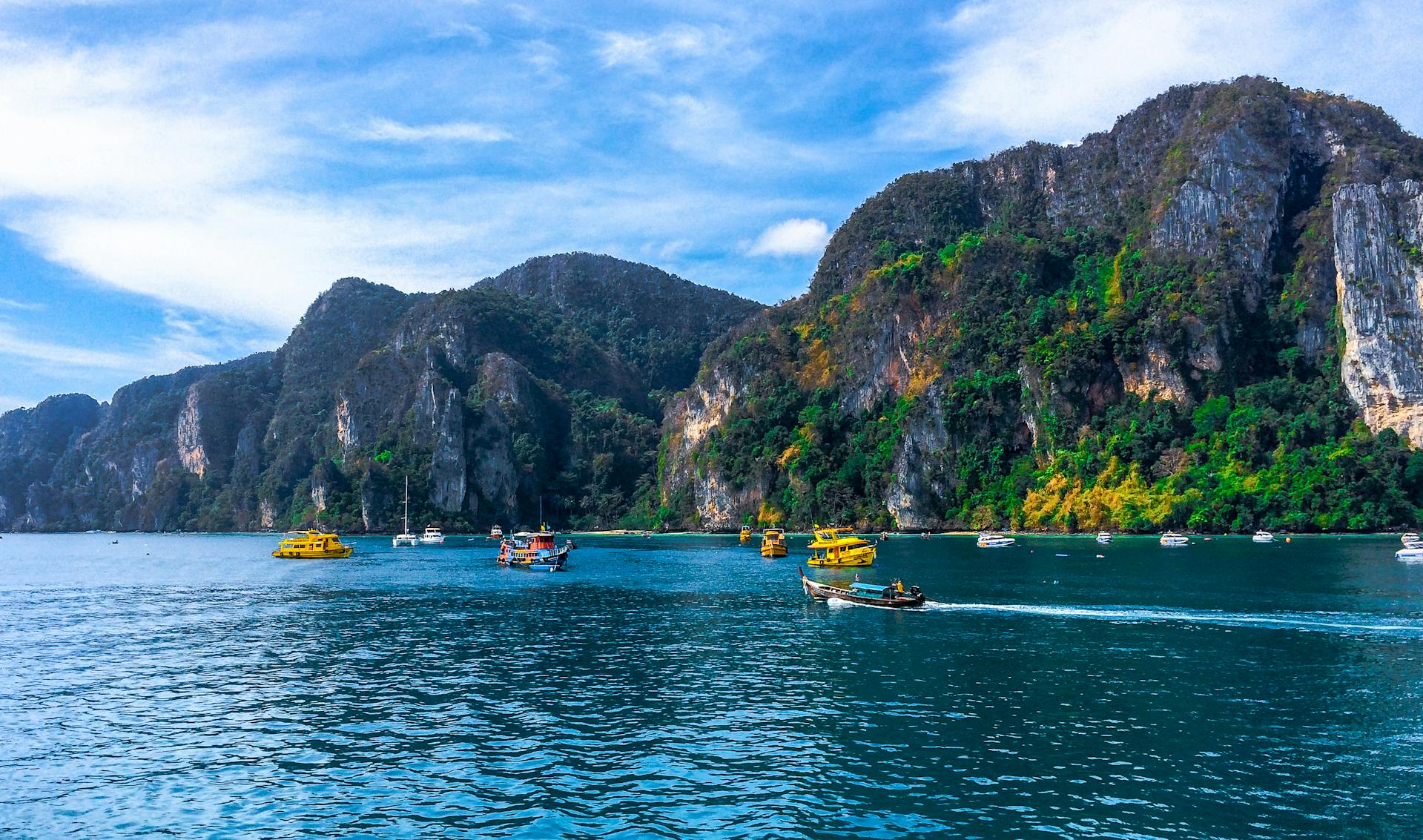
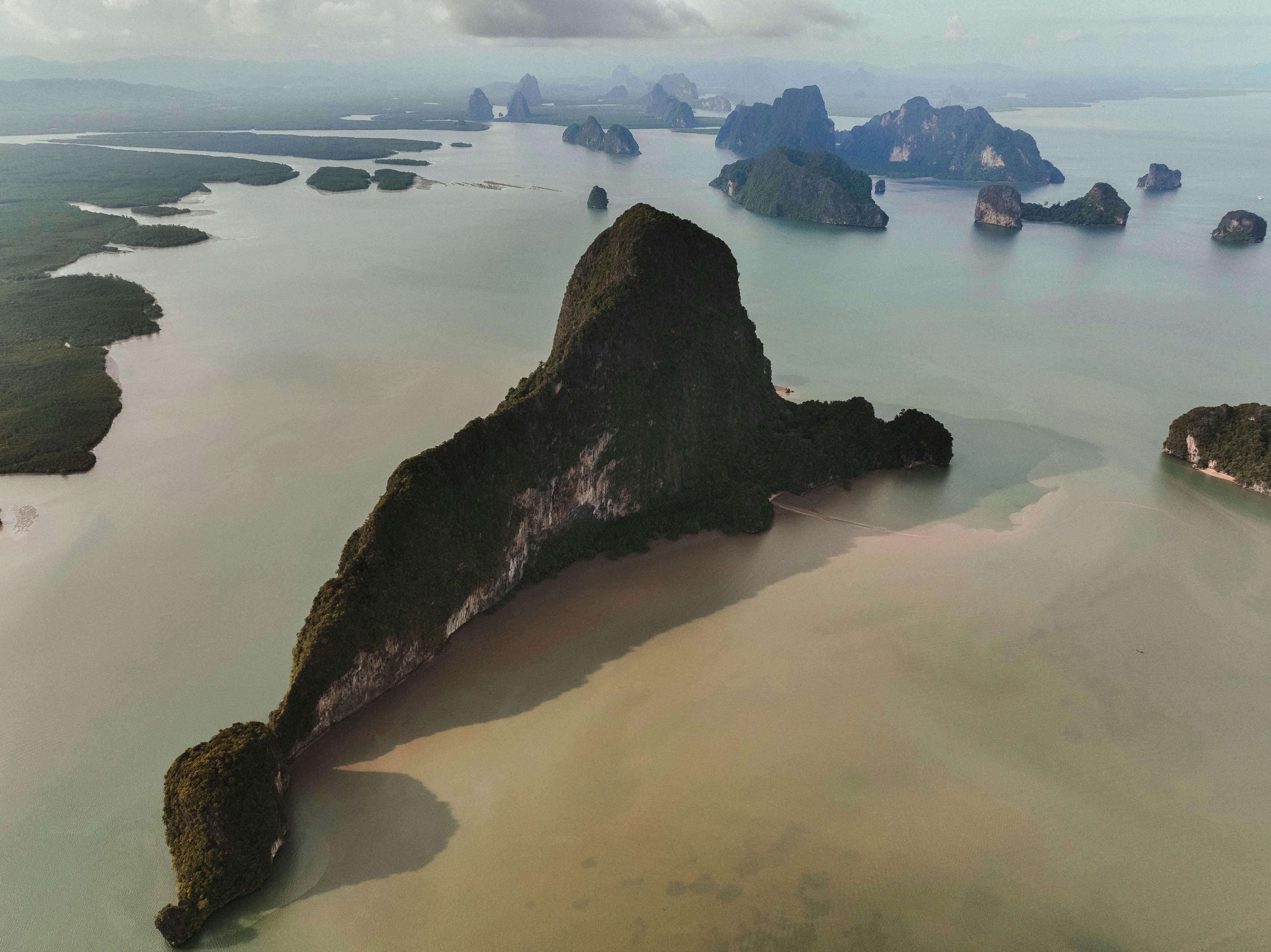
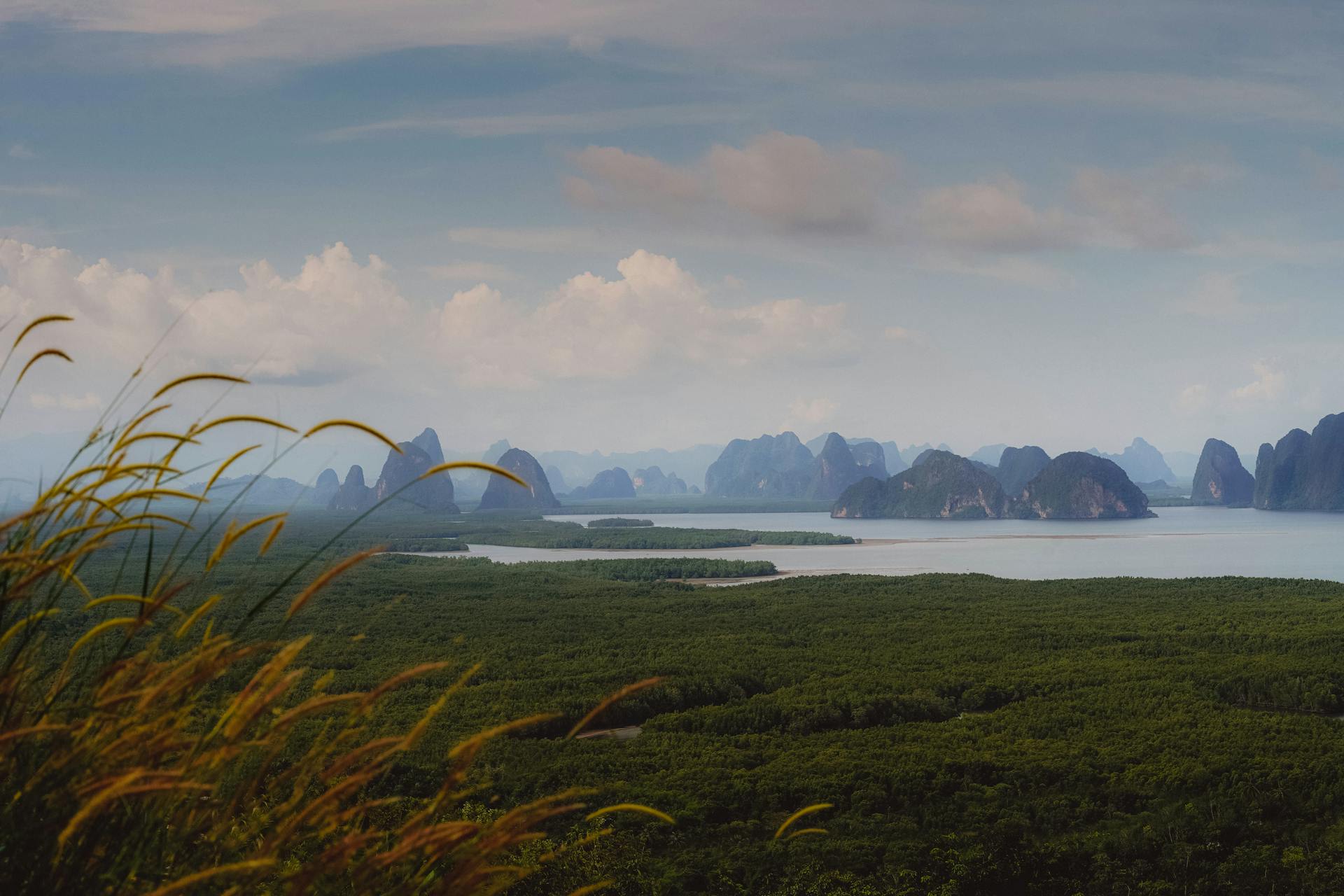
Phang Nga Bay is a stunning bay located in the Strait of Malacca, between the island of Phuket and the mainland of the Malay Peninsula in southern Thailand. This picturesque bay covers an area of approximately 400 square kilometers and is known for its dramatic limestone karsts that rise vertically out of the emerald-green waters, creating a breathtaking seascape.
🌍 Geography and Ecosystem
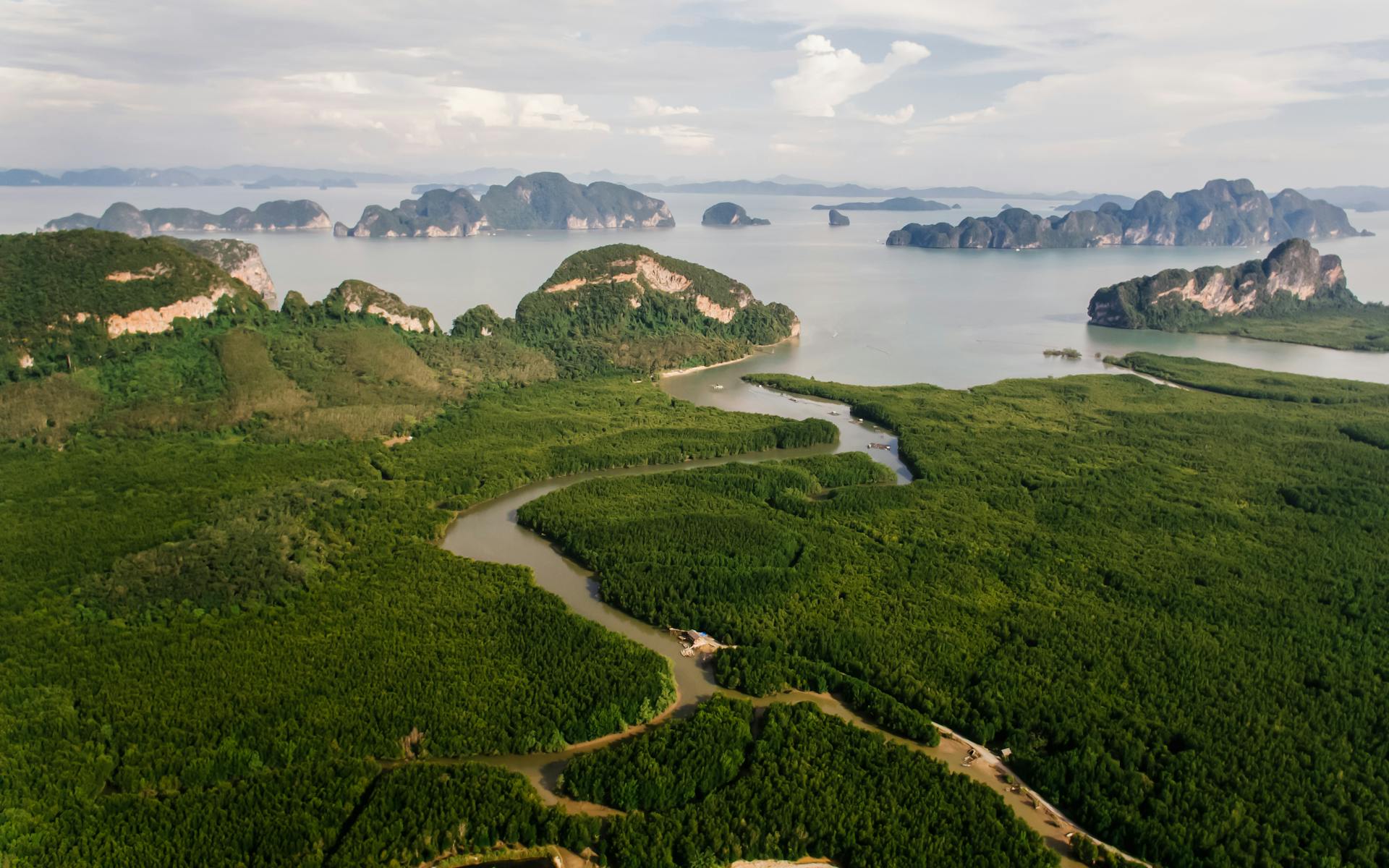
Phang Nga Bay boasts a diverse landscape characterized by its iconic limestone karsts, mangrove forests, hidden lagoons, and pristine beaches.
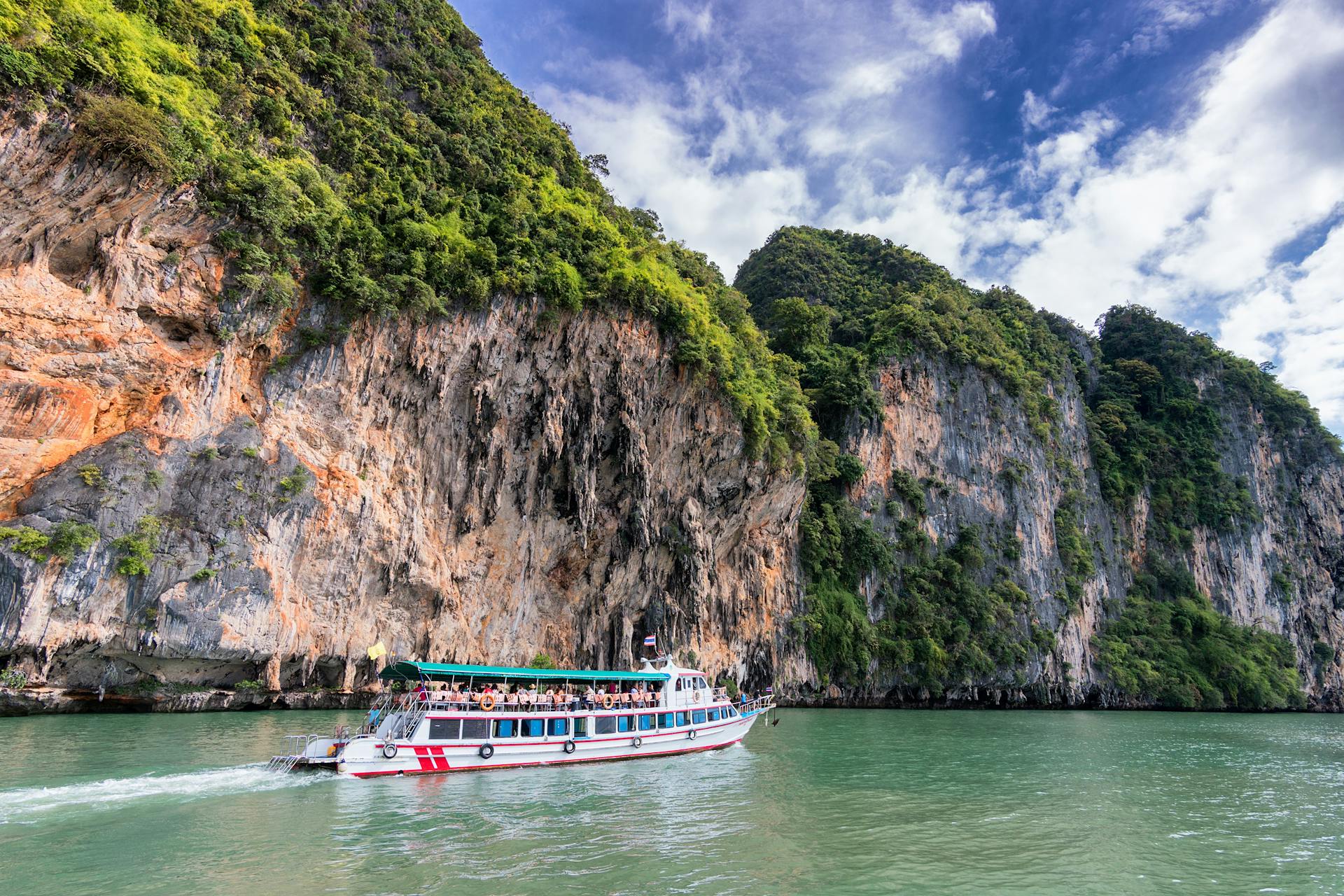
- Limestone Karsts: These towering rock formations, some reaching heights of over 300 meters, are a result of ancient coral reefs being uplifted by tectonic movements. They are riddled with caves, tunnels, and cliffs, adding to the bay's mystique.
- Mangrove Forests: The bay is home to extensive mangrove forests that serve as important breeding grounds for various marine species and provide a crucial buffer zone against coastal erosion.
- Hidden Lagoons: Within the karsts, hidden lagoons known as 'hongs' offer secluded havens accessible only through narrow cave passages, providing a sense of adventure and tranquility.
- Pristine Beaches: Along the bay's coastline, visitors can find secluded beaches with powdery white sand and crystal-clear waters, perfect for relaxation and water activities.
📜 History and Cultural Significance
Phang Nga Bay has a rich history dating back centuries, with evidence of early human settlements found in the area. The bay's limestone karsts have been sculpted over millions of years by natural processes, creating a unique geological wonder. In terms of cultural significance, the bay is intertwined with local folklore and legends, with tales of mythical creatures inhabiting the karsts and hidden treasures buried in the caves. Today, the bay is not only a popular tourist destination but also holds spiritual and cultural importance for the local communities.
🏃 Activities and Attractions
Visitors to Phang Nga Bay can partake in a variety of activities that showcase the bay's natural beauty and offer memorable experiences:
- Kayaking: Explore the maze-like waterways and hidden lagoons of the bay by kayak, immersing yourself in the stunning scenery up close.
- Island Hopping: Discover the diverse landscapes of the bay by hopping from one picturesque island to another, each offering unique vistas and opportunities for snorkeling and swimming.
- Cave Exploration: Delve into the mysterious caves and tunnels within the karsts, uncovering hidden chambers and admiring the intricate rock formations.
- Sunset Cruises: Experience the bay in all its glory during a sunset cruise, witnessing the changing colors of the sky reflecting off the limestone cliffs for a magical end to the day.
💡 Travel Tips
Best Time to Visit: The best time to visit Phang Nga Bay is during the dry season from November to April when the weather is pleasant and ideal for outdoor activities.
What to Bring: Be sure to pack sunscreen, a hat, sunglasses, swimwear, and sturdy footwear for exploring the caves and beaches.
How to Get There: Phang Nga Bay is easily accessible from Phuket, with boat tours departing from various piers along the coast. Alternatively, hire a private boat for a more personalized experience.
Accommodation Options: While there are no accommodations within the bay itself, visitors can stay in nearby Phuket or Phang Nga town and take day trips to the bay.
🌱 Conservation
Preservation efforts in Phang Nga Bay are crucial to protect its delicate ecosystem and unique geological formations. Local authorities have implemented measures to regulate tourism activities, such as limiting the number of visitors to sensitive areas and promoting responsible travel practices. Visitors are encouraged to follow guidelines to minimize their impact on the environment, including refraining from littering, respecting wildlife, and avoiding damaging coral reefs.
✨ Conclusion
Phang Nga Bay is a natural masterpiece that captivates visitors with its awe-inspiring karst formations, hidden lagoons, and pristine beaches. This enchanting bay not only offers a haven for outdoor enthusiasts but also holds a significant place in local folklore and geological history. With a blend of adventure and tranquility, Phang Nga Bay is a must-visit destination for those seeking to immerse themselves in the beauty of Thailand's natural wonders.