
Jungfraujoch
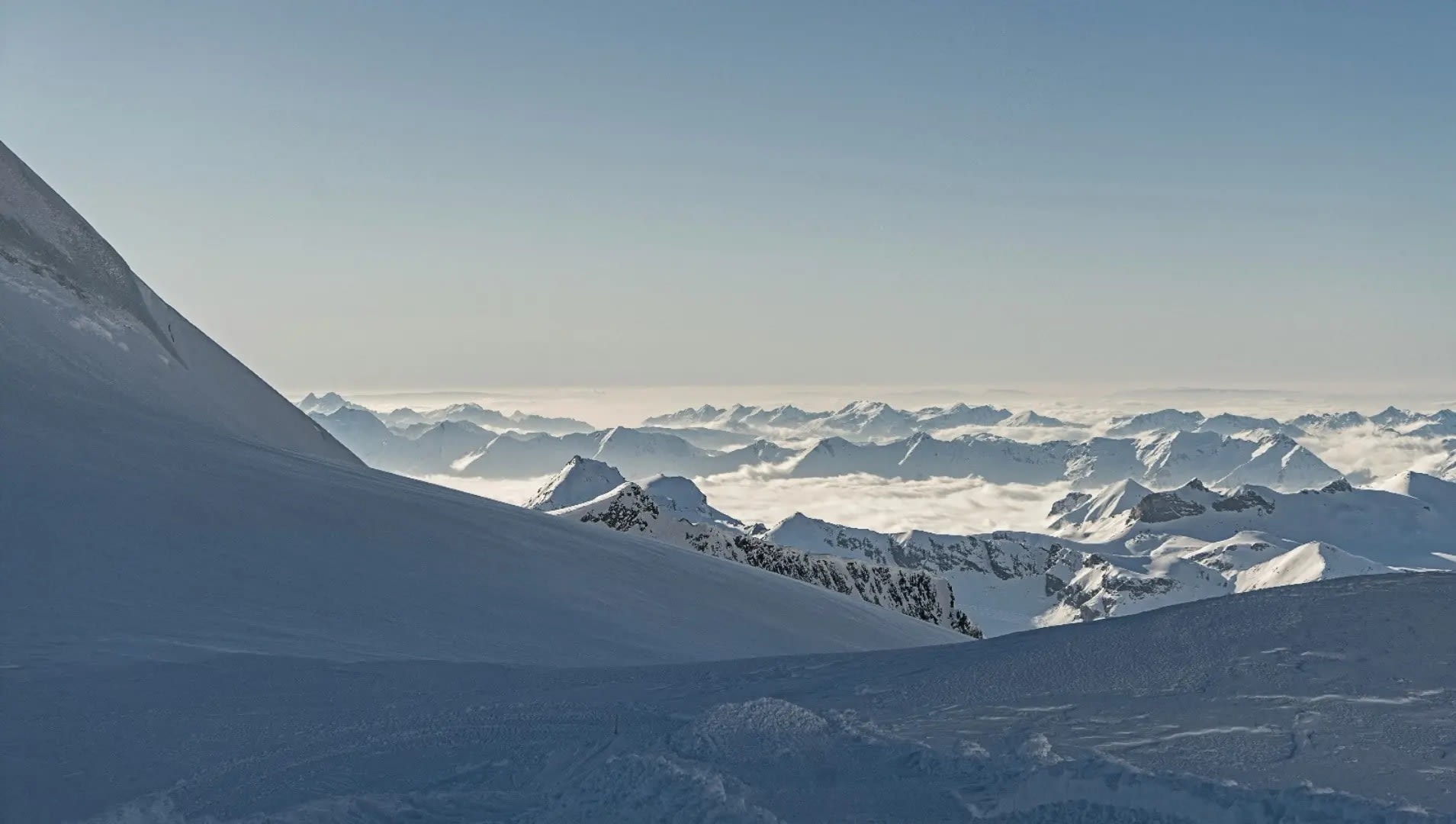
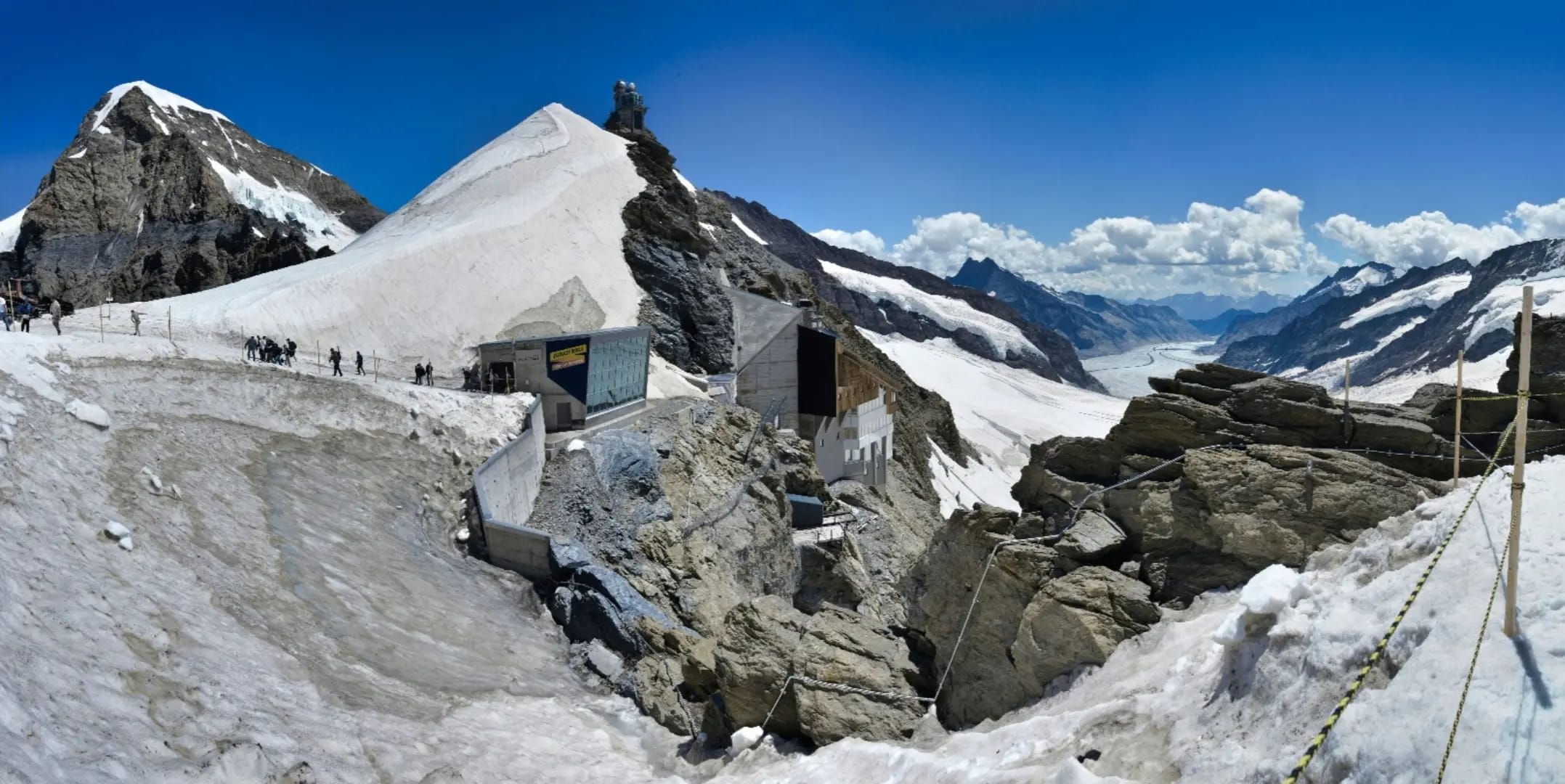
Jungfraujoch, often referred to as the 'Top of Europe,' is a breathtaking destination nestled in the heart of the Swiss Alps. Situated at an altitude of 3,454 meters (11,332 feet), this high-altitude saddle between the Mönch and Jungfrau peaks offers visitors stunning panoramic views, year-round snow, and a wide range of activities. From the iconic Jungfrau Railway journey to the exhilarating Aletsch Glacier, the longest glacier in the Alps, Jungfraujoch is a must-visit destination for nature lovers, adventure seekers, and those looking to experience the awe-inspiring beauty of the Swiss mountains.
🌍 Geography and Ecosystem
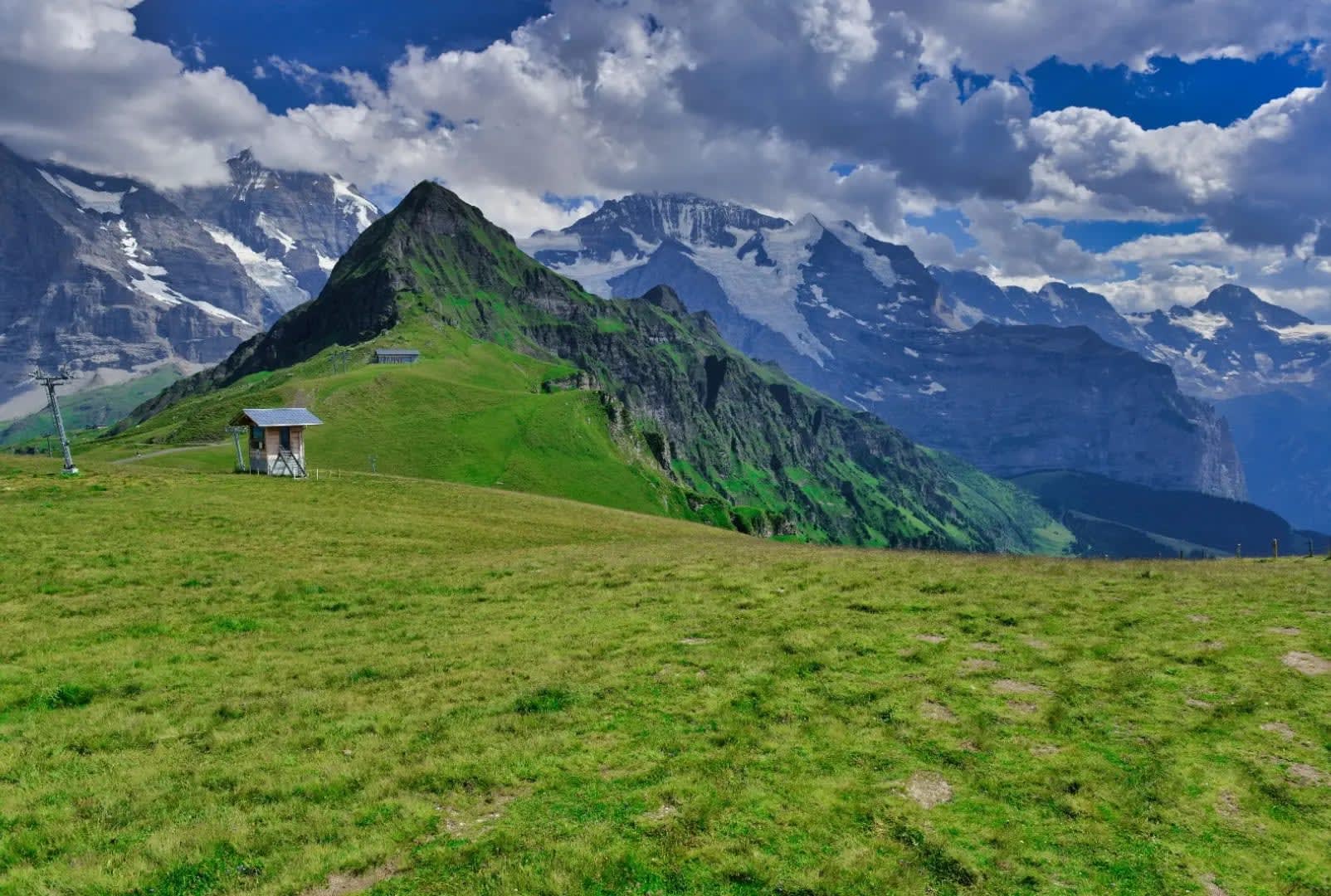
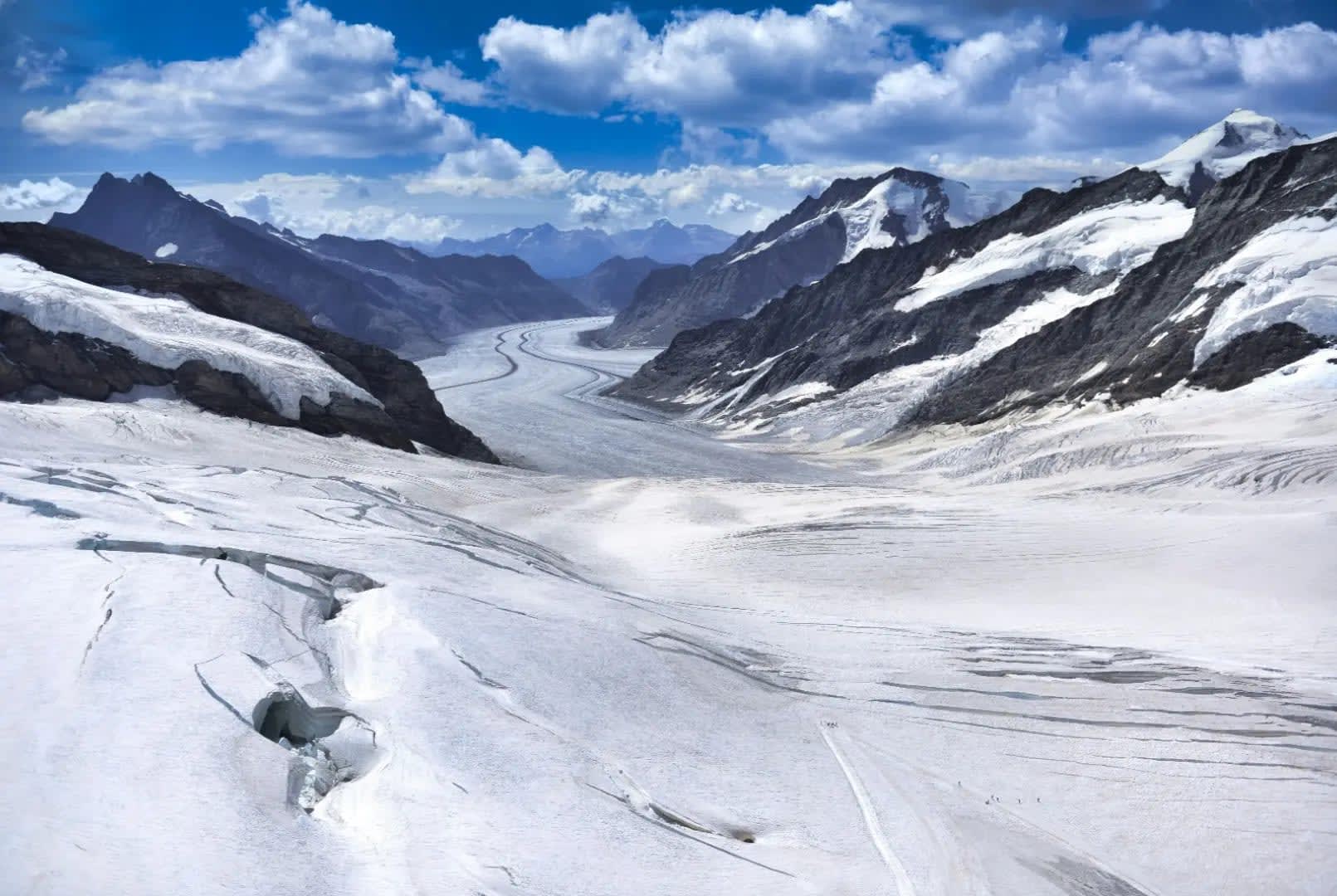
Jungfraujoch is located in the Bernese Alps in Switzerland, forming a natural saddle between two of the region's most famous peaks: the Mönch and the Jungfrau. The area is part of the Jungfrau-Aletsch region, a UNESCO World Heritage site, recognized for its unique alpine ecosystem and dramatic landscapes. The Jungfraujoch serves as a gateway to the Aletsch Glacier, the largest glacier in the Alps, which stretches over 23 kilometers and covers an area of more than 80 square kilometers. The region is characterized by its towering ice formations, rugged mountain terrain, and year-round snow, creating a unique ecosystem that supports specialized alpine flora and fauna.
- Jungfraujoch is situated at the upper limit of the alpine climate zone, where temperatures remain cold year-round, and snowfall can occur even in summer.
- The area is home to various glaciers, including the Eiger, Mönch, and Jungfrau glaciers, which are fed by the region's abundant snowfall.
- The harsh climate and extreme altitude support a limited range of flora and fauna, with hardy species adapted to the cold and thin air.
📜 History and Cultural Significance
The history of Jungfraujoch is closely linked to the development of the Jungfrau Railway, an engineering marvel completed in 1912. The idea for the railway was conceived by Adolf Guyer-Zeller, a Swiss industrialist, in the late 19th century. He envisioned a train line that would take passengers from the Kleine Scheidegg to the Jungfraujoch, overcoming significant engineering and environmental challenges. Construction began in 1896 and took 16 years to complete, involving more than 3,000 workers who faced dangerous conditions, including avalanches and extreme weather. Today, the Jungfrau Railway is considered one of the greatest feats of mountain engineering, allowing millions of visitors to access the high-altitude environment of Jungfraujoch safely. The site has also become a symbol of Swiss innovation and a key tourist destination, attracting visitors from around the world.
🏃 Activities and Attractions
Jungfraujoch offers a variety of activities and attractions that cater to all types of travelers. Whether you're seeking adventure on the glacier or simply looking to take in the stunning views, there is something for everyone at this unique destination.
- Jungfrau Railway Journey: The train journey to Jungfraujoch is an unforgettable experience, taking you through tunnels carved into the rock of the Eiger and Mönch mountains. The journey offers spectacular views of the alpine scenery and includes stops at the Eigerwand and Eismeer viewing platforms.
- Sphinx Observatory: Located at an altitude of 3,571 meters, the Sphinx Observatory offers a 360-degree panoramic view of the surrounding mountains and glaciers. The observatory is accessible via an elevator from the Jungfraujoch railway station and provides one of the highest vantage points in Europe.
- Aletsch Glacier: The Aletsch Glacier, the longest glacier in the Alps, is a highlight of any visit to Jungfraujoch. Visitors can explore the glacier through guided hikes, snowshoeing tours, or even helicopter rides for a bird's-eye view of this icy wonderland.
- Ice Palace: Carved deep into the glacier, the Ice Palace is a fascinating attraction featuring intricate ice sculptures and tunnels. The Ice Palace is kept at a constant temperature below freezing, ensuring that the sculptures remain intact year-round.
💡 Travel Tips
To make the most of your visit to Jungfraujoch, consider these travel tips:
Altitude Acclimatization: Jungfraujoch is located at a high altitude, and some visitors may experience mild symptoms of altitude sickness. It's essential to stay hydrated, take it slow, and listen to your body. If you have pre-existing health conditions, consult with a doctor before your trip.
Weather Preparedness: The weather at Jungfraujoch can be unpredictable and change rapidly. Even in summer, temperatures can drop below freezing, so bring warm clothing and dress in layers.
Timing Your Visit: To avoid crowds, consider visiting early in the morning or late in the afternoon. The best visibility for views is usually in the morning.
Advance Reservations: The Jungfrau Railway is a popular attraction, and tickets can sell out quickly, especially during peak tourist season. It's advisable to book your tickets in advance to secure your spot.
Altitude Acclimatization: Jungfraujoch is located at a high altitude, and some visitors may experience mild symptoms of altitude sickness. It's essential to stay hydrated, take it slow, and listen to your body. If you have pre-existing health conditions, consult with a doctor before your trip.
Weather Preparedness: The weather at Jungfraujoch can be unpredictable and change rapidly. Even in summer, temperatures can drop below freezing, so bring warm clothing and dress in layers.
Timing Your Visit: To avoid crowds, consider visiting early in the morning or late in the afternoon. The best visibility for views is usually in the morning.
Advance Reservations: The Jungfrau Railway is a popular attraction, and tickets can sell out quickly, especially during peak tourist season. It's advisable to book your tickets in advance to secure your spot.
🌱 Conservation
The Jungfraujoch region is part of the larger Jungfrau-Aletsch UNESCO World Heritage site, recognized for its unique natural beauty and geological significance. Conservation efforts in the region are focused on preserving the delicate alpine environment and mitigating the impacts of tourism. Strict regulations are in place to protect the glaciers and surrounding ecosystems from pollution and overuse. Additionally, sustainable tourism practices are promoted, encouraging visitors to minimize their environmental footprint by using public transportation, reducing waste, and respecting wildlife habitats. Research and monitoring programs are also conducted to study the effects of climate change on the glaciers and the local environment, ensuring that future generations can continue to enjoy this unique natural wonder.
✨ Conclusion
Jungfraujoch is more than just a mountain destination; it is a journey into the heart of the Swiss Alps, offering an unparalleled experience of nature's grandeur and the marvels of human engineering. Whether you are drawn by the adventure of the Jungfrau Railway, the serene beauty of the Aletsch Glacier, or the unique environment of the high Alps, Jungfraujoch provides an unforgettable experience. As efforts continue to preserve this remarkable area for future generations, visitors are encouraged to embrace sustainable practices and respect the fragile alpine environment. Jungfraujoch truly is the 'Top of Europe,' a place where natural beauty and human ingenuity meet.


