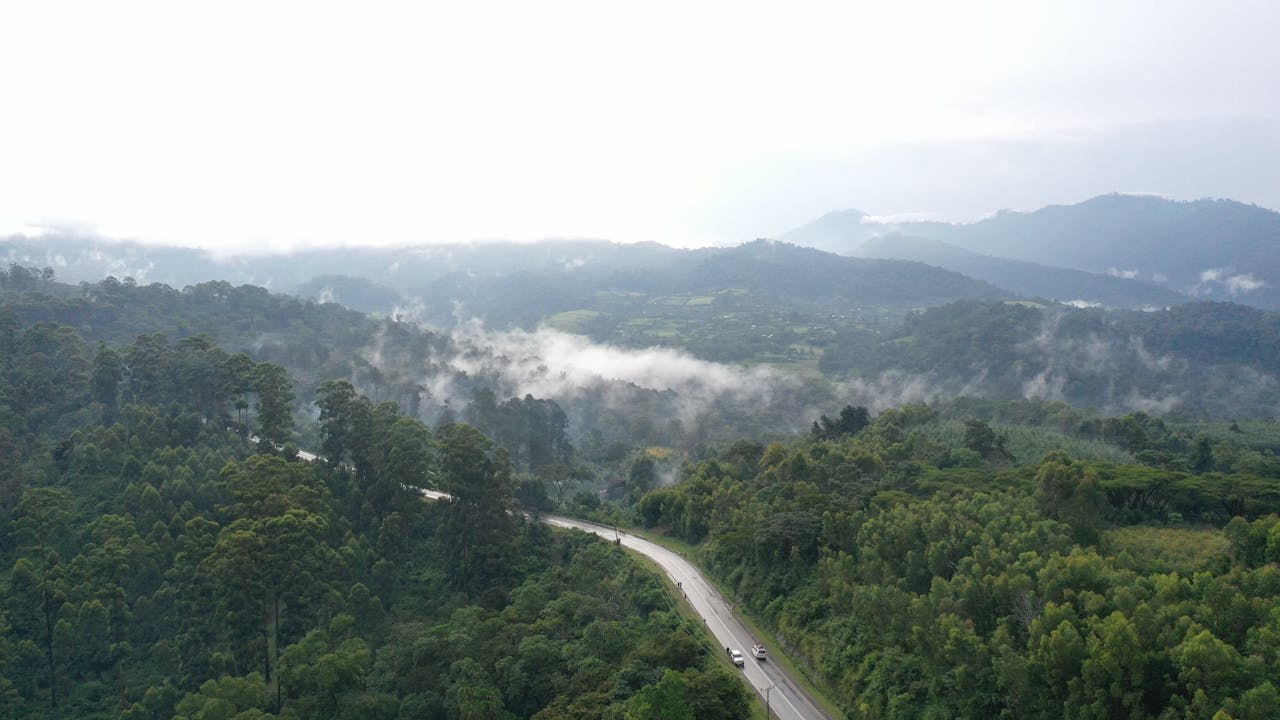
Volcanoes National Park
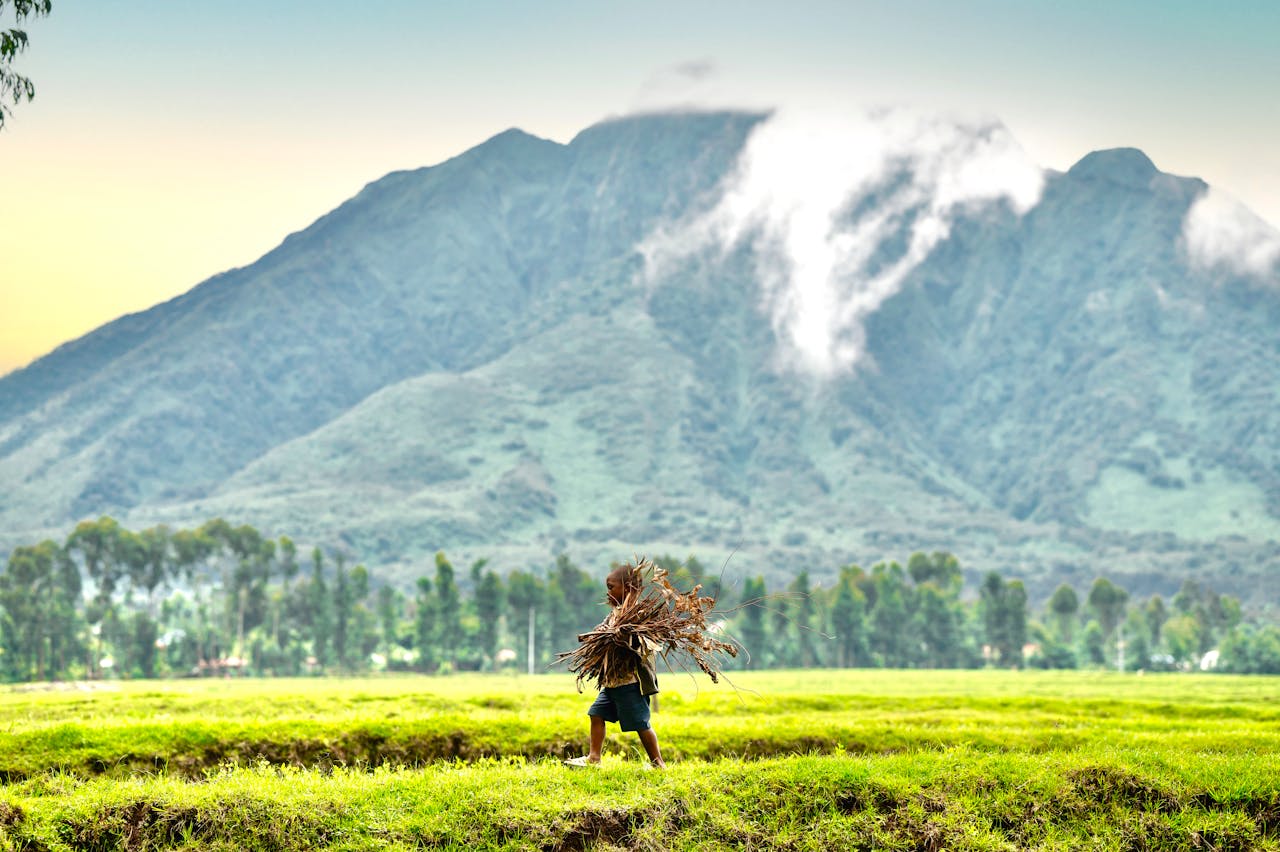
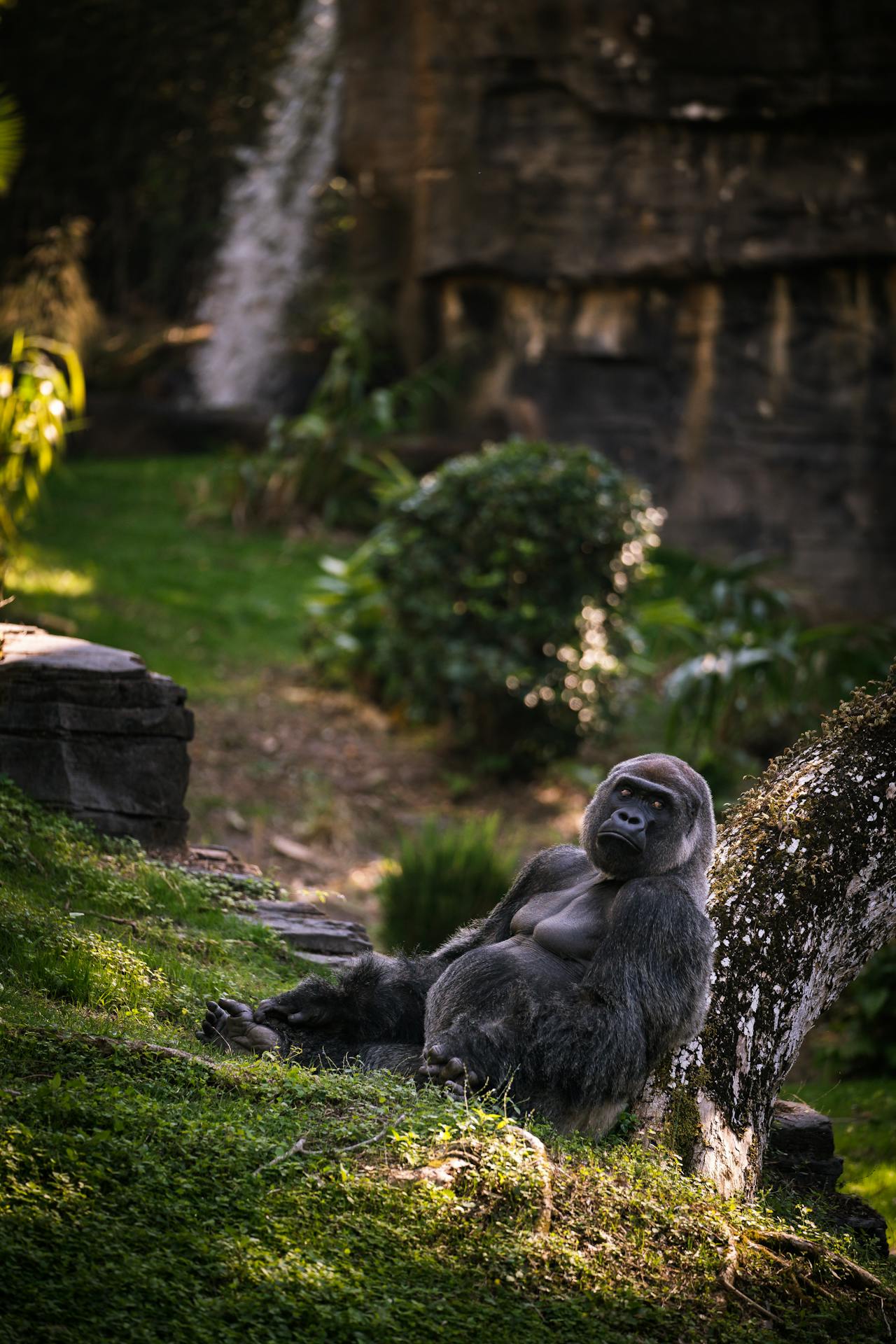
Volcanoes National Park (Parc National des Volcans) protects 160 km² of montane forest and Afroalpine habitat on the slopes of five dormant volcanoes — Karisimbi (4,507 m), Mikeno (4,437 m), Visoke/Bisoke (3,711 m), Sabyinyo (3,634 m), and Gahinga (3,474 m) — forming Rwanda's portion of the Virunga Massif, the most important remaining habitat of the critically endangered mountain gorilla. The park forms a transboundary protected area complex with adjacent national parks in Uganda (Mgahinga) and the Democratic Republic of Congo (Virunga), together covering the entire Virunga mountain chain. Rwanda's Volcanoes National Park is home to approximately 10 habituated gorilla families (of the Virunga population of approximately 600 individuals) and the only fully habituated wild population of the golden monkey (Cercopithecus kandti) — another Albertine Rift endemic. The park is also famous as the research site of Dian Fossey, the American primatologist who established the Karisoke Research Centre here in 1967 and whose advocacy is credited with initiating the international conservation attention that has been essential to the mountain gorilla's survival.
🌍 Geography and Ecosystem
- Karisimbi Summit (4,507 m): The highest peak in the Virunga chain and the second-highest volcano in Africa after Kilimanjaro. The 2-day summit hike from the park headquarters traverses all vegetation zones from bamboo to Afroalpine and requires camping on the mountain overnight. The summit provides views across the entire Virunga chain, Lake Kivu, and (on clear days) as far as the Rwenzori Mountains 120 km to the north. No technical climbing required but genuine physical fitness and cold-weather gear essential.
- Mount Bisoke Crater Lake: A dormant volcano with a pristine crater lake at 3,711 metres — the most scenic single-day hiking destination in the park. The 5-hour return hike from the trailhead rises through bamboo, Hagenia woodland, and giant heather to the crater rim, where the circular lake fills the caldera. Mountain gorilla encounters are common on this route as the Susa and Karisimbi groups range in this area.
- Karisoke Research Centre Site: The clearing in the Hagenia forest at 3,000 metres where Dian Fossey established her research camp in 1967 is now managed by the Dian Fossey Gorilla Fund as a memorial and ongoing research station. Accessible only on foot from the park headquarters (3-4 hour hike), the site includes Fossey's grave and the graves of several gorillas she worked with, including Digit — the young male whose killing by poachers in 1977 galvanised international conservation awareness and led directly to the formation of the international anti-poaching forces in the Virunga.
- Golden Monkey Bamboo Zone: The golden monkey (Cercopithecus kandti) — a blue-black and bright orange primate found only in the Virunga–Bwindi forest ecosystem — inhabits primarily the bamboo zone between 2,500 and 3,000 metres. Two fully habituated groups live in the Volcanoes National Park, and golden monkey tracking offers a 1-hour encounter (permit USD 100) that is an excellent complement to gorilla tracking. The monkeys are fast-moving and arboreal, creating dramatically different photographic challenges from the more sedentary gorillas.
📜 History and Cultural Significance
The history of mountain gorilla conservation is inseparable from the work of Dian Fossey (1932–1985), who established the Karisoke Research Centre in the park's Hagenia forest in 1967 and spent 18 years habituating gorilla families for close scientific observation, documenting their behaviour in unprecedented detail, and fighting poachers and the illegal pet trade that had drastically reduced gorilla numbers in the 1960s–70s. Fossey was murdered in her cabin at Karisoke in December 1985 — the killer was never definitively identified, though the most widely accepted theory implicates poachers or local residents with connections to the illegal trade she had disrupted. Her death accelerated international conservation mobilisation for the mountain gorilla, and her autobiography Gorillas in the Mist (1983) and the subsequent film (1988, starring Sigourney Weaver) made the mountain gorilla the most recognisable conservation cause animal of the late 20th century. The Rwandan Genocide of 1994 brought the national park through the most extreme security crisis any wildlife reserve has faced — park staff continued monitoring gorilla groups through the genocide, and the fact that no gorillas were killed during the conflict is widely attributed to the courage and commitment of the Rwandan rangers who maintained their posts under extraordinary danger.
🏃 Activities and Attractions
- Gorilla Tracking: Rwanda's gorilla tracking programme is run by the Rwanda Development Board and is consistently cited as the best-managed in the region. Groups of maximum 8 visitors are assigned to one of 10 habituated gorilla families based on fitness and preference. The hike ranges from 1 hour (for families near the park boundary) to 5 hours (for the high-ranging Susa and Karisimbi groups). The permit costs USD 1,500 per person (2024) — significantly higher than Uganda's USD 800 but funding a luxury conservation tourism model that positions Rwanda's gorilla experience as a premium product. The 1-hour encounter hour starts from the moment of first contact with the family.
- Golden Monkey Tracking: The 1-hour encounter with a habituated golden monkey group (permit USD 100) is available every morning and is an excellent budget complement to gorilla tracking — or a standalone experience for visitors who cannot afford the gorilla permit. The bamboo zone encounter is fast-paced and acrobatic, requiring quick reflexes with the camera as the monkeys move through the canopy at speed. The family groups are fully habituated and remarkably close.
- Mount Bisoke Day Hike: The 5-hour return hike to the Bisoke crater lake (3,711 m) is the most popular volcano day-hike — panoramic views of the Virunga chain, a pristine crater lake, and possible gorilla encounters on the approach. The hike requires a guide and scout accompaniment (mandatory park regulation). A gorilla tracking permit holder can combine the gorilla morning session with an afternoon Bisoke hike on the same day if both are booked with RDB.
- Karisoke Hike and Dian Fossey Memorial: The 3-4 hour hike through the Hagenia forest to the Karisoke Research Centre site visits Fossey's grave and the memorial graves of Digit and other gorillas killed during the poaching era. The hike passes through the finest Hagenia woodland in the park, with forest buffalo sometimes encountered on the trail. An emotionally resonant experience for anyone familiar with Fossey's story; a USD 200 permit is required for this specific trail.
- Iby'iwacu Cultural Village: A living cultural village 2 km from the park entrance, managed by former poachers who have transitioned to cultural tourism as their primary livelihood. Demonstrations of traditional Rwandan dance, blacksmithing, basket weaving, traditional healing, and the royal drum ceremony are performed by community members. Proceeds go directly to the participating families. The village is part of the park's community buffer zone strategy and is an excellent example of conservation-compatible livelihood development.
💡 Travel Tips
Permit Booking: Gorilla tracking permits are booked through the Rwanda Development Board (rwandatourism.com) or through licensed tour operators. January–September permits should be booked 6+ months in advance; October–December permits are sometimes available at shorter notice. Family assignment is by RDB based on group composition, fitness declaration, and availability — you cannot normally request a specific gorilla family. Golden monkey permits are available on the day at the park entrance.
Rwanda Safari Circuit: Rwanda's compact size (26,338 km²) makes a multi-park circuit easily achievable: Kigali (Genocide Memorial, city) → Akagera National Park (2 nights, Big Five) → Nyungwe National Park (2 nights, chimpanzee tracking, canopy walk) → Volcanoes National Park (2 nights, gorilla and golden monkey tracking) → Kigali departure.
Altitude and Clothing: The park headquarters at Kinigi is at 1,900 metres; gorilla tracking typically reaches 2,500–3,500 metres. Warm layers and a waterproof jacket are essential. Temperatures range from 5–25°C depending on altitude and time of day. Rain can occur in any month; the short dry season (June–September) offers the most reliable weather.
🌱 Conservation
The primary ongoing threat to the Virunga gorillas is political instability in eastern DRC — the western Virunga National Park in DRC has been subject to armed group incursions, ranger killings, and displacement of conservation staff that have complicated the transboundary management of the gorilla population. The DRC side holds the majority of the Virunga gorilla population, and the security situation there remains precarious. Disease is a perennial risk: the 2020 COVID-19 pandemic prompted the temporary closure of all gorilla tracking worldwide, and the gorillas' susceptibility to human respiratory viruses means that any future pandemic with a respiratory transmission route could pose a catastrophic risk to the population. The Dian Fossey Gorilla Fund maintains a veterinary capacity for emergency intervention and a biobank of gorilla biological samples for genetic and health monitoring.