Siargao Island
Siargao is a 437 km² tear-drop shaped island in Surigao del Norte province in the northeastern Philippines, facing the open Pacific Ocean on its eastern coast and the sheltered Mindanao Sea on its west. The island is internationally known as the surf capital of the Philippines — a reputation anchored by Cloud 9, a hollow, powerful, right-hand reef break that barrels over a shallow coral reef at the northeastern tip of the island and is consistently rated among Asia's top five surf waves. The Siargao Cup international surf competition has been held here since 1999. Beyond surfing, Siargao's interior is a landscape of coconut forest, mangrove channels, and limestone rock pools — the Magpupungko tidal pools on the east coast, navigable only at low tide, are one of the Philippines' most spectacular natural features. The island group includes a cluster of uninhabited sandbars — Naked Island, Daku Island, and Guyam Island — accessible by traditional bangka outrigger boat for snorkelling and picnic tours. The island's culture combines the surfing diaspora that has arrived since the 1990s with the traditional fishing communities of Surigao Norte in a distinctly Filipino synthesis.
🌍 Geography and Ecosystem
- Cloud 9: The island's defining wave — a right-hand hollow reef break that produces barrels of 1–3 metres consistently from September to November and less reliably year-round. The wave breaks on a shallow reef at the base of the iconic Cloud 9 surf tower — a two-storey wooden platform with competition infrastructure built directly over the water. Intermediate to advanced surfers can surf Cloud 9 directly; beginners use the gentler beach breaks at the adjacent Tuason Point. The wave is most powerful and consistent during typhoon-generated swell windows in October.
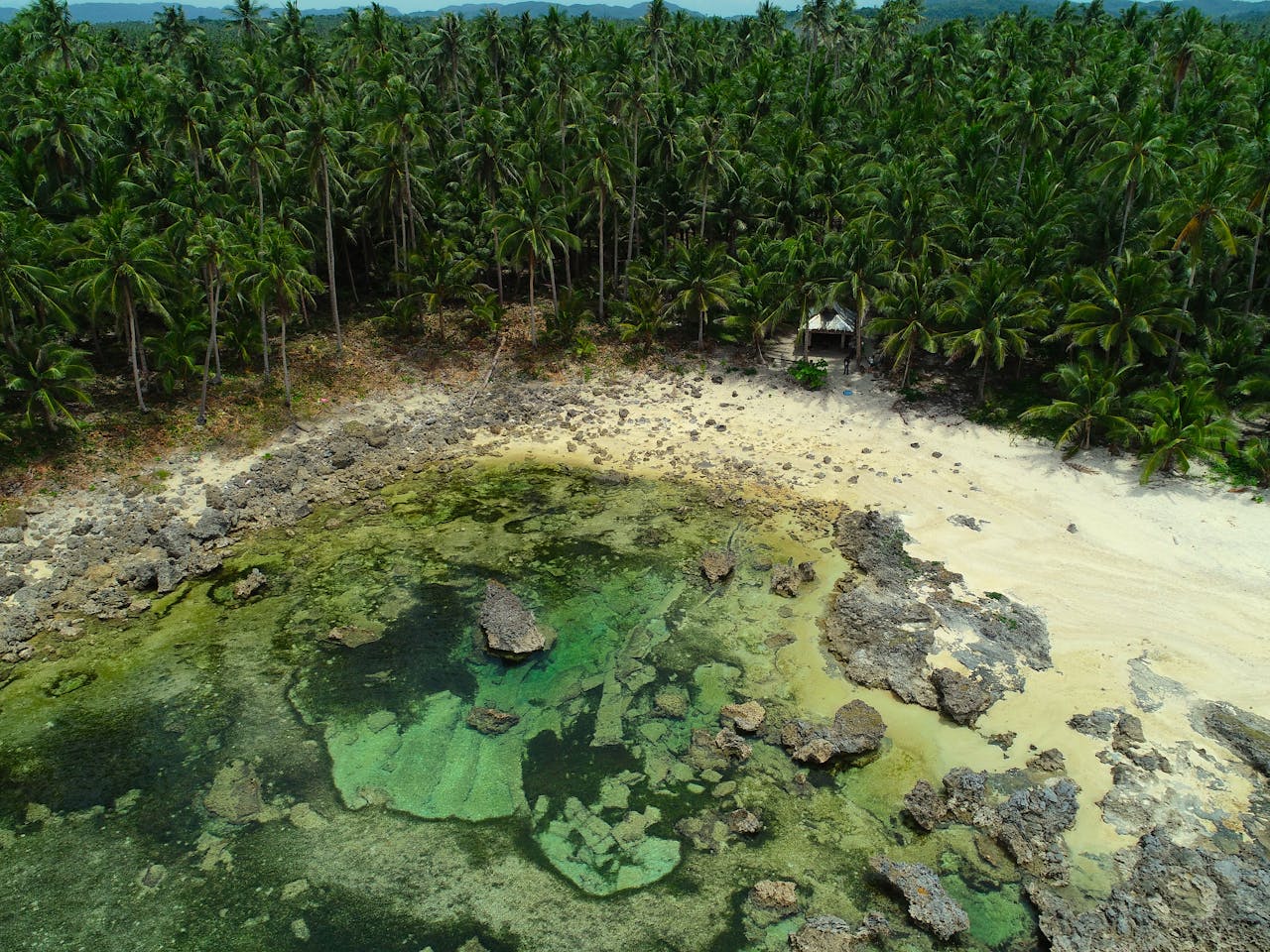
- Magpupungko Rock Pools: A series of large natural rock pools on the northeastern coast, accessible at low tide when the sea retreats to reveal pools of extraordinary clarity in the eroded limestone platform. The largest pools are 3–5 metres deep and 20–30 metres across, ringed by limestone shelves ideal for diving. The pools are accessible only 2–3 hours around low tide each day — timing is critical and should be checked the morning of the visit. A short hike through coconut forest from the road reaches the pools.
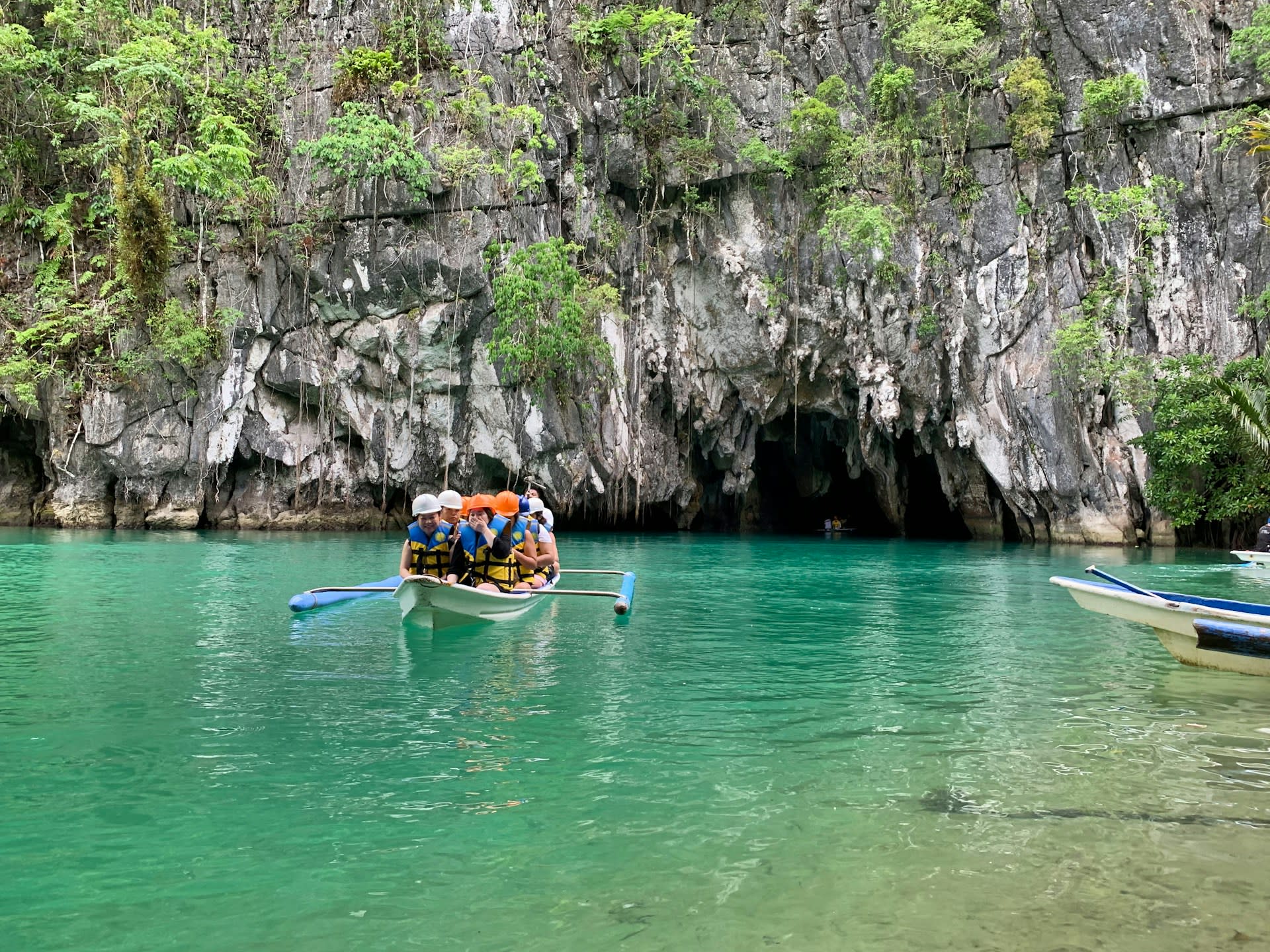
- Sugba Lagoon: A large enclosed lagoon in the island's northwest, reached by a 45-minute bangka ride from the main wharf, with calm turquoise water of extraordinary clarity bordered by mangrove forest. The lagoon has no wave action and is excellent for paddleboarding, swimming, and snorkelling above the sea grass beds. A floating raft in the centre of the lagoon provides a jumping and diving platform. The lagoon is managed as a community-based ecotourism site by the adjacent village.
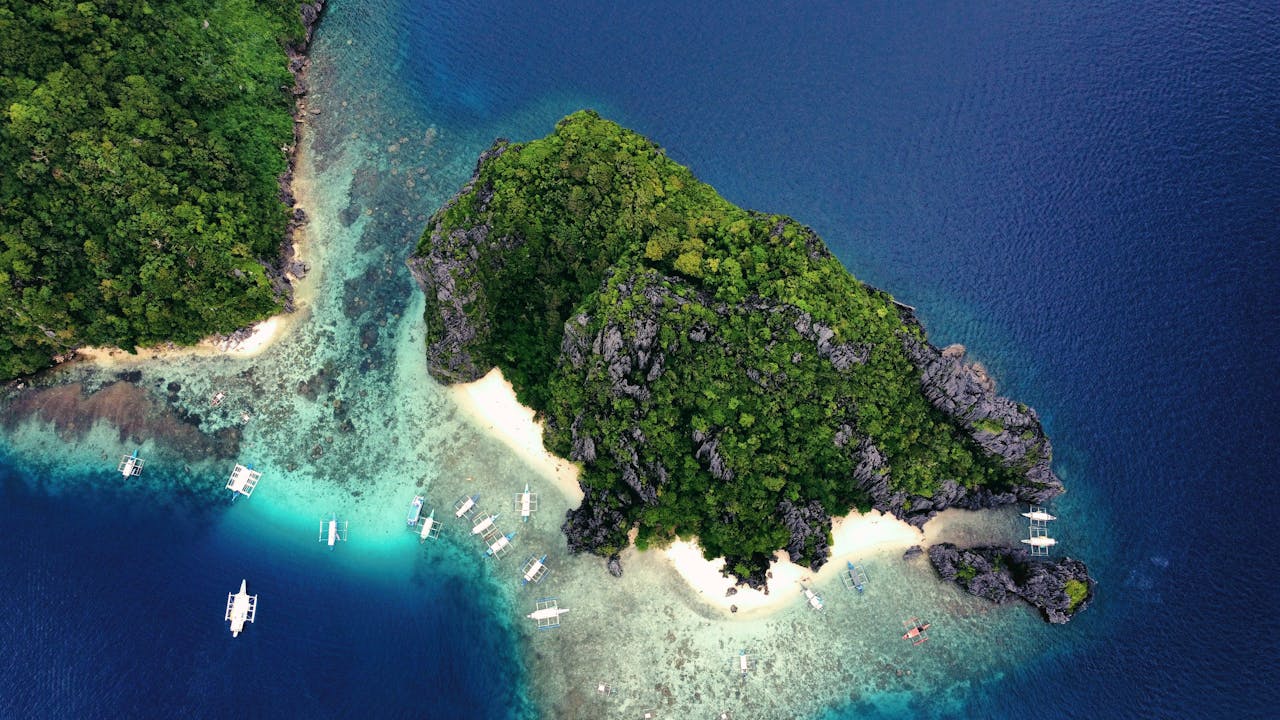
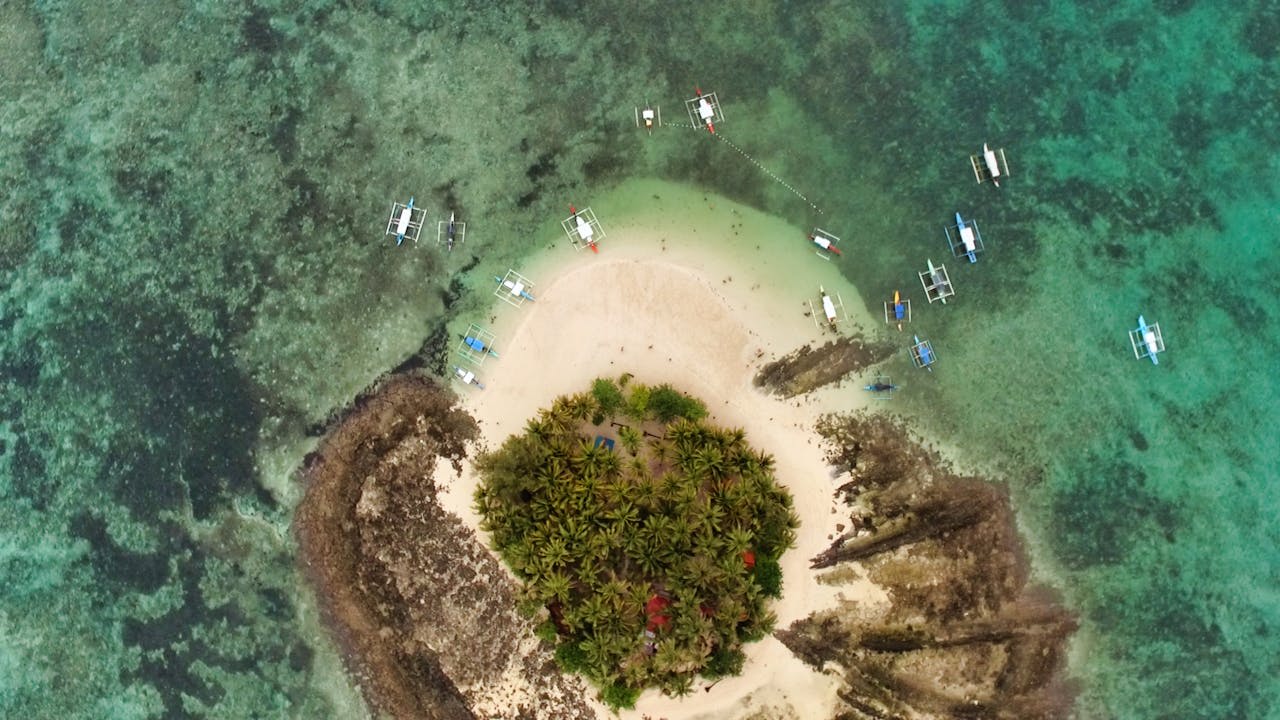
- Three Island Tour (Naked, Daku, Guyam): A standard full-day bangka tour visiting three uninhabited islands — Naked Island (a bare sandbar with snorkelling reef), Daku Island (coconut palms and a fishing village with fresh seafood lunch), and Guyam Island (the most photogenic — a tiny palm-fringed sandbar of Instagram fame). The combination provides the archetypal Philippines island experience in a single day.
📜 History and Cultural Significance
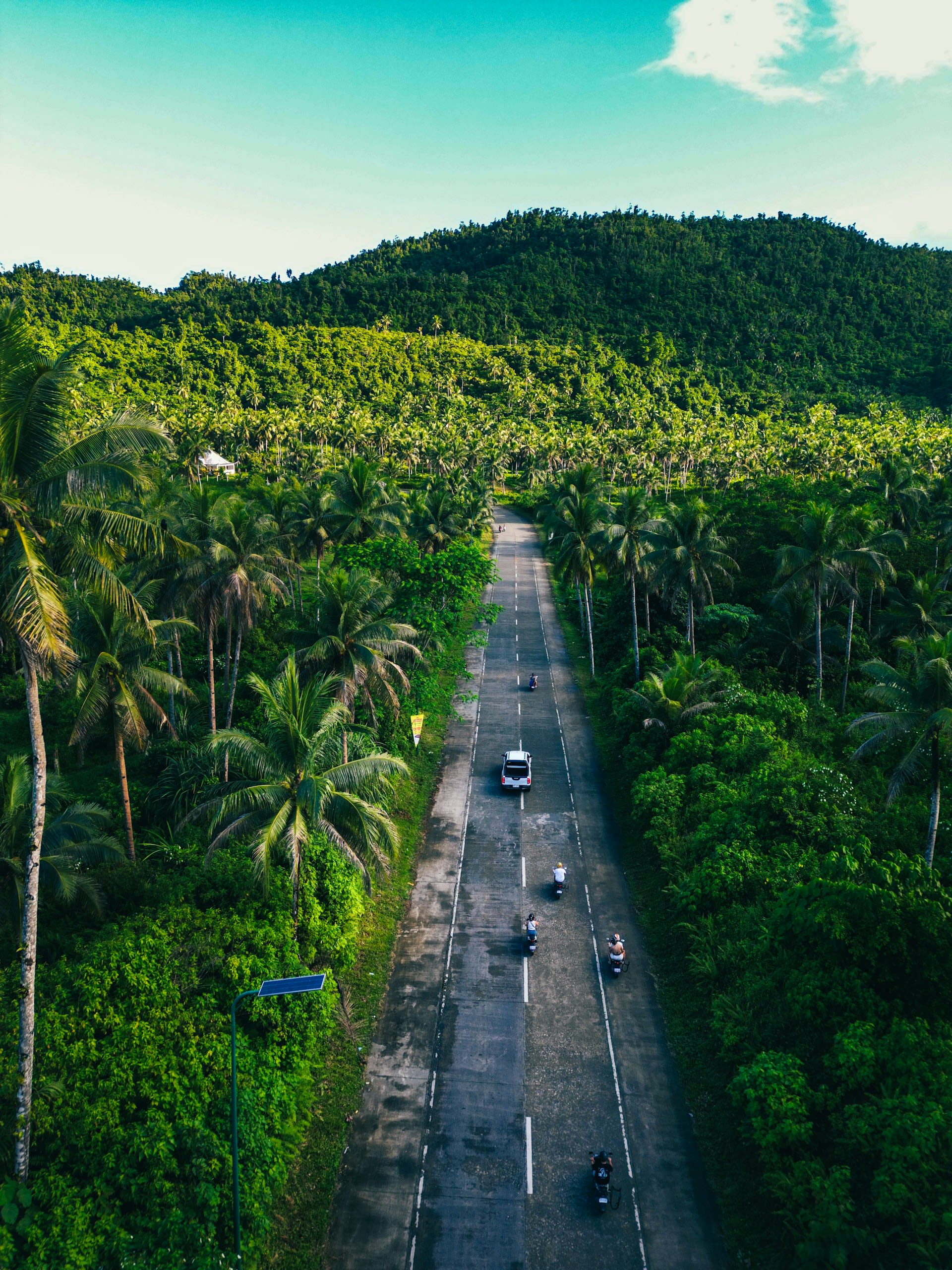
Typhoon Odette (international name: Rai) struck Siargao with Category 5 force in December 2021, causing catastrophic damage to the island — coconut palms flattened across large areas, buildings destroyed, and the Cloud 9 surf tower demolished. The recovery has been remarkable for the tourism infrastructure but slower for the agricultural base — coconut farming, the traditional economic foundation, requires 5–7 years for replanted palms to recover productive yields. The typhoon exposed the vulnerability of an island economy built on coral reef, coconut agriculture, and tourism infrastructure in one of the world's most active typhoon corridors.
🏃 Activities and Attractions
- Surfing Cloud 9: For intermediate to advanced surfers, surfing Cloud 9 is the island's defining experience — paddling out over the reef to the lineup, reading the Pacific swell, and attempting to navigate the hollow barrel that breaks with extraordinary force over shallow coral. Surf schools in General Luna offer beginner instruction at gentler breaks nearby. Board hire is available from multiple shops along the road to Cloud 9. The best surf season is August–November during typhoon swell windows.
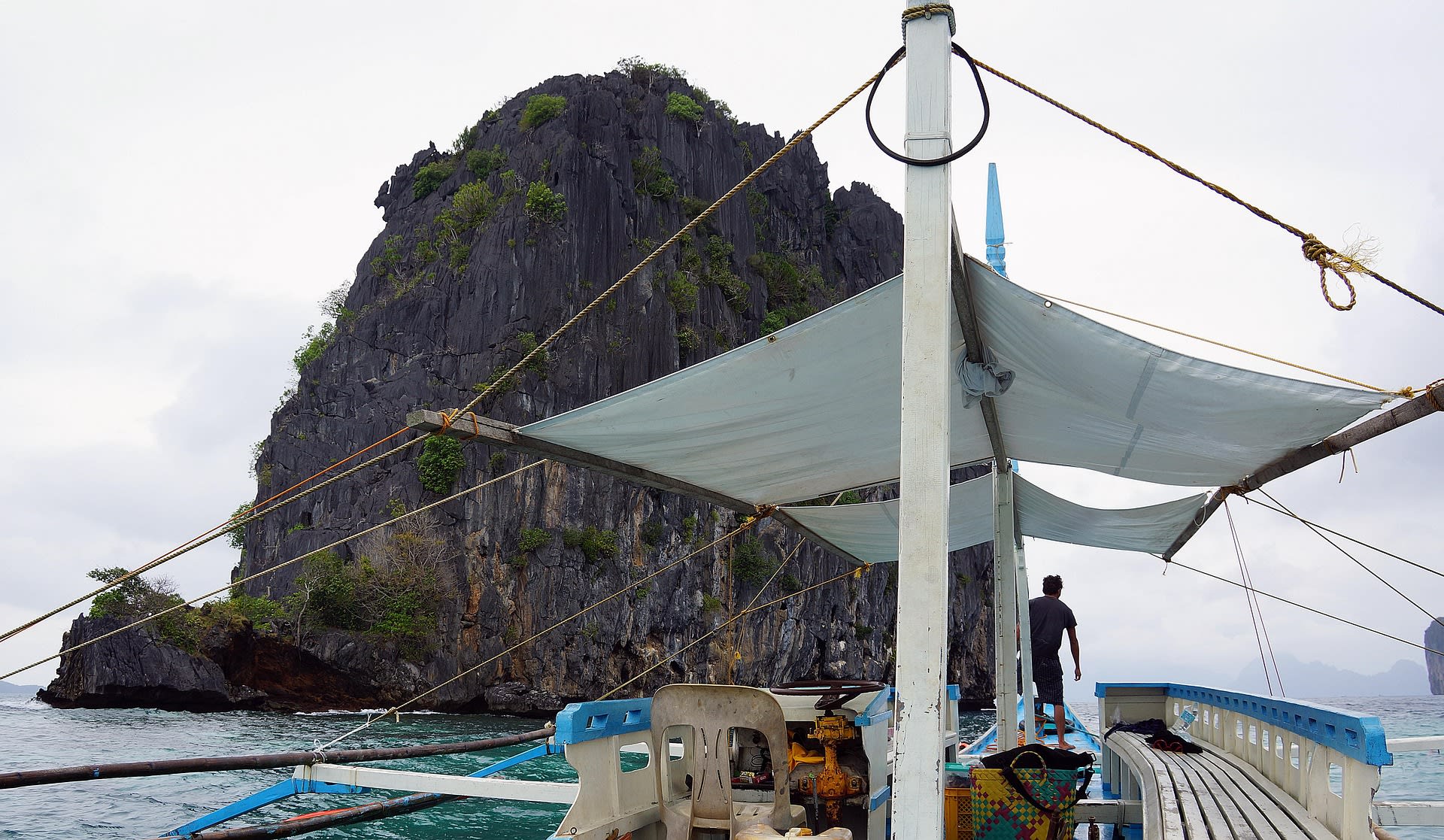
- Island Hopping Tour: The classic Siargao day tour visits Naked Island, Daku Island, and Guyam Island by bangka, with snorkelling stops, a fish lunch on Daku, and the photogenic miniature island of Guyam as a late afternoon stop. The combination — open ocean crossing, reef snorkelling, fresh seafood, and the quintessential palm-fringed sandbar — delivers the Philippines island experience in concentrated form. Tours depart from the main General Luna wharf at 09:00.
- Magpupungko Tidal Pools at Low Tide: A priority low-tide activity — the limestone pools are accessible only around the lowest 2–3 hours of the tidal cycle, typically once or twice daily. The pools vary in temperature (some shaded, some sun-warmed), depth, and character. Jumping from the rock shelves into the deep pools is the primary activity; more adventurous visitors explore the sea cave connections between pools. The approach hike through coconut forest is part of the experience.
- Sugba Lagoon Paddleboarding: The 45-minute bangka crossing to Sugba Lagoon is itself scenic — passing fishing villages on stilts and mangrove channels. In the lagoon, paddleboarding on the flat, clear water above sea grass and reef is one of the island's calmest and most photogenic activities. The floating platform in the lagoon centre provides a social focal point; the surrounding mangroves can be explored by paddleboard or kayak on guided tours.
- Mangrove Tour by Kayak: The mangrove systems on Siargao's western coast — accessible from the town of Del Carmen — are among the Philippines' largest mangrove forests. Kayak tours through the channels under the mangrove canopy, guided by local fishermen who explain the ecology and the traditional fishing methods, provide a quieter and more biologically interesting counterpoint to the beach and wave activities that dominate most Siargao itineraries.
💡 Travel Tips
Best Season: March–May (dry season, calm Pacific) for the clearest water and calmest conditions for island hopping and snorkelling. August–November for the best surf — typhoon-generated swell arrives consistently but actual typhoon threat requires monitoring. December–February is the wettest period; some activity operators close during peak rain weeks. Siargao is in the typhoon belt — check weather forecasts carefully between August and December.
Accommodation: General Luna is the primary accommodation hub with the widest range of hostels, guesthouses, and surf camps. The Cloud 9 area (3 km from General Luna) has surf-focused accommodation within walking distance of the break. Mid-range and boutique resorts have expanded rapidly since 2015. Book well ahead July–November (surf season). Post-Typhoon Odette (2021) reconstruction was substantially complete by late 2023.
🌱 Conservation
Typhoon Odette's impact on the reef — storm surge and wave action across the shallow reef platform — added to the cumulative stress. The Del Carmen mangrove system covering approximately 5,000 hectares is one of the Philippines' most intact mangrove forests and is managed by the local municipality as an ecotourism and fishery conservation zone — community fishing is regulated within the mangrove to sustain the fish nursery function. The mangrove tour income provides an economic incentive for community conservation of the forest that has been largely effective at preventing the illegal charcoal production that has destroyed mangroves elsewhere in the Philippines.