


Tari Valley
Nestled in the rugged highlands of Papua New Guinea, the Tari Valley is a destination where culture, tradition, and nature meet in harmony. Known as the homeland of the Huli Wigmen, this valley captivates visitors with its dramatic landscapes, dense forests, and one of the world’s richest birdlife regions. Beyond its natural wonders, Tari Valley is a living cultural museum, offering travelers a rare chance to witness ancient customs still thriving today.
🌍 Geography and Ecosystem
The Tari Valley lies in the heart of Papua New Guinea’s Southern Highlands, surrounded by misty mountains and fertile land. Its unique geography has fostered an incredible variety of flora and fauna.
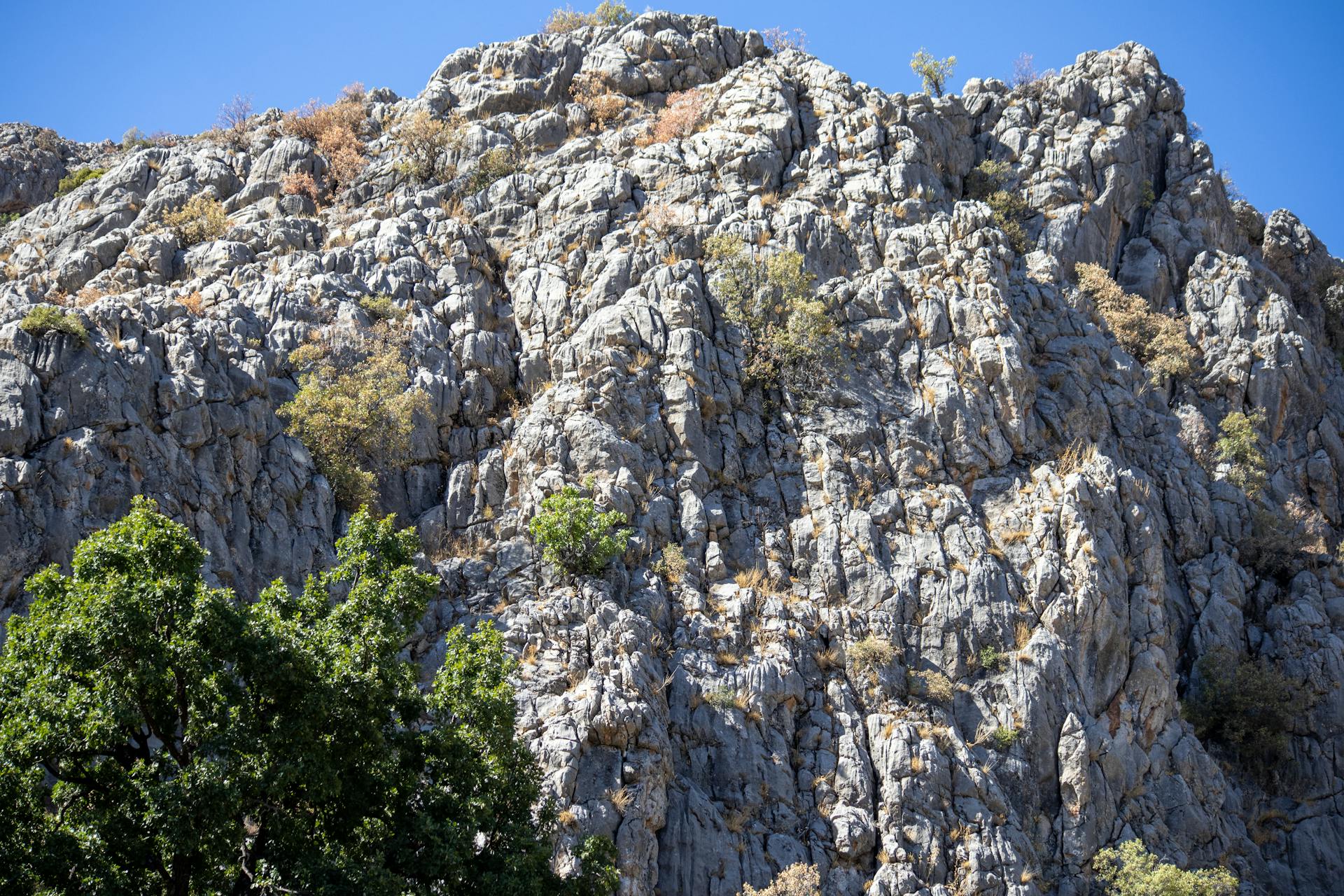
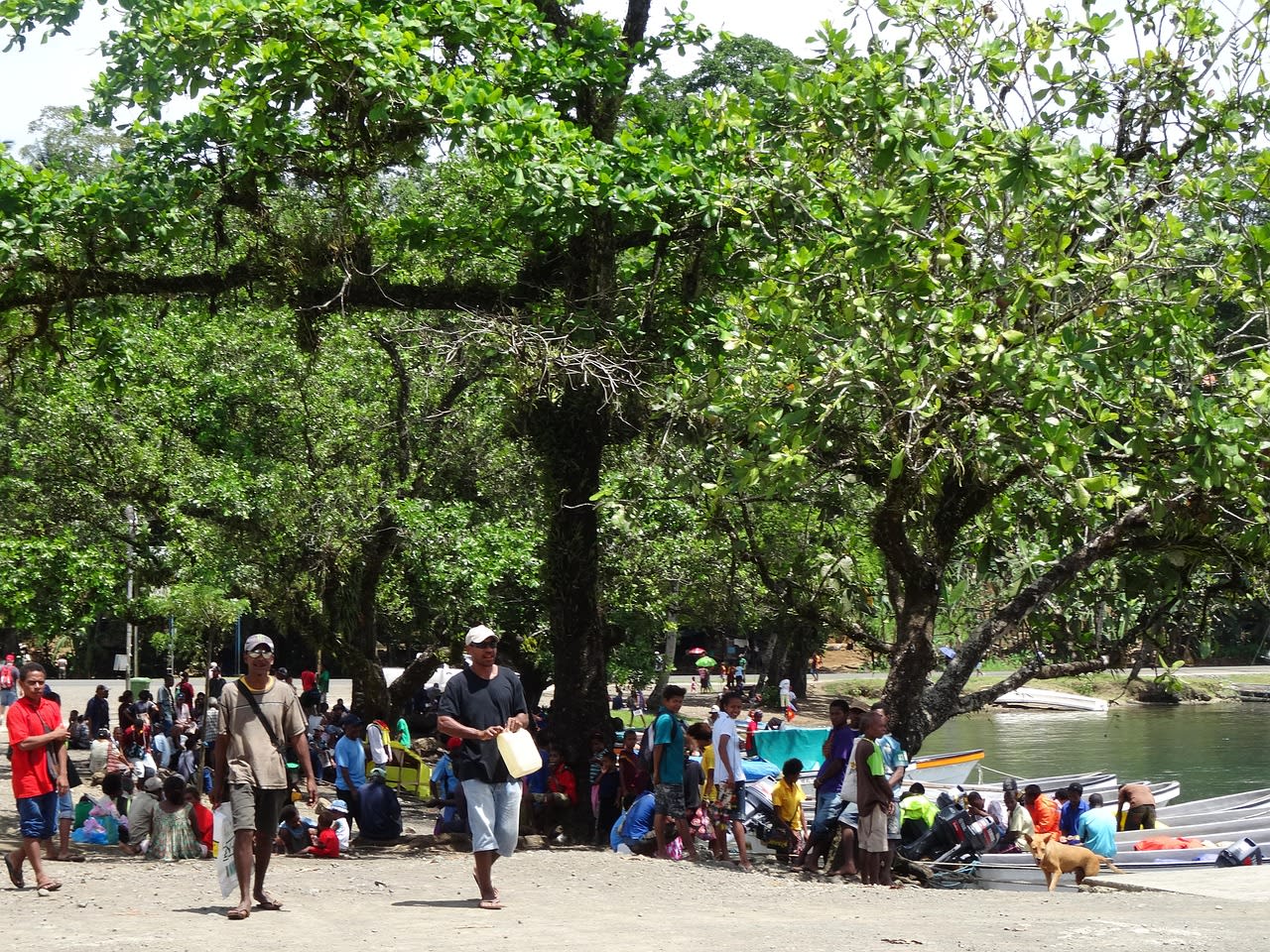
- Highland Landscapes: Rolling hills, terraced gardens, and lush forests create a striking contrast with the mist-shrouded peaks. The valley floor is a patchwork of subsistence farms and traditional villages.
- Birds of Paradise: Tari Valley is one of the best places on Earth to see the famous Birds of Paradise. Their vibrant plumage and elaborate courtship displays are a highlight for wildlife enthusiasts.
- Forests and Rivers: Dense montane forests and winding rivers provide habitat for countless species, from orchids and tree ferns to rare mammals and amphibians.
- Biodiversity Hotspot: The valley’s isolation has helped preserve its ecosystems, making it a prime destination for researchers and eco-tourists alike.
📜 History and Cultural Significance
The Tari Valley is most famous as the homeland of the Huli people, one of Papua New Guinea’s most iconic tribes. They are renowned for their elaborate Huli wigs, crafted from their own hair and decorated with feathers, flowers, and paint. These wigs are not just ornaments but carry deep cultural and spiritual meaning.
Traditional Life: For centuries, the Huli have maintained a subsistence lifestyle, cultivating sweet potatoes, raising pigs, and practicing customs passed down through generations.
Spiritual Connection: Land and ancestors hold a sacred place in Huli belief systems. Rituals, dances, and songs connect the community with the natural and spiritual worlds.
Modern Encounters: Despite exposure to modernity, the Huli have preserved much of their identity, offering a fascinating glimpse into one of the world’s most resilient cultures.
Traditional Life: For centuries, the Huli have maintained a subsistence lifestyle, cultivating sweet potatoes, raising pigs, and practicing customs passed down through generations.
Spiritual Connection: Land and ancestors hold a sacred place in Huli belief systems. Rituals, dances, and songs connect the community with the natural and spiritual worlds.
Modern Encounters: Despite exposure to modernity, the Huli have preserved much of their identity, offering a fascinating glimpse into one of the world’s most resilient cultures.
🏃 Activities and Attractions
Tari Valley offers travelers an extraordinary blend of cultural immersion and natural exploration.
- Cultural Encounters: Visit Huli villages to witness traditional wig-making, face painting, and dances. Engaging with the community provides insight into their rich traditions.
- Birdwatching: Guided tours through the highland forests allow visitors to spot multiple species of Birds of Paradise, as well as parrots, cockatoos, and other endemic birds.
- Highland Treks: Explore the valley’s trails, ranging from gentle walks through gardens and forests to more challenging hikes into the surrounding mountains.
- Photography: Between vibrant tribal attire, misty landscapes, and exotic wildlife, Tari Valley is a dream destination for photographers.
💡 Travel Tips
How to Get There: Tari is accessible by small aircraft from Port Moresby, with flights landing at Tari Airport. From there, local transport connects to villages and lodges.
Best Time to Visit: The dry season, from June to September, is ideal for cultural festivals and birdwatching. However, the valley can be visited year-round, with cooler highland weather providing a refreshing climate.
What to Bring: Warm clothing for cool nights, rain gear, sturdy hiking shoes, binoculars, and a camera. A respectful attitude is essential when visiting villages.
Accommodation and Services: Several eco-lodges and guesthouses cater to visitors, often offering guided tours and cultural experiences. It’s best to book in advance, as availability can be limited.
Best Time to Visit: The dry season, from June to September, is ideal for cultural festivals and birdwatching. However, the valley can be visited year-round, with cooler highland weather providing a refreshing climate.
What to Bring: Warm clothing for cool nights, rain gear, sturdy hiking shoes, binoculars, and a camera. A respectful attitude is essential when visiting villages.
Accommodation and Services: Several eco-lodges and guesthouses cater to visitors, often offering guided tours and cultural experiences. It’s best to book in advance, as availability can be limited.
🌱 Conservation
Tari Valley is a place of delicate balance where conservation is crucial. The preservation of forests and wildlife ensures the survival of rare species like the Birds of Paradise. Community-based initiatives are increasingly important, blending traditional knowledge with modern conservation practices.
Ecotourism: Responsible tourism provides income for local communities while protecting cultural heritage and ecosystems.
Wildlife Protection: Efforts are ongoing to prevent habitat loss from deforestation and to safeguard endemic species.
Ecotourism: Responsible tourism provides income for local communities while protecting cultural heritage and ecosystems.
Wildlife Protection: Efforts are ongoing to prevent habitat loss from deforestation and to safeguard endemic species.
✨ Conclusion
The Tari Valley is more than a destination; it is an encounter with living culture and untamed nature. From the striking traditions of the Huli Wigmen to the unforgettable sight of Birds of Paradise dancing in the treetops, this valley offers experiences found nowhere else in the world. Visiting Tari is not just a journey—it is an immersion into a way of life that remains deeply connected to the land and its spirit.