

Los Quetzales Trail
Los Quetzales Trail is a mesmerizing nature trail that invites visitors to explore the magical cloud forests of the Central American highlands. Stretching between Panama and Costa Rica, this trail is a haven for nature lovers, offering opportunities to witness vibrant wildlife and stunning landscapes. The journey introduces hikers to a realm of misty trees, exotic birds, and ancient forests, where the sights and sounds of nature create a serene and awe-inspiring atmosphere. Whether you're an experienced trekker or a casual explorer, the trail offers both challenge and beauty in equal measure.
🌍 Geography and Ecosystem
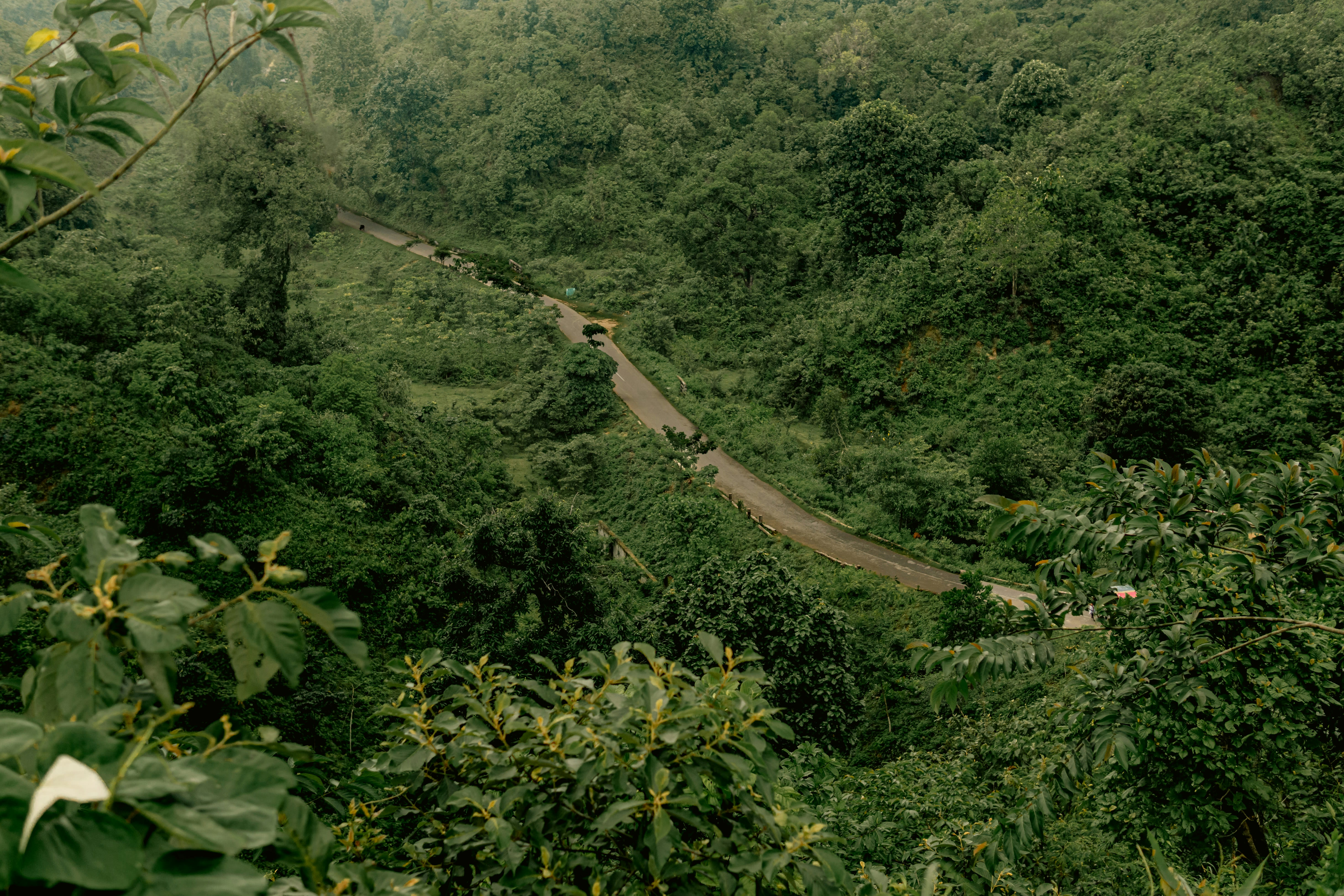
Located in the Talamanca mountain range in Costa Rica, the Los Quetzales Trail offers a breathtaking journey through lush cloud forests and high-altitude landscapes. This iconic trail is named after the elusive and vibrant quetzal bird, adding a sense of mystique and wonder to the hiking experience. The trail passes through several life zones and altitudes, ranging from lower montane rainforests to elfin woodlands near the summit. Rivers and waterfalls punctuate the terrain, making for a diverse and visually stunning hike. The climate is cool and misty, especially in the early morning, with frequent fog and drizzle that contribute to the region's incredible biodiversity.
- - High-altitude cloud forest rich in endemic species
- - Located within Talamanca range, part of the Central American biodiversity hotspot
- - Home to rivers, waterfalls, and volcanic soil that nourish rare flora
- - Varying microclimates create unique habitats within short distances
📜 History and Cultural Significance
The Los Quetzales Trail has been used for centuries by indigenous peoples such as the Ngäbe-Buglé, who navigated these cloud forests for trade, spiritual journeys, and resource gathering. The trail's name pays homage to the sacred quetzal bird, revered by Mesoamerican cultures as a symbol of freedom and the divine. During colonial times, parts of the route were incorporated into trade pathways. In the modern era, conservationists and biologists have studied the area extensively, helping to establish protected zones like the Los Quetzales National Park. The trail today stands not only as a natural wonder but also as a bridge to the cultural heritage and ecological legacy of Central America.
- - Used historically by Ngäbe-Buglé people for travel and spiritual rituals
- - Named after the quetzal, a sacred bird in Mayan and Aztec traditions
- - Later adapted for trade during Spanish colonial expansion
- - Site of important conservation efforts in the 20th century
🏃 Activities and Attractions
Visitors to the Los Quetzales Trail can engage in a variety of outdoor and educational activities. The trail is particularly popular among birdwatchers and photographers seeking glimpses of rare species. Guided hikes are available and offer interpretive insights into the local ecosystem. Visitors can also enjoy riverside picnics, waterfall swimming, and camping in designated areas. The area supports sustainable tourism, with eco-lodges and community-run services enhancing the visitor experience while supporting local livelihoods.
- - Birdwatching for species like the quetzal, bellbird, and tanager
- - Hiking through scenic landscapes with varied difficulty levels
- - Photography of wildlife, flora, and dramatic cloud forest vistas
- - Educational eco-tours and interpretive nature walks
- - Camping and rustic lodge stays in natural settings
💡 Travel Tips
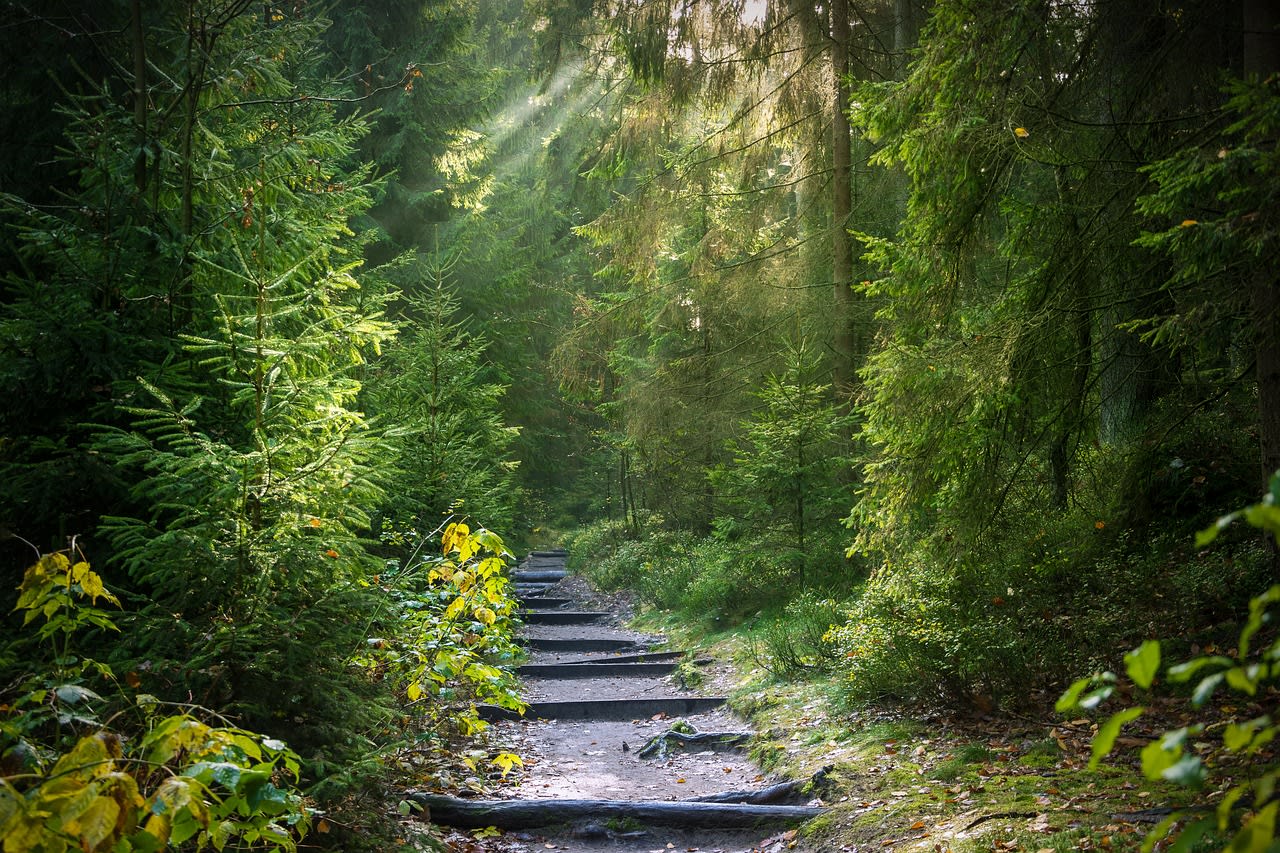
The Los Quetzales Trail winds its way through the cloud forests of the Savegre Valley, offering hikers a glimpse into one of the most biodiverse regions in Costa Rica. Here are some key points about the geographic and natural features of the trail:
- The trail spans approximately 26 kilometers from the town of Boquete to the Los Quetzales Lodge.
- Hikers traverse varied terrain, ranging from dense primary cloud forests to open mountain meadows.
- The trail is situated within the Los Quetzales National Park, providing protection to numerous plant and animal species.
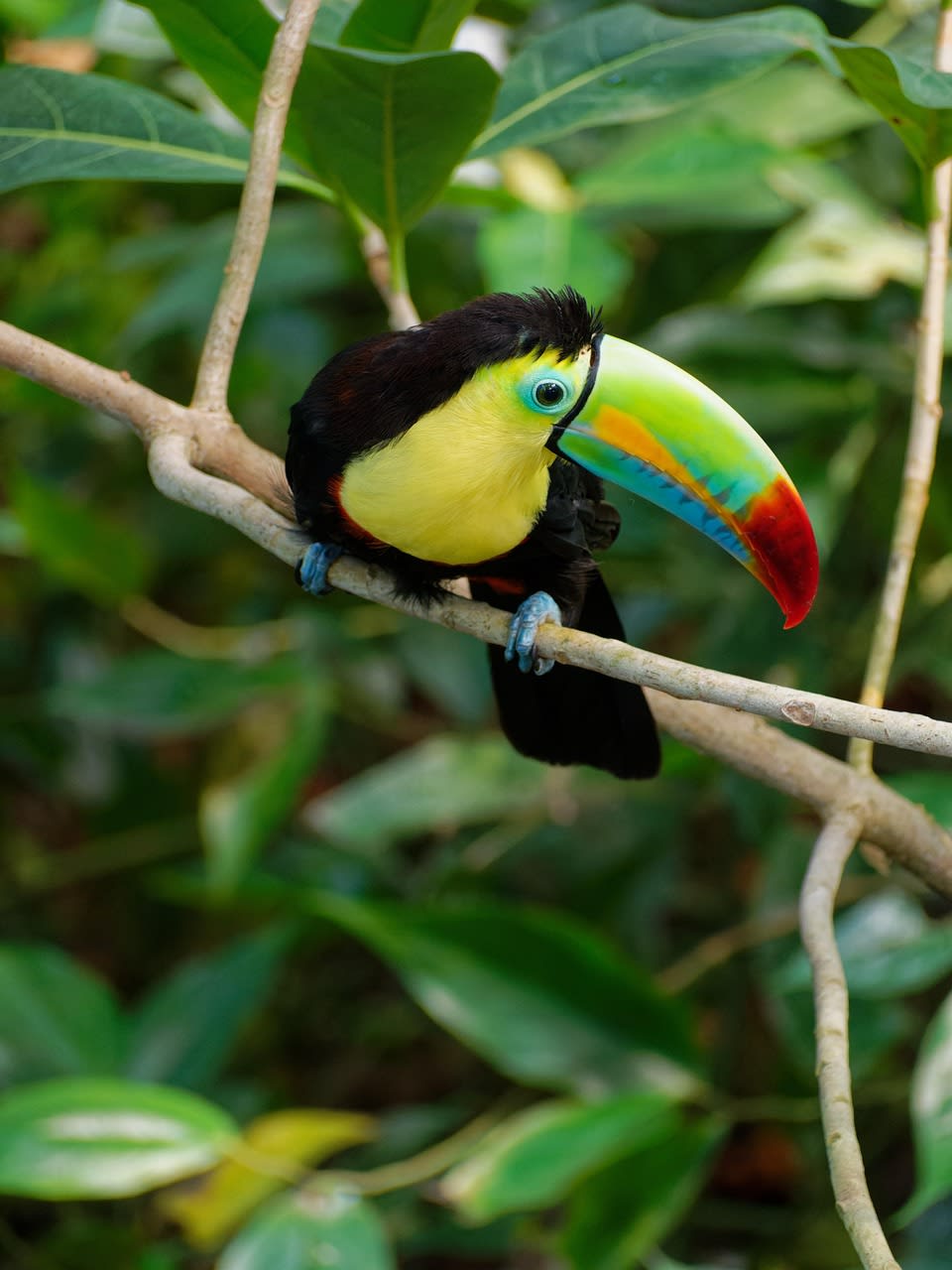
- The area is known for its rich birdlife, including the resplendent quetzal, hummingbirds, and a variety of colorful toucans.
- Hikers may encounter unique flora such as bromeliads, orchids, and towering ancient trees along the trail.
- Wear moisture-wicking clothing and waterproof boots, as trails can be muddy.
- Start hikes early to maximize daylight and wildlife encounters.
- Carry water, snacks, and a fully charged phone or GPS.
- Local guides can enhance your understanding of the ecology and improve safety.
- The trail spans approximately 26 kilometers from the town of Boquete to the Los Quetzales Lodge.
- Hikers traverse varied terrain, ranging from dense primary cloud forests to open mountain meadows.
- The trail is situated within the Los Quetzales National Park, providing protection to numerous plant and animal species.
- The area is known for its rich birdlife, including the resplendent quetzal, hummingbirds, and a variety of colorful toucans.
- Hikers may encounter unique flora such as bromeliads, orchids, and towering ancient trees along the trail.
- Wear moisture-wicking clothing and waterproof boots, as trails can be muddy.
- Start hikes early to maximize daylight and wildlife encounters.
- Carry water, snacks, and a fully charged phone or GPS.
- Local guides can enhance your understanding of the ecology and improve safety.
🌱 Conservation
Conservation efforts in the Los Quetzales Trail region are focused on protecting fragile cloud forest ecosystems and the unique species that inhabit them. The trail runs through Los Quetzales National Park, a protected area that is part of Costa Rica’s broader conservation framework. Ongoing efforts include habitat restoration, anti-poaching patrols, and community education programs. Sustainable tourism initiatives have been introduced to minimize the human footprint, and scientific research continues to monitor the health of key species like the quetzal. Local communities are involved in eco-friendly enterprises, reinforcing the link between conservation and livelihoods.
- - Located within a national park under strict environmental protections
- - Scientific monitoring of biodiversity and climate impacts
- - Anti-poaching and forest patrols managed by rangers and volunteers
- - Sustainable tourism programs help fund conservation
- - Local engagement in eco-friendly businesses and education
✨ Conclusion
The **Los Quetzales Trail** is more than a hike—it's a journey into the heart of a living ecosystem that has inspired myth, study, and conservation. From its deep-rooted indigenous legacy to its role in modern eco-tourism, the trail exemplifies the harmony between culture and nature. Visitors leave not only with photos and memories, but with a deeper appreciation for the fragility and beauty of our planet. As conservation continues to shape its future, the trail stands as a symbol of what can be preserved when humans walk in respect alongside the natural world.