
Ometepe Island
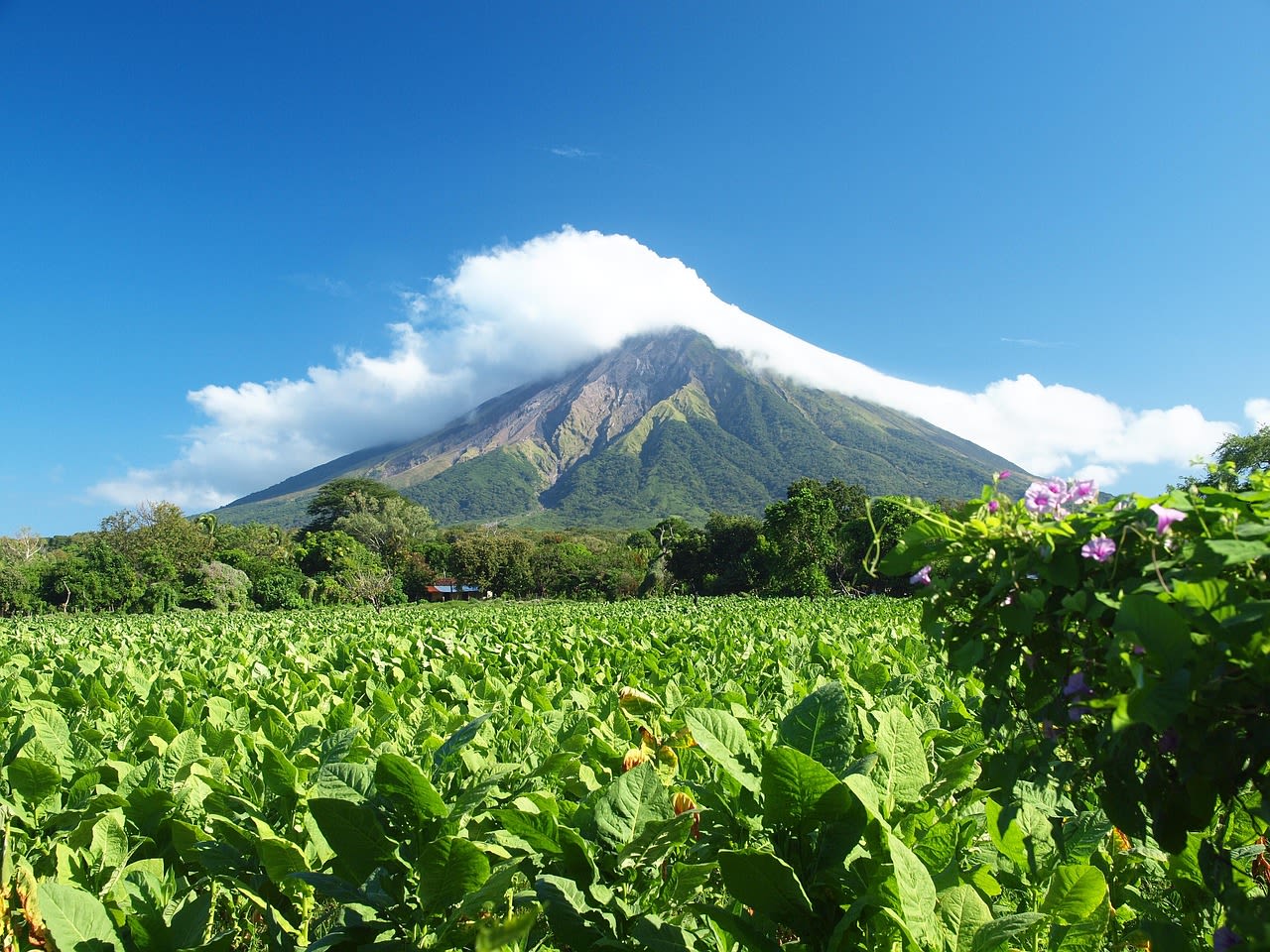
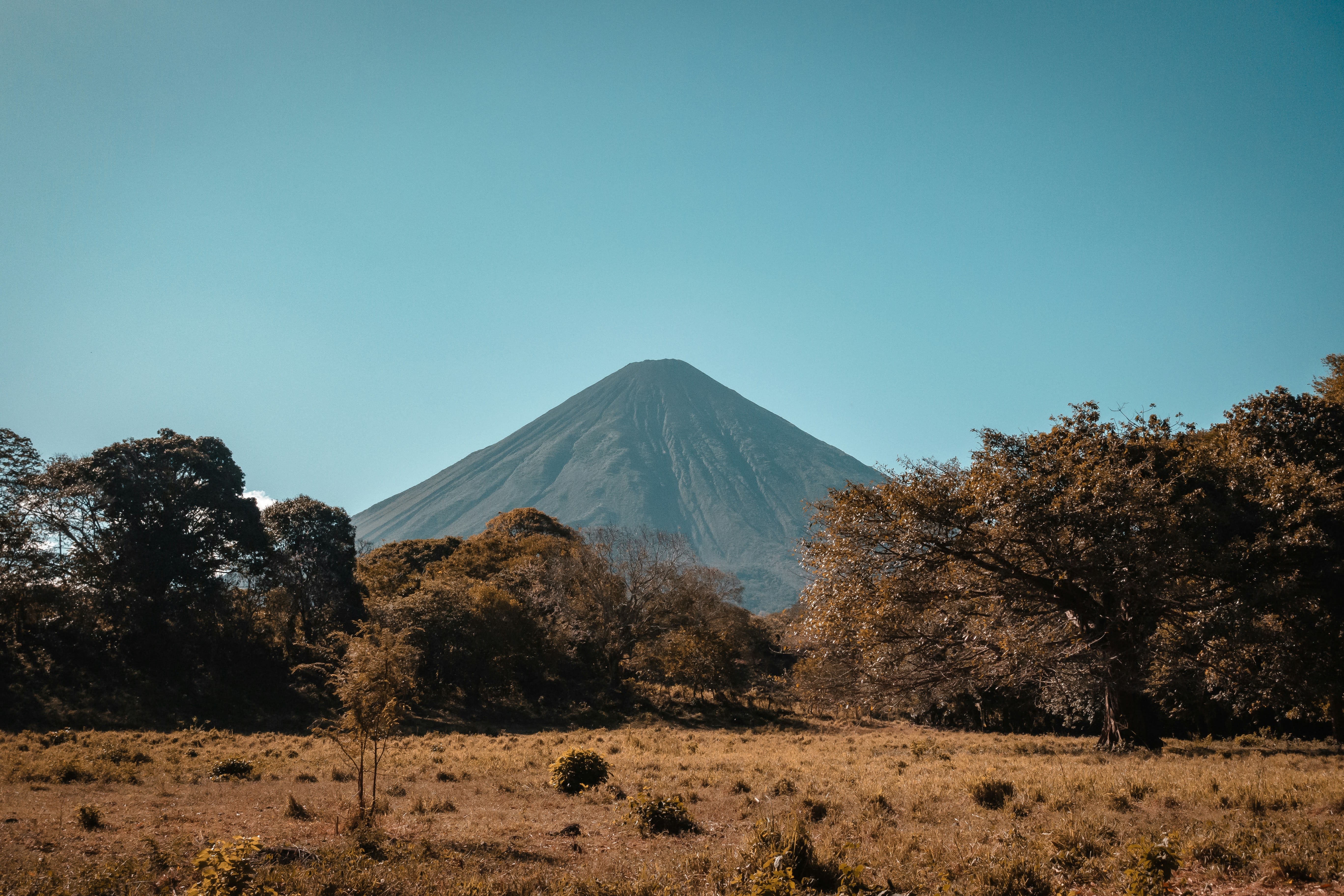
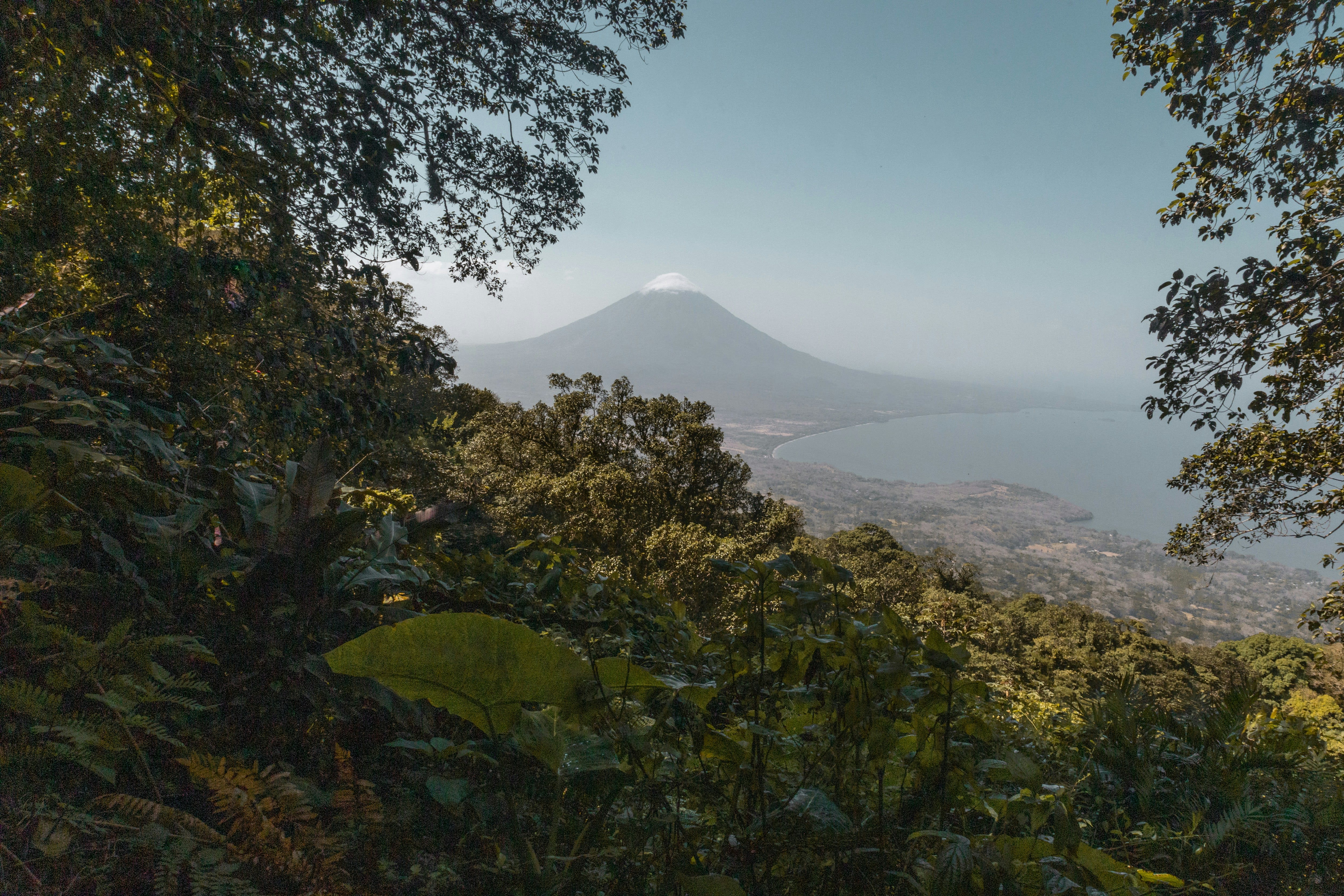
Ometepe Island, located in the heart of Lake Nicaragua, is a captivating destination shaped by two majestic volcanoes—Concepción and Maderas. This island is not only a geographical wonder but also a cultural gem, offering visitors a unique opportunity to explore rich biodiversity, ancient traditions, and awe-inspiring natural beauty. With its volcanic terrain, fertile soil, and welcoming local communities, Ometepe invites travelers to connect with the land and its people through adventure, relaxation, and exploration.
🌍 Geography and Ecosystem
Ometepe Island is the largest freshwater island in the world formed by two volcanoes rising from a lake. The island spans approximately 276 square kilometers and is home to diverse ecosystems ranging from tropical dry forests to cloud forests on the higher slopes of Maderas Volcano. The island’s name derives from the Nahuatl words 'ome' (two) and 'tepetl' (mountain), symbolizing its iconic twin peaks.
The island's geography supports a rich biodiversity, including endemic species of birds, monkeys, reptiles, and plant life. Fertile volcanic soil makes it ideal for agriculture, and the surrounding lake provides habitat for freshwater fish and other aquatic life. Ometepe's unique topography makes it a vital ecological region and a breathtaking natural sanctuary.
The island's geography supports a rich biodiversity, including endemic species of birds, monkeys, reptiles, and plant life. Fertile volcanic soil makes it ideal for agriculture, and the surrounding lake provides habitat for freshwater fish and other aquatic life. Ometepe's unique topography makes it a vital ecological region and a breathtaking natural sanctuary.
- Nestled in the shimmering waters of Lake Nicaragua, Ometepe Island is a natural paradise characterized by its twin volcanic peaks, Concepción and Maderas. This lush island is a haven for nature lovers, offering a harmonious blend of captivating landscapes and authentic cultural experiences.
📜 History and Cultural Significance
Ometepe Island is deeply intertwined with the history and culture of Nicaragua. The island has been home to indigenous communities for thousands of years, and evidence of their presence is still visible in the form of ancient petroglyphs and archaeological sites scattered throughout the island. The rich cultural heritage of Ometepe is reflected in the local customs, folklore, art, and the island’s vibrant festivals.
The indigenous Nahua and Chorotega peoples have preserved their traditions and culture, and visitors can experience this heritage by exploring the island's traditional villages, attending cultural ceremonies, and engaging with local artisans who craft beautiful pottery and textiles. The cultural significance of the island is also embodied in the culinary traditions, offering delicious local dishes such as 'gallo pinto' and fresh tropical fruits.
The indigenous Nahua and Chorotega peoples have preserved their traditions and culture, and visitors can experience this heritage by exploring the island's traditional villages, attending cultural ceremonies, and engaging with local artisans who craft beautiful pottery and textiles. The cultural significance of the island is also embodied in the culinary traditions, offering delicious local dishes such as 'gallo pinto' and fresh tropical fruits.
- 1. Ancient Petroglyphs: The island is home to over 4,000 petroglyphs, which are carved images and symbols found on rocks across the island, providing insight into the spiritual and cultural life of its early inhabitants.
- 2. Indigenous Heritage: The Nahua and Chorotega peoples have maintained their customs and traditions, including local music, dance, and art, which visitors can experience in the island's communities.
- 3. Traditional Villages: Exploring the island’s villages offers a unique opportunity to witness daily life and learn about the agricultural practices and traditions that have been passed down through generations.
- 4. Cultural Festivals: Ometepe hosts annual festivals that celebrate the island's history and cultural heritage, including traditional dances, music performances, and local crafts.
- 5. Local Cuisine: The island's culinary scene is shaped by indigenous ingredients, with specialties like 'gallo pinto' (rice and beans) and tropical fruits, offering a taste of Ometepe’s cultural and agricultural richness.
🏃 Activities and Attractions
Ometepe Island offers a wide variety of activities that appeal to nature lovers, adventure seekers, and those looking for a deeper cultural connection. The island’s diverse ecosystems and unique landscapes provide the perfect backdrop for outdoor exploration and adventure. Whether you're hiking up volcanic slopes, kayaking on Lake Nicaragua, or exploring hidden beaches, there's something for everyone.
- 1. Hiking and Volcano Climbing: Embark on a challenging yet rewarding hike up the Concepción and Maderas volcanoes, where you can enjoy breathtaking views, observe diverse ecosystems, and discover the rich flora and fauna of the island.
- 2. Kayaking and Paddleboarding: Explore the calm waters of Lake Nicaragua by kayak or paddleboard, offering views of the island's lush landscape and surrounding mountains.
- 3. Water Activities: Spend a day at the island's stunning beaches like Santo Domingo and Charco Verde, perfect for swimming, sunbathing, and water sports such as kayaking and fishing.
- 4. Visit Ojo de Agua: A natural spring pool surrounded by dense jungle, providing a serene spot to relax and cool off in the crystal-clear waters.
- 5. Birdwatching and Wildlife Viewing: With its rich biodiversity, Ometepe offers excellent opportunities for birdwatching, where you can spot endemic species of birds, howler monkeys, and other wildlife.
💡 Travel Tips
Visiting Ometepe Island requires some preparation to ensure you make the most of your trip and respect the local environment. The island is a unique and remote destination, so here are some important tips to help you have a smooth and enjoyable experience:
- 1. Pack Light and Comfortable: Ometepe is known for its outdoor activities, so make sure to pack comfortable clothing suitable for hiking, water activities, and exploring. Sturdy shoes are essential for volcano hikes, and swimwear is a must for enjoying the lagoon and beaches.
- 2. Bring Cash: The island has limited access to ATMs, so it's advisable to bring enough cash for your entire stay, as many local businesses may not accept cards.
- 3. Respect Local Traditions: Ometepe is home to indigenous communities with a rich cultural heritage. Be respectful of local customs and traditions, particularly when visiting villages or interacting with locals. Always ask for permission before taking photographs, especially of people.
- 4. Stay Hydrated and Use Sunscreen: The tropical climate can get quite hot, especially when hiking the volcanoes or spending time outdoors. Make sure to carry water with you during your hikes and apply sunscreen regularly to protect yourself from the sun.
- 5. Eco-friendly Travel: Ometepe is known for its pristine natural beauty, so it's important to follow environmentally responsible practices. Avoid using plastic bags, carry reusable water bottles, and respect wildlife by not disturbing animals or plants.
- 6. Consider Guided Tours: To make the most of your experience and learn about the island's history, biodiversity, and culture, consider booking a guided tour. Local guides can offer in-depth knowledge and ensure a more immersive experience.
- 7. Be Prepared for Basic Amenities: While Ometepe offers a unique and peaceful retreat, it’s not as developed as other tourist destinations. Prepare for basic accommodations, limited Wi-Fi, and occasional power outages. Embrace the slower pace and enjoy the natural surroundings.
🌱 Conservation
Río Cangrejal, nestled in the lush landscapes of northern Honduras, is a vital natural resource that requires conscious conservation efforts. The river’s pristine waters and surrounding rainforest are home to a rich array of wildlife, including howler monkeys, toucans, and many species of orchids. The conservation of Río Cangrejal is crucial not only for the preservation of its biodiversity but also for maintaining the health of the ecosystems that surround it.
One of the primary conservation efforts focuses on protecting the river from pollution. With the increasing number of visitors seeking to enjoy the natural beauty of the area, maintaining the river's cleanliness and minimizing the environmental impact is of paramount importance. Sustainable tourism practices are encouraged, with local tour operators emphasizing responsible activities such as eco-friendly rafting and promoting the use of biodegradable products.
Efforts are also underway to protect the tropical rainforests that line the river, which serve as critical habitats for many species. Reforestation programs are helping restore areas that have been affected by deforestation, and conservation organizations are working to educate the local communities on the importance of preserving the natural surroundings.
In addition to protecting the wildlife, the local community plays a key role in the conservation of the river. The collaboration between environmental groups and local inhabitants is vital for the long-term sustainability of the region. Together, they are working to ensure that Río Cangrejal remains a vibrant and healthy ecosystem for generations to come.
One of the primary conservation efforts focuses on protecting the river from pollution. With the increasing number of visitors seeking to enjoy the natural beauty of the area, maintaining the river's cleanliness and minimizing the environmental impact is of paramount importance. Sustainable tourism practices are encouraged, with local tour operators emphasizing responsible activities such as eco-friendly rafting and promoting the use of biodegradable products.
Efforts are also underway to protect the tropical rainforests that line the river, which serve as critical habitats for many species. Reforestation programs are helping restore areas that have been affected by deforestation, and conservation organizations are working to educate the local communities on the importance of preserving the natural surroundings.
In addition to protecting the wildlife, the local community plays a key role in the conservation of the river. The collaboration between environmental groups and local inhabitants is vital for the long-term sustainability of the region. Together, they are working to ensure that Río Cangrejal remains a vibrant and healthy ecosystem for generations to come.
✨ Conclusion
Ometepe Island's unique ecosystem and biodiversity are under increasing pressure due to human activities and climate change. Conservation efforts are vital to protect the island's natural treasures and ensure sustainable tourism practices. Organizations like the Ometepe Biological Field School work towards preserving the island's environment through research, education, and community involvement. Visitors are encouraged to support these initiatives and participate in responsible tourism practices during their visit to Ometepe.