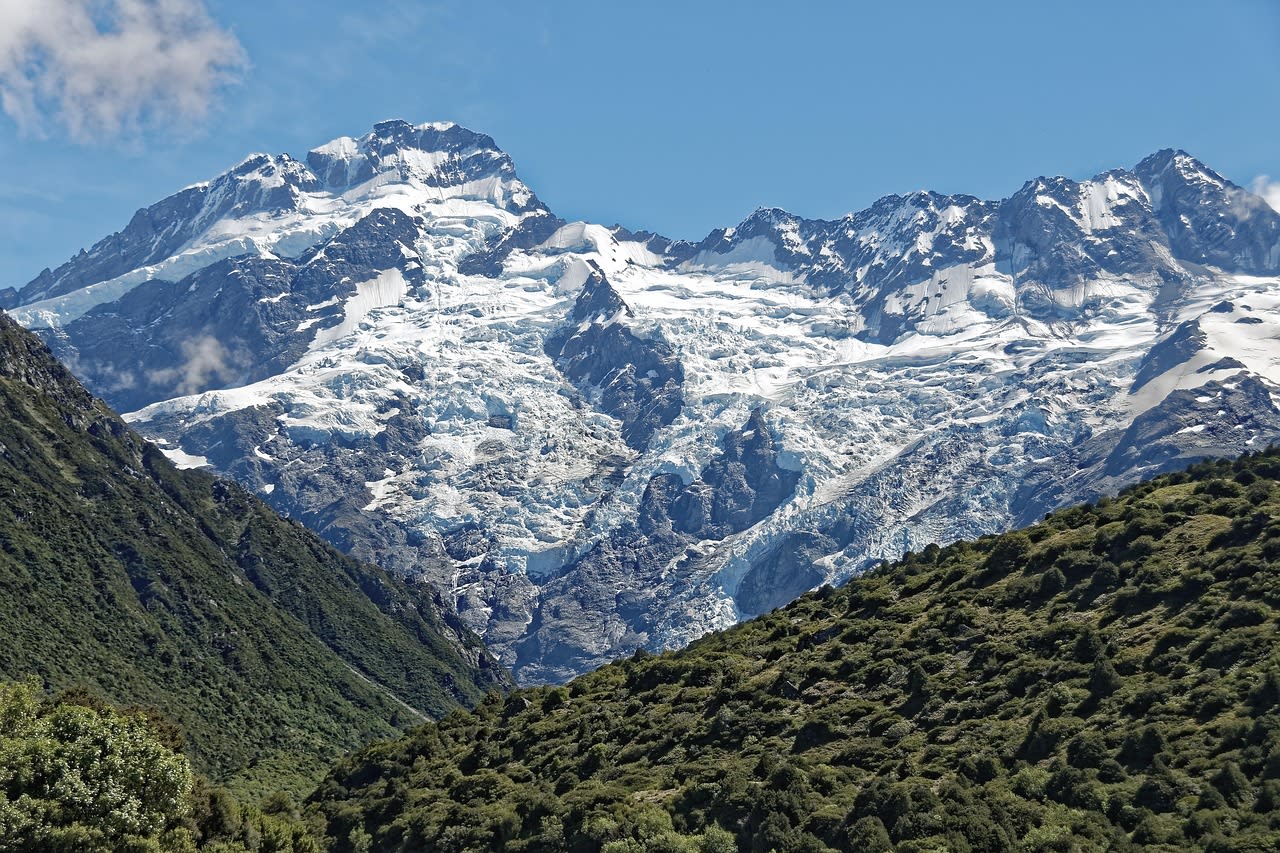
Milford Sound
Nestled in Fiordland National Park, Milford Sound is one of New Zealand’s most iconic natural wonders. With dramatic fjord landscapes, lush rainforests, and powerful waterfalls like Stirling and Bowen Falls, it is a destination that leaves visitors in awe. Known for its misty atmosphere and diverse wildlife, Milford Sound embodies the raw beauty of New Zealand’s South Island.
🌍 Geography and Ecosystem
Milford Sound is a fjord carved by glaciers during the Ice Ages. Steep cliffs rise more than a thousand meters from the water, while rainfall nourishes countless temporary waterfalls. Its unique ecosystem blends marine, rainforest, and alpine environments.
- Mountains: Mitre Peak dominates the landscape, rising sharply from sea level to over 1,600 meters, making it one of the most photographed landmarks in New Zealand.
- Waterfalls: Permanent cascades such as Stirling Falls (151m) and Bowen Falls (162m) plunge directly into the fjord, while rainfall creates dozens of temporary falls after storms.
- Rainforests: The steep cliffs are draped in temperate rainforest, home to mosses, ferns, and unique bird species.
- Marine Life: The fjord supports seals, dolphins, penguins, and even visiting whales, thriving in its dark, nutrient-rich waters.
📜 History and Cultural Significance
Milford Sound was traditionally known as Piopiotahi to the Māori, named after the extinct piopio bird. The fjord holds cultural significance as part of Māori legends and navigation routes. It was later named Milford Sound by European explorers in the 19th century. Today, it stands as one of the most visited and cherished destinations in New Zealand.
🏃 Activities and Attractions
Visitors can experience Milford Sound in many ways, from water to air.
- Boat Cruises: The most popular way to explore, offering close-up views of waterfalls, cliffs, and wildlife.
- Kayaking: Paddle beneath towering cliffs and waterfalls for an intimate experience.
- Scenic Flights: Aerial tours reveal the fjord’s scale and surrounding glaciers.
- Hiking: The Milford Track, one of New Zealand’s Great Walks, is world-renowned for its beauty.
💡 Travel Tips
How to Get There: Milford Sound is about 4 hours by car from Queenstown, or 2 hours from Te Anau. Scenic flights and bus tours are also available.
Best Time to Visit: While summer offers long daylight hours, the fjord is spectacular year-round, especially after rainfall when waterfalls are at their peak.
What to Bring: Waterproof clothing, camera, and insect repellent for sandflies.
Accommodation: Limited options exist in Milford itself, with more choices in Te Anau.
Best Time to Visit: While summer offers long daylight hours, the fjord is spectacular year-round, especially after rainfall when waterfalls are at their peak.
What to Bring: Waterproof clothing, camera, and insect repellent for sandflies.
Accommodation: Limited options exist in Milford itself, with more choices in Te Anau.
🌱 Conservation
Milford Sound is part of Fiordland National Park and the Te Wāhipounamu UNESCO World Heritage Area. Visitors are encouraged to follow Leave No Trace principles. Strict conservation efforts protect its unique ecosystems, and ongoing research monitors climate change impacts, invasive species, and tourism pressure.
✨ Conclusion
Milford Sound is a natural masterpiece, offering breathtaking landscapes and unforgettable experiences. Whether exploring by boat, on foot, or from the air, visitors leave with a deep appreciation for the raw beauty of New Zealand’s South Island.