

Valley Orcia
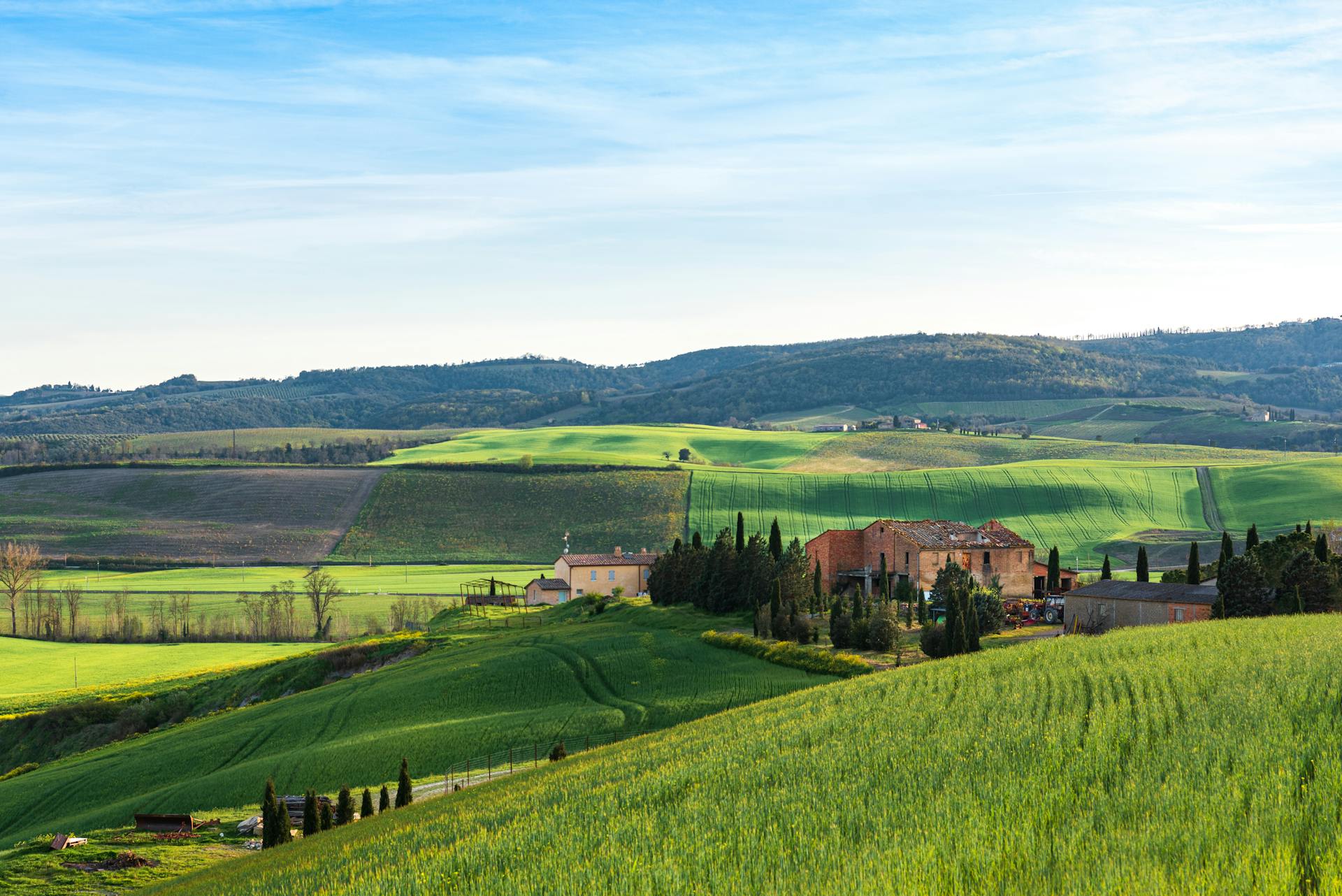
Valley Orcia, also known as Val d'Orcia, is a picturesque valley located in the heart of Tuscany, Italy. Designated as a UNESCO World Heritage Site in 2004, this enchanting valley stretches over approximately 50 kilometers from north to south and is surrounded by gentle rolling hills, cypress trees, sunflower fields, and medieval towns. The region is celebrated for its timeless scenery, historic villages, olive groves, and wheat fields that paint the landscape with ever-changing seasonal colors.
🌍 Geography and Ecosystem
Valley Orcia is a harmonious blend of natural beauty and human creativity, shaped by centuries of sustainable agriculture and rural traditions. The valley is a prime example of the interaction between people and the environment in Tuscany.
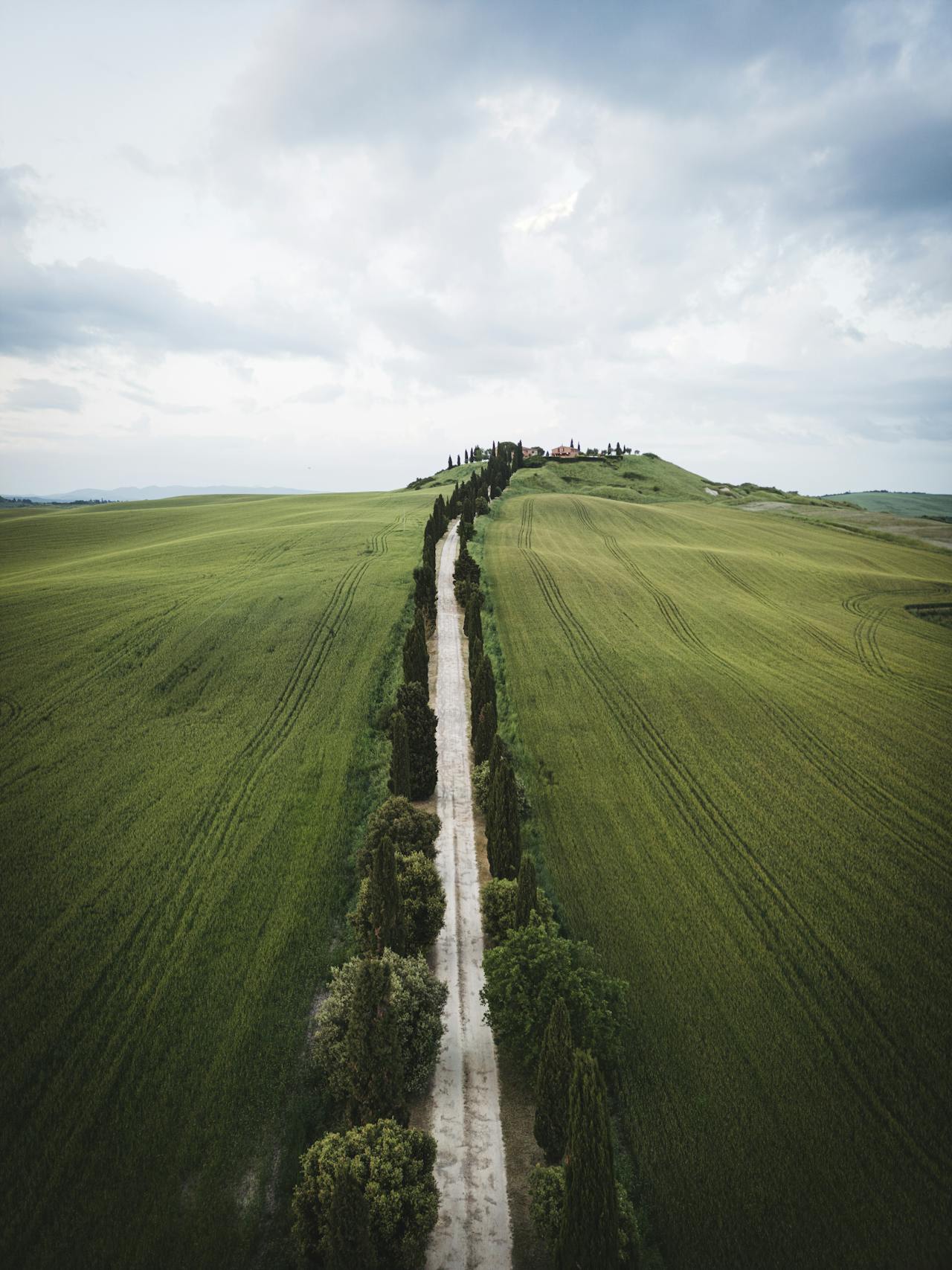
- Cypress Trees: These tall, elegant trees line the roads and frame the hillsides, creating iconic Tuscan landscapes.
- Rolling Hills: Gentle slopes covered with wheat fields, meadows, and seasonal flowers create a dynamic patchwork of colors throughout the year.
- Thermal Springs: Natural thermal waters, particularly in Bagno Vignoni, have been used since Roman times for relaxation and healing.
- Clay Hills: The eroded clay formations known as 'crete senesi' add unique textures and colors to the valley, especially at sunrise and sunset.
- Biodiversity: The rural environment supports a rich variety of flora and fauna, including wildflowers, oak groves, hares, and bird species like kestrels and owls.
📜 History and Cultural Significance
Valley Orcia has been inhabited since Etruscan times, with archaeological remains testifying to its ancient agricultural practices. During the Middle Ages, the valley became strategically important due to the Via Francigena, a historic pilgrimage route connecting Northern Europe with Rome.
Renaissance Influence:
The valley gained fame during the Renaissance, inspiring painters of the Sienese School who captured its harmonious landscapes, which were seen as symbols of the ideal relationship between humans and nature.
Cultural Heritage:
Medieval towns such as Pienza, Montalcino, and San Quirico d'Orcia preserve their original charm, with cobbled streets, stone houses, and churches that speak of centuries of tradition and cultural refinement.
🏃 Activities and Attractions
Valley Orcia offers a variety of activities that allow visitors to immerse themselves in the Tuscan countryside, enjoy its cultural treasures, and relax in its peaceful environment.
- Cycling and Hiking: Scenic trails wind through the rolling hills, sunflower fields, and olive groves, offering breathtaking views of the valley.
- Exploring Medieval Villages: Wander through charming towns like Pienza, famous for its Renaissance architecture, and San Quirico d'Orcia with its historic gardens.
- Thermal Baths: Relax in the natural hot springs of Bagno Vignoni, where thermal pools have been appreciated since Roman times.
- Photography: Capture the iconic Tuscan landscapes, from winding cypress-lined roads to fields glowing under the golden light of sunset.
- Cultural Festivals: Experience local traditions through seasonal festivals, markets, and fairs that celebrate music, food, and rural heritage.
💡 Travel Tips
Best Time to Visit: Spring (April to June) and autumn (September to October) are ideal, offering mild weather and stunning natural colors.
What to Bring: Comfortable walking shoes, sunscreen, a hat, a camera, and an open mind for exploring both nature and history.
Getting There: The valley is easily accessible by car from Florence, Siena, or Rome. Renting a car is recommended to fully enjoy the small roads and panoramic stops.
Accommodation Options: Stay in agriturismos (farm stays), rustic villas, or boutique hotels in nearby villages for an authentic Tuscan experience.
🌱 Conservation
Valley Orcia is recognized by UNESCO not only for its beauty but also for its sustainable agricultural landscape that has been preserved for centuries.
Visitor Guidelines: Respect rural traditions, stay on designated paths, avoid damaging crops, and support local artisans.
Environmental Concerns: Efforts are underway to combat soil erosion, preserve biodiversity, and balance tourism with agricultural life, ensuring the valley’s authenticity is maintained for future generations.
✨ Conclusion
Valley Orcia is more than just a valley—it is a living masterpiece that embodies the perfect balance of nature, culture, and history. With its rolling hills, medieval towns, thermal springs, and unforgettable vistas, this UNESCO World Heritage Site offers a journey into the soul of Tuscany. Whether you are seeking cultural enrichment, natural beauty, or serene relaxation, Valley Orcia promises an experience that will stay in your heart forever.