

Mount Etna
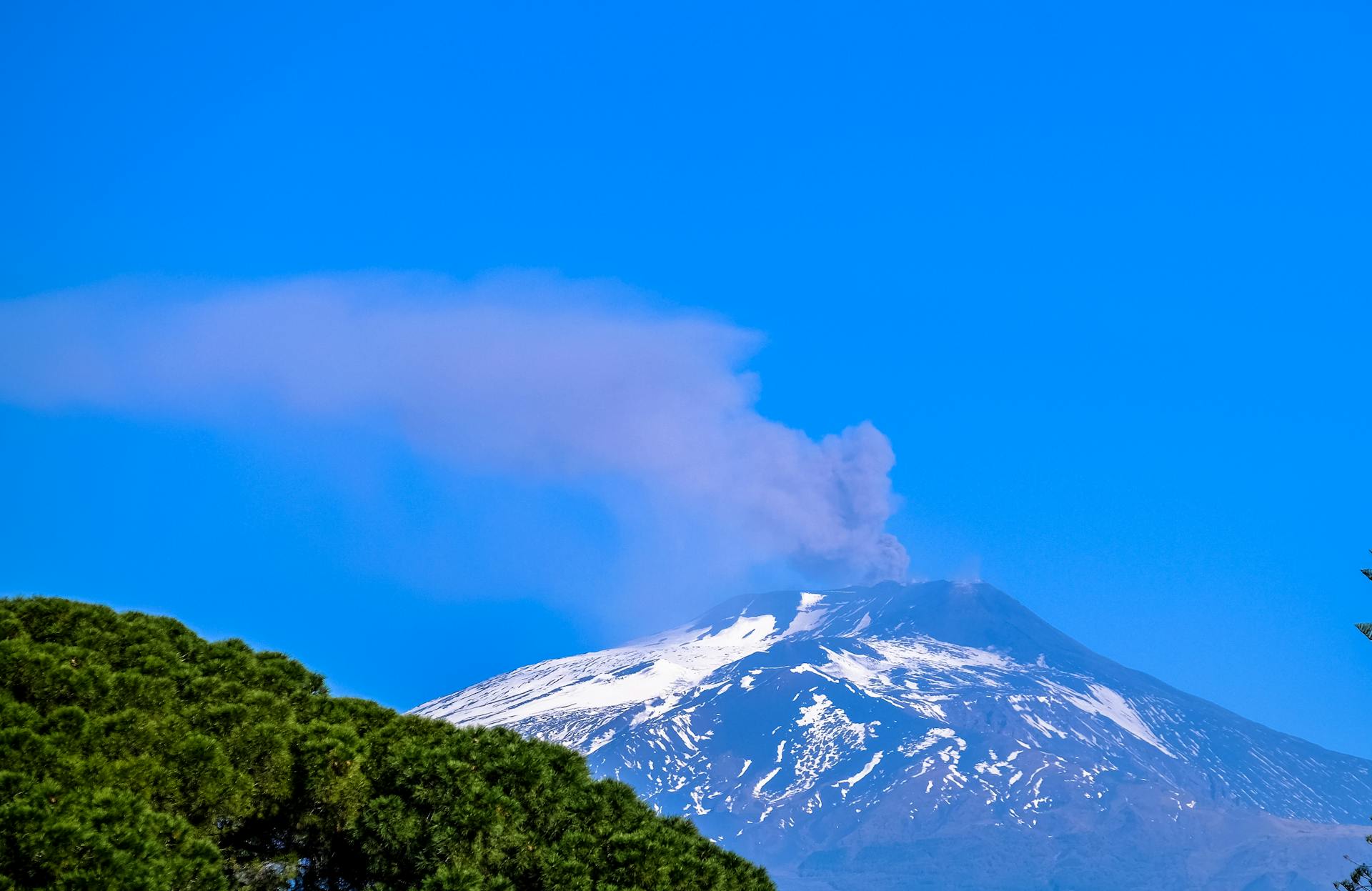
Mount Etna, located on the east coast of Sicily in Italy, is one of the most active volcanoes in the world and the tallest active volcano in Europe, standing at approximately 3,329 meters (10,922 feet) high. Its majestic presence dominates the landscape, with its iconic silhouette often shrouded in smoke and ash. Etna's volcanic activity has shaped the surrounding region for millennia, leaving a lasting impact on the land and its inhabitants.
🌍 Geography and Ecosystem
Mount encompasses a diverse landscape with various fascinating features:
- Lava Flows: Etna's lava flows have created intricate patterns of solidified magma that cover vast areas, showcasing the volcano's power and destructive force.
- Ecosystems: Despite its harsh volcanic environment, Etna is home to a variety of flora and fauna, including unique plant species adapted to the extreme conditions.
- Crater Complex: The volcano's summit is marked by a series of craters that continuously evolve with each eruption, offering a dynamic and ever-changing landscape.
- Geological Diversity: Etna's geological diversity includes lava tubes, pyroclastic cones, and other volcanic formations that provide insight into the volcano's complex history.
📜 History and Cultural Significance
Mount Etna has a rich history dating back thousands of years, with evidence of human activity on its slopes since ancient times. The volcano has played a significant role in shaping the cultural identity of Sicily, with local communities viewing Etna as a symbol of both danger and fertility. Legends and myths surrounding the volcano abound, with stories of gods and monsters intertwining with the reality of living in the shadow of a restless giant. Etna's eruptions have influenced art, literature, and religious beliefs, making it an integral part of Sicilian heritage.
🏃 Activities and Attractions
Mount Etna offers a wide range of activities for visitors of all interests and skill levels. Whether you're a seasoned adventurer or simply looking to enjoy the natural beauty, there's something for everyone:
- Hiking: Trekking up Etna's slopes offers breathtaking views of the surrounding landscape and the opportunity to witness volcanic phenomena up close.
- Jeep Tours: Guided jeep tours provide a thrilling adventure through Etna's rugged terrain, allowing visitors to explore remote areas and learn about the volcano's history.
- Cable Car Rides: A cable car ride to the summit offers panoramic vistas of the volcanic landscape and a unique perspective on Etna's sheer size and power.
- Wine Tasting: The fertile volcanic soil around Etna produces exceptional wines, and visitors can enjoy wine tastings at local vineyards nestled on the volcano's slopes.
💡 Travel Tips
Best Time to Visit: The best time to visit Mount Etna is during the spring and fall when the weather is mild, and the volcano is less likely to be shrouded in clouds.
What to Bring: Visitors should pack sturdy hiking shoes, warm clothing for the higher elevations, sun protection, and plenty of water.
Getting There: Etna is easily accessible by car from nearby towns like Catania, where visitors can also find accommodation options ranging from cozy bed and breakfasts to luxury resorts.
What to Bring: Visitors should pack sturdy hiking shoes, warm clothing for the higher elevations, sun protection, and plenty of water.
Getting There: Etna is easily accessible by car from nearby towns like Catania, where visitors can also find accommodation options ranging from cozy bed and breakfasts to luxury resorts.
🌱 Conservation
Efforts to conserve Mount Etna's unique natural heritage are ongoing, with a focus on preserving the delicate balance between human activity and the volcano's ecosystem. Visitor Guidelines: Visitors are encouraged to stay on designated paths, respect wildlife, and avoid littering to minimize their impact on the fragile environment. Environmental Concerns: The volcanic activity of Etna can have environmental repercussions, and initiatives are in place to monitor and mitigate any potential risks to the surrounding area.
✨ Conclusion
Mount Etna stands as a testament to the raw power and beauty of nature, attracting travelers from around the world with its dramatic landscapes and rich history. Whether hiking its slopes, marveling at its eruptions, or savoring local wines, a visit to Etna offers a truly unforgettable experience that blends adventure, culture, and natural wonder in a way that only a volcanic giant like Etna can provide. It is a place where the past meets the present, and where the forces of the earth are on full display, making it a destination that is both special and worth exploring.