

Valley Of Flowers
Legend has it that the valley is associated with the epic tale of the Mahabharata, where it is believed to be the place from where Hanuman collected Sanjeevani herbs to revive Lakshmana. The region holds spiritual significance for the locals, who have revered it as a sacred site for generations.
🌍 Geography and Ecosystem
The Valley of Flowers is a UNESCO World Heritage Site located in the Chamoli district of Uttarakhand, nestled high in the Western Himalayas. It is renowned for its spectacular alpine meadows, vibrant flora, and dramatic landscapes shaped by glaciers and rivers.
- Floral Diversity: The valley is home to over 500 species of wildflowers, including blue poppies, orchids, primulas, and Himalayan bellflowers.
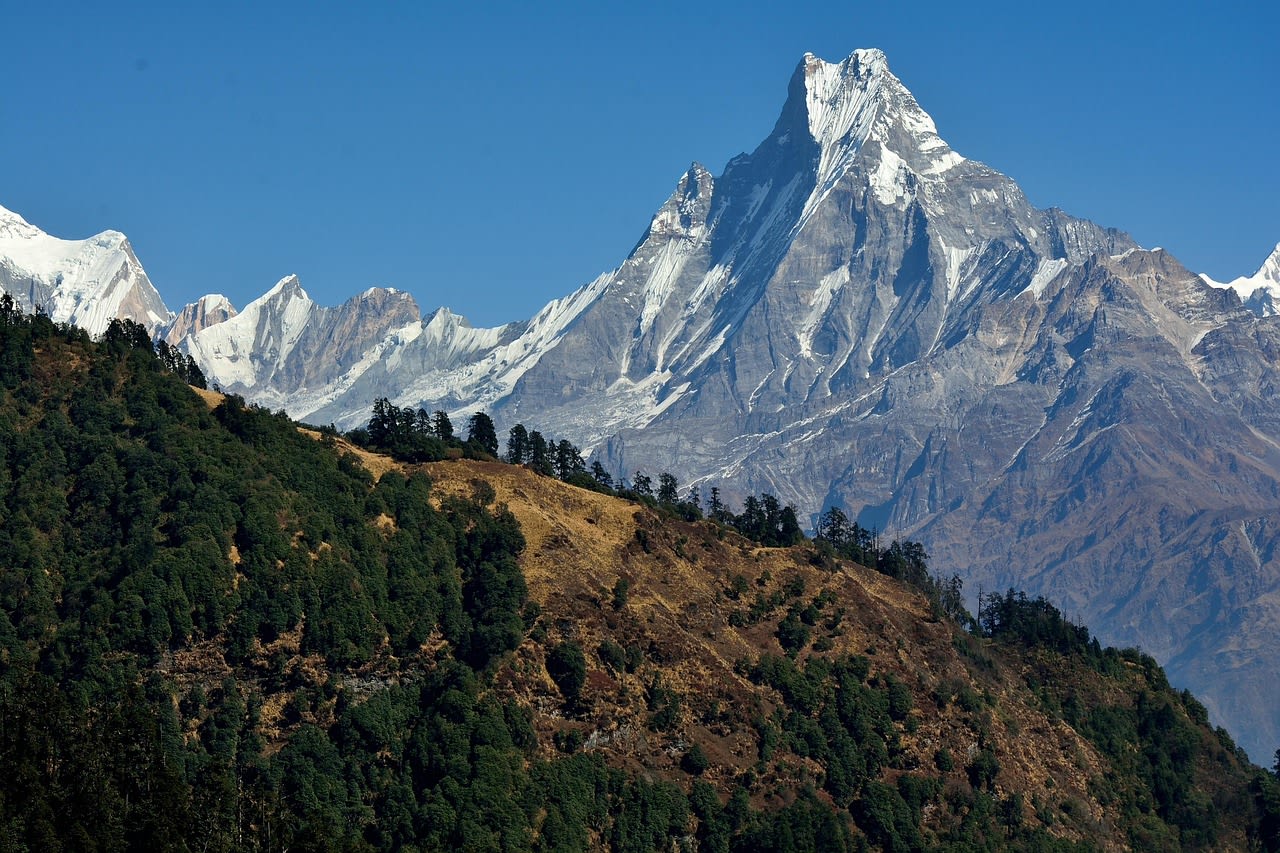
- Alpine Landscape: Stretching at an altitude between 3,200 to 6,700 meters, the valley is framed by snow-clad peaks and glacial streams.
- Wildlife Habitat: Apart from flowers, the valley supports diverse fauna, such as Himalayan black bears, snow leopards, musk deer, and blue sheep.
- Seasonal Transformation: During summer, the valley transforms into a vibrant carpet of colors, while in winter it remains snowbound, inaccessible to visitors.
📜 History and Cultural Significance
The Valley of Flowers was largely unknown to the outside world until it was discovered in 1931 by British mountaineer Frank Smythe, who stumbled upon it while returning from an expedition to Mount Kamet. Inspired, he later authored a book titled 'The Valley of Flowers,' which brought global attention to this Himalayan gem.
The valley has deep cultural and mythological roots, believed to be the legendary site where Hanuman collected the Sanjeevani herb to revive Lakshmana in the Mahabharata. For centuries, it has also been revered by local communities as a sacred place associated with divine energies.
The valley has deep cultural and mythological roots, believed to be the legendary site where Hanuman collected the Sanjeevani herb to revive Lakshmana in the Mahabharata. For centuries, it has also been revered by local communities as a sacred place associated with divine energies.
🏃 Activities and Attractions
The Valley of Flowers offers visitors a unique blend of adventure, natural beauty, and spiritual experiences. Activities here highlight the richness of its flora, fauna, and cultural ties:
- Trekking: The primary activity, with a challenging yet rewarding trail from Govindghat to Ghangaria and onward to the valley, offering panoramic views of mountains and meadows.
- Photography: Capture the surreal beauty of the valley’s ever-changing floral display and its dramatic Himalayan backdrop.
- Bird Watching: Spot rare Himalayan birds like the Himalayan monal, snow partridge, and rosefinches.
- Spiritual Visits: Many combine the trek with a pilgrimage to Hemkund Sahib, a revered Sikh shrine situated at 4,329 meters.
- Nature Immersion: Simply wander through the meadows to absorb the tranquility, vibrant colors, and fresh mountain air of this alpine paradise.
💡 Travel Tips
Best Time to Visit: The Valley of Flowers is best visited between July and September when the flowers are in full bloom.
What to Bring: Pack warm clothing, sturdy hiking shoes, sunscreen, a hat, and plenty of water for your trek.
How to Get There: The nearest town to the park is Joshimath, from where you can hire a taxi or trek to the Ghangaria base camp.
Accommodation Options: Basic guesthouses and campsites are available at Ghangaria for overnight stays.
🌱 Conservation
Preservation Efforts: The Valley of Flowers is a protected national park and part of the Nanda Devi Biosphere Reserve, with strict rules to prevent over-tourism and protect its fragile alpine ecosystem.
Environmental Concerns: Visitors are prohibited from camping or staying overnight inside the valley to minimize ecological impact. Littering and picking flowers are strictly banned.
Visitor Guidelines: Only a limited number of permits are issued daily to ensure sustainable tourism and conservation of this UNESCO World Heritage Site.
✨ Conclusion
The Valley of Flowers is more than a natural wonder—it is a sanctuary of biodiversity, spirituality, and Himalayan beauty. From its vibrant meadows to its sacred legends, the valley continues to captivate trekkers, botanists, and pilgrims alike. A journey here is not just a trek through nature but a profound encounter with the sublime harmony of the mountains and their timeless lore.