

Thar Desert
The Thar Desert, also known as the Great Indian Desert, is a vast arid region spread across the northwestern part of the Indian subcontinent and southeastern Pakistan. Covering an area of approximately 200,000 square kilometers, it is one of the world's largest deserts. With sand dunes reaching heights of up to 150 meters, the landscape is characterized by a harsh and unforgiving terrain that experiences scorching temperatures during the day and chilly nights.
🌍 Geography and Ecosystem
TharDesert encompasses a diverse landscape with various fascinating features:
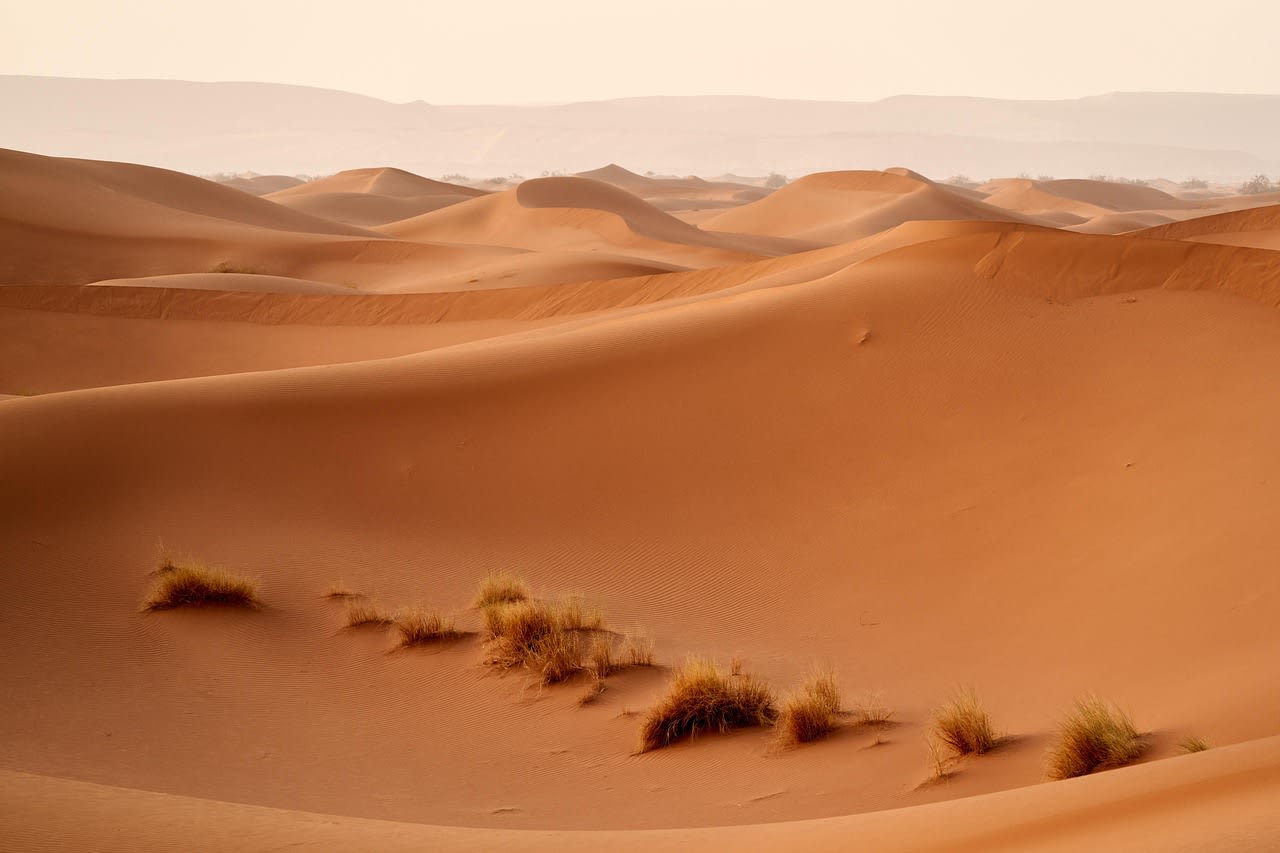
- Sand Dunes: The desert is famous for its sweeping sand dunes that shift and change shape with the wind, creating a mesmerizing sight at sunrise and sunset.
- Arid Ecosystem: Despite its harsh conditions, the desert is home to a variety of flora and fauna specially adapted to survive in the arid environment.
- Luni River: The Luni River, the only significant river in the region, plays a crucial role in sustaining life in the desert by providing water for irrigation and local communities.
- Desert Wildlife: The Thar Desert is inhabited by unique wildlife species such as the Indian gazelle, desert fox, and various migratory birds that visit the region seasonally.
📜 History and Cultural Significance
The Thar Desert has a rich history dating back thousands of years, with evidence of human habitation found in ancient Indus Valley civilization sites. The desert holds cultural significance for the Rajasthani people, who have developed a vibrant desert culture that includes traditional music, dance, and art forms. Legends and folklore abound in the region, with stories of valorous warriors and mystical beings adding to the desert's allure.
🏃 Activities and Attractions
Thar Desert offers a wide range of activities for visitors of all interests and skill levels. Whether you're a seasoned adventurer or simply looking to enjoy the natural beauty, there's something for everyone:
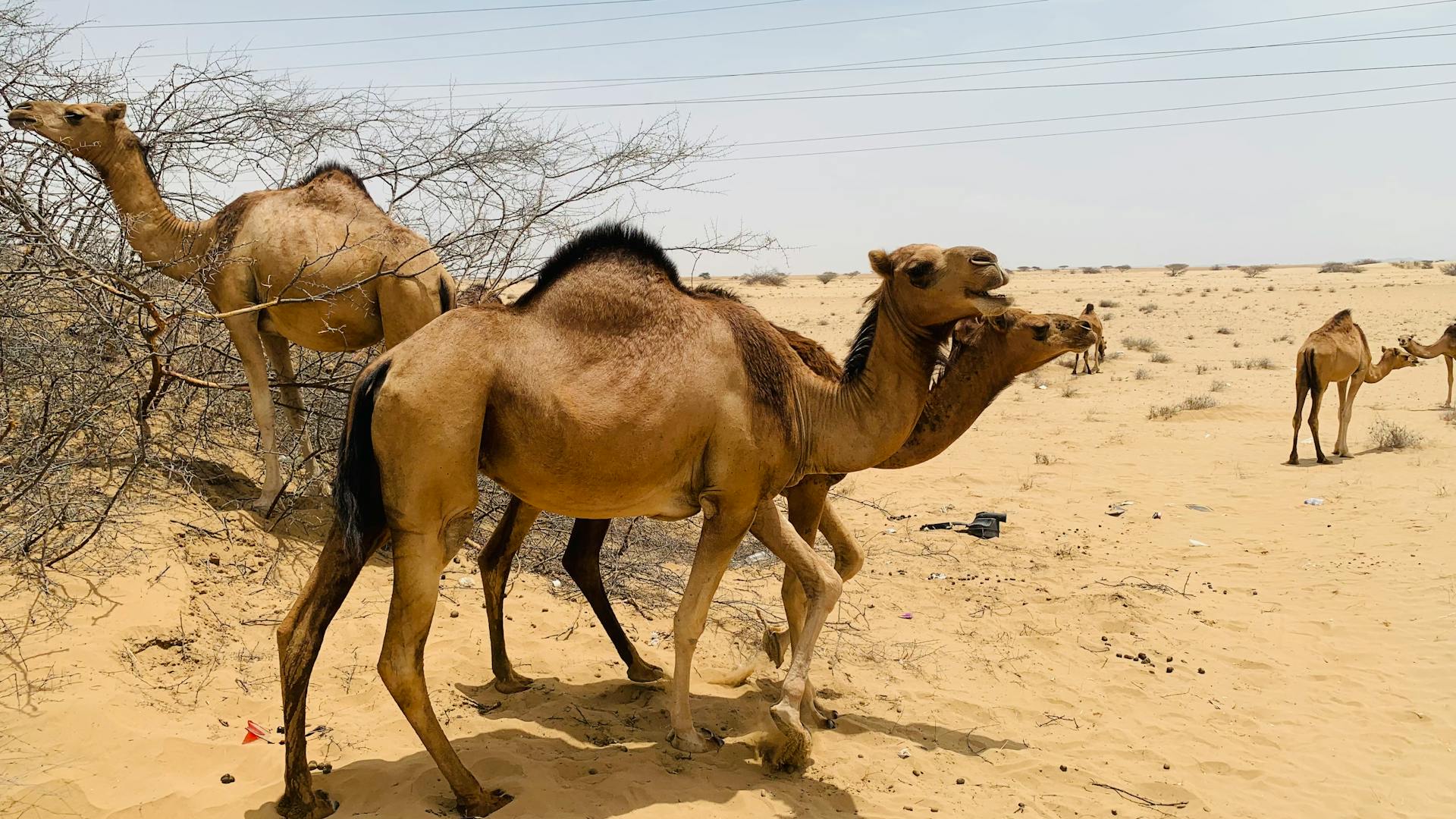
- Camel Safaris: Embark on a camel safari to explore the vast expanse of the desert, traversing sand dunes and visiting remote villages along the way.
- Desert Camping: Spend a night under the starlit sky by camping in the desert, experiencing the tranquility and solitude of the arid landscape.
- Cultural Performances: Enjoy traditional Rajasthani music and dance performances that capture the spirit and vibrancy of desert life.
💡 Travel Tips
Best Time to Visit: The ideal time to visit the Thar Desert is during the winter months from October to March when the weather is relatively mild.
What to Bring: Pack light, breathable clothing, sunscreen, sunglasses, and plenty of water to stay hydrated in the desert heat.
How to Get There: The Thar Desert is accessible from cities like Jaisalmer and Bikaner in Rajasthan, with options for guided tours and transportation available.
Accommodation Options: Stay in traditional desert camps or luxury resorts that offer a blend of comfort and authenticity in the desert setting.
🌱 Conservation
Efforts are underway to preserve the fragile ecosystem of the Thar Desert and protect its unique biodiversity. Conservation initiatives focus on sustainable tourism practices, water conservation, and raising awareness about the importance of preserving the desert's natural heritage. Visitors are encouraged to follow environmentally friendly guidelines to minimize their impact on the delicate desert ecosystem.
✨ Conclusion
The Thar Desert stands as a testament to the resilience of life in the face of harsh conditions, offering visitors a glimpse into a world of stark beauty and cultural richness. From its towering sand dunes to its vibrant desert traditions, the Thar Desert is a place of wonder and discovery, inviting travelers to explore its timeless landscapes and immerse themselves in its captivating history. A visit to this extraordinary desert promises an unforgettable journey into the heart of India's desert heritage.