Spiti Valley
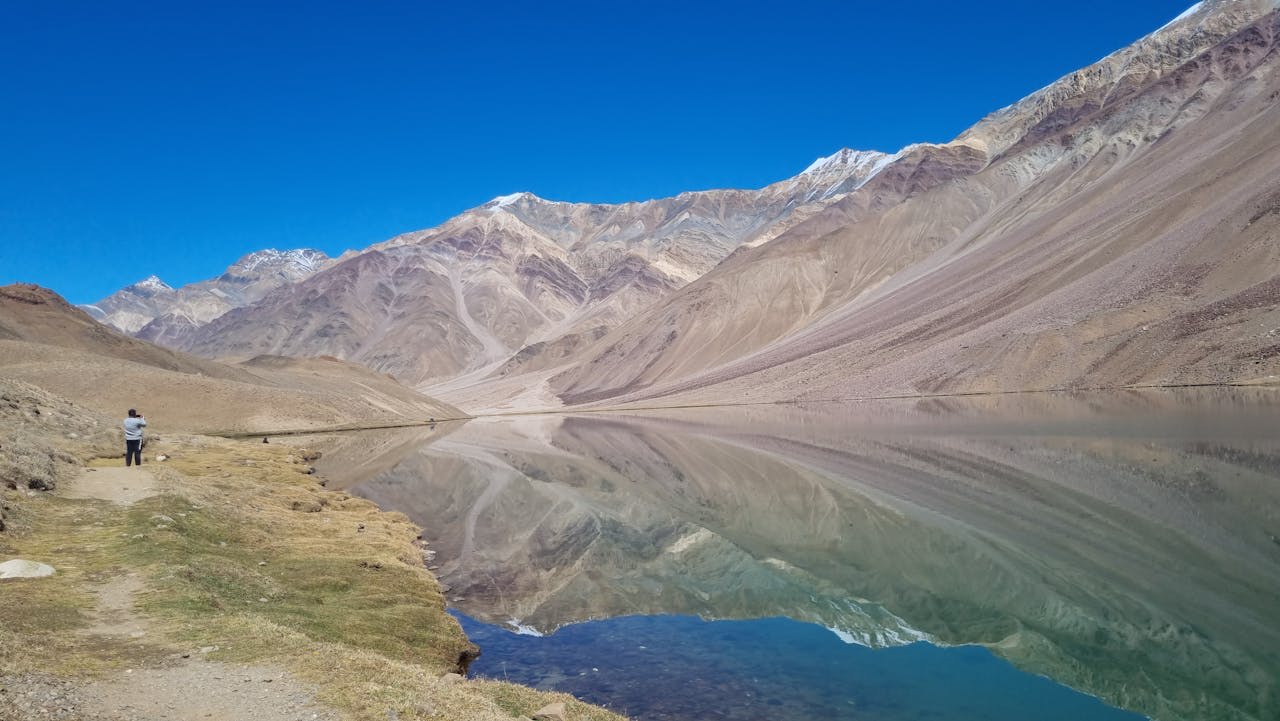
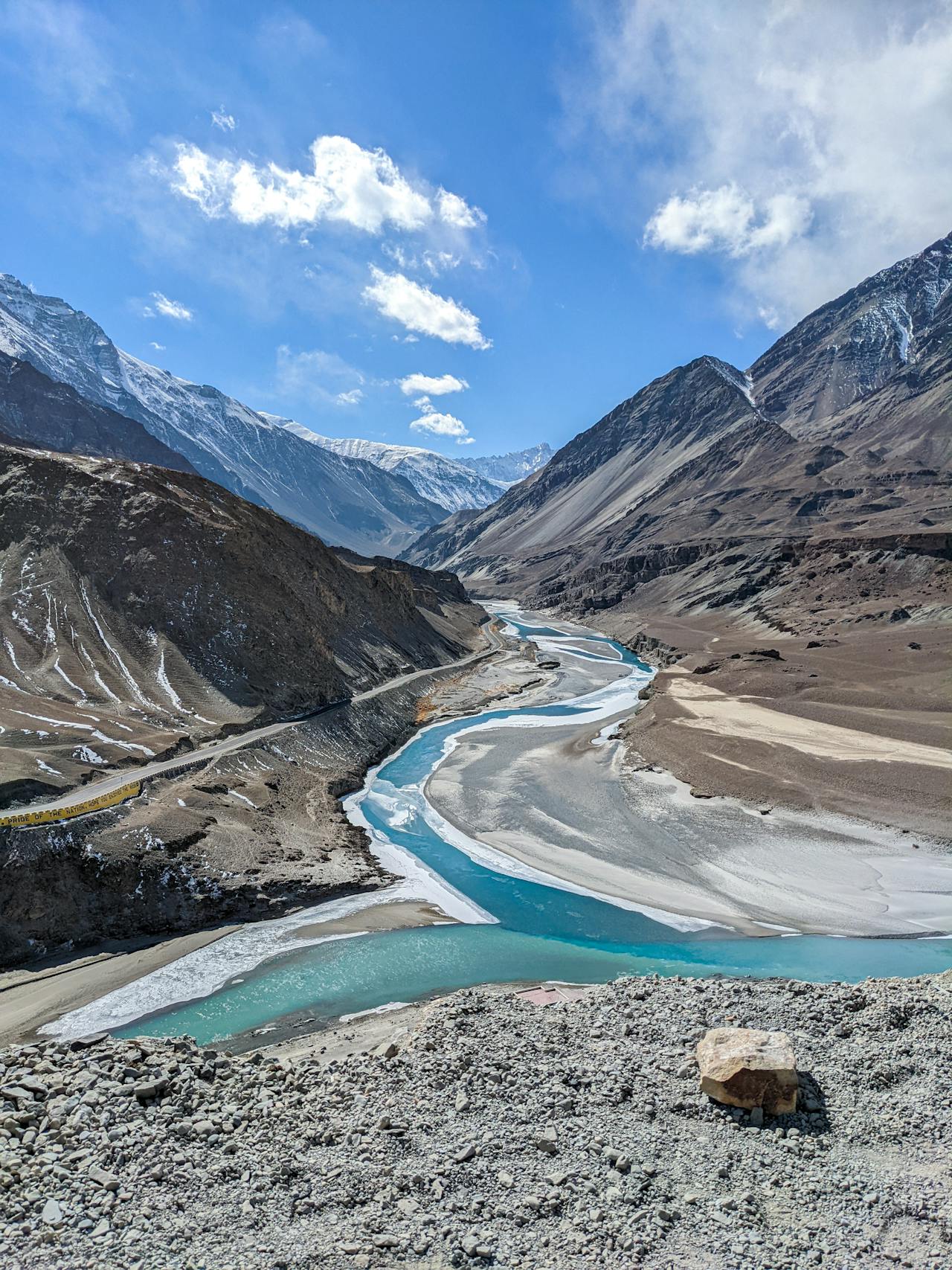
Spiti (sPyi-ti — 'the Middle Land' in Tibetan) is a cold desert mountain valley in the northeast of Himachal Pradesh, India, at 3,600–4,200 m elevation on the edge of the Tibetan Plateau. The valley is carved by the Spiti River — a tributary of the Sutlej — through 180 km of some of the world's most extreme erosion: the valley walls are composed of ancient Tethys Sea sediments, uplifted 50 million years ago by the collision of the Indian and Eurasian tectonic plates, and subsequently carved by glacial and fluvial action into extraordinary badland formations of brown, ochre, and grey. The landscape is often described as 'lunar' — bare rock, minimal vegetation, vast scale, and a clarity of air at 4,000 m that sharpens every edge. Within this apparent desolation, ancient Buddhist monasteries — Ki (Key) Gompa, Dhankar, Tabo — perch on clifftops and ridges at positions of strategic and spiritual significance, some dating to the 10th–11th century and still inhabited by working monastic communities. Spiti is one of India's most isolated valleys — accessible by two mountain roads both of which are closed by snow for 4–6 months annually.
🌍 Geography and Ecosystem
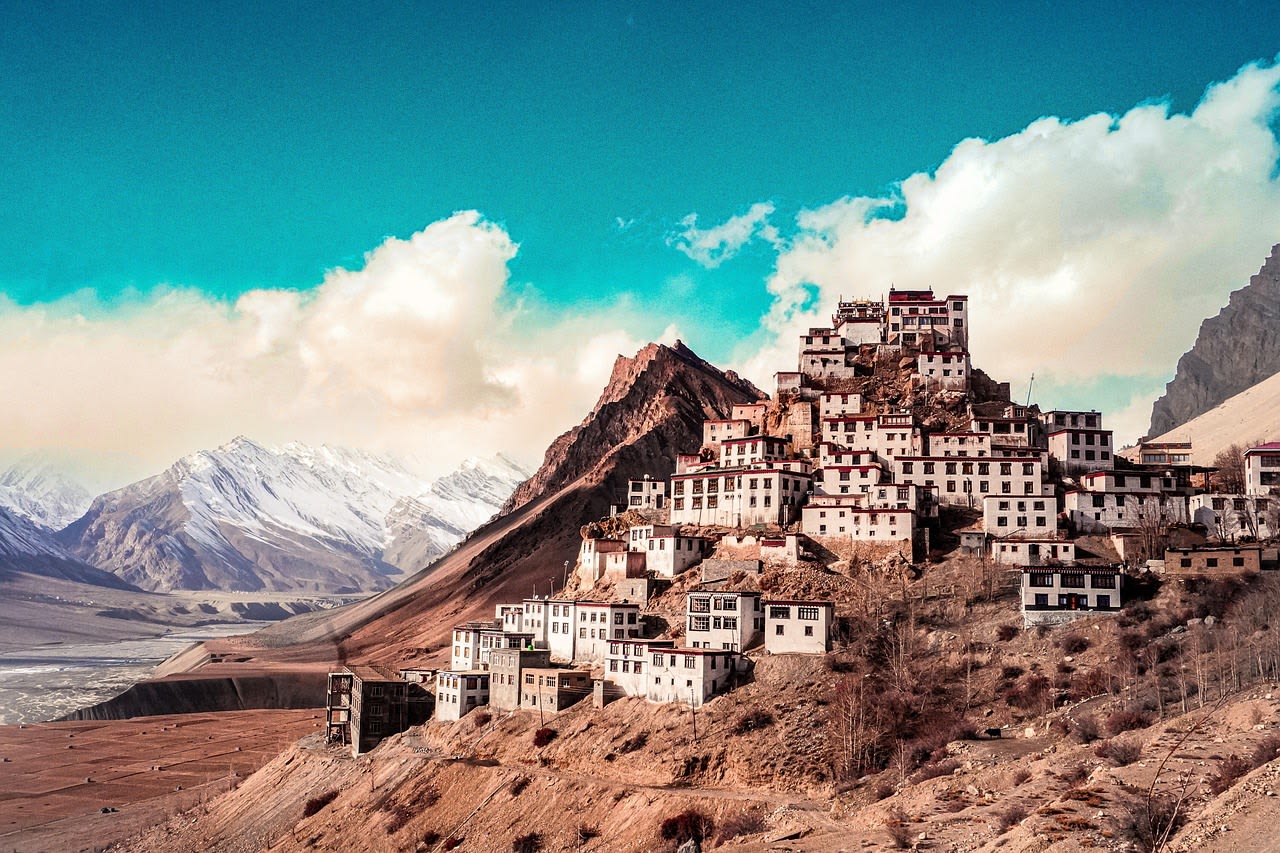
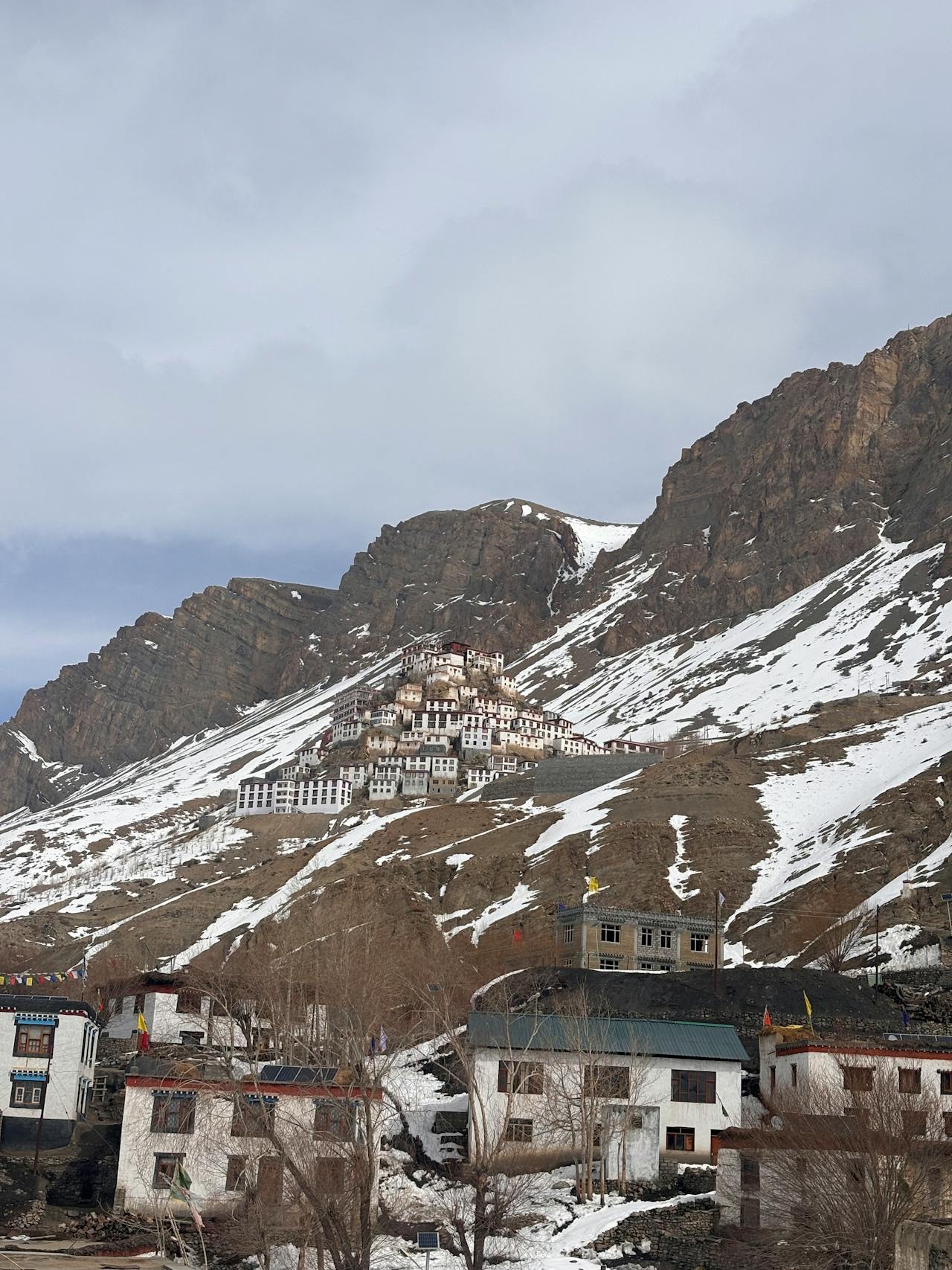
- Ki Monastery (Key Gompa): Perched on a conical hill at 4,166 m above the Spiti River, Ki is the largest monastery in the Spiti Valley — a labyrinthine complex of white-walled buildings that has been built, destroyed (by Mongol raids and earthquakes), and rebuilt multiple times since its founding in the 11th century. The current complex houses approximately 300 monks of the Gelug school. The position — on a rocky spire above a river bend with the mountains rising on all sides — is one of the most dramatically placed religious buildings in Asia.
- Dhankar Monastery and Lake: At the confluence of the Spiti and Pin Rivers, Dhankar Gompa (11th century) sits on a crumbling ridge of eroded rock above a 1,000-metre drop to the river — one of India's most precariously positioned structures. The mud-and-stone monastery is on the UNESCO endangered heritage list due to erosion of its foundations. A 2-hour walk above Dhankar reaches Dhankar Lake — a small alpine lake at 4,200 m set in a glacial cirque with extraordinary views over the confluence below.
- Tabo Monastery: Founded in 996 AD, Tabo is one of the oldest functioning Buddhist monasteries in the Himalayan region — its mud-brick assembly hall contains 10th-century murals and stucco figures considered to be among the finest examples of Tabo Indo-Tibetan Buddhist art surviving anywhere. The Dalai Lama has visited multiple times and has expressed the wish to retire here. The monastery's ancillary caves in the cliff above the village were meditation chambers used by monks for centuries.
- Pin Valley National Park: The Pin Valley, entering the Spiti River from the east near Attargo, is a slightly greener side valley with a grassland and alpine meadow ecosystem supporting the highest concentration of snow leopard in Himachal Pradesh (estimated 8–12 individuals in the park), large herds of Himalayan ibex, the Tibetan wolf, and high-altitude birds including the golden eagle and Tibetan snowcock. The park is accessible for trekking June–September.
📜 History and Cultural Significance
Spiti was closed to foreign visitors until 1992 under the Inner Line Permit system that applied to border areas — the valley's proximity to Tibet made it a restricted zone throughout the Cold War and 1962 Sino-Indian War period. The opening of the Manali–Leh road in 1989 and the relaxation of Inner Line restrictions in the 1990s gradually opened the valley to tourism, which has grown from a handful of adventurous travellers in the 1990s to several thousand per season today — still small by Indian tourism standards, but transformative for a valley of 12,000 inhabitants.
🏃 Activities and Attractions
- Monastery Visits and Monk Interactions: The monasteries of Spiti — Ki, Dhankar, Tabo, and the smaller Kungri Gompa — are working religious communities rather than museums. Arriving at Ki Gompa at dawn for the morning prayer, spending time with monks in the kitchen, and being invited to observe ceremonies creates encounters impossible in more visited religious sites. Basic homestay accommodation is available near most monasteries, making overnight stays in monastic communities a genuine option.
- Fossil Hunting in the Valley Walls: The Tethys Himalaya sediments exposed in the Spiti Valley walls are world-class fossil sites — ammonites of 150+ million years are found in the black shale formations, and the hamlet of Langza (4,400 m) is known for the ammonite fossils that surface-erode from the hillsides around the village. The fossils are abundant enough to find without specialist knowledge — guided fossil walks from Langza village are offered by local homestay operators.
- Pin Valley Snow Leopard Trek: A 5–7 day trek into Pin Valley National Park with licensed guides and local homestay accommodation, searching for snow leopard, ibex, and Tibetan wolf in the high alpine habitat. The trek crosses passes above 5,000 m and is physically demanding, but Pin Valley has one of the better success rates for snow leopard sightings in India outside Hemis. Best June–September for ibex herds in summer pastures; best November–March for snow leopard when prey concentrates at lower elevations.
- Dhankar Lake Hike: The 2-hour walk from Dhankar Monastery to Dhankar Lake (4,200 m) is one of Spiti's finest short hikes — crossing the eroded ridge above the monastery, ascending through scree and alpine meadow, and arriving at a small glacial lake with a 270° panorama of the Spiti and Pin valley confluence 1,000 m below. The view from the lake back over the monastery on its crumbling ridge is one of the most dramatic perspectives in the Himalayas.
- Village Homestay and Nomadic Community: Spiti's homesteads — traditional stone-and-mud houses built for extreme winter temperatures, with flat roofs loaded with winter fodder, livestock on the ground floor for heating, and prayer rooms painted with thangka-style murals — are a complete cultural world accessible only by staying overnight with families. Spiti Ecosphere and local homestay networks connect visitors to village families in Ki, Kibber, Langza, and Hikkim (home of the world's highest post office at 4,400 m).
💡 Travel Tips
Best Season: June–October. July–August gives the warmest temperatures and all passes open. September is ideal — cooler, less dust, crowds beginning to thin. October brings early snowfall; the Kunzum Pass closes typically in late October. November–May the valley is snowbound — locals live on stored provisions and the road is closed. Altitude acclimatisation is required (Kaza is at 3,800 m) — spend the first day resting and drinking water.
Accommodation: Kaza has the most options including hotels and guesthouses. Village homestays throughout the valley provide the most authentic experience — per-night costs are low (600–1,500 INR including meals) and the income directly supports families. Advance booking is essential in July–August when Spiti is at peak capacity.
🌱 Conservation
The Snow Leopard Conservancy India Trust operates extensively in Spiti, running a homestay certification programme that ties accommodation quality standards to community conservation commitments — homestay operators are incentivised to report snow leopard sightings and protect the leopards that attract wildlife tourists to the valley. Pin Valley National Park's small area (675 km²) and limited ranger capacity mean that poaching of Himalayan ibex — the snow leopard's primary prey — remains a conservation concern; the park's effectiveness depends heavily on community stewardship by the villages bordering it.