Rann Of Kutch
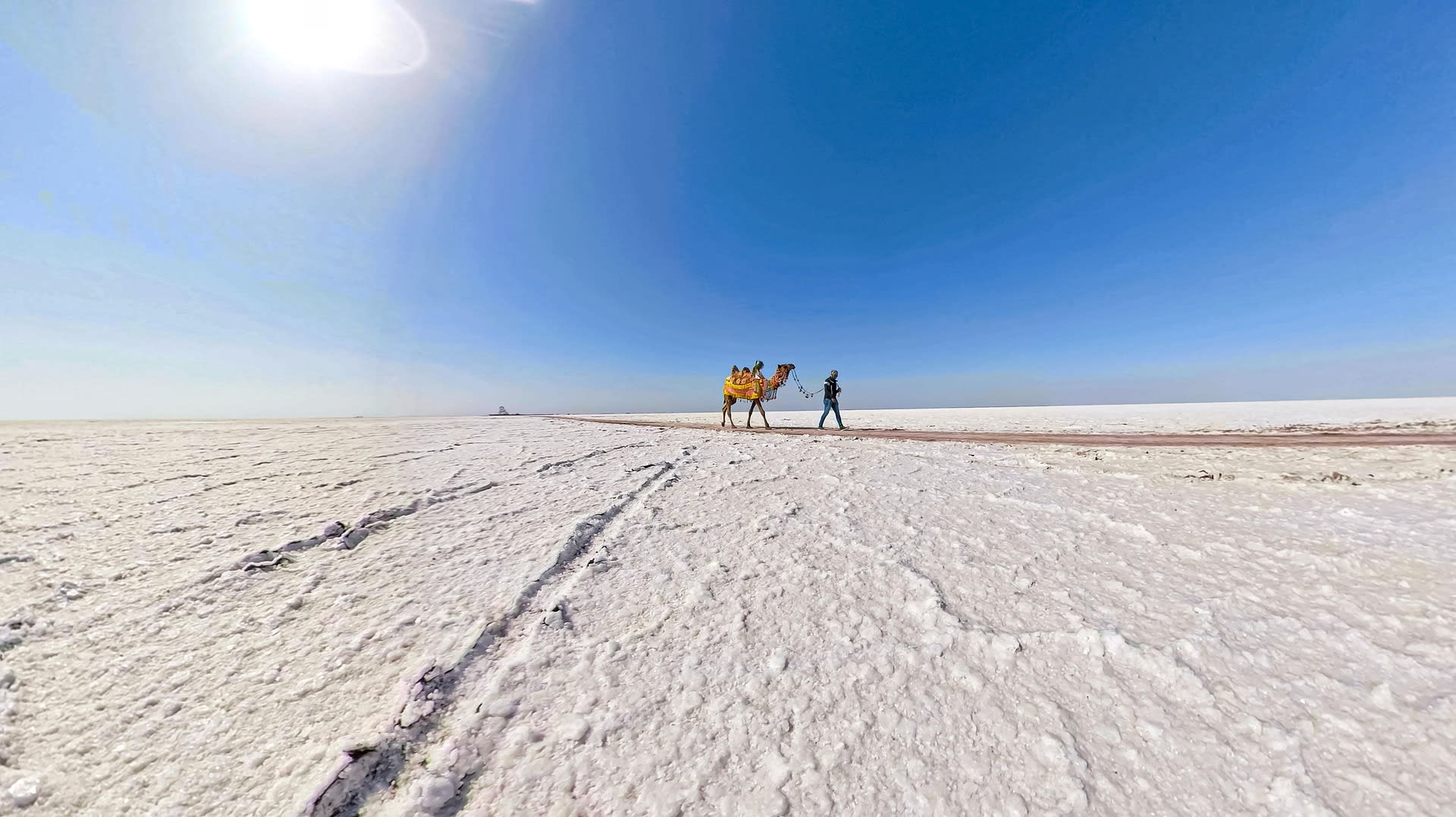
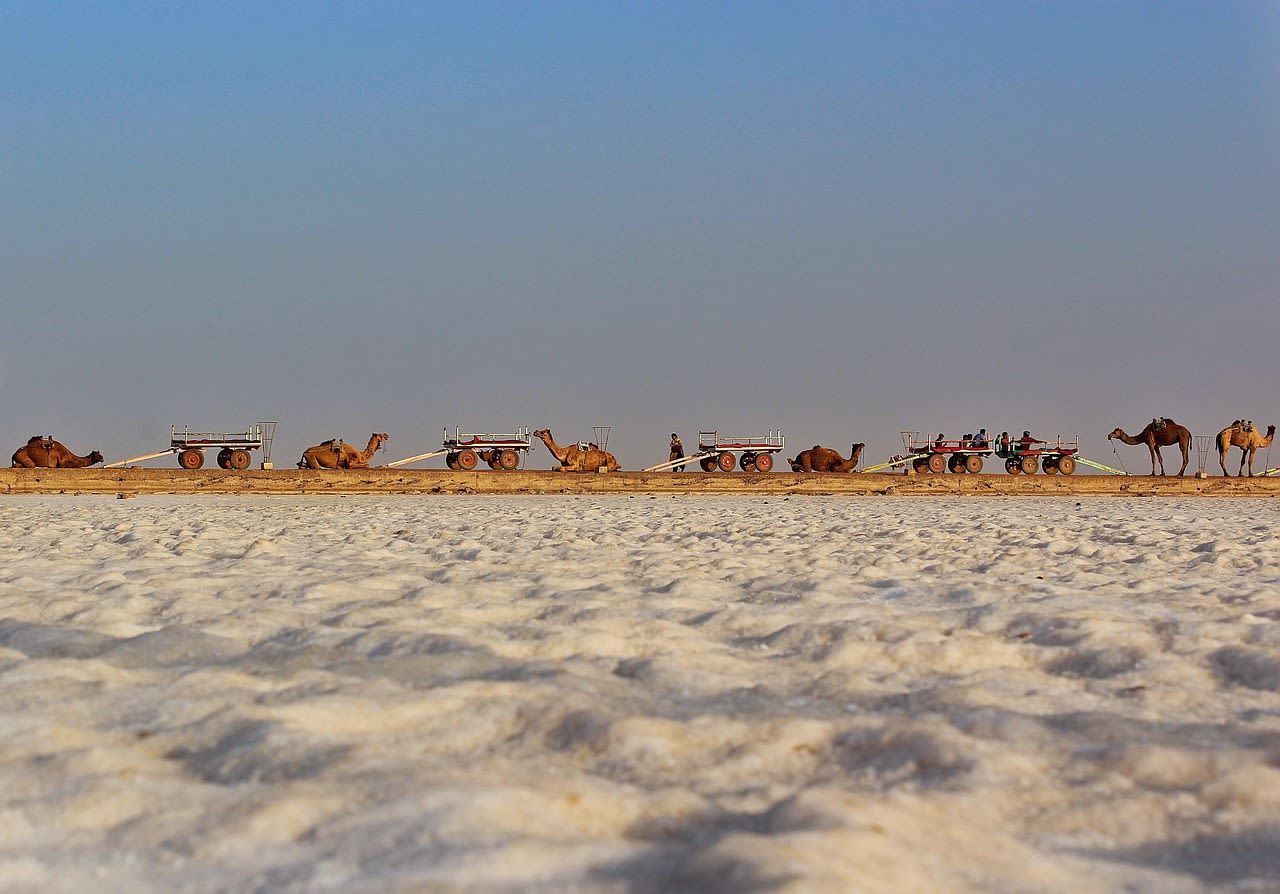
Rann of Kutch is a vast salt marsh located in the Thar Desert in the Kutch district of the Indian state of Gujarat. Covering an area of about 7,500 square kilometers, it is one of the largest salt deserts in the world. The region is divided into two main parts: the Great Rann of Kutch and the Little Rann of Kutch. It is renowned for its unique landscape and cultural heritage.
🌍 Geography and Ecosystem
Rann Of Kutch encompasses a diverse landscape with various fascinating features:
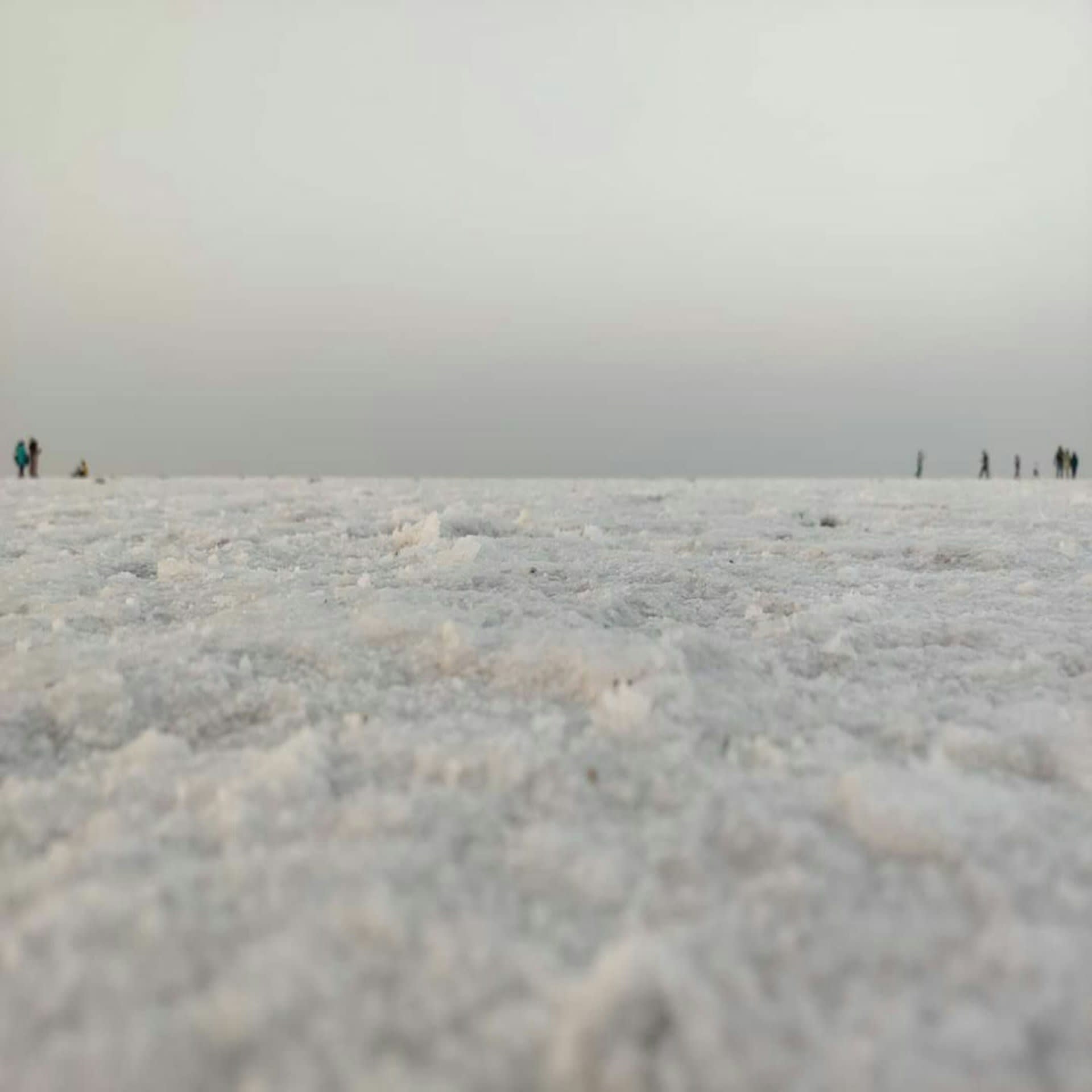
- Great Rann of Kutch: A vast expanse of shimmering white salt desert that stretches as far as the eye can see, especially breathtaking under the moonlight.
- Little Rann of Kutch: Known for its unique wetlands and as the only habitat of the endangered Indian wild ass, locally called 'ghudkhar'.
- Flora and Fauna: Despite its arid nature, the region supports flamingos, pelicans, desert foxes, and migratory birds, making it a paradise for wildlife lovers.
- Seasonal Transformation: During monsoon, much of the Rann floods, creating temporary wetlands that sustain a variety of life forms.
- Cultural Landscape: Surrounding villages add to the ecosystem with their traditional crafts, mud huts, and colorful lifestyles that blend with the desert environment.
📜 History and Cultural Significance
The Rann of Kutch has a rich history dating back thousands of years. It is believed to have been an extension of the Arabian Sea, which receded over time, leaving behind the salt marsh. The region is culturally significant to the local communities, with many artisans creating intricate handicrafts like embroidery and pottery. The annual Rann Utsav festival showcases the vibrant culture of the region, attracting tourists from around the world.
🏃 Activities and Attractions
Rann Of Kutch offers a wide range of activities for visitors of all interests and skill levels. Whether you're a seasoned adventurer or simply looking to enjoy the natural beauty, there's something for everyone:
- Rann Utsav Festival: Experience the cultural extravaganza with folk dances, music, handicrafts, and local cuisine under the full moon sky.
- Wildlife Safaris: Explore the Little Rann of Kutch on jeep safaris to spot the Indian wild ass, migratory birds, and unique desert wildlife.
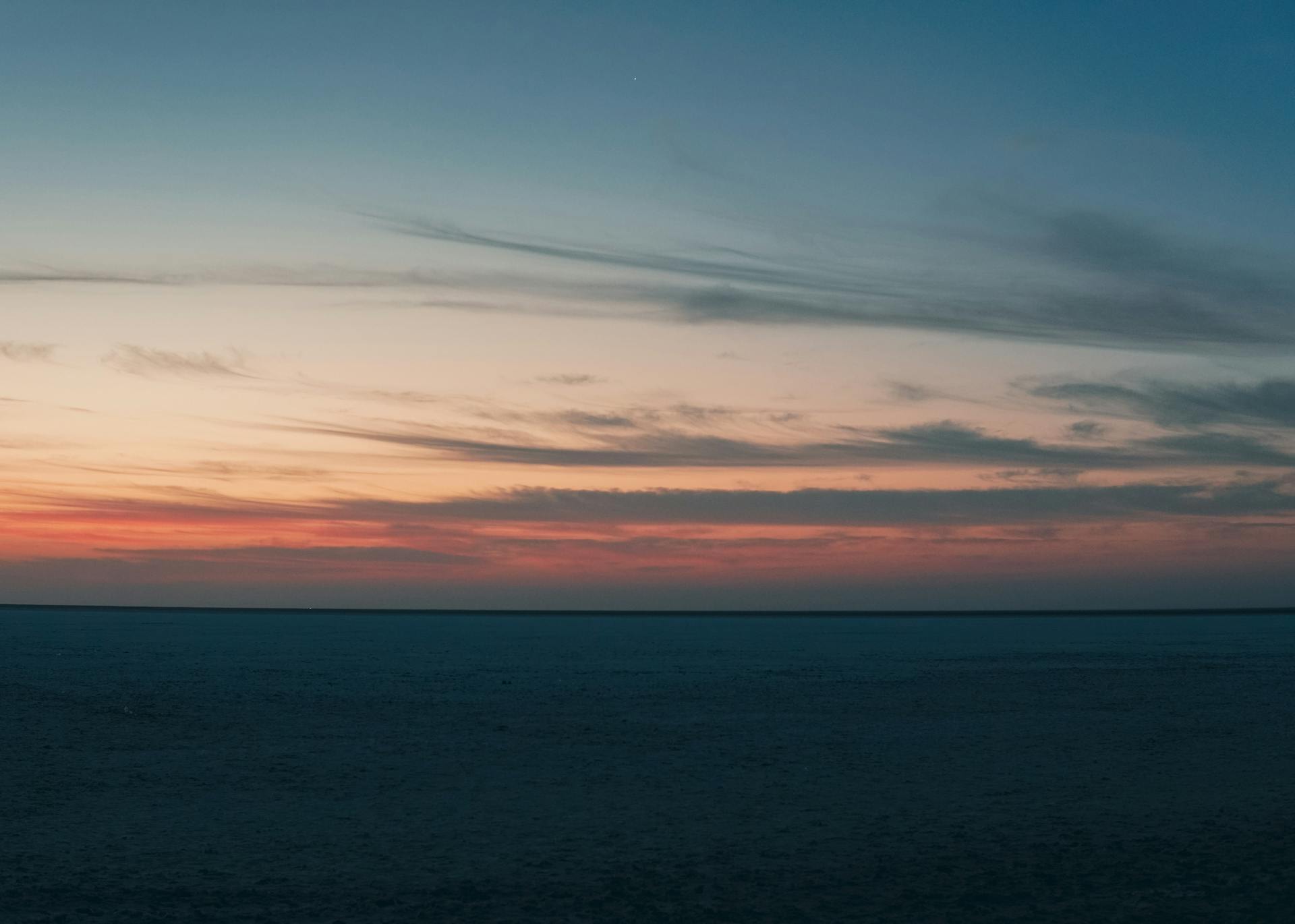
- Photography: Capture the surreal salt desert landscapes, especially during sunrise, sunset, and full moon nights.
- Village Tours: Visit nearby artisan villages to witness traditional embroidery, mirror work, and pottery making.
- Stargazing: With minimal light pollution, the Rann offers spectacular views of the night sky, perfect for astronomy enthusiasts.
💡 Travel Tips
Best Time to Visit: The best time to visit the Rann of Kutch is during the winter months, from November to February, when the weather is pleasant.
What to Bring: Visitors should pack sunscreen, sunglasses, comfortable clothing, and sturdy footwear for exploring the salt flats.
How to Get There: The nearest airport is Bhuj, from where you can hire a taxi or take a bus to reach the Rann of Kutch.
Accommodation Options: There are various resorts and tented camps available for tourists looking to stay near the salt desert.
🌱 Conservation
Preservation efforts in the Rann of Kutch focus on maintaining the fragile ecosystem of the salt marsh and protecting the wildlife that inhabits the region. Visitors are encouraged to follow environmental guidelines such as not littering and respecting the natural surroundings. Conservation organizations work towards raising awareness about the importance of preserving the unique biodiversity of the area.
✨ Conclusion
The Rann of Kutch is a mesmerizing destination that offers a blend of natural beauty, cultural richness, and unique experiences. From the shimmering salt flats to the vibrant traditions of the local communities, this region captivates visitors with its ethereal charm. A visit to the Rann of Kutch is a journey into a world unlike any other, making it a must-see destination for travelers seeking adventure and cultural immersion.