Guanaja Island
Guanaja Island, part of the Honduran Bay Islands, is a serene Caribbean destination celebrated for its unspoiled natural beauty and peaceful atmosphere. Far less developed than its neighboring islands, Guanaja invites travelers to disconnect from the fast pace of modern life and immerse themselves in a world of tropical forests, coral reefs, and warm island hospitality. Whether you're seeking adventure beneath the sea or relaxation in a quiet cove, Guanaja offers a truly authentic island experience.
🌍 Geography and Ecosystem
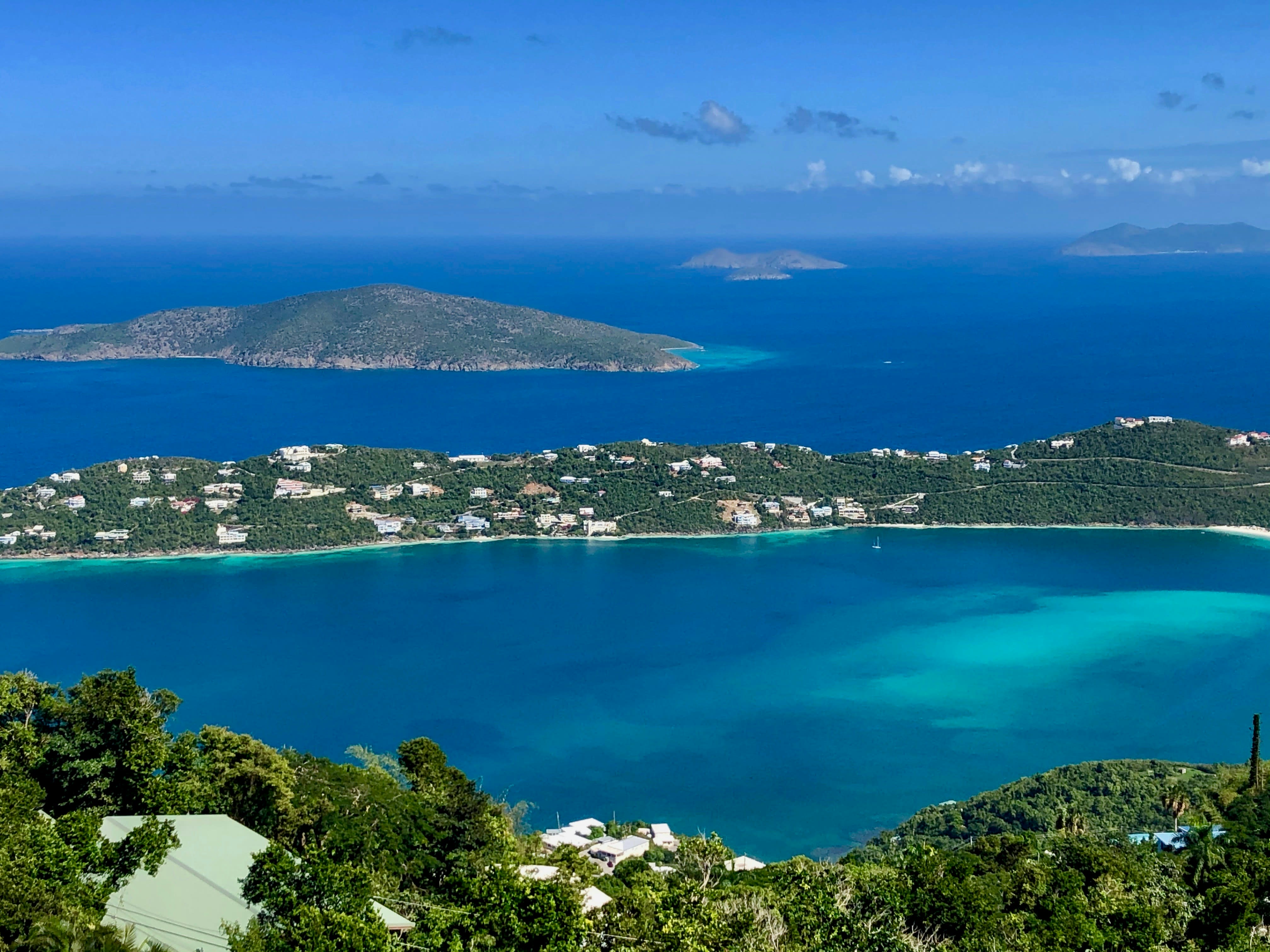
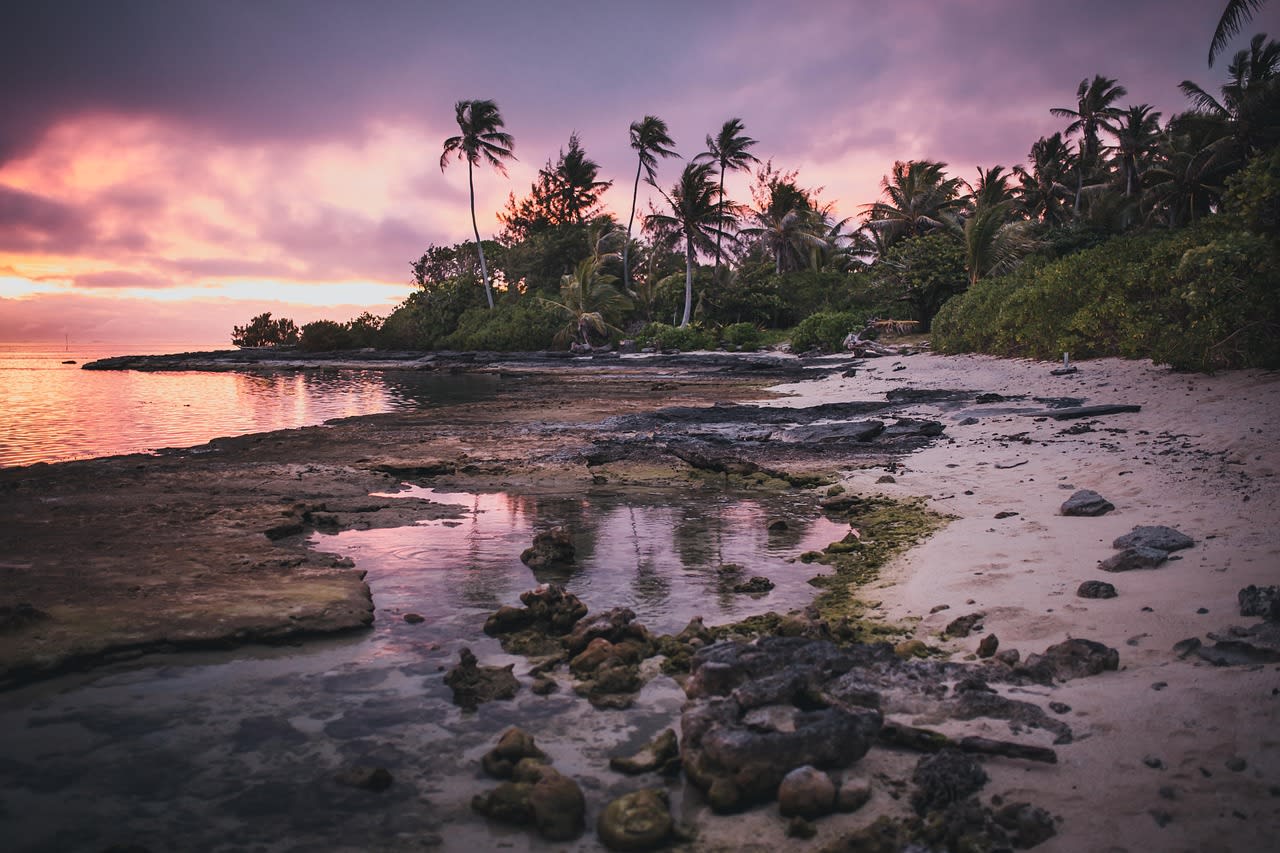
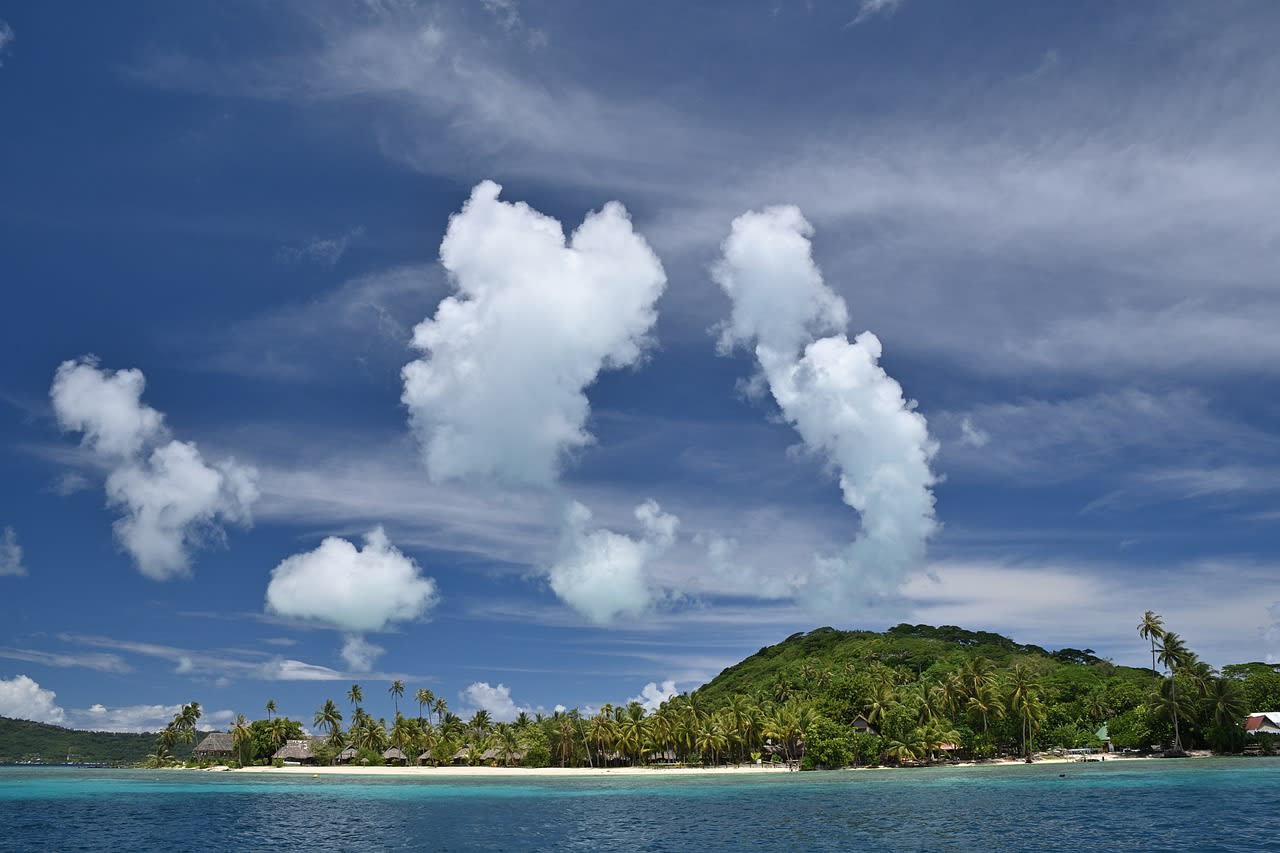
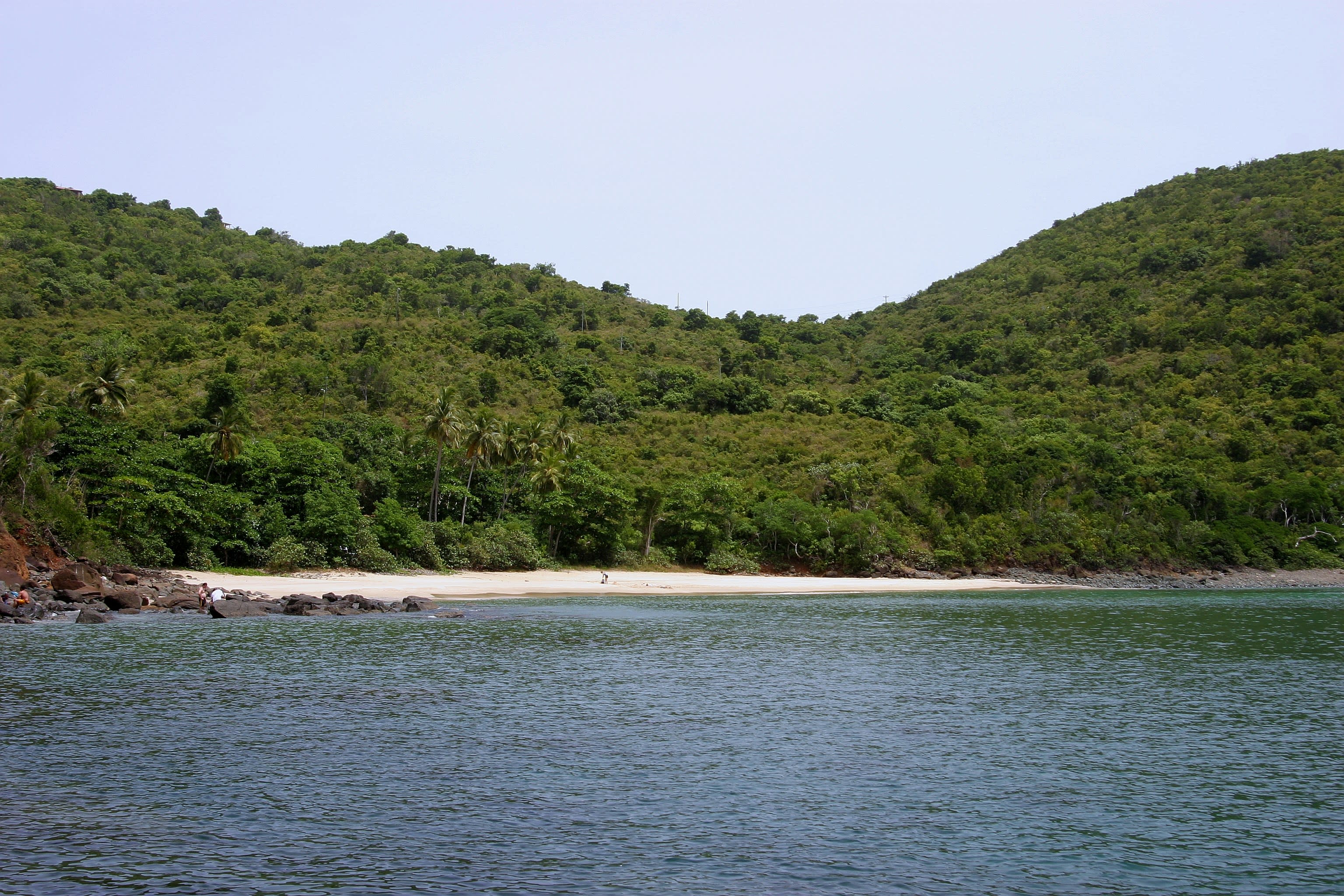
Guanaja Island is located in the Caribbean Sea off the northern coast of Honduras and is part of the Mesoamerican Barrier Reef System. The island’s topography is diverse, ranging from mountainous interior landscapes to lush rainforests and flat coastal areas fringed by coral reefs. Its highest peak rises to over 400 meters, offering spectacular views of the surrounding sea. The coastal waters are crystal-clear, sheltering vibrant coral ecosystems teeming with marine life, while the forested inland areas are home to exotic birds, tropical flora, and hidden waterfalls. This ecological diversity makes Guanaja a key area for both marine and terrestrial conservation.
📜 History and Cultural Significance
Guanaja has a deep and layered history that reflects the broader cultural evolution of the Bay Islands. Originally inhabited by the indigenous Paya people, the island was one of the first landing points of Christopher Columbus in 1502 during his fourth voyage. Over the centuries, Guanaja became a haven for pirates and traders and later developed into a fishing and agricultural community with strong Afro-Caribbean influences. Today, the island's culture is a vibrant blend of indigenous roots, colonial history, and Caribbean rhythms, reflected in its music, language, and traditional crafts. Despite modern influences, many residents still practice age-old customs, keeping their heritage alive and vibrant.
🏃 Activities and Attractions
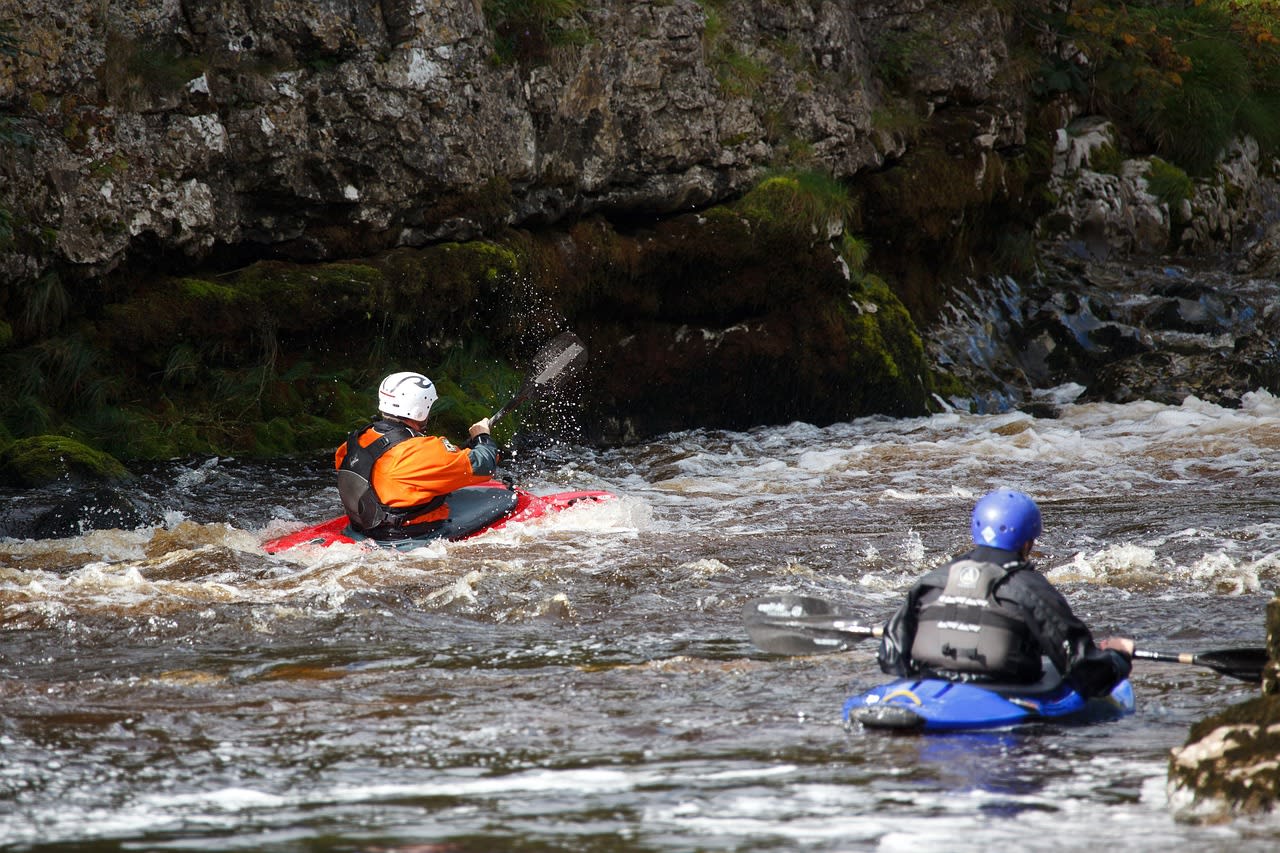
Guanaja Island offers a range of activities that highlight its natural beauty and tranquil charm. Adventurers can explore the dense forest trails leading to cascading waterfalls or hike to elevated lookouts that reveal sweeping vistas of the Caribbean Sea. The island’s coral reefs are among the healthiest in the region, providing incredible opportunities for snorkeling and scuba diving with colorful fish, sea turtles, and intricate coral structures. Kayaking and paddleboarding through quiet mangrove channels allow visitors to enjoy the peaceful rhythms of island life. For those seeking cultural connection, small local communities welcome travelers to experience traditional cuisine, artisan crafts, and laid-back island hospitality.
💡 Travel Tips
Travelers heading to Guanaja Island should be prepared for a rustic and off-the-beaten-path experience. There are no cars on the island, so transportation is done primarily by boat or on foot. It's advisable to bring essentials such as insect repellent, sunscreen, and sturdy walking shoes, especially for forest or coastal exploration. Cash is important, as ATM access is very limited, and many small vendors do not accept credit cards. Travelers should also bring any necessary medications and toiletries, as shops are few and supplies can be limited. Respecting local customs and being environmentally conscious—like reducing plastic use and supporting local guides—can greatly enhance the experience while promoting sustainable tourism on the island.
🌱 Conservation
Preserving the natural beauty and ecological balance of Guanaja Island is a top priority for both residents and environmental organizations. The coral reefs that surround the island are part of one of the world’s most important marine ecosystems, making them highly vulnerable to climate change, pollution, and unsustainable tourism. Efforts are underway to promote reef conservation through marine protected areas, educational programs, and community-led reef monitoring. On land, reforestation and watershed protection projects aim to preserve the island’s forests and prevent erosion. Visitors play a vital role in conservation by following eco-friendly practices, avoiding contact with coral, minimizing waste, and supporting local initiatives that prioritize the health of the environment and its communities.
✨ Conclusion
Guanaja Island is a Caribbean sanctuary where natural splendor and cultural heritage coexist in harmony. Its untouched reefs, lush forests, and welcoming communities create a travel experience that is both enriching and inspiring. Whether diving into the turquoise waters or learning about the island’s storied past, visitors to Guanaja find themselves immersed in a world where sustainability and serenity go hand in hand. It is a destination not just to explore, but to respect and preserve for generations to come.