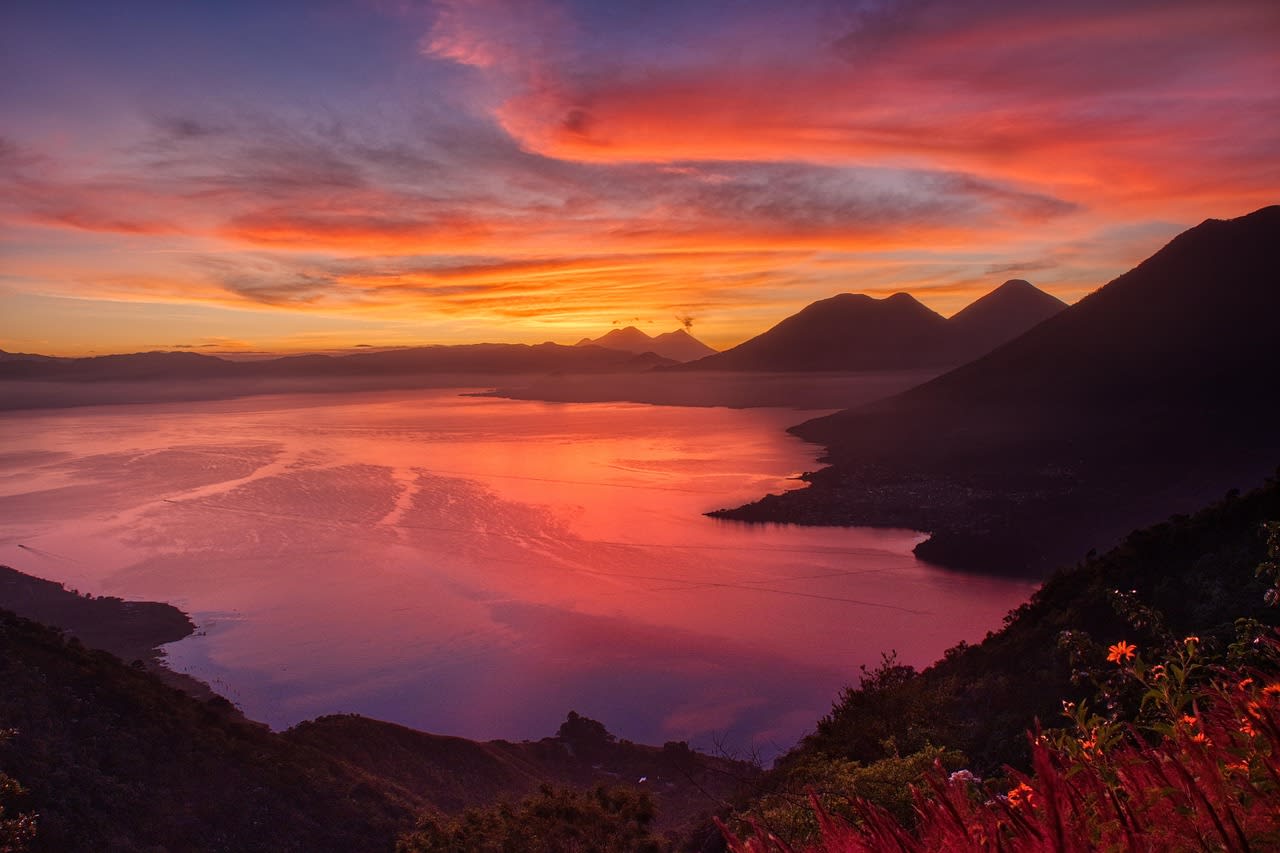


Tikal National Park
Tikal National Park is a UNESCO World Heritage Site located in the northern region of Guatemala. It is one of the most significant archaeological sites of the ancient Maya civilization, featuring towering temples, grand plazas, and intricate stone carvings that date back over a thousand years. Surrounded by dense jungle, the park not only preserves remarkable historical structures but also hosts a rich ecosystem filled with wildlife such as toucans, monkeys, and jaguars.
🌍 Geography and Ecosystem
Tikal National Park is located in the Petén region of northern Guatemala, nestled within the vast lowland jungles of the Maya Biosphere Reserve. The landscape is defined by a tropical rainforest ecosystem, interspersed with savannas, wetlands, and limestone hills. This environment creates the perfect setting for the ancient Maya city, where massive stone structures emerge dramatically from the jungle canopy.
The region experiences a humid, tropical climate with distinct wet and dry seasons. Rainfall supports the dense vegetation, which in turn provides habitat for a rich variety of wildlife. The park’s geography not only played a crucial role in the development of ancient Maya society but continues to be vital for conservation efforts today.
The region experiences a humid, tropical climate with distinct wet and dry seasons. Rainfall supports the dense vegetation, which in turn provides habitat for a rich variety of wildlife. The park’s geography not only played a crucial role in the development of ancient Maya society but continues to be vital for conservation efforts today.
- Tikal National Park covers an area of more than 200 square miles, primarily consisting of dense tropical rainforest that is home to a diverse range of plant and animal species. The park is situated in the heart of the Maya Biosphere Reserve, showcasing unique flora and fauna. The park's prominent feature is its towering limestone structures, such as the iconic Temple of the Great Jaguar, rising above the canopy.
- - The park is part of the Maya Forest, one of the largest remaining tropical forests in the Americas, shared by Guatemala, Mexico, and Belize.
- - The terrain includes seasonal wetlands and karst limestone formations that influenced Maya construction and agriculture.
- - Wildlife in the park includes howler monkeys, spider monkeys, coatis, toucans, and even elusive jaguars and ocelots.
- - Over 300 species of birds have been recorded in the area, making it a prime destination for birdwatching enthusiasts.
- - The jungle canopy reaches impressive heights, with ceiba, mahogany, and sapodilla trees dominating the landscape.
📜 History and Cultural Significance
Tikal was one of the most powerful and influential city-states of the ancient Maya civilization, with its peak during the Classic Period (circa 250–900 AD). The site served as a political, economic, and religious center, home to tens of thousands of people and rivaling other major cities like Calakmul and Caracol.
Tikal’s rulers built monumental architecture, including towering pyramids, palaces, and ball courts, many of which still stand today as a testament to Maya ingenuity. Hieroglyphic inscriptions found throughout the site reveal complex dynastic histories, alliances, wars, and religious rituals that were central to Maya cosmology and society.
Rediscovered by explorers in the 19th century and excavated throughout the 20th century, Tikal has since become a symbol of Guatemalan heritage and pride. Its designation as a UNESCO World Heritage Site in 1979 underscores its global importance not only as an archaeological treasure but also as a cultural landmark deeply connected to modern Maya identity.
Tikal’s rulers built monumental architecture, including towering pyramids, palaces, and ball courts, many of which still stand today as a testament to Maya ingenuity. Hieroglyphic inscriptions found throughout the site reveal complex dynastic histories, alliances, wars, and religious rituals that were central to Maya cosmology and society.
Rediscovered by explorers in the 19th century and excavated throughout the 20th century, Tikal has since become a symbol of Guatemalan heritage and pride. Its designation as a UNESCO World Heritage Site in 1979 underscores its global importance not only as an archaeological treasure but also as a cultural landmark deeply connected to modern Maya identity.
🏃 Activities and Attractions
TVisitors to Tikal National Park can immerse themselves in a range of activities that blend history, culture, and nature. Exploring the ancient ruins is a must-do experience, with highlights including the Great Plaza, Central Acropolis, and Temple IV offering panoramic views of the surrounding landscape. Guided tours provide insights into Maya history and architecture, while birdwatching excursions allow visitors to spot toucans, parrots, and other exotic species. Trekking through the jungle trails offers opportunities to encounter wildlife such as howler monkeys and coatis, creating memorable moments in the heart of the rainforest.
- - Guided tours of the archaeological sites, led by knowledgeable local guides who offer historical context and insights into Maya culture.
- - Birdwatching excursions to spot a variety of colorful bird species in their natural habitat, including toucans, parrots, and the iconic ocellated turkey.
- Jungle treks along the park's network of trails, providing close encounters with wildlife such as howler monkeys, spider monkeys, and armadillos.- - Sunset tours to witness the ancient ruins bathed in the golden hues of dusk, creating a magical ambiance amidst the jungle setting.
- - Stargazing experiences to marvel at the night sky above Tikal, where the Maya's astronomical knowledge comes to life through celestial observations.
💡
When visiting Tikal National Park, it is advisable to wear comfortable clothing and sturdy shoes suitable for walking on uneven terrain. Bringing insect repellent and sunscreen is essential due to the park's tropical climate. Visitors should carry sufficient water and snacks for the duration of their exploration, as facilities within the park are limited. Engaging with local guides is highly recommended to gain a deeper understanding of the site's history and significance. Additionally, respecting the natural environment and wildlife by following park rules and guidelines is crucial for preserving this cultural and ecological treasure.
🌱 Conservation
Tikal National Park plays a vital role in both cultural heritage preservation and environmental conservation. As part of the Maya Biosphere Reserve, it helps protect one of the largest remaining tropical forests in Central America. However, the park faces ongoing threats such as illegal logging, poaching, and encroachment by agriculture and settlement.
Guatemalan authorities, in collaboration with international organizations and local communities, have implemented conservation initiatives aimed at preserving the archaeological structures and the biodiversity of the area. These efforts include sustainable tourism practices, wildlife monitoring, reforestation, and educational programs for visitors and residents.
Responsible tourism is key to the park’s future. Visitors are encouraged to respect park rules, stay on designated paths, avoid disturbing wildlife, and support conservation-friendly businesses. By doing so, they help ensure that Tikal continues to inspire and educate for generations to come.
Guatemalan authorities, in collaboration with international organizations and local communities, have implemented conservation initiatives aimed at preserving the archaeological structures and the biodiversity of the area. These efforts include sustainable tourism practices, wildlife monitoring, reforestation, and educational programs for visitors and residents.
Responsible tourism is key to the park’s future. Visitors are encouraged to respect park rules, stay on designated paths, avoid disturbing wildlife, and support conservation-friendly businesses. By doing so, they help ensure that Tikal continues to inspire and educate for generations to come.
✨ Conclusion
Tikal National Park stands as a breathtaking fusion of ancient history and vibrant ecology, offering a rare glimpse into the legacy of the Maya civilization within a living tropical forest.
Whether you are drawn by its towering temples, rich biodiversity, or the mystery of its past, Tikal delivers an unforgettable experience. Its preservation is not only a national priority but a global responsibility, reminding us of the deep connections between culture, nature, and humanity’s shared heritage.
By visiting Tikal mindfully and supporting its conservation, travelers become part of the ongoing story of one of the world’s most extraordinary cultural and ecological treasures.
Whether you are drawn by its towering temples, rich biodiversity, or the mystery of its past, Tikal delivers an unforgettable experience. Its preservation is not only a national priority but a global responsibility, reminding us of the deep connections between culture, nature, and humanity’s shared heritage.
By visiting Tikal mindfully and supporting its conservation, travelers become part of the ongoing story of one of the world’s most extraordinary cultural and ecological treasures.