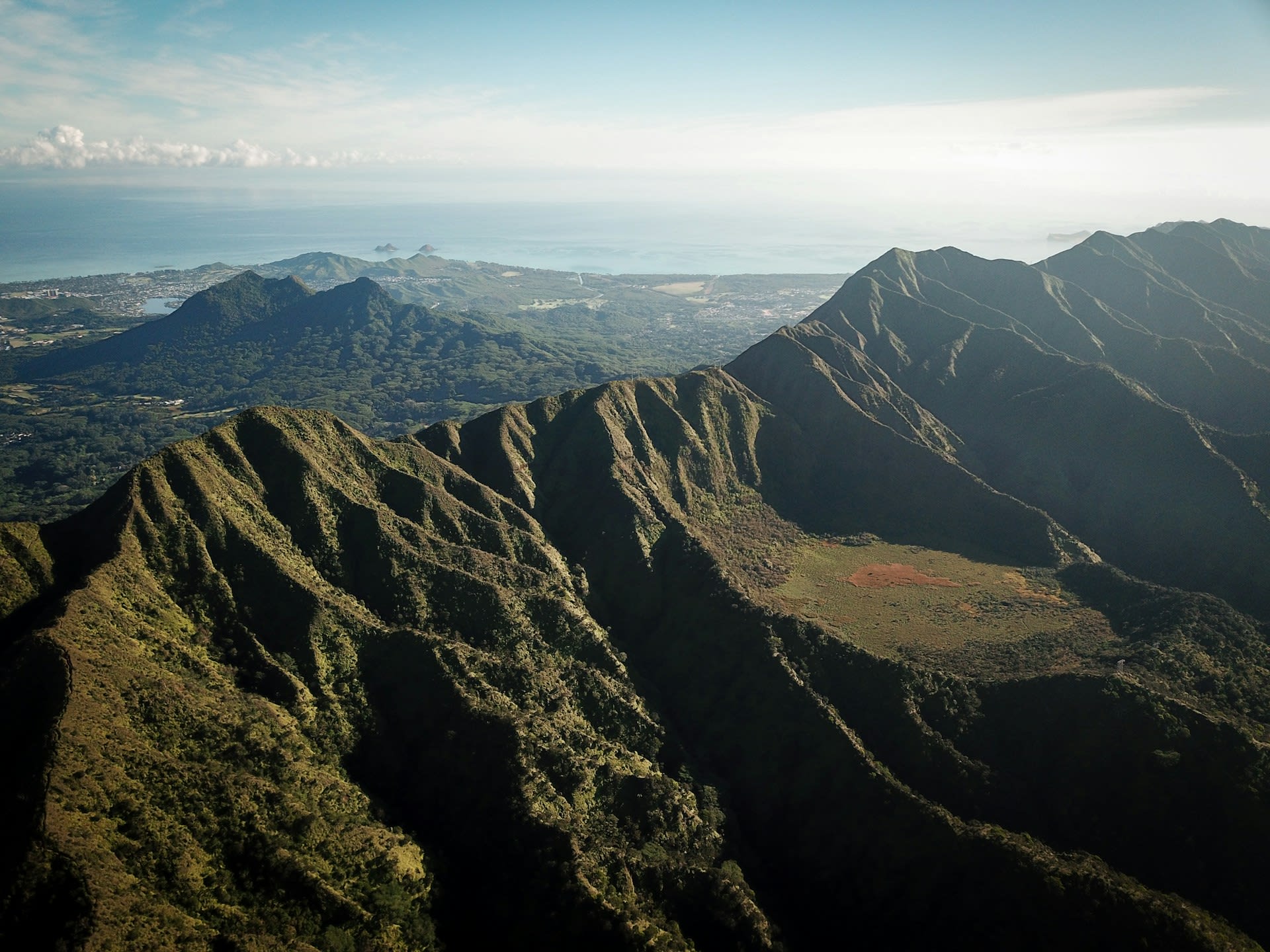
Mount Olympus
Mount Olympus, known as the highest mountain in Greece, rises majestically to a height of 2,917 meters (9,570 feet) above sea level. Located in the Olympus Range in northern Greece, this mythical mountain is steeped in rich history and is often associated with the Greek gods and ancient folklore.
🌍 Geography and Ecosystem
MountOlympus encompasses a diverse landscape with various fascinating features:
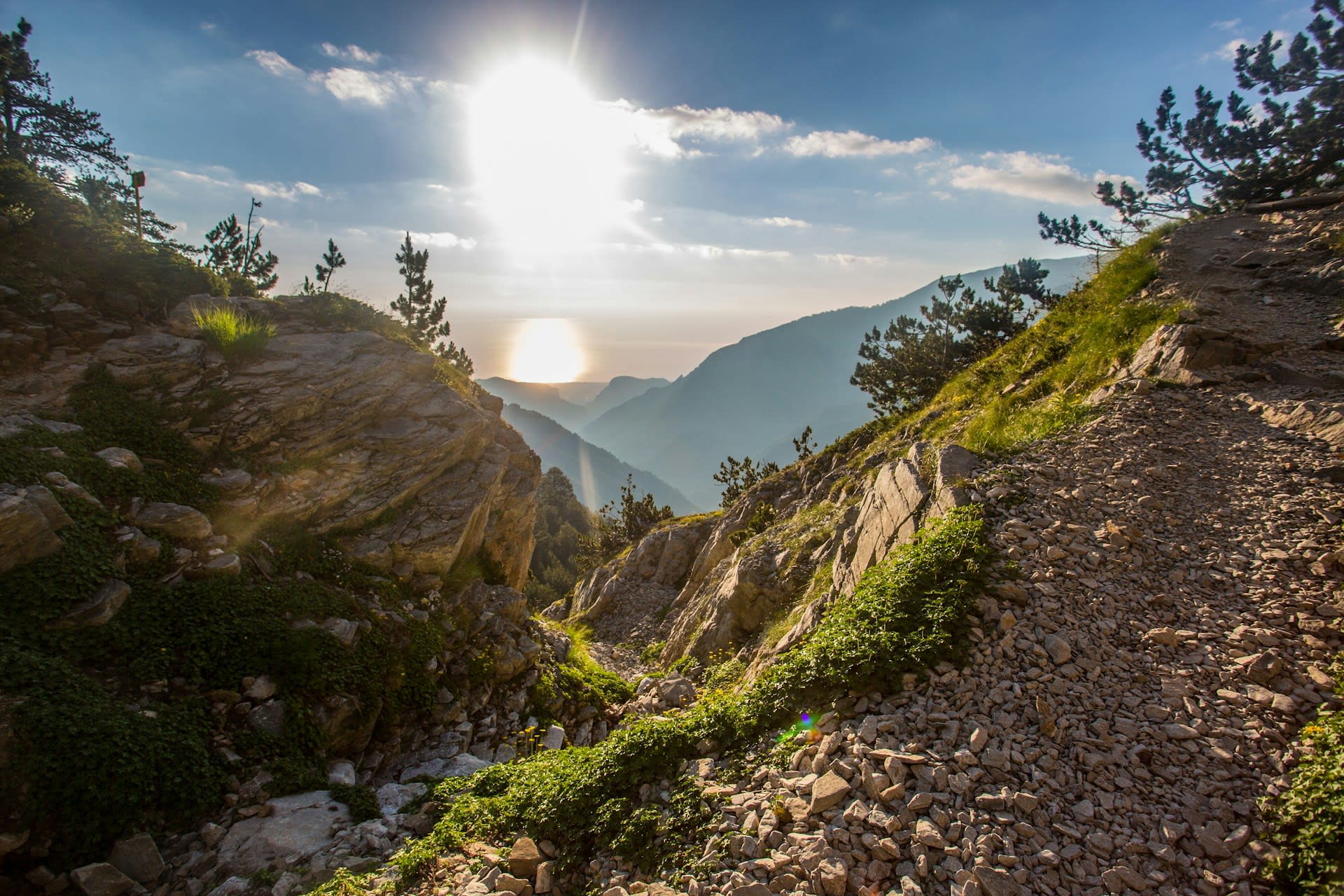
- Ecosystems: The mountain is home to a variety of ecosystems, from Mediterranean vegetation at lower altitudes to subalpine and alpine flora as you ascend higher.
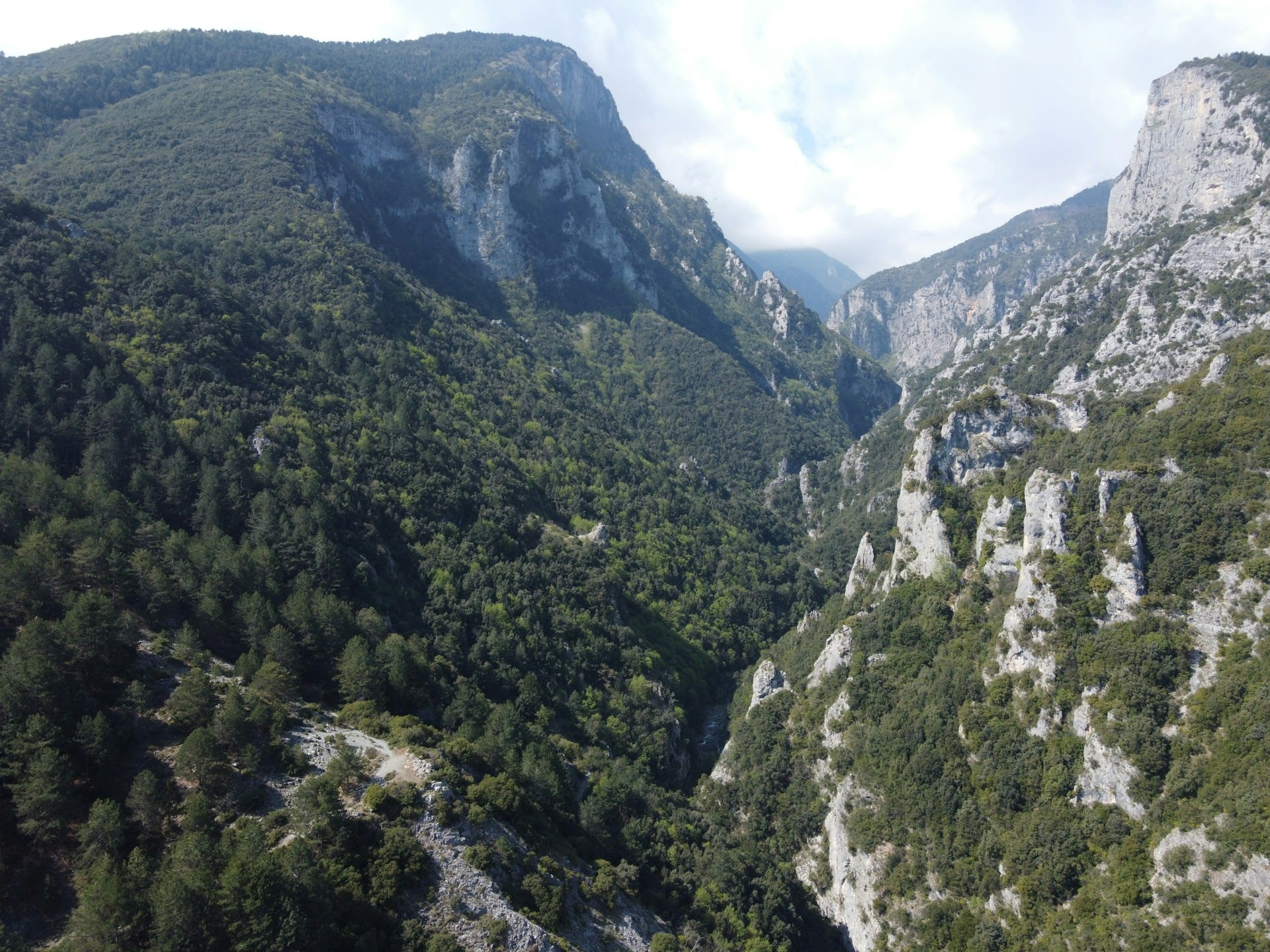
- Rock Formations: The rugged terrain of Mount Olympus features impressive granite peaks, deep gorges, and dramatic cliffs that add to its imposing beauty.
- Geological Aspects: The mountain's geology is characterized by its limestone and dolomite rock formations, with evidence of past glacial activity visible in its U-shaped valleys and cirques.
📜 History and Cultural Significance
Mount Olympus has long held a significant place in Greek mythology, believed to be the dwelling place of the twelve Olympian gods led by Zeus. It has been a place of pilgrimage and inspiration for poets and artists throughout history. The mountain was first climbed in 1913 and has since become a symbol of national pride for Greece.
🏃 Activities and Attractions
Mount Olympus offers a wide range of activities for visitors of all interests and skill levels. Whether you're a seasoned adventurer or simply looking to enjoy the natural beauty, there's something for everyone:
- Hiking: Explore the well-marked trails that lead through forests, past waterfalls, and up to the summits of the mountain.
- Climbing: Experienced climbers can challenge themselves on the rocky peaks and ridges of Mount Olympus.
- Mythology Tours: Discover the myths and legends associated with the mountain on guided tours that delve into its cultural significance.
💡 Travel Tips
Best Time to Visit: The summer months of June to September offer the best weather for hiking and climbing.
What to Bring: Sturdy hiking boots, layers of clothing for changing weather, plenty of water, and a camera to capture the stunning views.
Getting There: Access Mount Olympus from the town of Litochoro, which serves as a gateway to the mountain. Public transportation and guided tours are available.
Accommodation: Stay in mountain refuges or hotels in nearby towns for convenient access to the mountain.
What to Bring: Sturdy hiking boots, layers of clothing for changing weather, plenty of water, and a camera to capture the stunning views.
Getting There: Access Mount Olympus from the town of Litochoro, which serves as a gateway to the mountain. Public transportation and guided tours are available.
Accommodation: Stay in mountain refuges or hotels in nearby towns for convenient access to the mountain.
🌱 Conservation
Efforts are underway to preserve the natural beauty and biodiversity of Mount Olympus.
- Conservation: The Olympus National Park was established in 1938 to protect the mountain's unique ecosystems and cultural heritage.
- Visitor Guidelines: Respect nature by staying on marked trails, carrying out your waste, and avoiding disturbing wildlife.
✨ Conclusion
Mount Olympus stands as a testament to both the natural wonders of Greece and the enduring legacy of ancient mythology. From its rugged peaks to its lush forests, this mountain offers visitors a chance to immerse themselves in history, culture, and the breathtaking beauty of the Greek landscape. A journey to Mount Olympus is a journey through time and legend, making it a destination truly worth exploring.