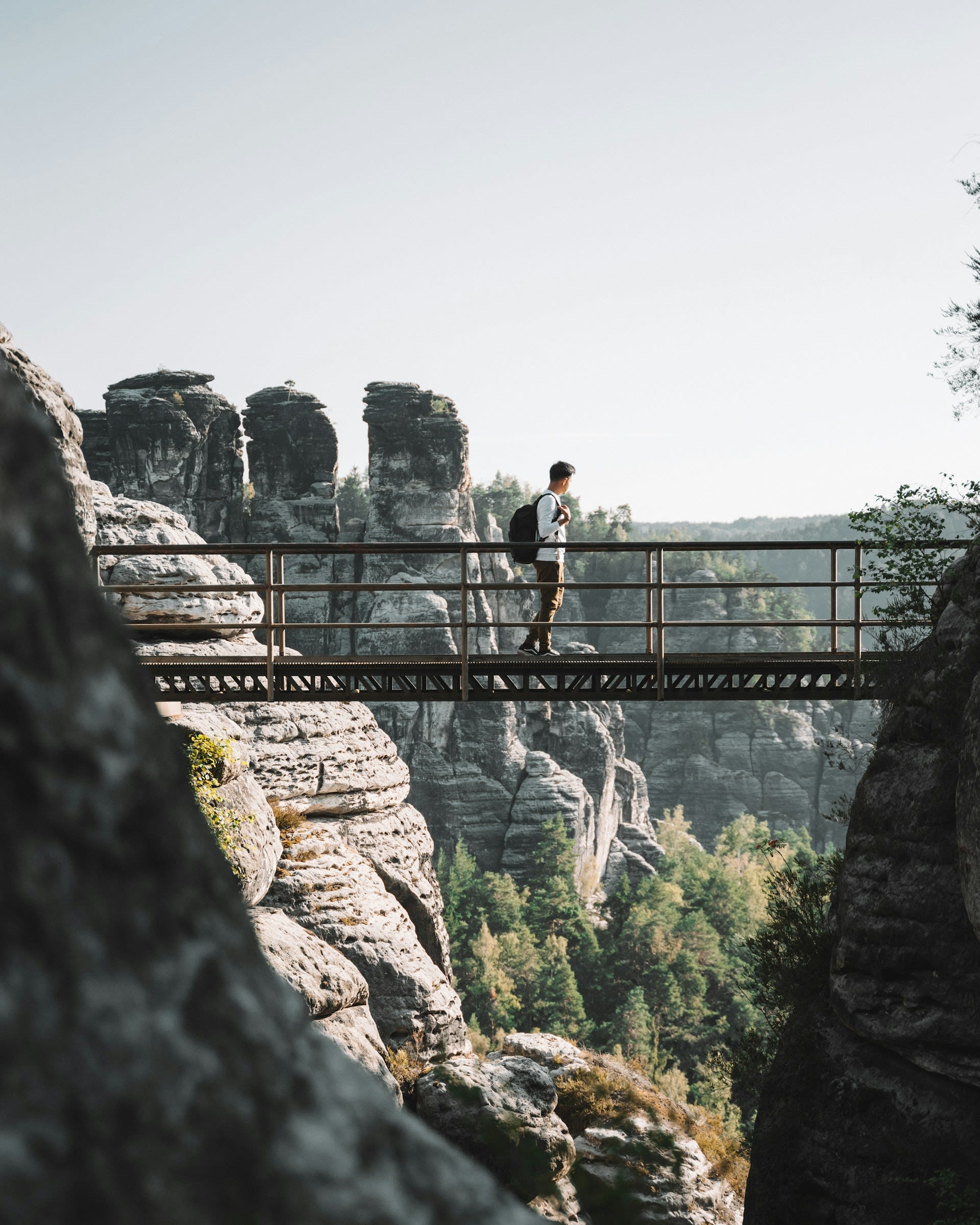
Bohemian Switzerland
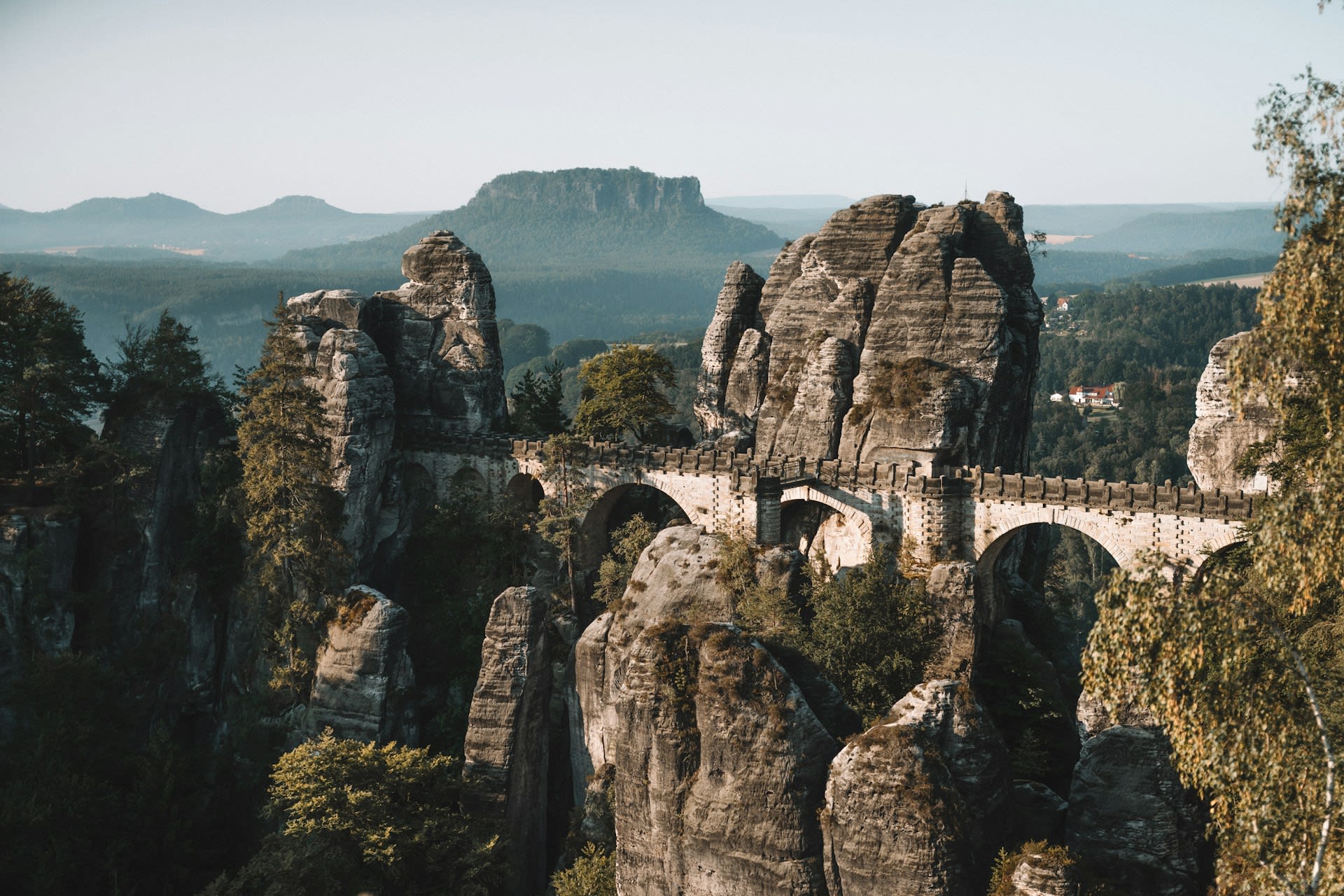
Bohemian Switzerland (Czech: České Švýcarsko) is a national park established in 2000 in the Ústí nad Labem region of the northern Czech Republic, covering 79 km² of the most spectacular sandstone landscape in Central Europe — a terrain of table mountains, deep gorges, isolated rock towers, and the extraordinary Pravčická brána, the largest natural sandstone arch in Europe at 26.5 metres wide and 16 metres high. The park forms the Czech portion of the broader Saxon–Bohemian Switzerland landscape that continues across the German border (Saxon Switzerland National Park, established 1990), together protecting approximately 370 km² of the ancient Cretaceous sandstone plateau through which the Elbe River (Labe) has carved a dramatic canyon over millions of years. The sandstone terrain — laid down approximately 90–100 million years ago as shallow marine sediment and subsequently eroded by water, wind, and freeze-thaw into its present labyrinthine character — supports an unusual pine-dominated forest ecosystem on the nutrient-poor sandy soils, with peregrine falcon, white-tailed eagle, and Eurasian eagle-owl nesting on the cliff faces.
🌍 Geography and Ecosystem
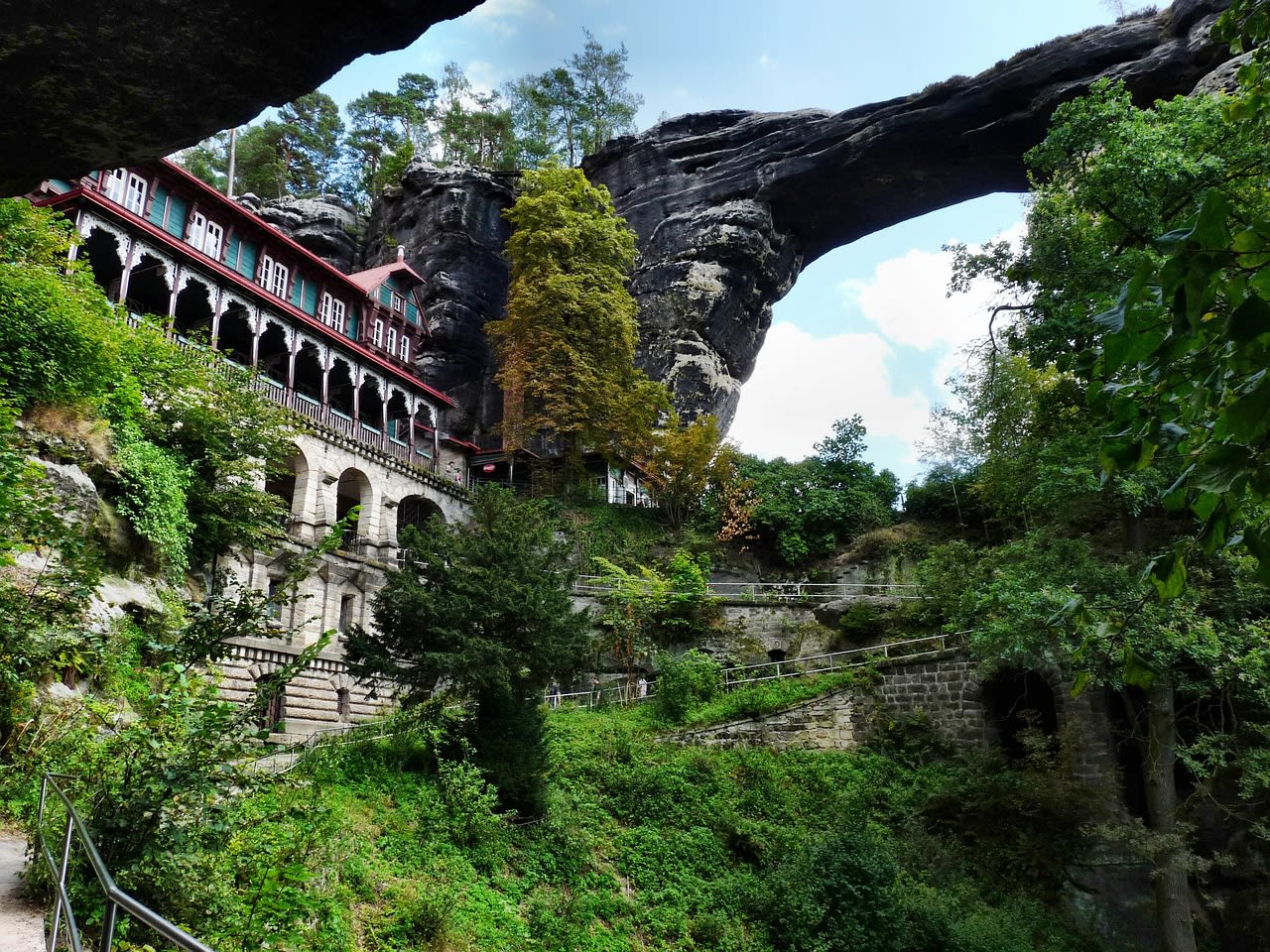
- Pravčická brána (Prebischtor): The largest natural arch in Central Europe — 26.5 metres wide, 16 metres high, and with a rock bridge only 3 metres thick at its narrowest point, spanning a saddle in the sandstone plateau 150 metres above the valley floor. The arch is visible from a viewing terrace at the Sokolí hnízdo (Falcon's Nest) historic guesthouse built beside it in 1881. Walking directly onto the arch has been prohibited since 1982 to prevent structural damage.
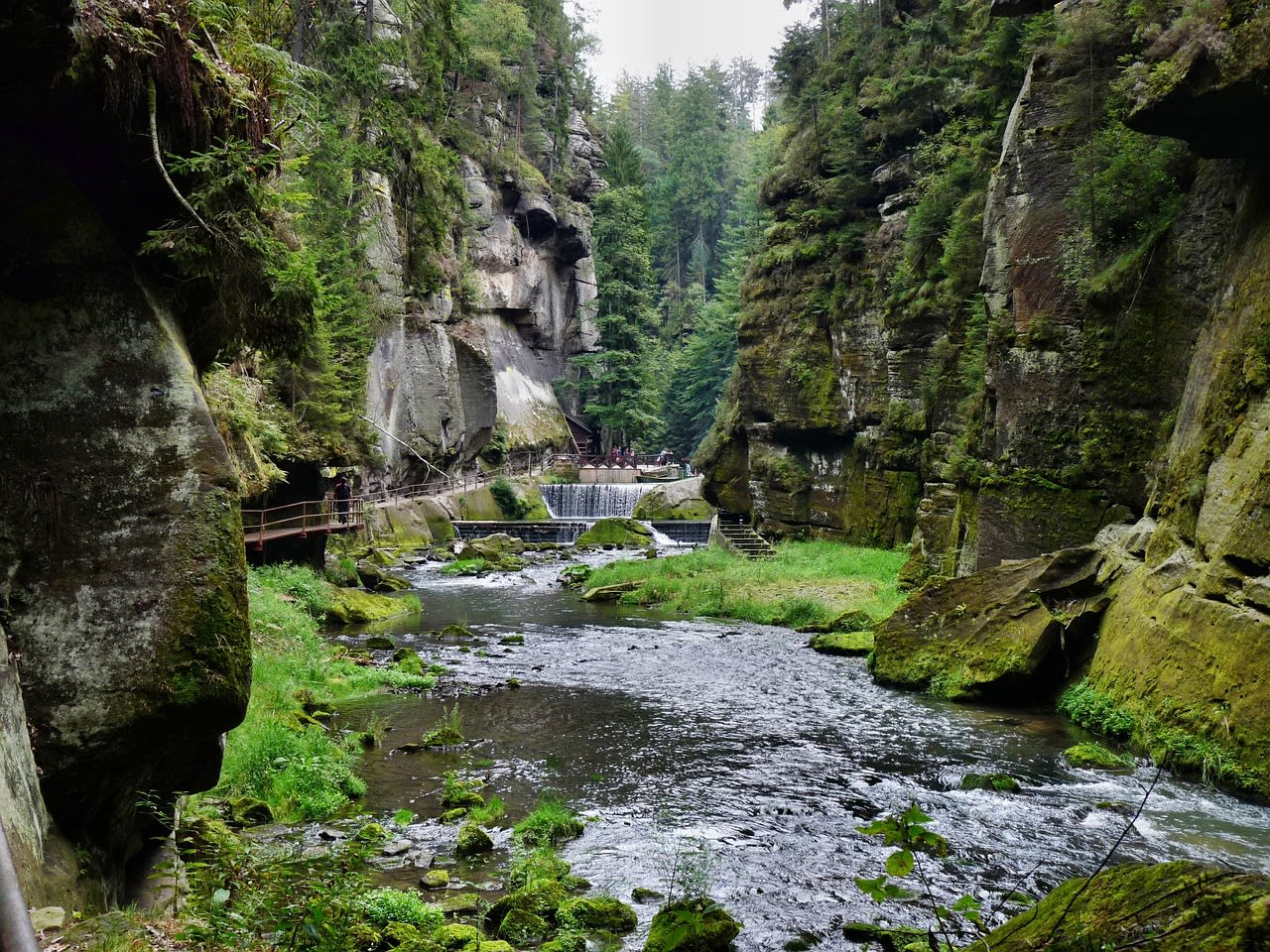
- Edmundova Gorge (Tichá soutěska): A 1.5-km narrow gorge through which the Kamenice river flows between 30-metre sandstone walls, too narrow in places for more than two people to pass abreast. Explored by flat-bottomed punt boats poled by local boatmen, the gorge is one of the most atmospheric natural passages in the Czech Republic — the water is emerald-clear, the walls damp with moss and ferns, and the sky visible only as a narrow strip above.
- Wild Gorge (Divoká soutěska): The continuation of the Kamenice gorge system, equally narrow but accessed on foot via a path with iron ladders and railings installed in the sandstone walls. The combination of sandstone formations, water-worn boulders, and the sound of the river in the enclosed space creates a distinctive sensory environment unlike any other landscape in Central Europe.
- Hřensko Village and Elbe Gorge: The village of Hřensko sits at the confluence of the Kamenice and Elbe rivers at the German border, surrounded on all sides by sandstone cliffs. Boat tours on the Elbe through the deepest section of the canyon provide views of cliff faces inaccessible from the trails above, and the contrast of the river-level perspective with the plateau 200 metres overhead is one of the most dramatic scale experiences in the park.
📜 History and Cultural Significance
The Czech National Revival of the 19th century adopted the Bohemian Switzerland landscape as a symbol of the natural and cultural independence of the Czech lands from Austrian dominance, and the area attracted Czech writers, composers, and nationalist intellectuals seeking images of Czech identity in the landscape. The landscape gained tragic significance in World War II: the German–Czech border ran through the park area, and the expulsion of the German-speaking Sudeten population in 1945–46 depopulated several villages in the area. Many historically significant buildings and cultural sites were lost in the resulting abandonment and their recovery remains an ongoing heritage management challenge.
🏃 Activities and Attractions
- Pravčická Brána Hike: The 4-km trail from Hřensko to the Pravčická brána ascends 200 metres through pine forest to the arch and the Sokolí hnízdo guesthouse. The return via Mezní Louka creates a 10-km circuit with varied terrain. Crowds are significant in July–August; a 6am start beats the main visitor wave. The arch is best photographed in late afternoon light from the northern viewing platform.
- Boat Tours through the Gorges: Flat-bottomed punt boats carry visitors through the Edmundova and Wild Gorges — the only way to experience these extraordinary passages, as the gorge floor is too narrow for a walkway in the tightest sections. Tours depart from Hřensko and take approximately 1.5 hours for both gorges. Booking is advisable in July–August when queues can be long.
- Cycling the Elbe Cycle Route (EuroVelo 7): The Elbe Cycle Path follows the river from its source in the Czech mountains to Hamburg over 1,200 km. The section through Bohemian and Saxon Switzerland (approximately 50 km from Děčín to Bad Schandau in Germany) passes through the most spectacular canyon terrain of the entire route, with the towering sandstone walls providing an astonishing backdrop to what is otherwise a gentle flat-road cycle.
- Rock Climbing: The sandstone towers and walls of the Czech–Saxon Switzerland area are one of Europe's most historically important rock climbing venues — the tradition of sandstone climbing here dates to 1864, making it one of the birthplaces of the sport. A unique local ethical code (no metal protection devices may be placed in the sandstone; only knotted rope slings in natural features) has preserved the character of the rock and the climbing tradition for 160 years. Over 1,000 named climbing routes are established in the Czech section alone.
- Cross-Border Hiking into Saxon Switzerland: The two national parks share a trail network with no formal border crossing required (within the Schengen Area). The famous Malerweg (Painters' Way) in the German section — a 112-km waymarked trail following the routes of Romantic artists including Caspar David Friedrich — can be entered from the Czech side via several trail connections, creating multi-day itineraries that traverse both national parks.
💡 Travel Tips
Best Season: May–June for lush green forest and moderate visitor numbers. September–October for autumn colours in the mixed forest sections and low-mist morning atmosphere over the canyon. July–August for maximum opening hours and boat tour availability but heaviest crowds. Winter (December–February) when the gorges are iced over offers extraordinary photographic conditions but boat tours are suspended.
Accommodation: Hřensko has several guesthouses and the iconic Sokolí hnízdo at the Pravčická brána. Děčín city (15 km) has the widest choice of hotels. For the Saxon Switzerland side, Bad Schandau (Germany, 10 km from Hřensko via river ferry) is a well-served base for both parks.
Practical Notes: The boat tours through the gorges require cash payment (Czech koruna). The Pravčická brána trail surface is well maintained but steep in sections — appropriate footwear recommended. The park is open year-round with no entry fee; the boat tours and cable car attractions charge separately.
🌱 Conservation
The Pravčická brána itself faces conservation challenges from its own fame: the 3-metre-thick rock bridge carries approximately 200,000 visitors per year on its viewing platforms, and structural monitoring has detected micro-fracturing in the sandstone at the bridge's thinnest point. Geologists assess the long-term stability of the arch as secure without intervention, but the combination of tourist vibration, freeze-thaw cycling, and increased extreme precipitation events requires ongoing monitoring. The prohibition on walking directly on the arch (in place since 1982) is the primary protective measure.