


Pantanal
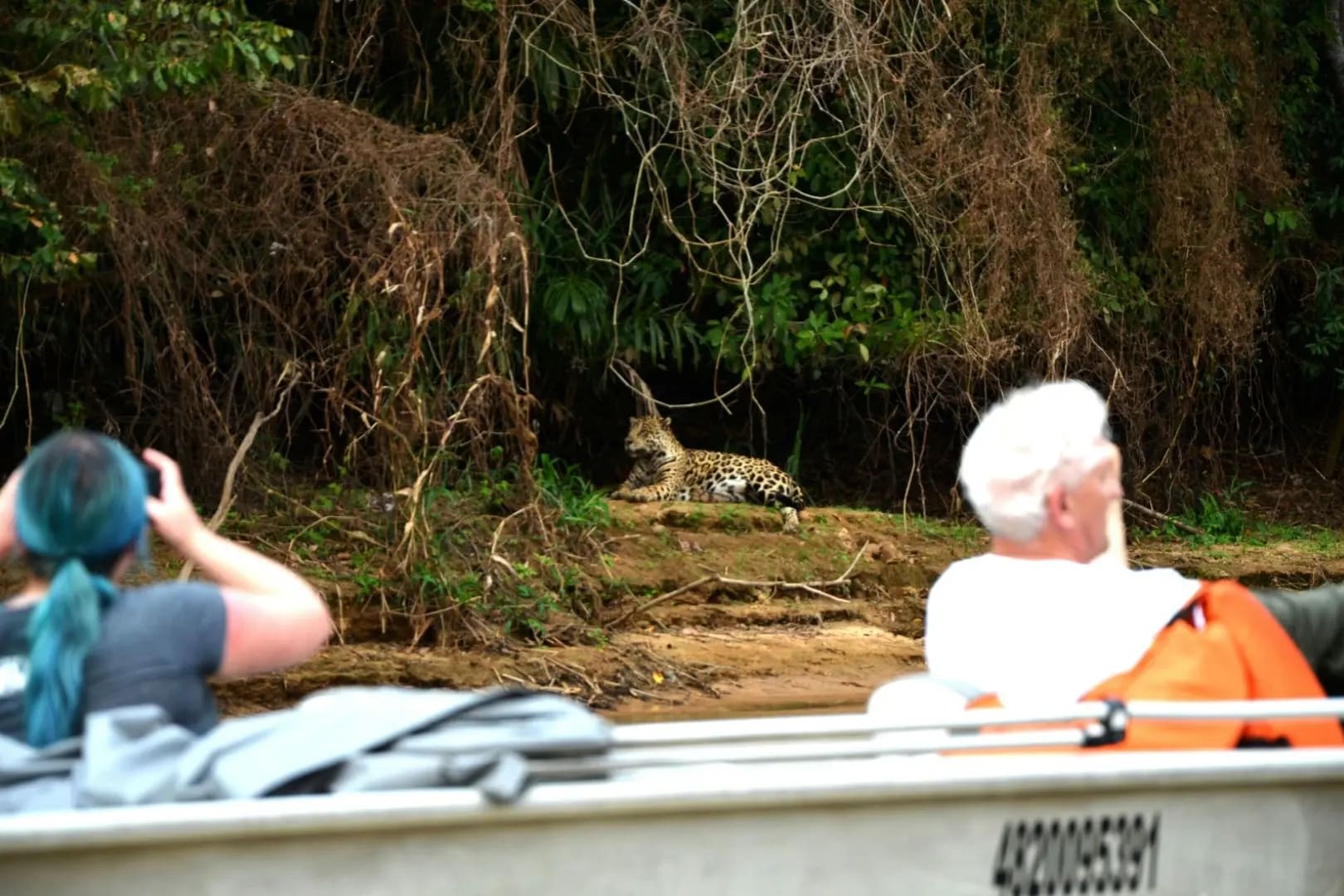
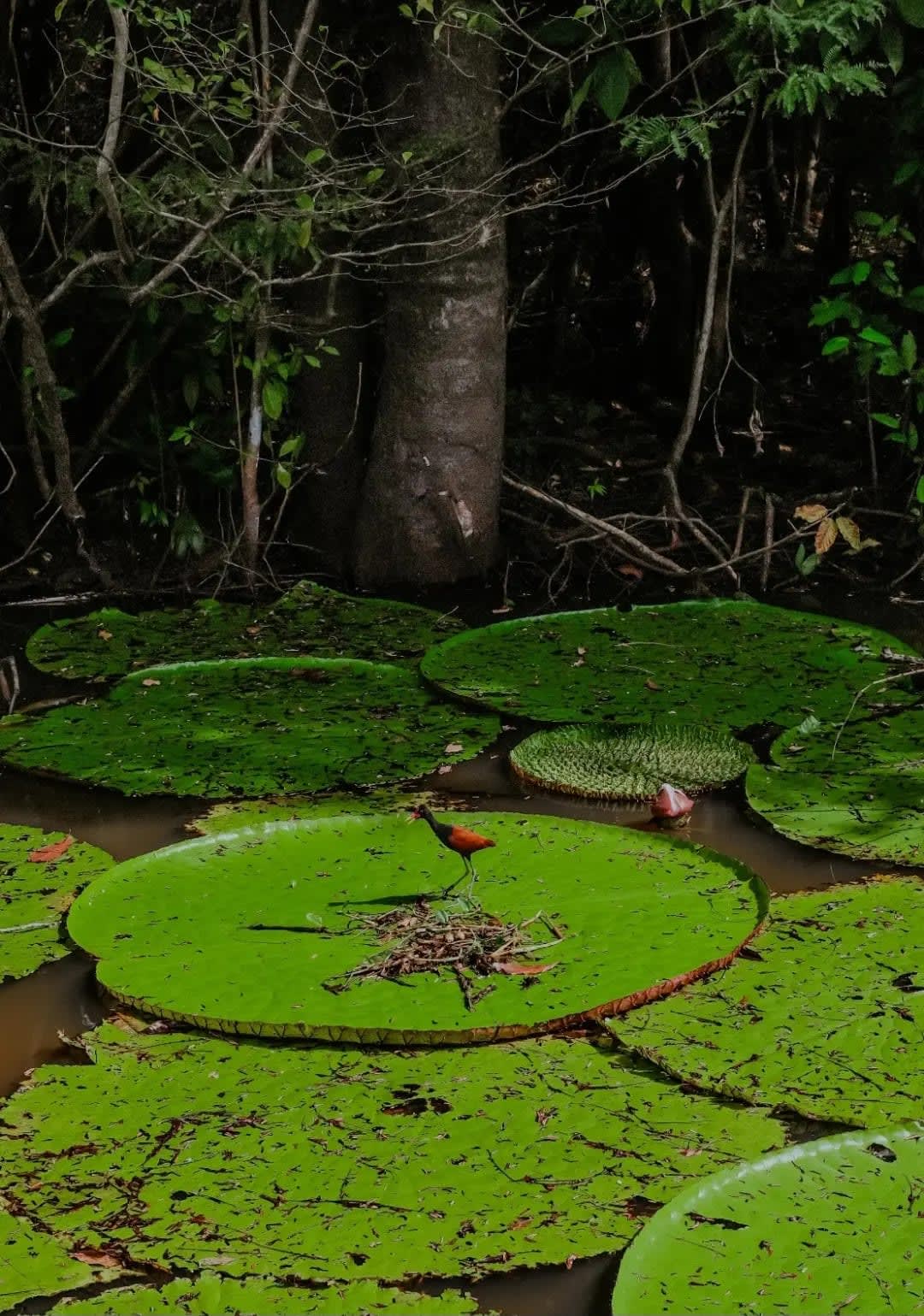
The Pantanal is one of the largest tropical wetland areas in the world, spanning over 150,000 square kilometers across Brazil, Bolivia, and Paraguay. Known for its unparalleled biodiversity, the Pantanal is a UNESCO World Heritage site that attracts nature lovers, birdwatchers, and adventure seekers from around the globe. This unique ecosystem is home to a diverse array of wildlife, including jaguars, capybaras, caimans, and hundreds of bird species, making it a prime destination for ecotourism.
🌍 Geography and Natural Features
The Pantanal is characterized by its seasonal flooding, which creates a mosaic of habitats that support an extraordinary range of flora and fauna. The wetland area is primarily located in the Brazilian states of Mato Grosso and Mato Grosso do Sul, and it plays a crucial role in the region's hydrology and biodiversity.
- Hydrology: The Pantanal's unique hydrological system is driven by the rains that fall between November and March. During this period, the area can be inundated with water, transforming it into a vast network of rivers, lagoons, and wetlands. This flooding cycle is essential for maintaining the ecological balance of the region and supports the diverse wildlife that thrives here.
- Biodiversity: The Pantanal is recognized as one of the most biodiverse regions on the planet. It is home to over 1,000 species of plants, 400 species of birds, 300 species of fish, and a wide variety of mammals and reptiles. The diverse habitats created by the seasonal floods, including grasslands, forests, and swamps, contribute to the high levels of biodiversity.
- Climate: The Pantanal experiences a tropical climate, with a distinct wet and dry season. The wet season typically lasts from November to March, bringing heavy rainfall and flooding, while the dry season, from April to October, is characterized by warm temperatures and lower humidity. The seasonal changes significantly impact the flora and fauna of the region, making it a dynamic ecosystem.
📜 History and Cultural Significance
The Pantanal has a rich cultural history, influenced by the indigenous peoples and the development of ranching and agriculture in the region.
Indigenous Peoples: The Pantanal has been inhabited by indigenous groups such as the Guató, Terena, and Kaiowá for thousands of years. These communities have developed a deep connection to the land and its resources, relying on traditional knowledge and practices to sustain their livelihoods.
Colonial Influence: The arrival of European colonizers in the 16th century brought significant changes to the Pantanal. The introduction of cattle ranching transformed the landscape and economy of the region, leading to conflicts with indigenous peoples and ecological challenges.
Conservation Awareness: In recent decades, there has been growing awareness of the importance of conserving the Pantanal's unique ecosystems. Efforts to protect the region's biodiversity and support sustainable development have gained momentum, with various organizations and communities working together to promote conservation.
Indigenous Peoples: The Pantanal has been inhabited by indigenous groups such as the Guató, Terena, and Kaiowá for thousands of years. These communities have developed a deep connection to the land and its resources, relying on traditional knowledge and practices to sustain their livelihoods.
Colonial Influence: The arrival of European colonizers in the 16th century brought significant changes to the Pantanal. The introduction of cattle ranching transformed the landscape and economy of the region, leading to conflicts with indigenous peoples and ecological challenges.
Conservation Awareness: In recent decades, there has been growing awareness of the importance of conserving the Pantanal's unique ecosystems. Efforts to protect the region's biodiversity and support sustainable development have gained momentum, with various organizations and communities working together to promote conservation.
🏃 Activities and Attractions
The Pantanal offers a wealth of activities for visitors to explore its natural beauty and rich wildlife. Whether you are seeking adventure or relaxation, there is something for everyone in this remarkable ecosystem.
- Wildlife Tours: Guided wildlife tours are one of the best ways to experience the Pantanal. Visitors can embark on boat rides, jeep safaris, or horseback rides to explore the diverse habitats and spot unique wildlife. Many tour operators offer packages that include knowledgeable guides who can share insights about the region's ecosystems and wildlife.
- Birdwatching: With its incredible diversity of bird species, the Pantanal is a top destination for birdwatching enthusiasts. Specialized birding tours provide opportunities to spot rare and endemic species while learning about their behaviors and habitats.
- Photography: The stunning landscapes and vibrant wildlife make the Pantanal a photographer's paradise. Visitors can capture breathtaking shots of sunsets, wildlife interactions, and the unique flora that characterize the region.
- Cultural Experiences: Visitors to the Pantanal can also engage with local communities and learn about their cultures, traditions, and sustainable practices. Cultural experiences may include visits to indigenous villages, traditional fishing activities, and ranching experiences.
- Adventure Activities: For those seeking more adrenaline-pumping activities, the Pantanal offers options such as canoeing, hiking, and horseback riding through the wetlands, providing a unique perspective on this incredible ecosystem.
💡 Travel Tips
How to Get There: The Pantanal can be accessed from several cities, including Campo Grande and Cuiabá, which offer flights from major Brazilian cities. From there, travelers can hire transportation or join guided tours that take them into the heart of the Pantanal.
Best Time to Visit: The best time to visit the Pantanal is during the dry season (May to September), when wildlife is more concentrated around water sources and the chances of spotting animals are higher. However, the wet season (November to March) offers its own unique beauty, with lush landscapes and vibrant flora.
What to Bring: Visitors should pack lightweight, breathable clothing suitable for warm and humid conditions. Binoculars and a good camera are essential for wildlife watching and photography. Insect repellent and sunscreen are also important to protect against mosquitoes and sun exposure.
Respect for Nature: When visiting the Pantanal, it's important to practice responsible tourism. This includes following guidelines provided by tour operators, avoiding disturbing wildlife, and minimizing environmental impact. Supporting local communities and conservation efforts is also crucial to preserving this unique ecosystem for future generations.
Best Time to Visit: The best time to visit the Pantanal is during the dry season (May to September), when wildlife is more concentrated around water sources and the chances of spotting animals are higher. However, the wet season (November to March) offers its own unique beauty, with lush landscapes and vibrant flora.
What to Bring: Visitors should pack lightweight, breathable clothing suitable for warm and humid conditions. Binoculars and a good camera are essential for wildlife watching and photography. Insect repellent and sunscreen are also important to protect against mosquitoes and sun exposure.
Respect for Nature: When visiting the Pantanal, it's important to practice responsible tourism. This includes following guidelines provided by tour operators, avoiding disturbing wildlife, and minimizing environmental impact. Supporting local communities and conservation efforts is also crucial to preserving this unique ecosystem for future generations.
🌱 Conservation Efforts
Conservation of the Pantanal is vital for protecting its unique ecosystems and the diverse wildlife that call it home. Various organizations and initiatives are working to promote sustainable practices and raise awareness about the importance of preserving this biodiversity hotspot.
- Protected Areas: A significant portion of the Pantanal is designated as protected areas, including national parks and reserves. These areas are crucial for safeguarding habitats and promoting conservation efforts.
- Community Involvement: Local communities play a key role in conservation efforts by practicing sustainable agriculture and ecotourism. Collaborating with local stakeholders helps ensure that conservation initiatives are culturally sensitive and economically viable.
- Research and Education: Ongoing research and educational programs are essential for understanding the ecological dynamics of the Pantanal. These initiatives aim to inform visitors and local communities about the importance of biodiversity conservation and sustainable practices.
✨ Conclusion
The Pantanal is a remarkable destination that offers a unique glimpse into one of the world's most important ecosystems. With its breathtaking landscapes, rich biodiversity, and opportunities for adventure and exploration, the Pantanal is a must-visit for anyone interested in nature and wildlife. By prioritizing conservation and sustainable tourism practices, we can help ensure that this extraordinary wetland continues to thrive for generations to come.


